Liberation Day celebrations
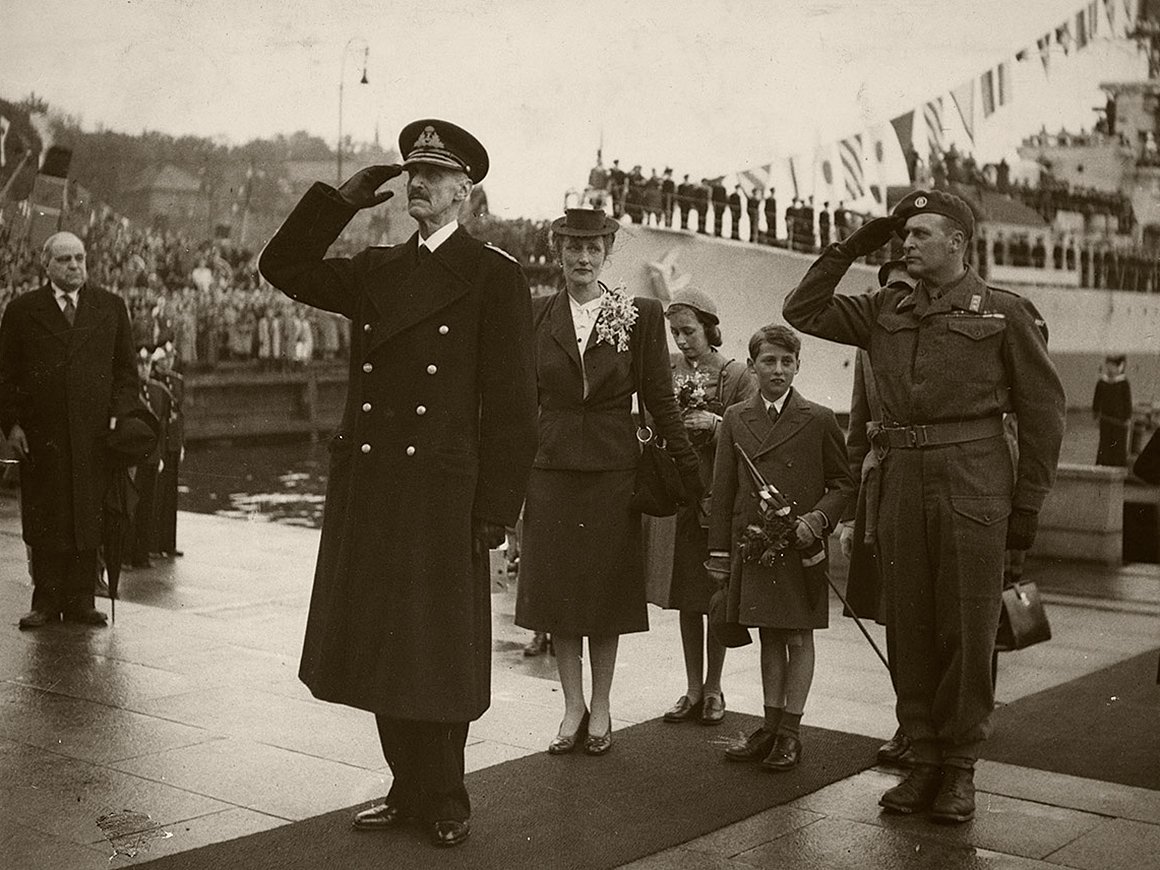
Liberation Day and the end of the Second World War in Norway were marked throughout the country today. Members of the Royal Family took part in a number of events.
8 May 2015
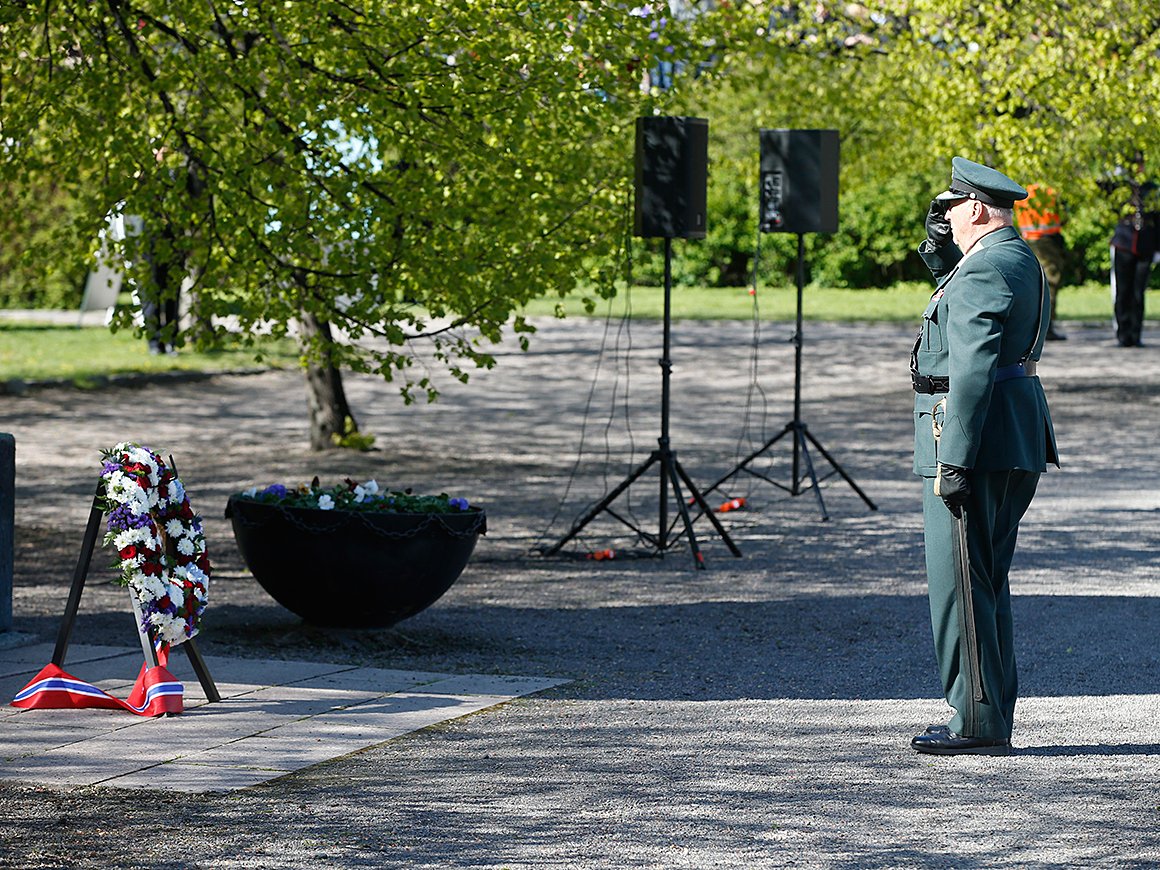
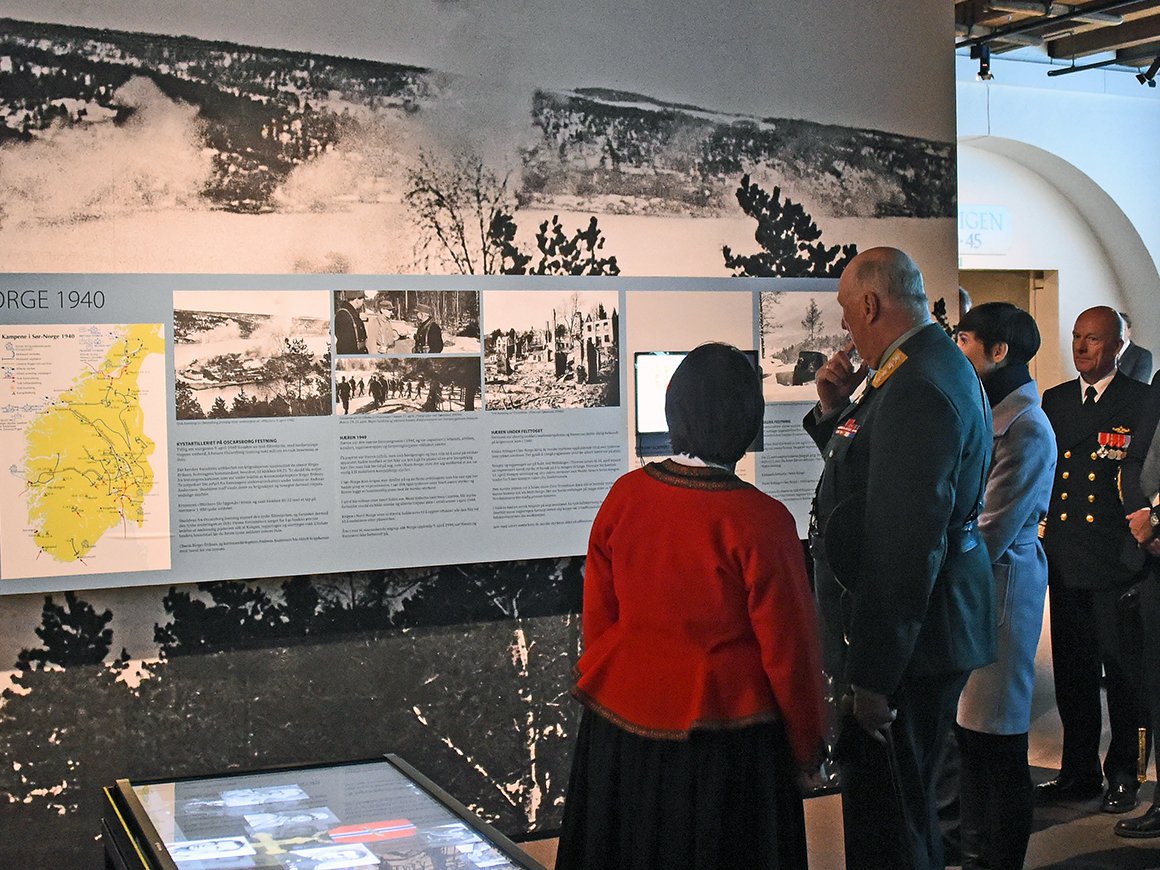
His Majesty The King participated in the commemoration of Veterans Day and the 70th anniversary of Liberation Day at Akershus Fortress. In a formal ceremony, the King laid a wreath at the national monument at the fortress. Later in the day he attended the official opening of an exhibition on the War Cross, the highest Norwegian military decoration.
But first, His Majesty spoke.
Many are still waiting for their Liberation Day
“Peace should never be taken for granted. It is not taken for granted today, nor was it 70 years ago,” said King Harald, who drew attention to the many people who are still fighting for their freedom and are forced to flee their homes.
“Today, too, innocent people all over the world are coping with war and conflict. Each day someone loses their liberty, and each day someone loses a loved one. (...)
Many countries and people are still waiting for their Liberation Day. Many are still fighting today for freedom and democracy. War and conflict force them to leave their families and friends. A refugee carries not only his or her own personal anguish, but also the hope of his or her people for a new beginning.”
King Harald spoke also of the deportation of 772 Norwegian Jews and Jewish refugees, and cautioned against the hate and threats that members of the Jewish community and other minorities are encountering today.
“Hate and prejudice make us smaller. Decency makes us all greater.”
His Majesty concluded his speech with a promise:
“To all who fought during those five long years. To all veterans – young and old alike. To all who are fighting against war and injustice – and for peace and freedom, democracy and human rights:
Just as we shall never forget the 9th of April, so shall we always commemorate the 8th of May.”
Honoured wartime seamen
Her Highness Princess Astrid, Mrs Ferner was present at the ceremony held in Oslo at the monument honouring wartime seamen. The monument was erected to commemorate the seamen in the merchant fleet and the Navy for their efforts from 1939 to 1945. Throughout the entire war, Norwegian vessels and crews transported weapons, fuel, food and other supplies between the Allies – back and forth across the Atlantic and to and from Murmansk. Many see this as Norway’s most important contribution to the war effort.
Nazi Germany invested tremendous effort in trying to bring this traffic to a halt, deploying hundreds of submarines, bomber planes, mines and warships. The Norwegian vessels were not the only target. Some 60 00 Allied seamen lost their lives.
The Crown Prince in Bergen
His Royal Highness Crown Prince Haakon took part in the ceremonies in Bergen today, where wartime seamen were honoured as well. The Crown Prince and the Norwegian Minister of Trade, Industry and Fisheries laid a wreath at the Nordstjernen monument erected to commemorate seamen who gave their lives during the war.
The Crown Prince also met with war veterans on board the DS Hestmanden. The vessel survived both the First and Second World War unscathed, and is now a museum and war memorial.
A 21-gun salute was fired from Bergenhus Fortress upon Crown Prince Haakon’s arrival at the parade ground. His Royal Highness, the fortress commandant and other military personnel saluted in response.
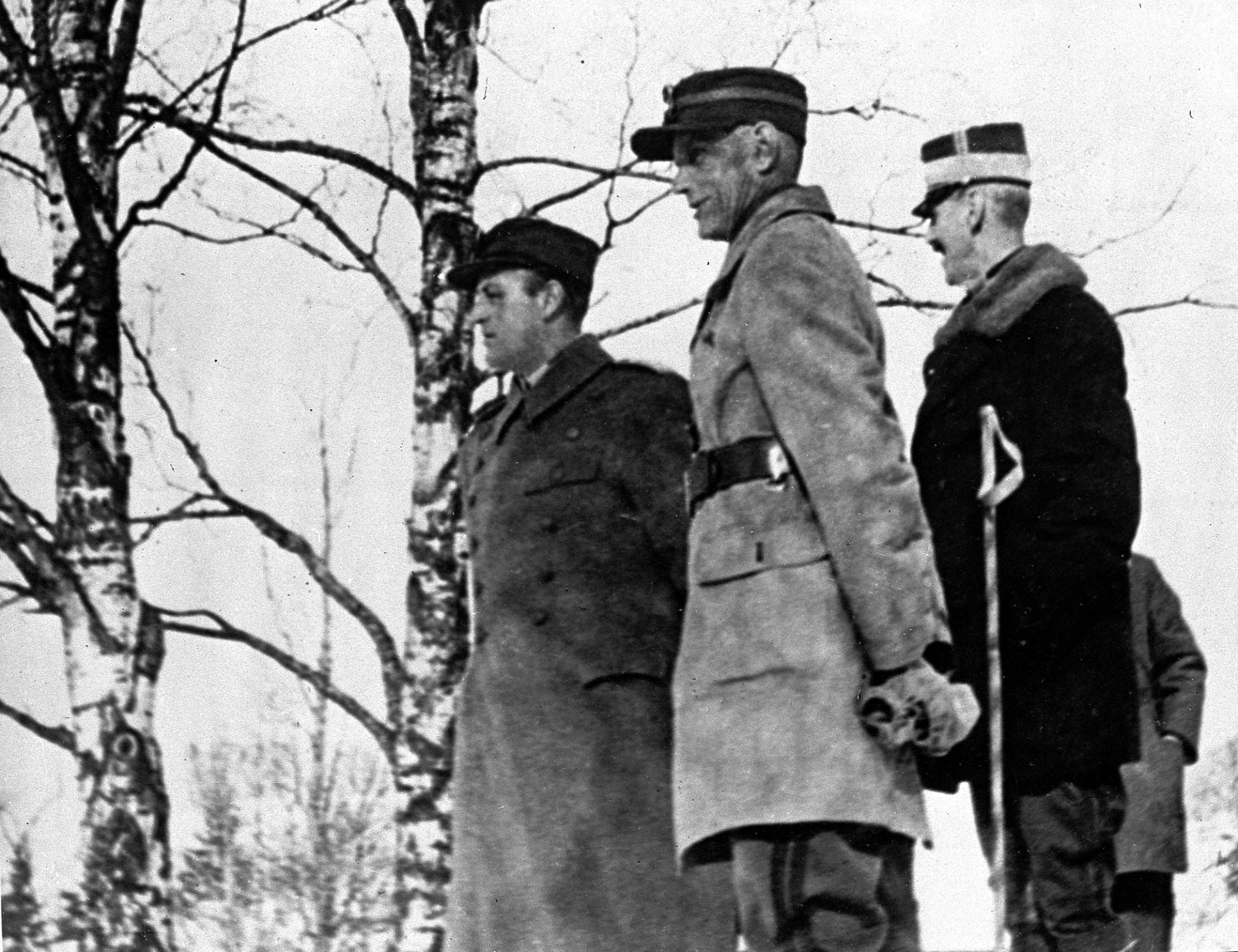
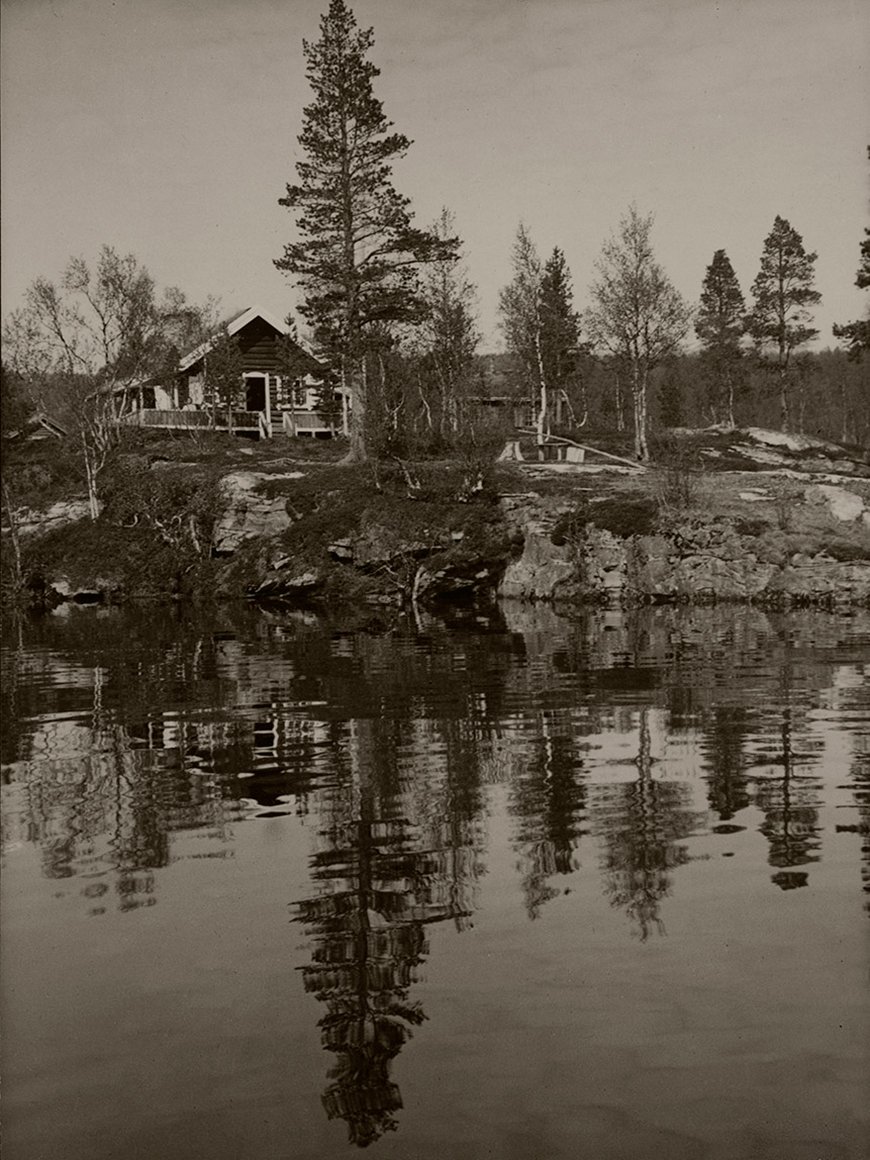
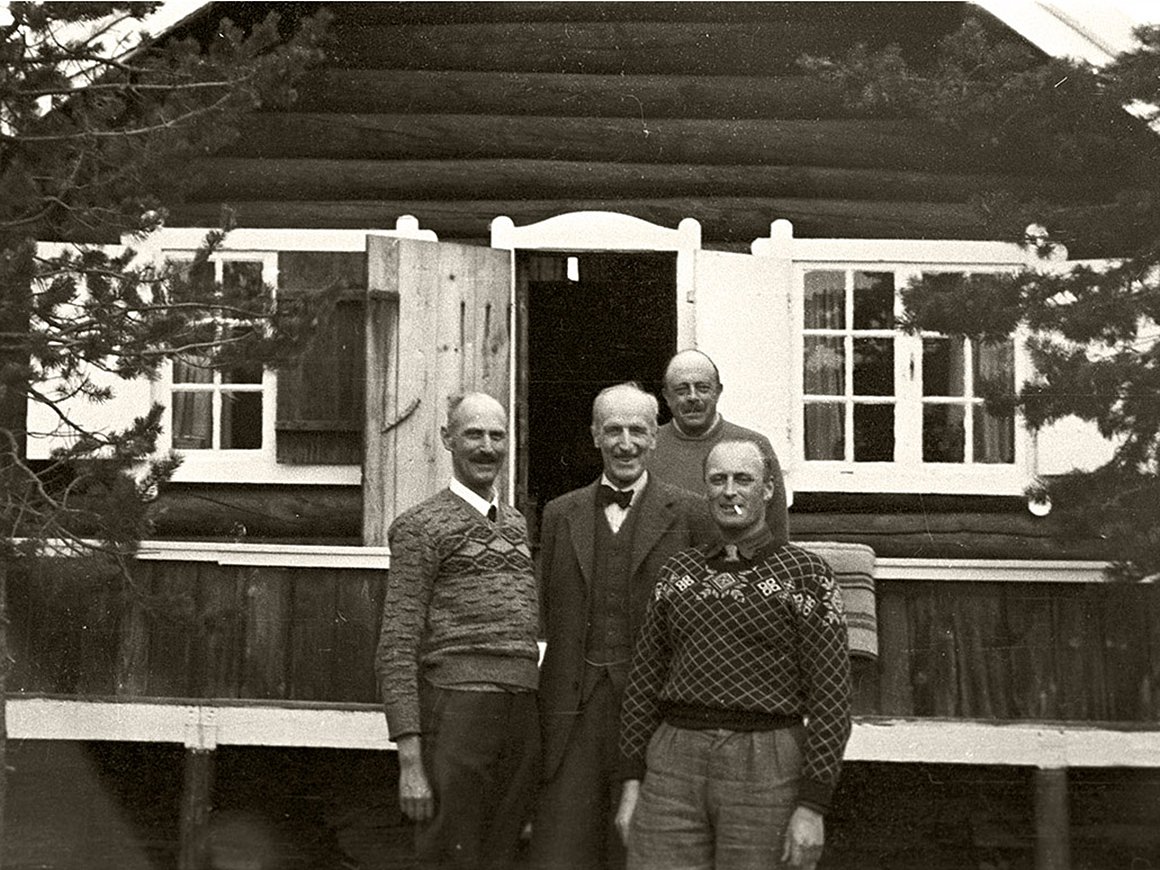
The Royal Family and World War II
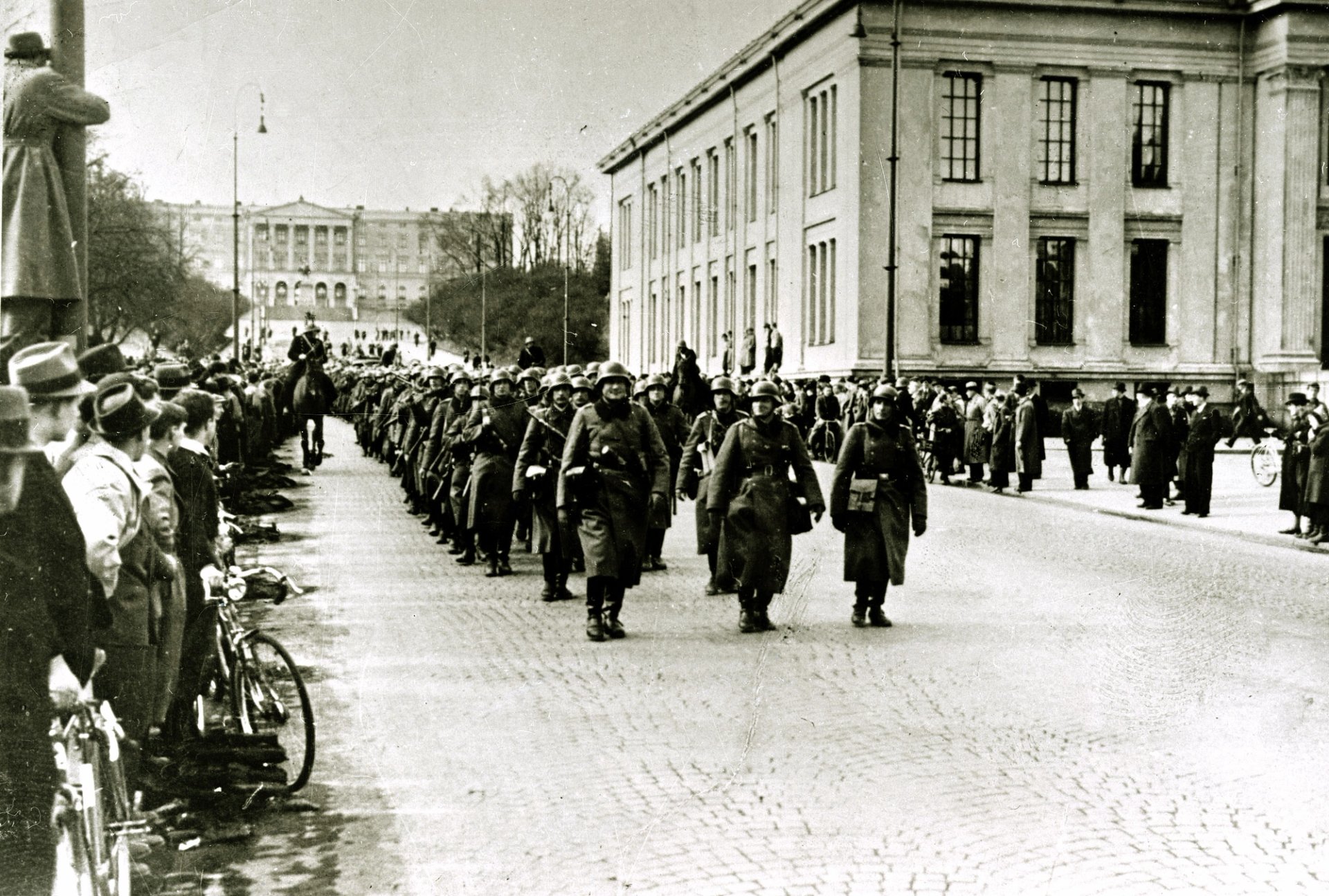
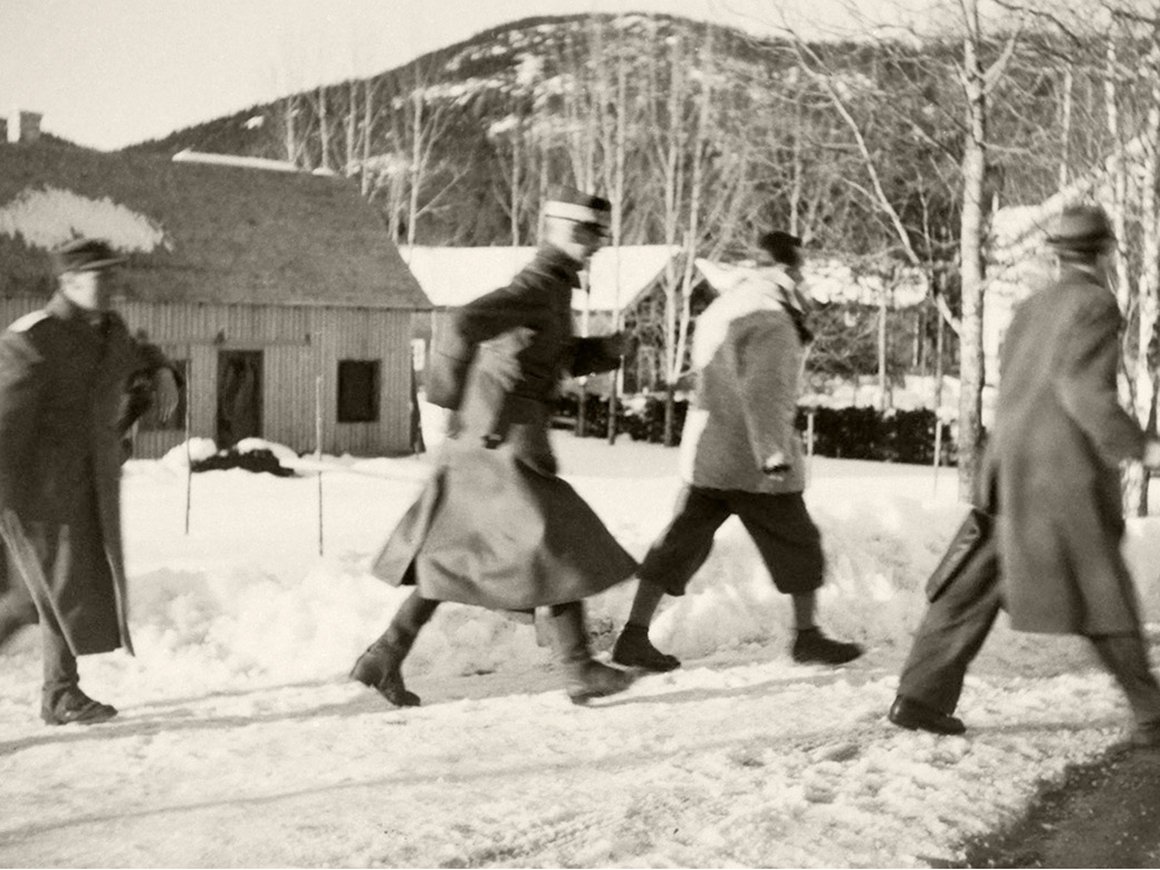
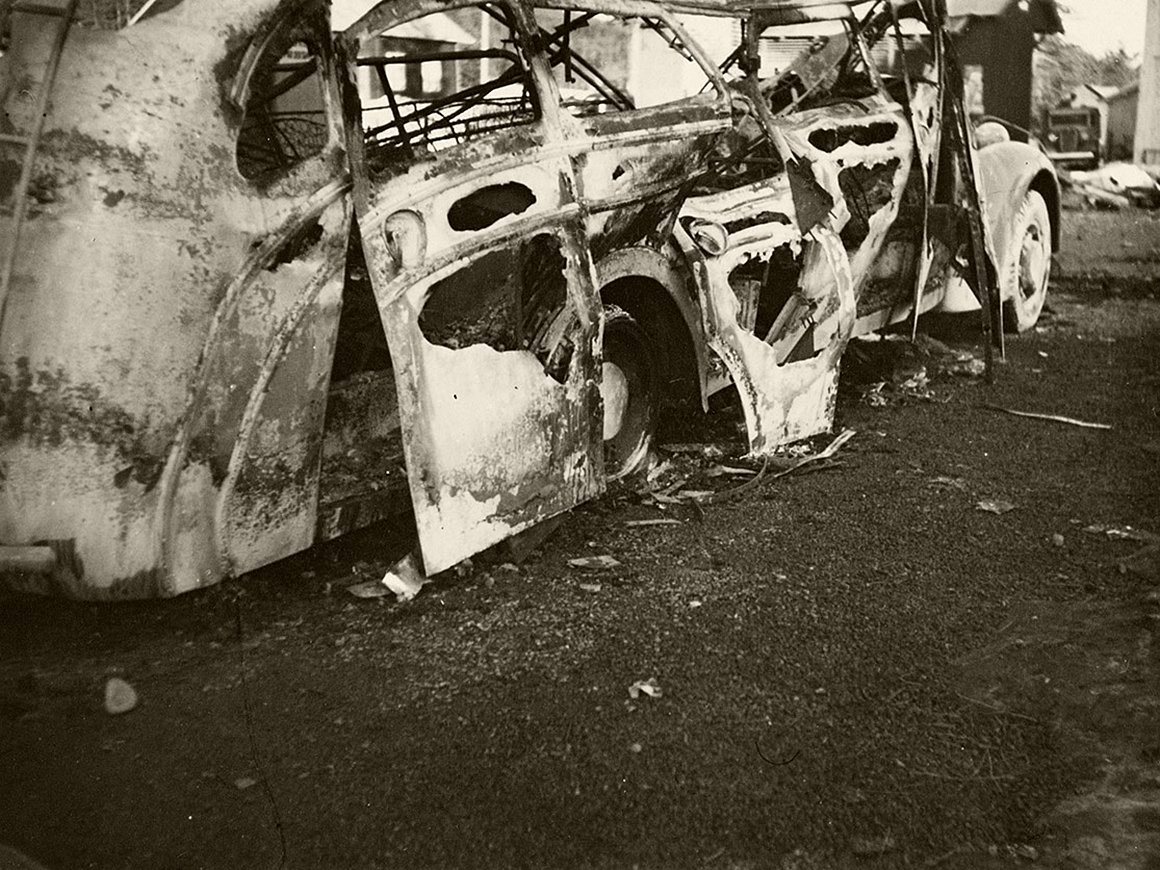
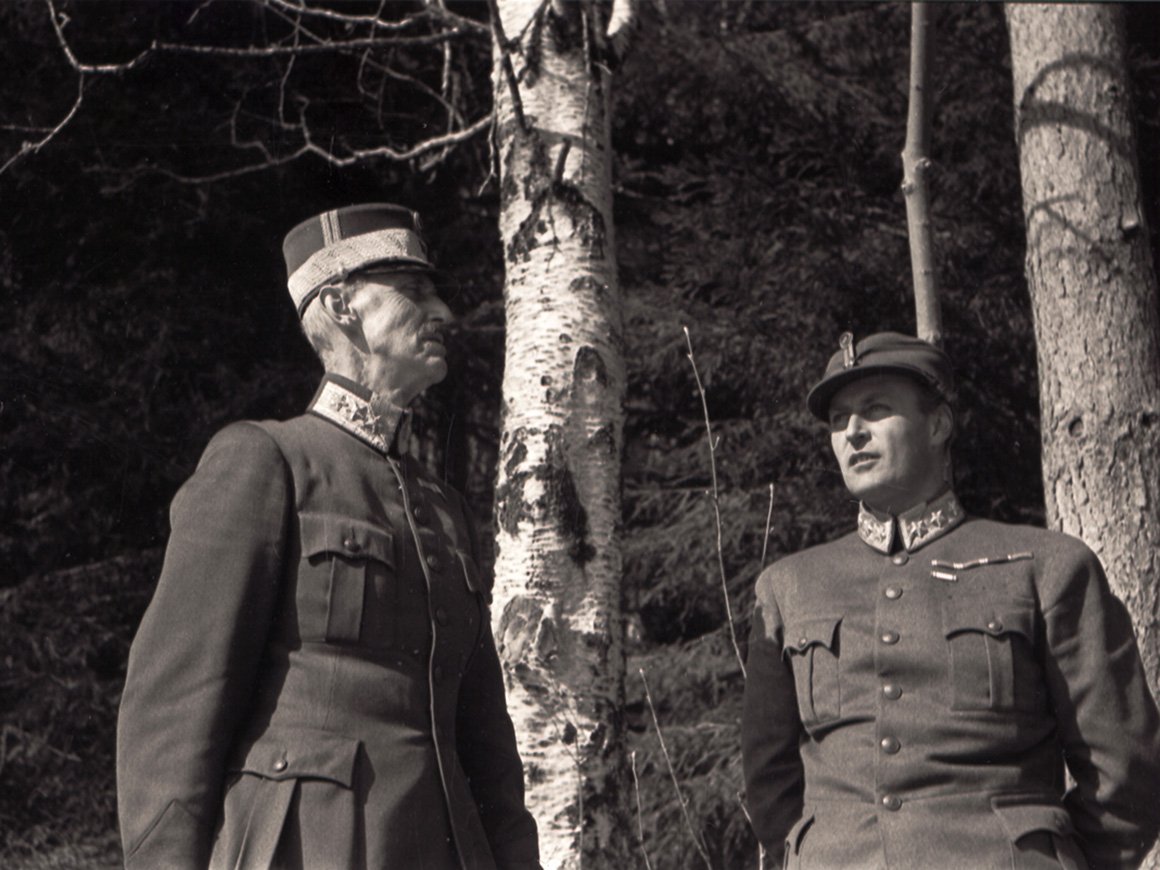
Showing 8 of 56