The first Allied victory
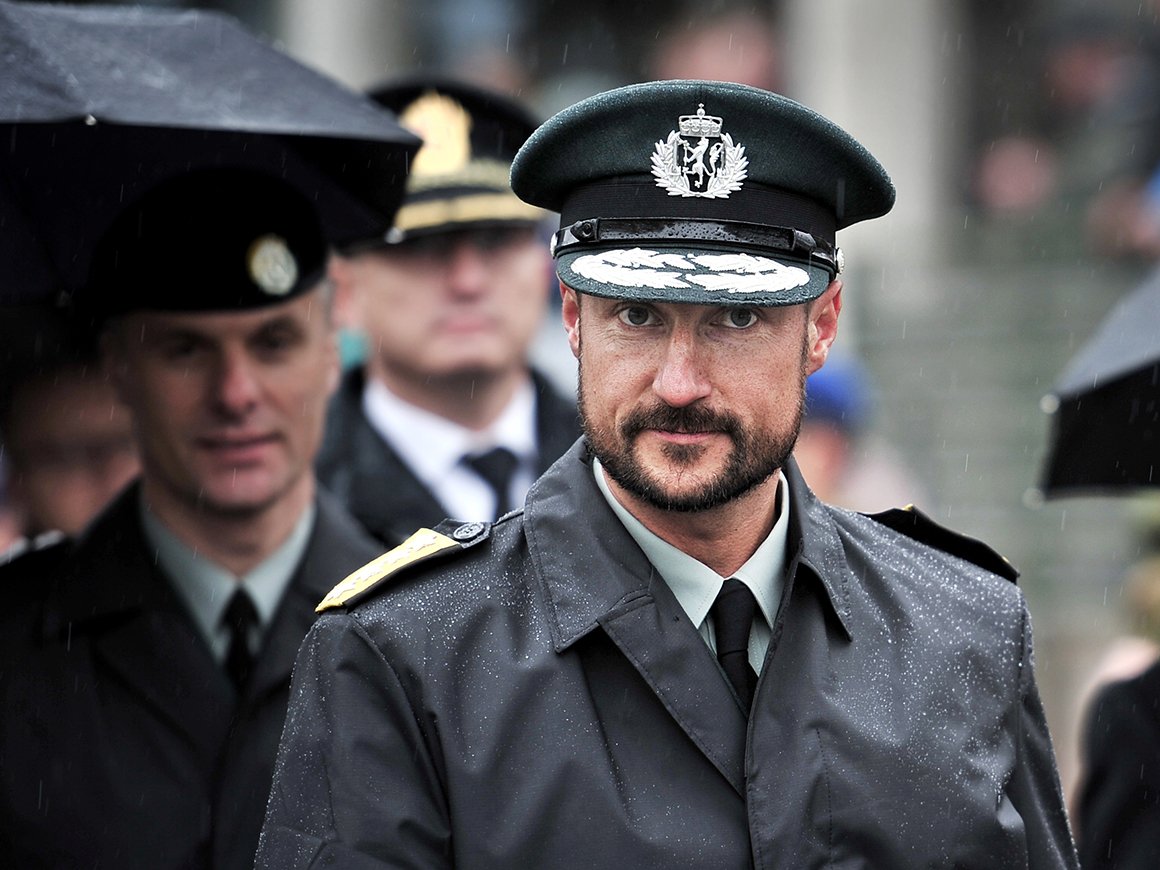
Yesterday and today mark the anniversary of the recapture of Narvik – the first Allied victory during World War II. His Royal Highness The Crown Prince Regent attended the 75th anniversary event today.
28 May 2015
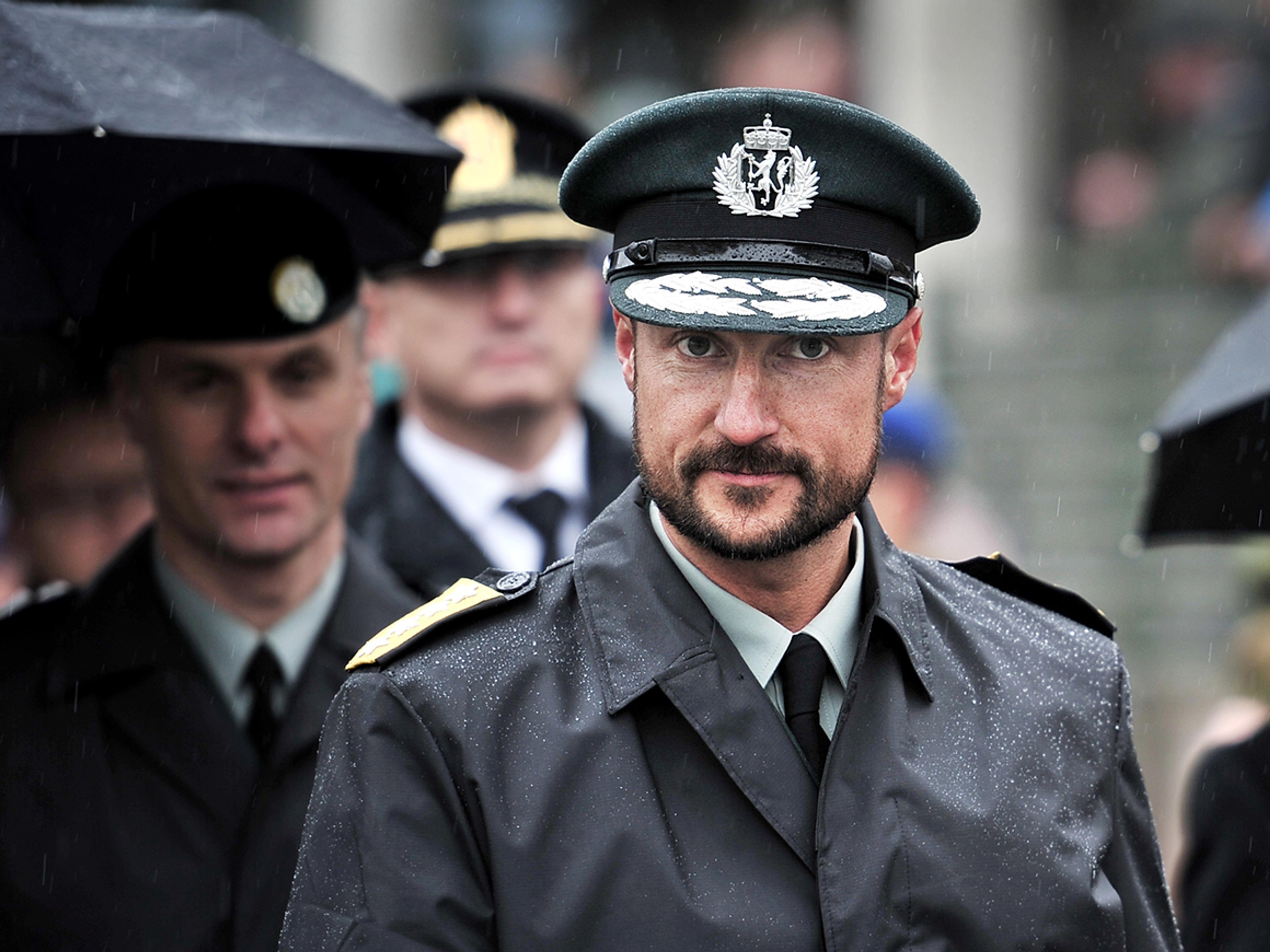
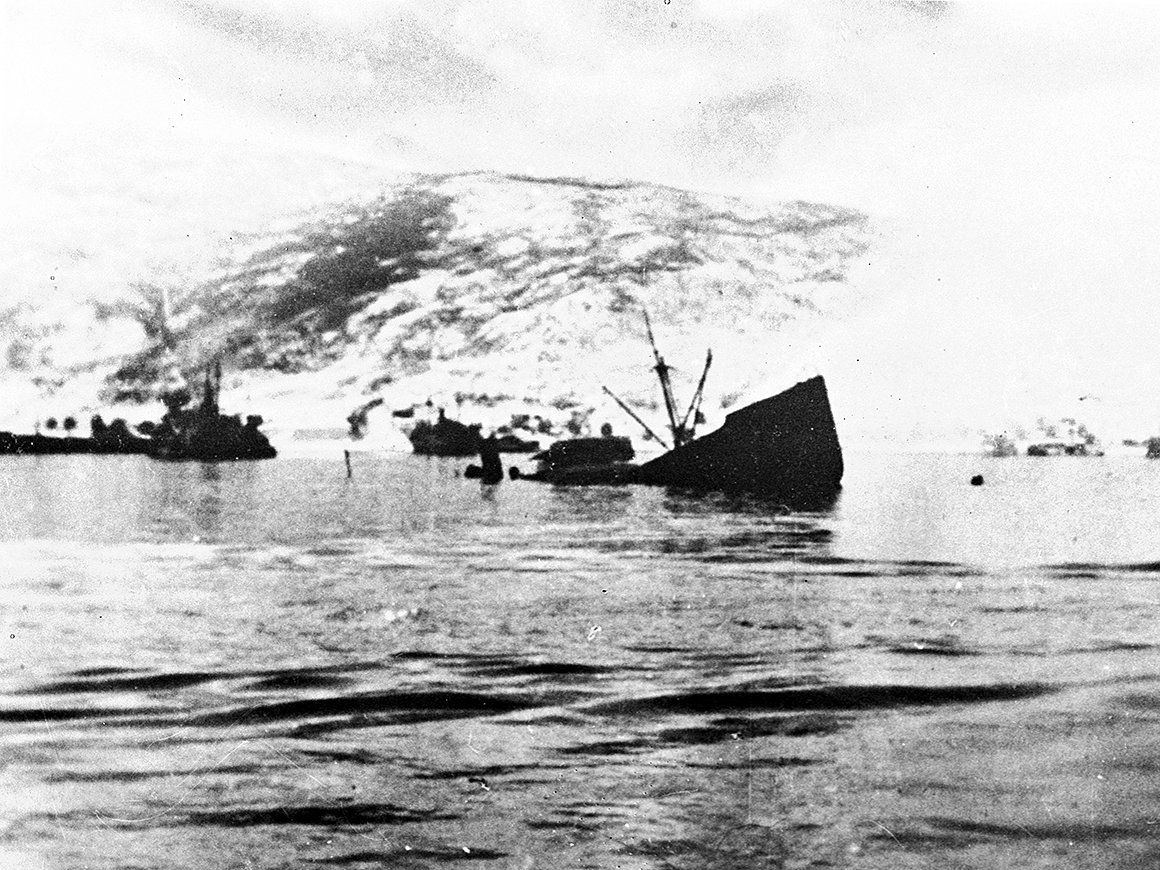
The battle for Narvik was the first time that British, French, Polish and Norwegian forces fought together. And they won. The recapture of Narvik on 28 May 1940 was the first major defeat of the war for Nazi Germany.
Historians have claimed that the recapture of Narvik convinced Hitler to change his plans to invade Great Britain the same year. Lessons learned from Narvik were also an important factor in the Allies’ planning of D-Day in 1944.
Representatives of all four nations attended the commemoration. Germany was also represented by the German Ambassador to Norway.
The battle for Narvik
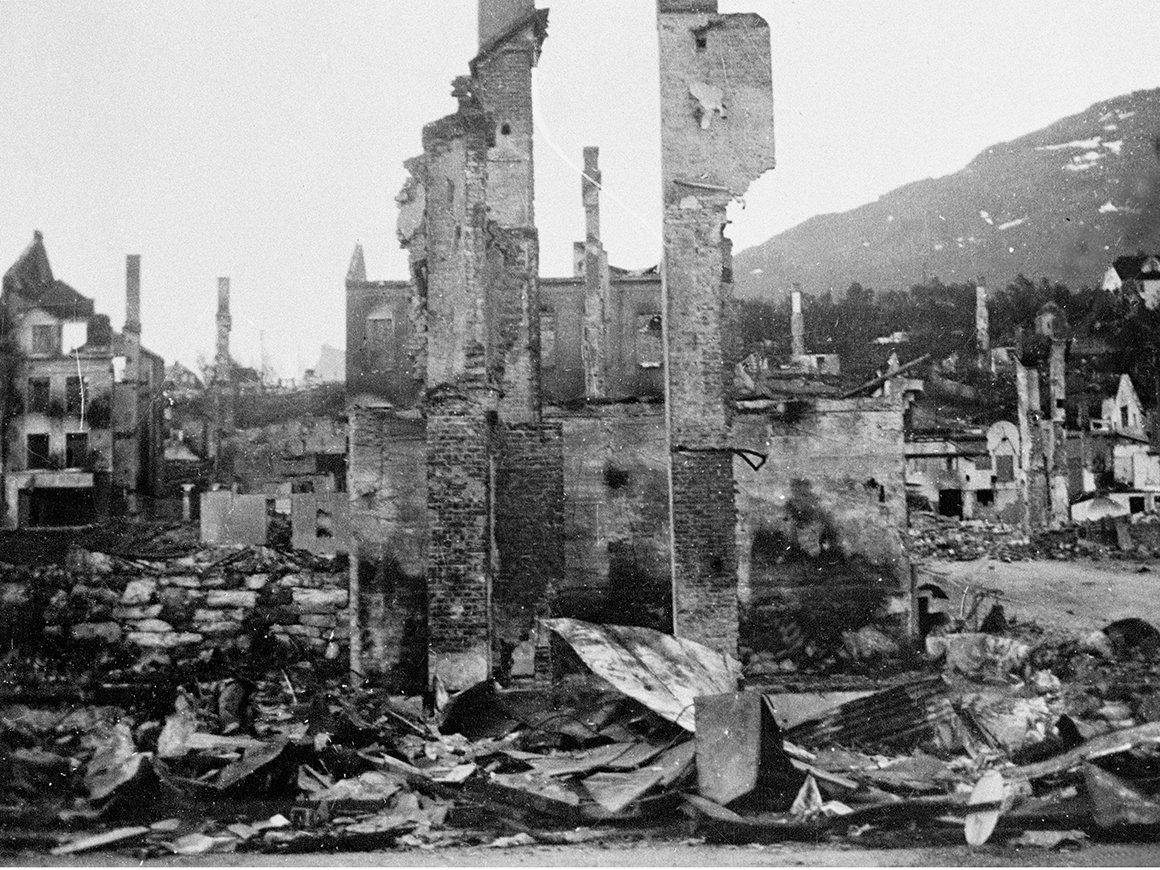
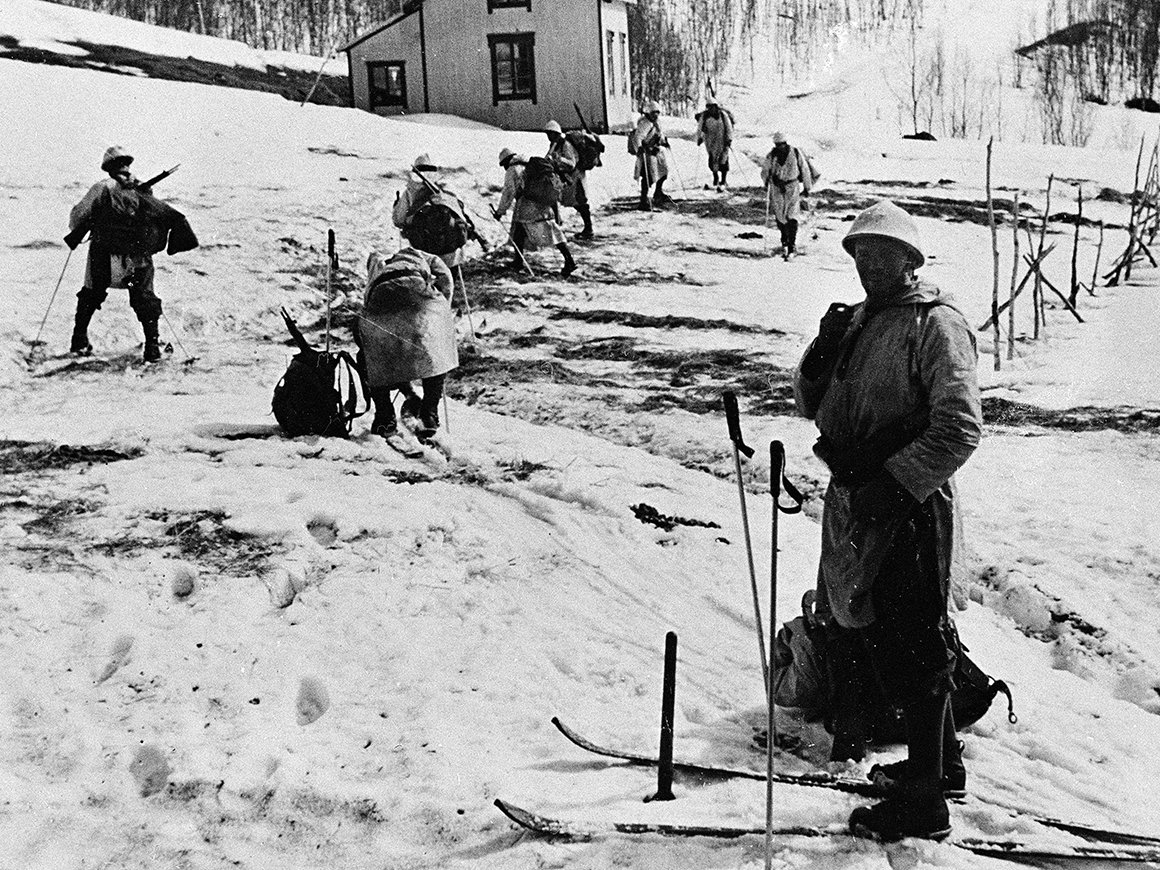
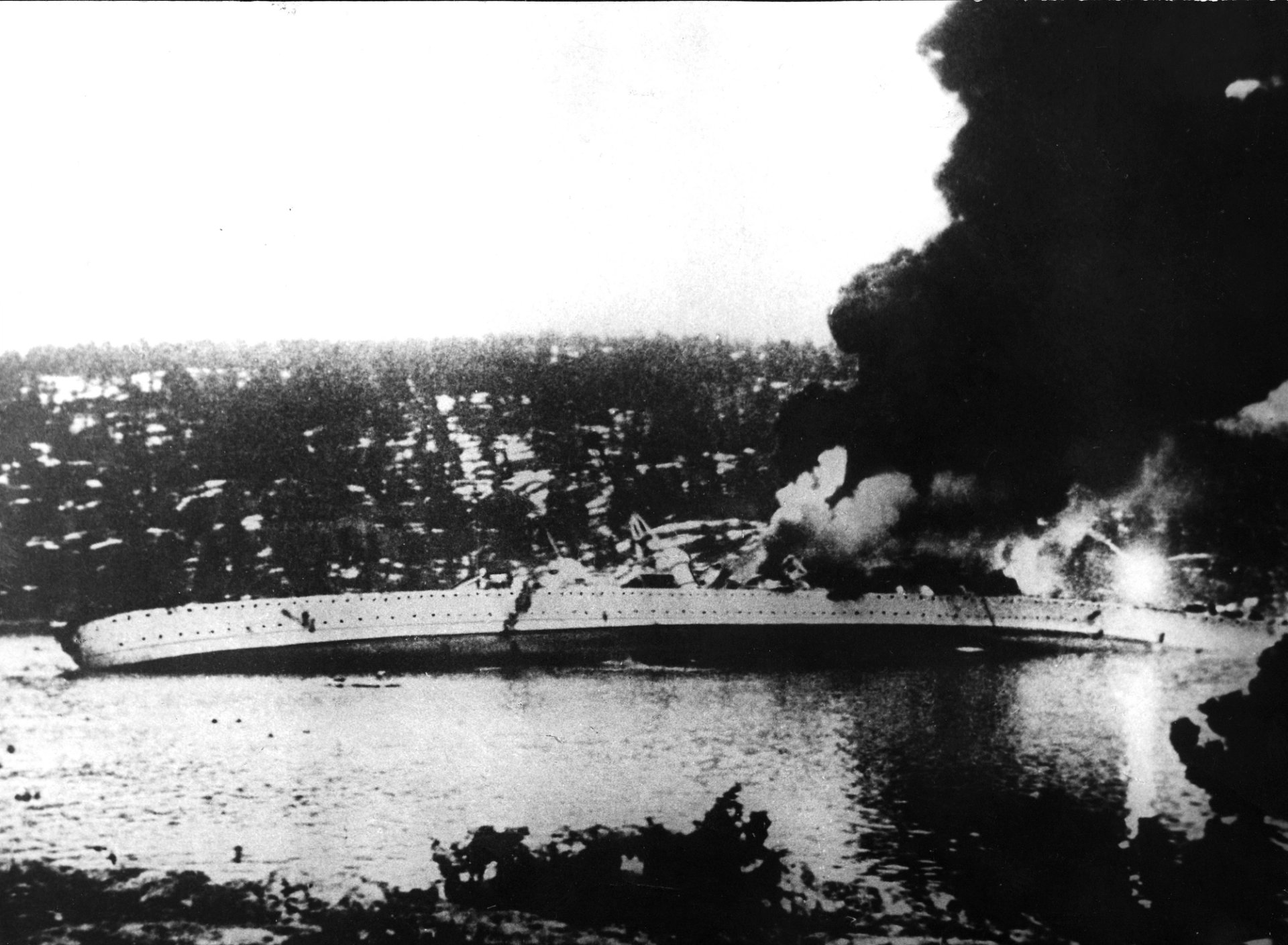
Narvik was captured by German troops on the morning of 9 April 1940. Their objective was to gain control of the iron ore that was shipped out from the Kiruna mine – a critical resource for the German arms industry. The Norwegian 6th Division fought the Germans under the command of Major General Carl Gustav Fleischer, and after some time received support from the British Navy and French and Polish troops. They recaptured Narvik on 28 May 1940.
However, by 9 June German soldiers had made a new advance. The situation in France was critical, and the Allies decided to transfer their troops there. Without Allied support it was impossible to continue the military campaign in Norway. King Haakon took the difficult decision to flee from the country. He travelled to London together with Crown Prince Olav and members of the Norwegian Government, and established a Norwegian government-in-exile there.
Major Polish effort
Minister of Defence Ine Eriksen Søreide made special mention of the volunteer Polish troops today. After Poland was invaded in September 1939, the fighting spirit was high, and 5 000 soldiers from the Polish brigade-in-exile fought in Narvik. Poland’s Deputy Prime Minister and Minister of National Defence Tomasz Siemoniak attended today’s events.
Commemorative medallions
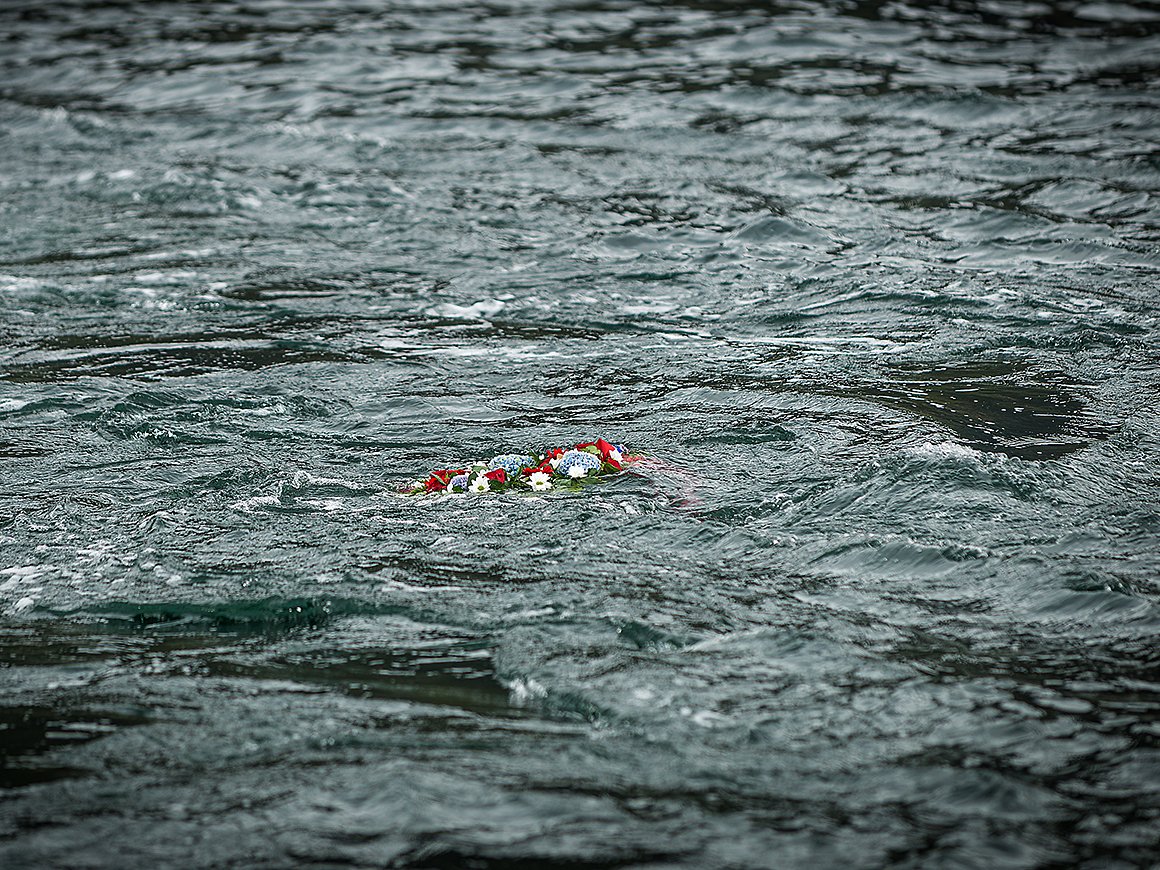
Narvik Mayor Tore Nysæter presented commemorative medallions to the war veterans in recognition of their service in 1940. Wreath-laying ceremonies were also held today at the Freedom Monument in Narvik as well as at the national commemorative markers all of the countries – Poland, France, the UK and Germany. The Crown Prince Regent laid the wreath at the Norwegian marker.
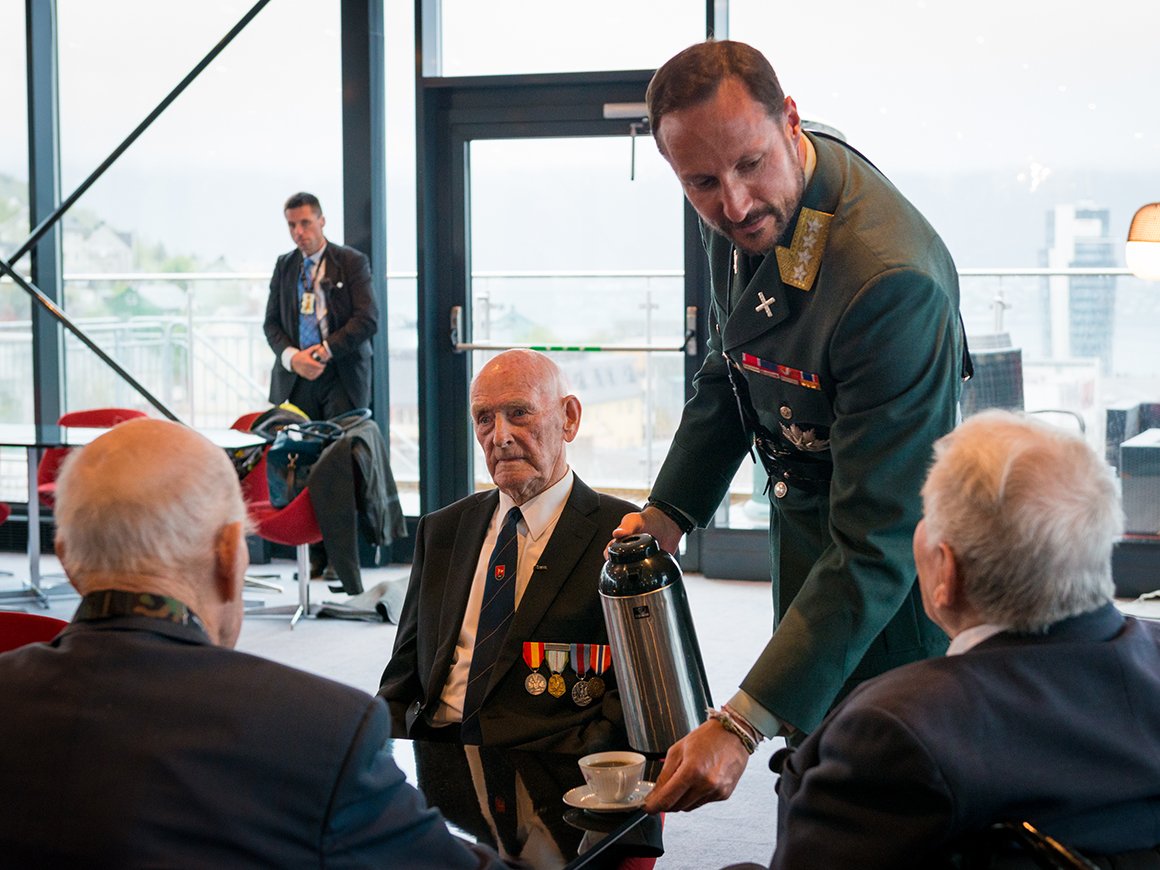
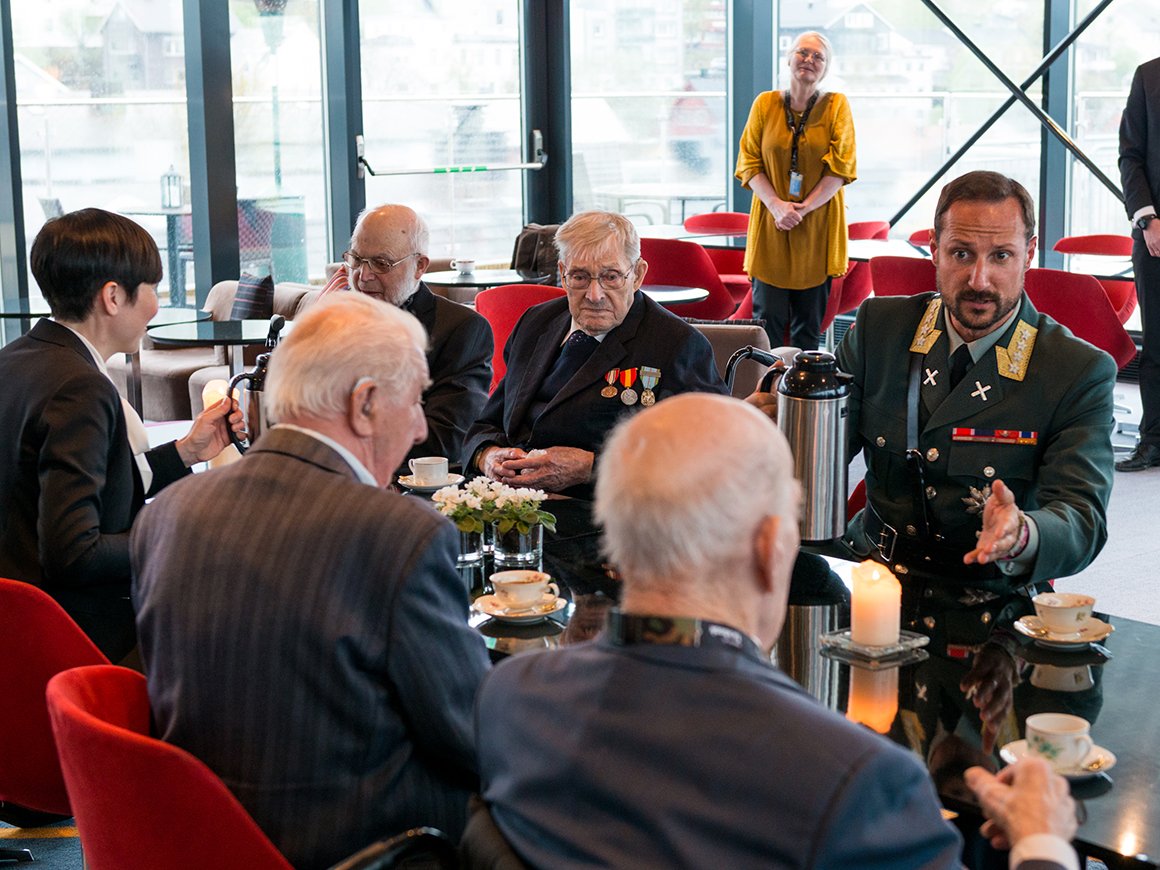
Crown Prince Haakon also had the opportunity to meet some of the veterans after the ceremony.
The start of something new
“This is a very important day and a key part of the national ceremonies we are holding this year,” said the Minister of Defence to the Norwegian Broadcasting Corporation today. “It both marks an historic event and represents the start of something new, namely that Polish, British, French and Norwegian soldiers fought shoulder to shoulder. It was a symbol of the allied solidarity that has since become part of the basis for NATO today.”
The Royal Family and World War II
Showing 8 of 56