Skip to content

Visit to the Mogao Caves

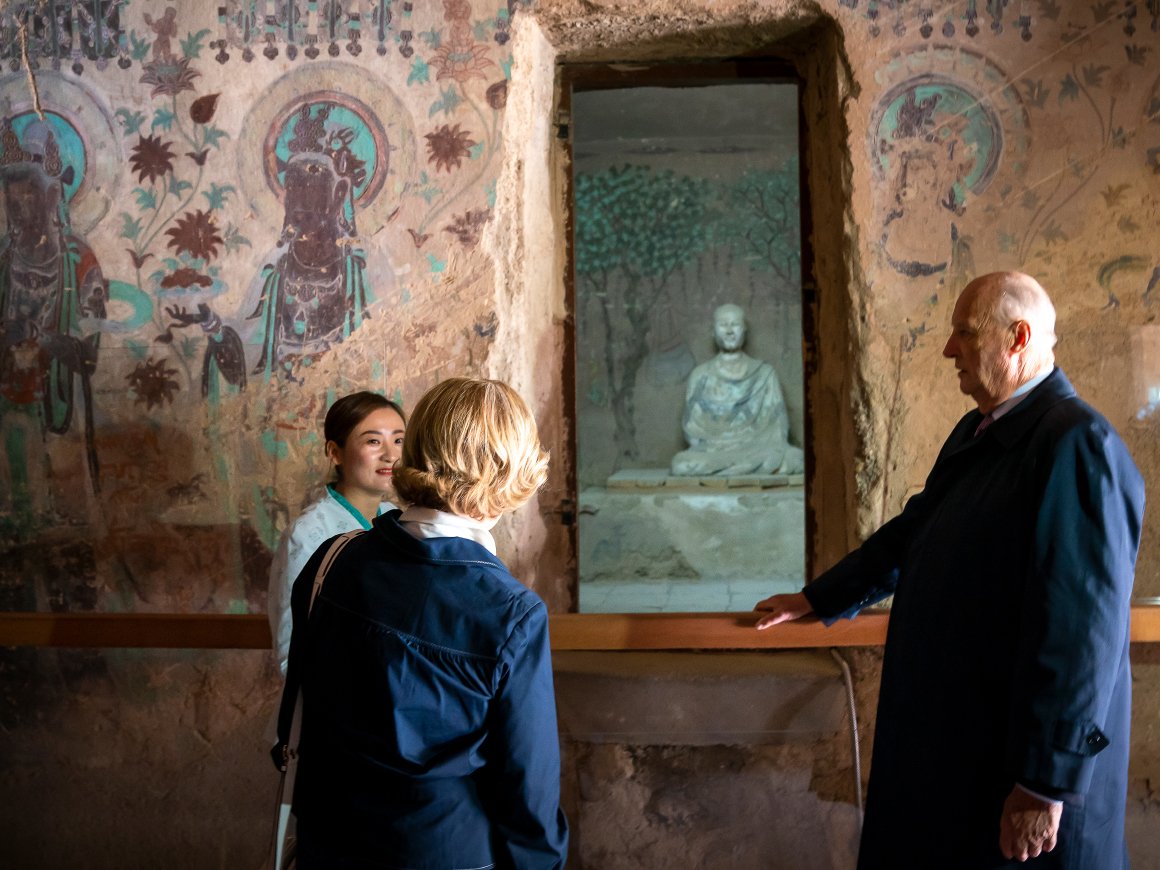
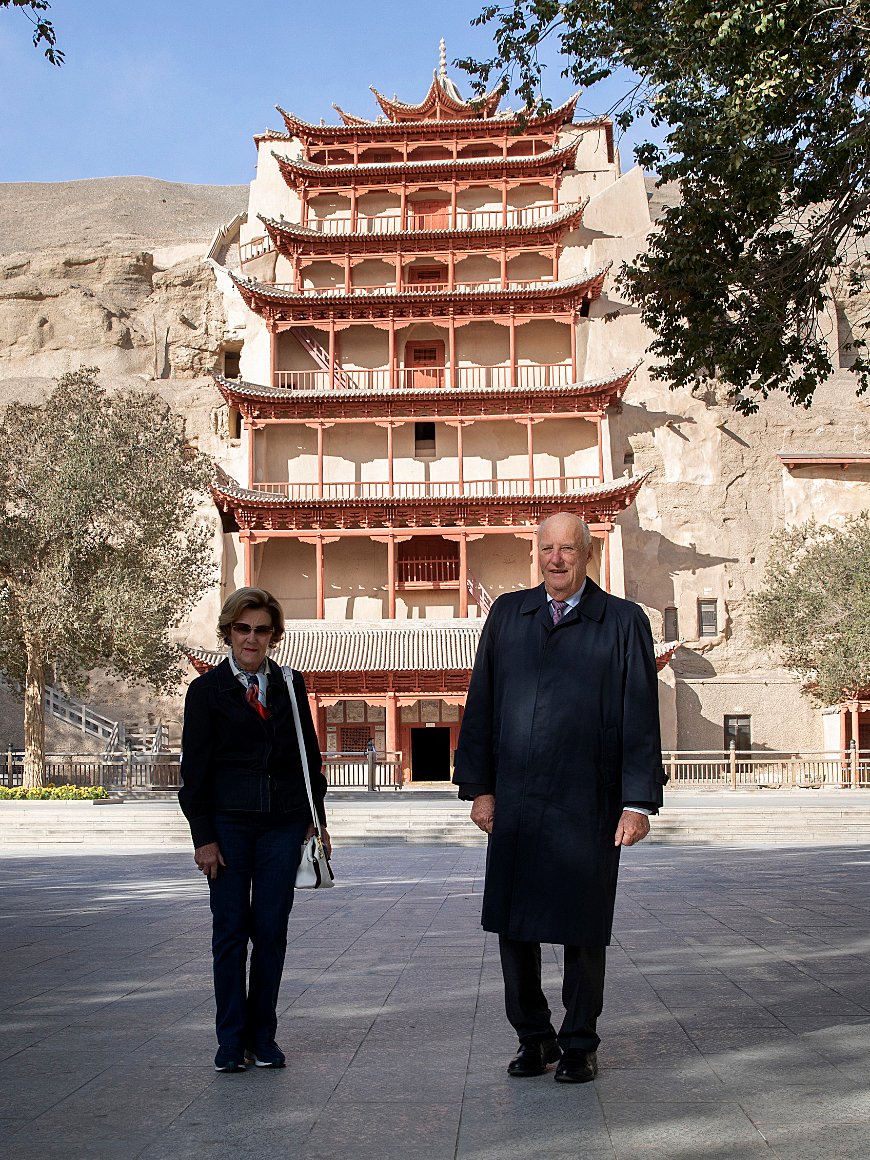
To be listed as a world heritage site, a place must fulfil one of six criteria. The Mogao Caves fulfil all six. Today, Their Majesties The King and Queen were given the opportunity to visit this extraordinary place.

October 13, 2018

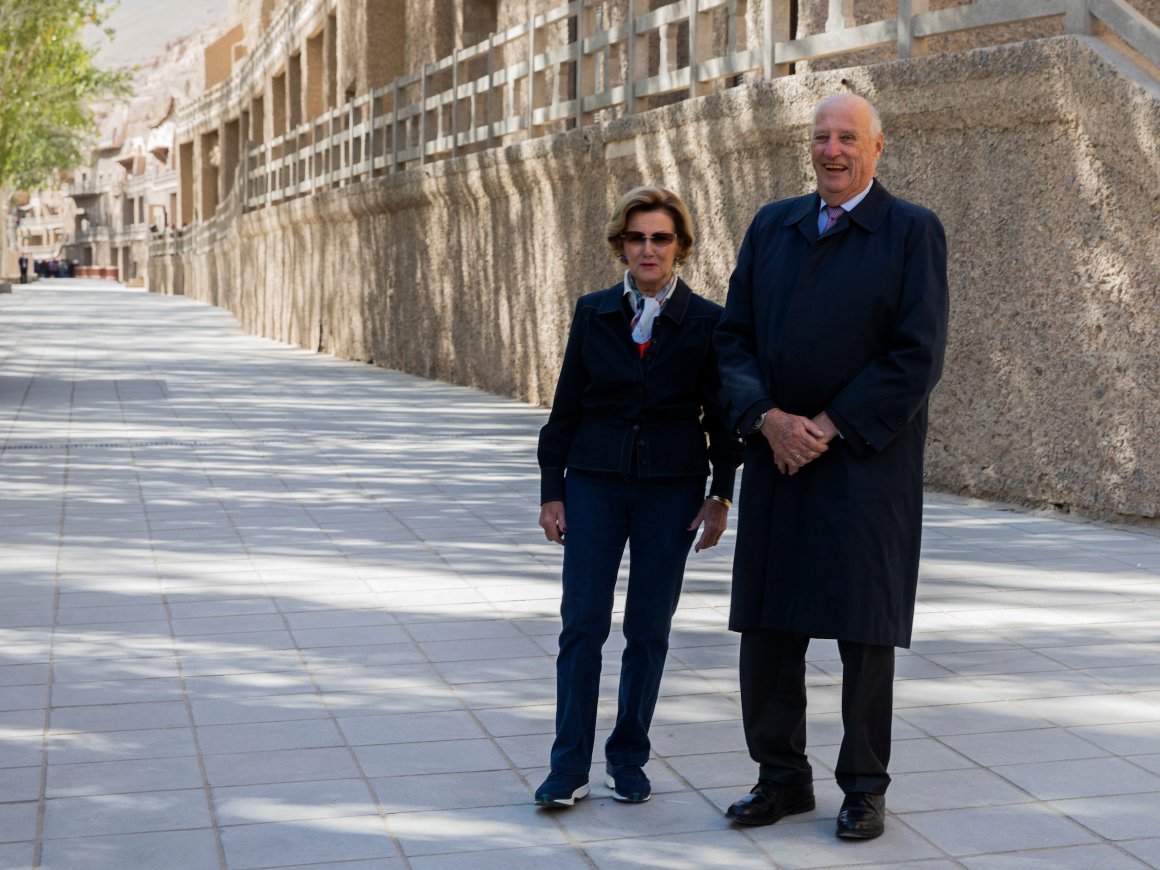
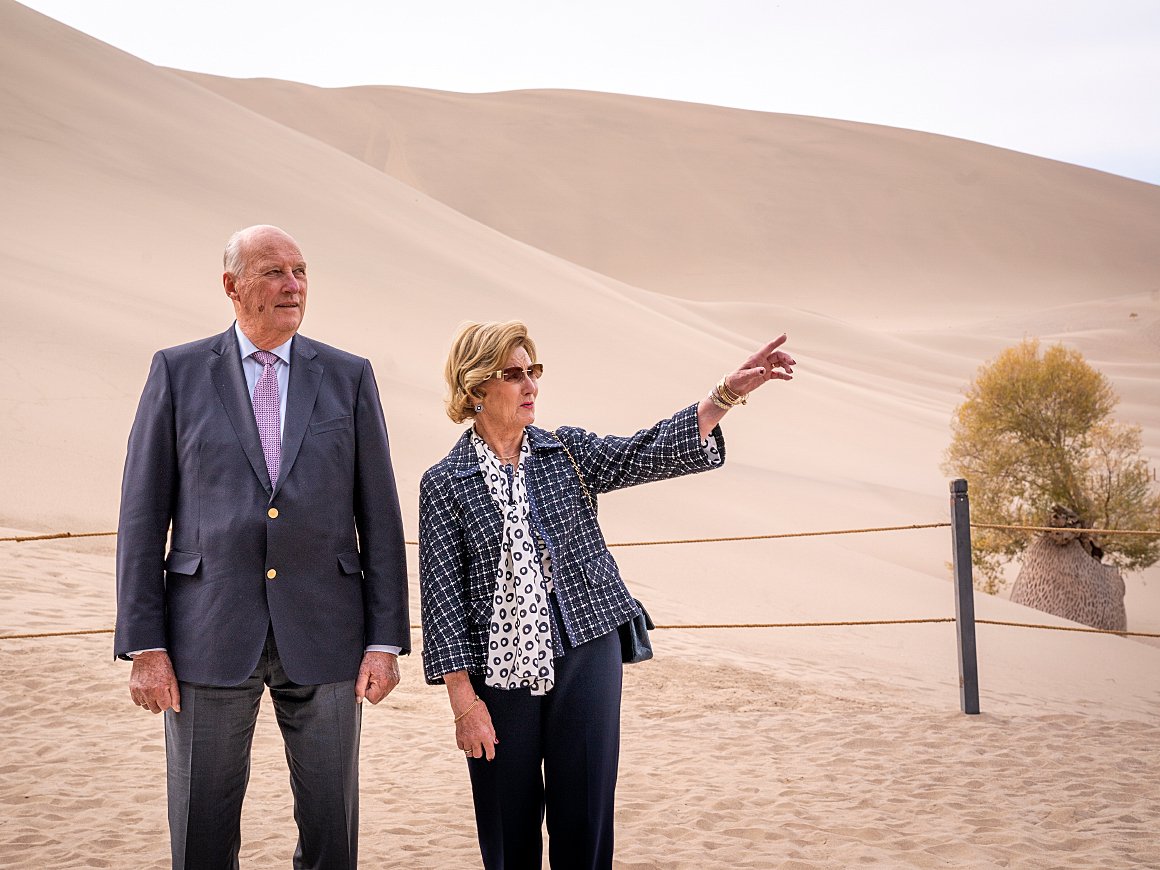
The King and queen visit the Mogao Caves. Photo: Heiko Junge, NTB scanpix

Their Majesties are in Dunhuang, in China’s north-western province of Gansu. Dunhuang is an ancient city of major cultural significance that once was an important stopover for traders and pilgrims along the Silk Road. Ideas and other cultural impulses from East and West converged there as travellers from India, Europe, Central Asia, Iran and Mongolia came and went.

Their Majesties visit the Mogao Caves. Photo: Heiko Junge, NTB scanpix


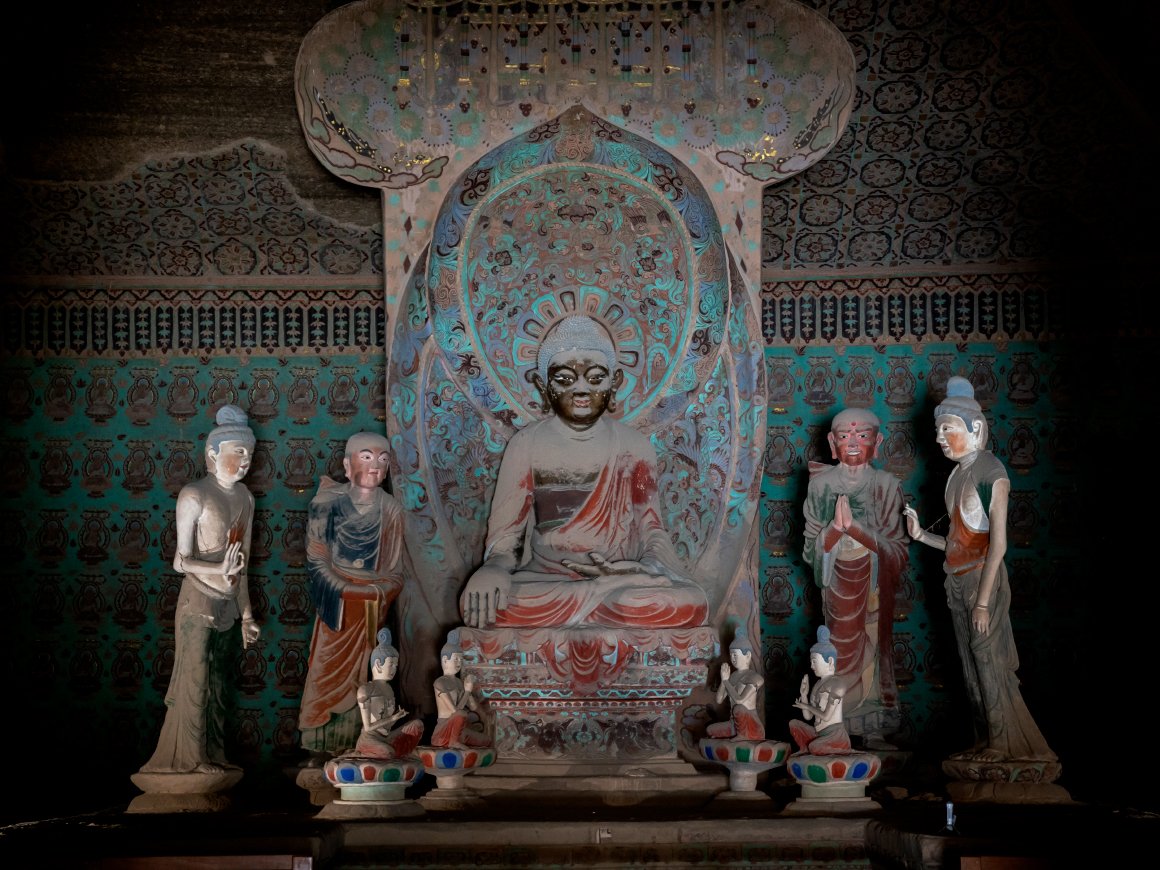
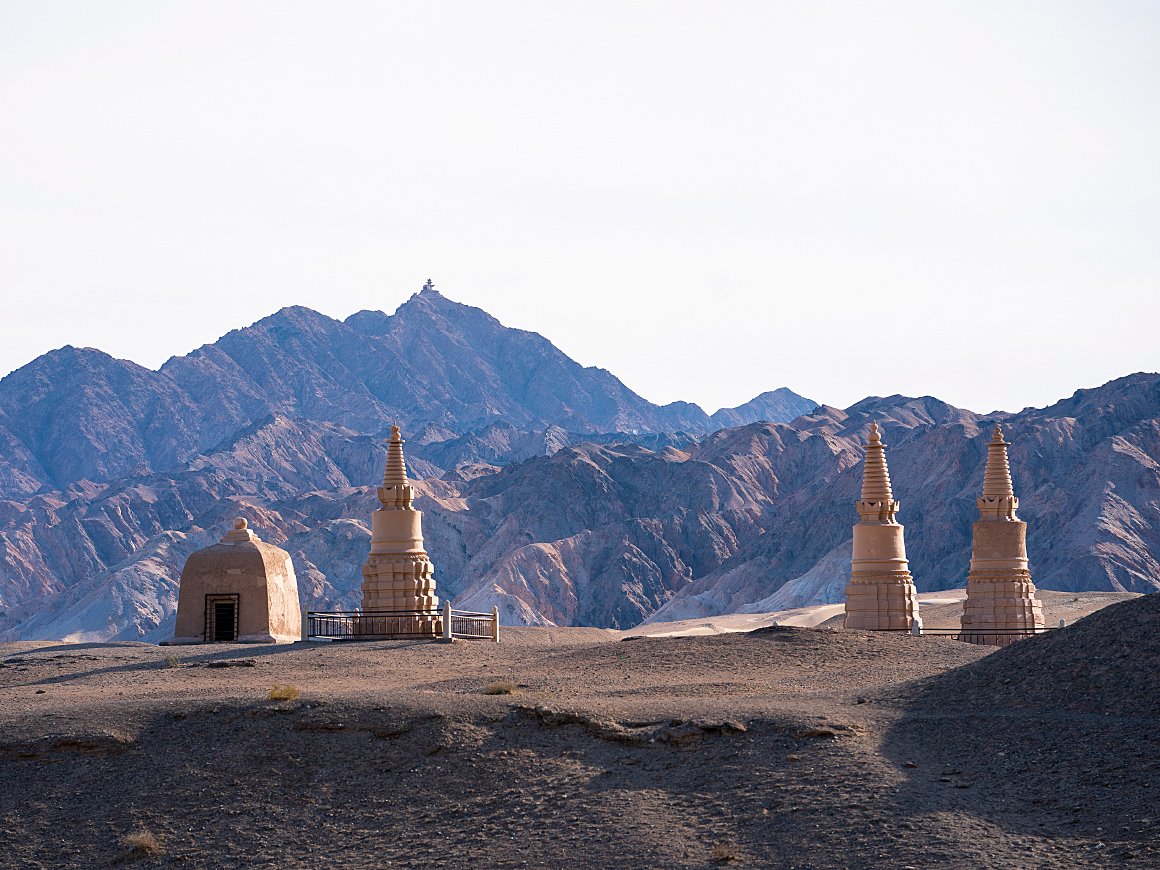
The Mogao Caves are a short distance outside the city. There, generations of monks and pilgrims created one of the largest collections of Buddhist art, sculpture and architecture over a period of about 1,000 years, starting in the fourth century. Today, 492 caves have been preserved. In 1987 the caves were placed on the UNESCO World Heritage List.

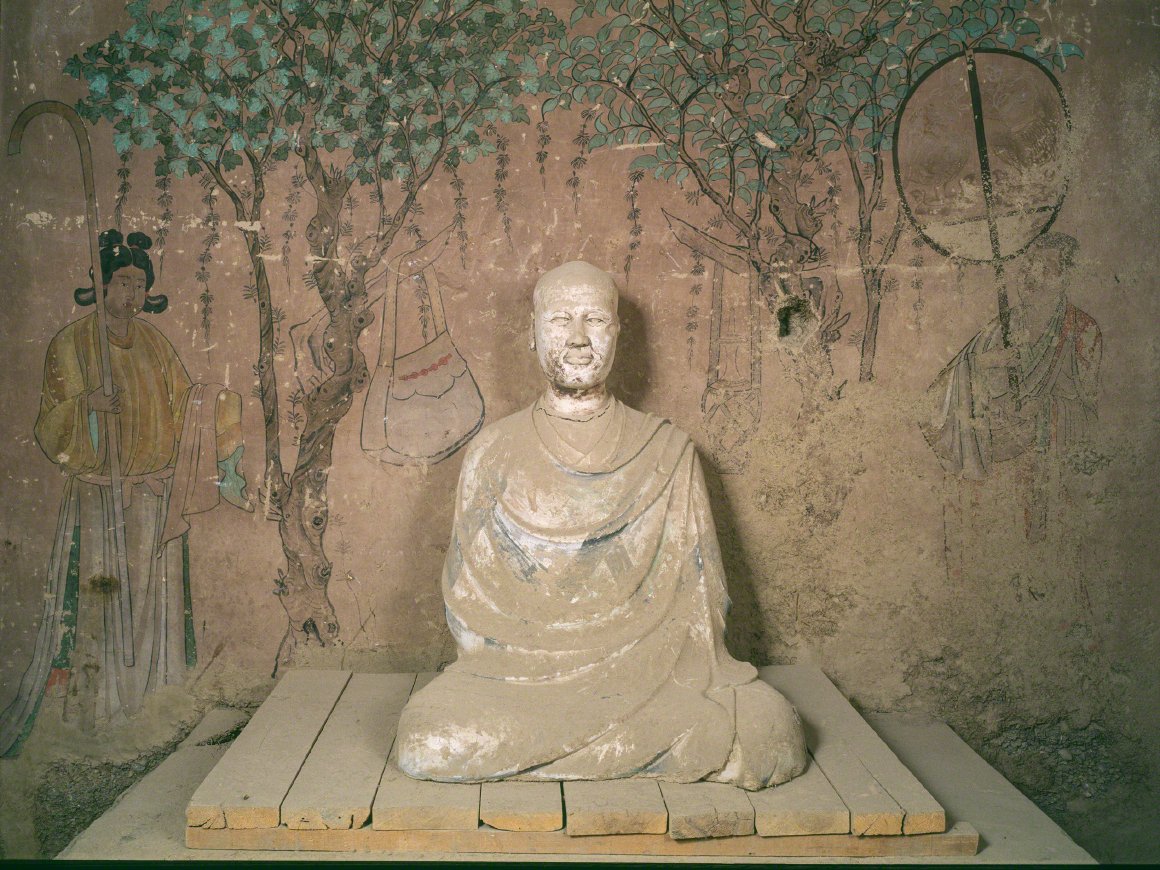
The King and Queen received a tour of several of the caves today, including the Library Cave, where a large number of texts dating from between 600 and 1200 were found. The texts are of immeasurable value in the study of Chinese and Central Asian history.

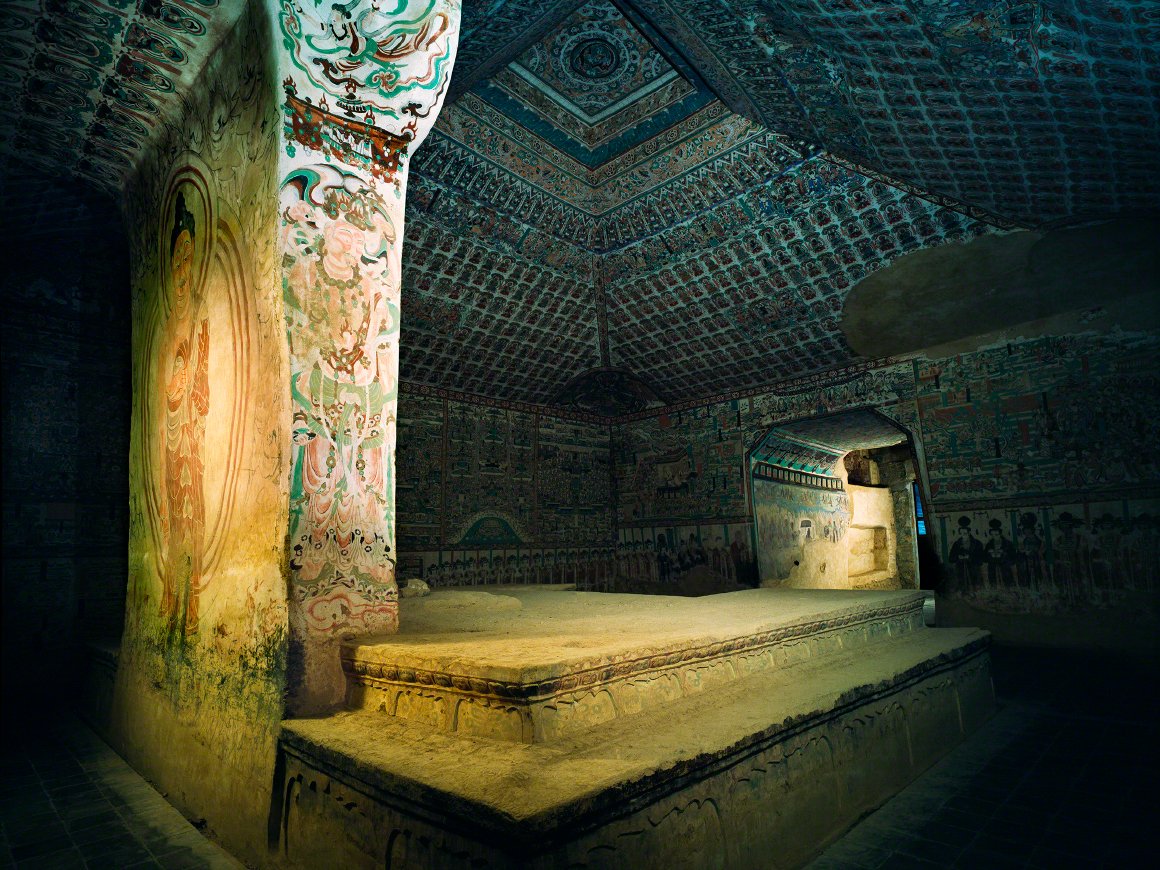
The entrance to cave 17, was discovered inside cave 16. Photo: Wu Jian 吴健, pictures provided by Dunhuang Academy.

Sustainable tourism

Surrounded by desert, the Mogao Caves have survived sandstorms and other harsh weather conditions for more than 1 500 years. Now they face a new challenge: the large increase in the number of tourists seeking to experience the place.

Tourism is a crucial industry in Dunhuang, but it is important to maintain balance by protecting the caves as great cultural assets. Measures have therefore been imposed to control the flow of tourists and reduce time spent inside the caves.
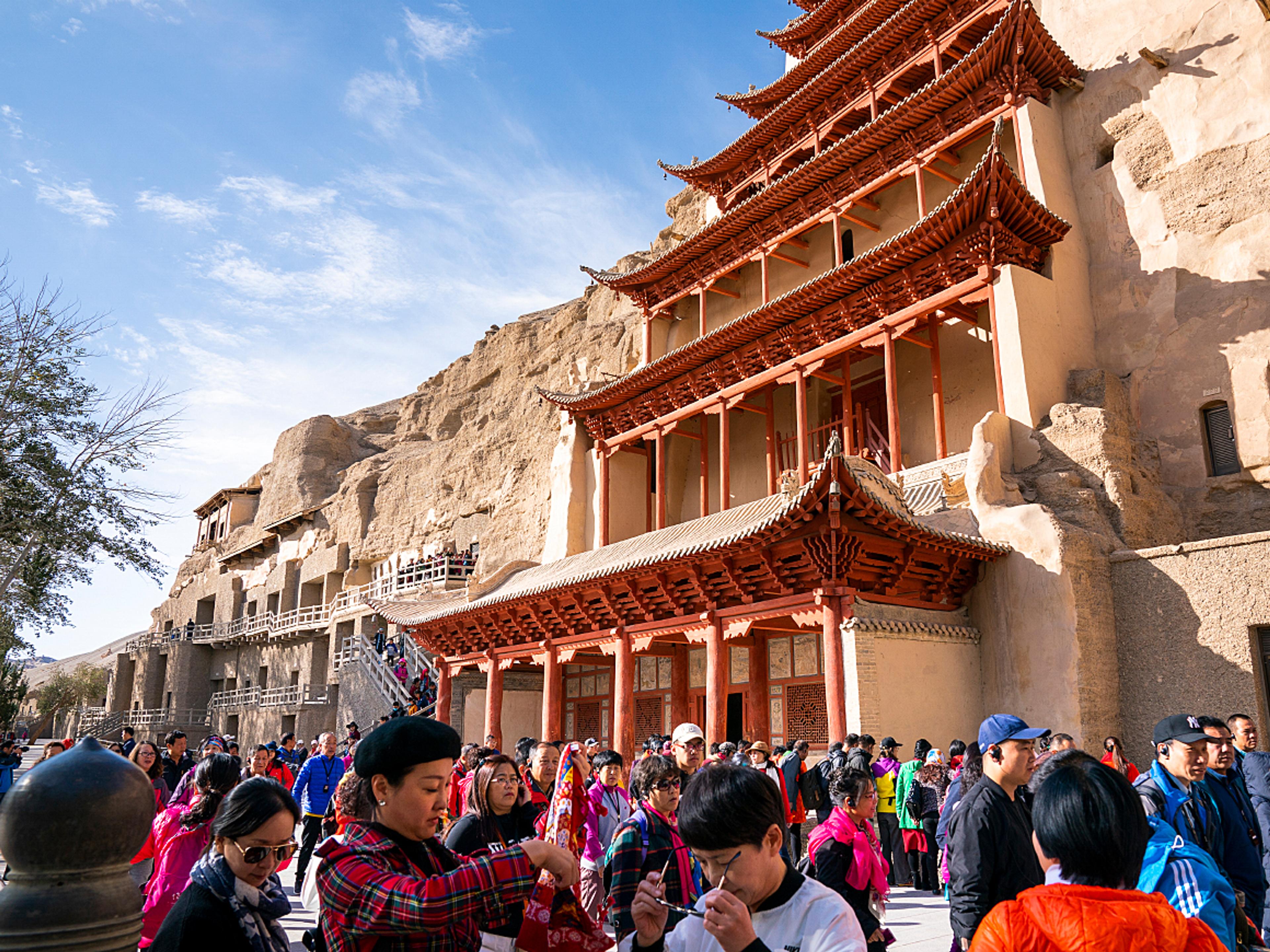
Many tourist wish to visit the Mogao Caves. Photo: Heiko Junge, NTB scanpix

Dunhuang Academy is undertaking a major effort to digitise the caves and make them available to both Chinese and international audiences, using images, videos and virtual reality via the web.
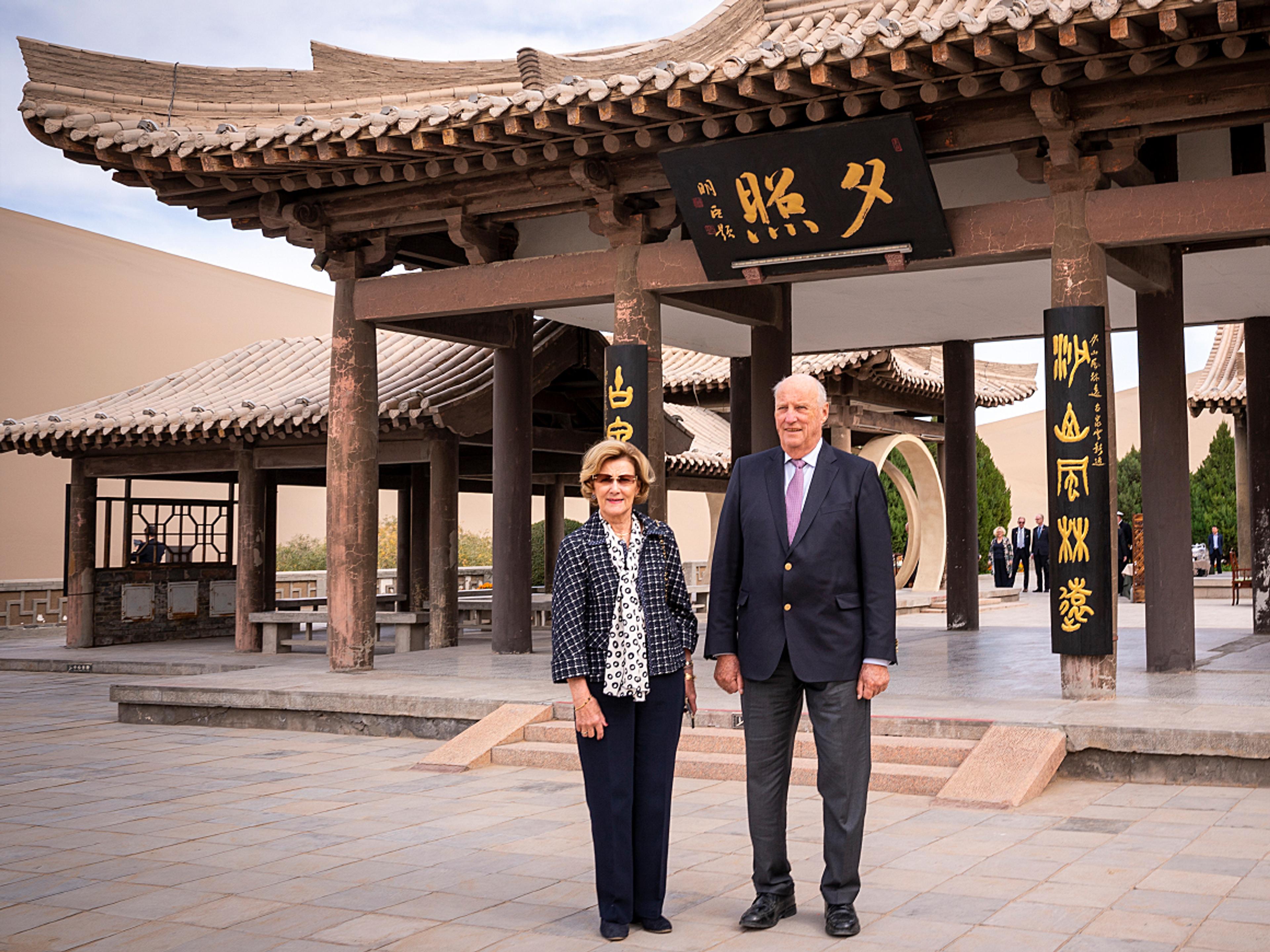
The visit ended with lunch in the pagoda at Yueyaquan, a crescent-shaped freshwater spring in the desert outside Dunhuang. Photo: Heiko Junge, NTB scanpix

Onwards to Beijing

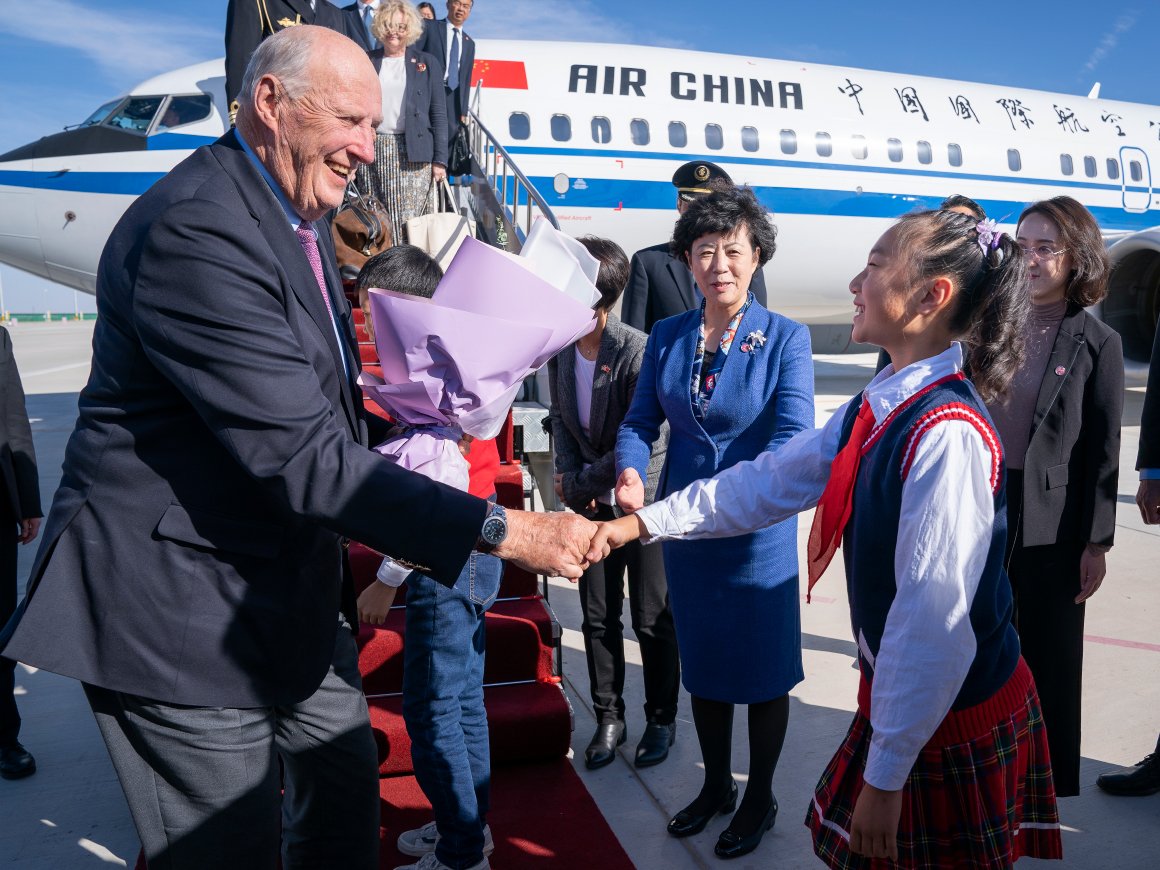
This afternoon, the King and Queen left Gansu Province and headed for the capital, Beijing. There they were officially welcomed by representatives of the Chinese government.
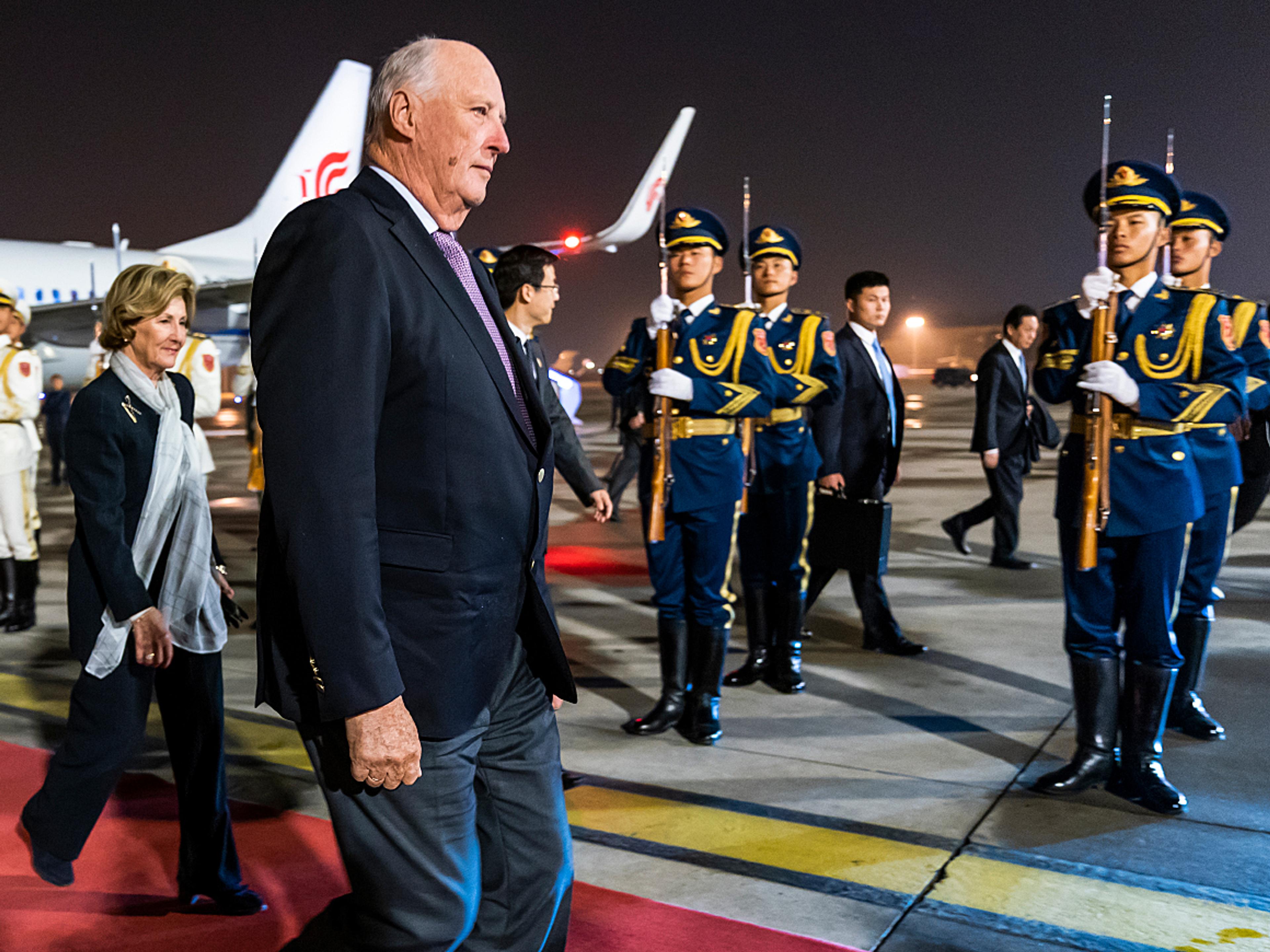
A Chinese honour guard greets the King and Queen upon arrival. Photo: Heiko Junge, NTB scanpix


On Monday morning the official programme will continue, highlighting developments in social welfare and winter sports.
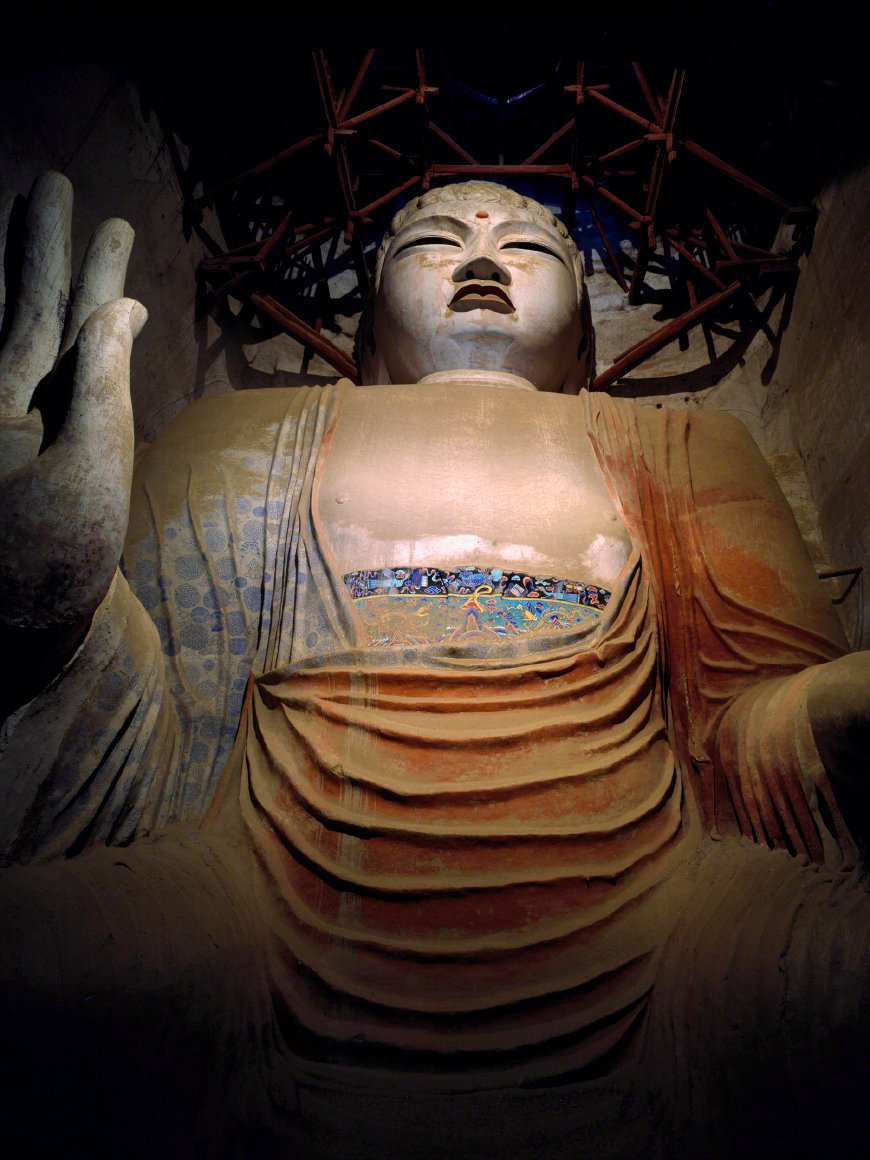
In cave 96 there is a statue of Buddha - 27 meters tall and one of the largest in China. Photo: Wu Jian 吴健, pictures provided by Dunhuang Academy.
The King and Queen visit the Mogao Caves. Photo: Tom Hansen / hansenfoto.no
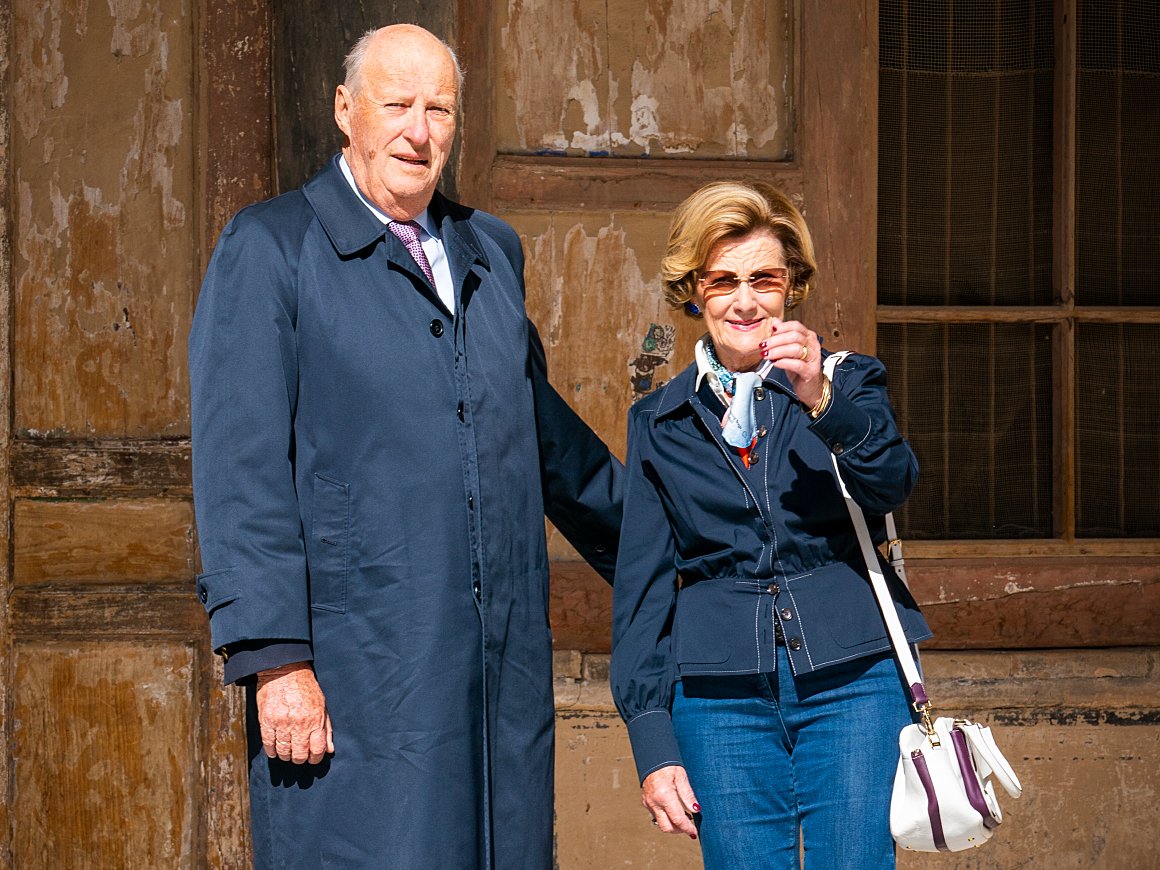
King Harald and Queen Sonja visit the Mogao Caves. Photo: Heiko Junge, NTB scanpix
From cave 17: There are more than 2 000 painted sculptures in the Mogao Caves. Photo: Wu Jian 吴健, pictures provided by Dunhuang Academy.
There are more than 45 000 square meters of murials and 2 000 painted sculptures in the Mogao Caves. Photo: Heiko Junge, NTB scanpix
King Harald and Queen Sonja visit the Mogao Caves. Photo: Heiko Junge, NTB scanpix
The Mogao Caves are home to one of the largest collections of Buddhist art, sculpture and architecture in the world. Photo: Heiko Junge, NTB scanpix
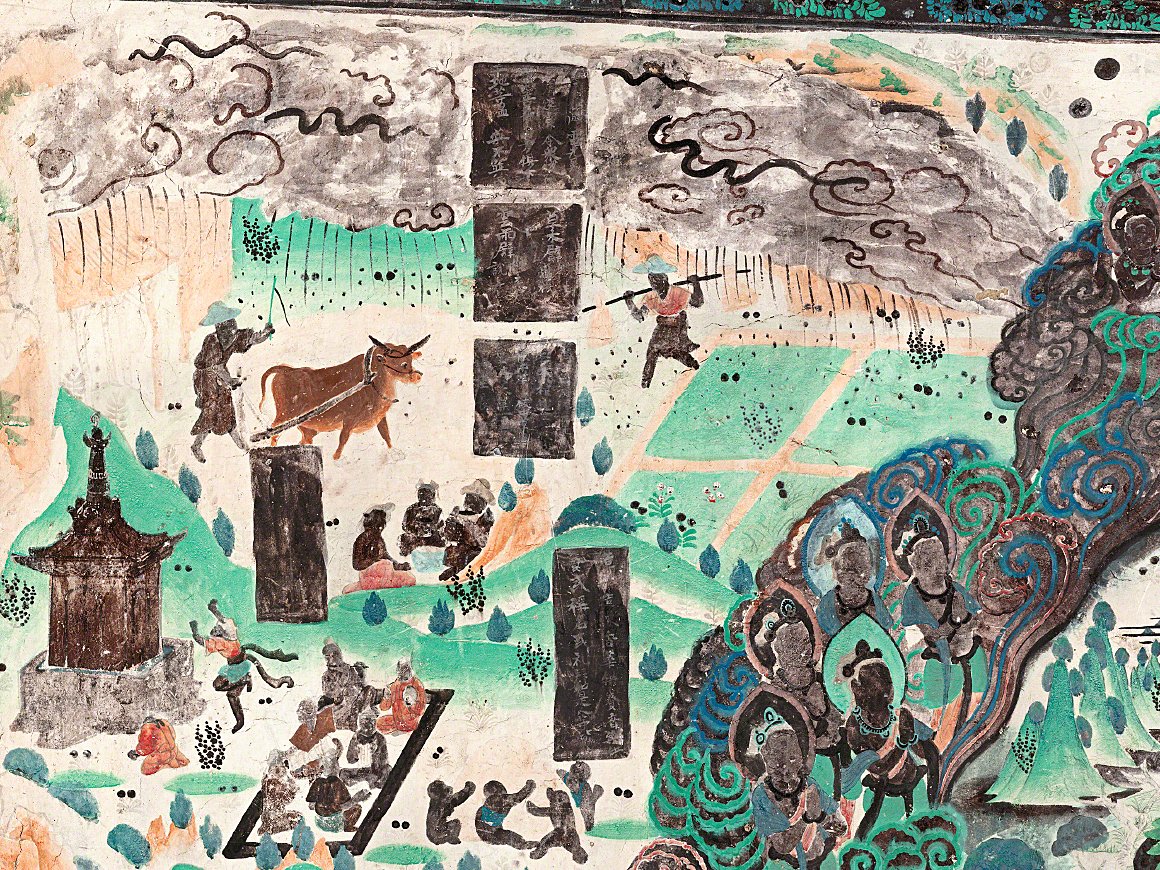
Cave 23 is decorated with stories from the Lotus Sutra. Photo: Wu Jian 吴健, pictures provided by Dunhuang Academy.
From cave 61. Photo: Wu Jian 吴健, pictures provided by Dunhuang Academy.
The King and Queen visit the Mogao Caves. Photo: Tom Hansen / hansenfoto.no
The King and Queen had lunch in the pagoda at Yueyaquan, a crescent-shaped freshwater spring in the desert outside Dunhuang. Photo: Heiko Junge, NTB scanpix

China 2018

Their Majesties The King and Queen conducted a state visit to the People's Republic of China from 11 until 19 October. Here you can follow their journey in pictures.
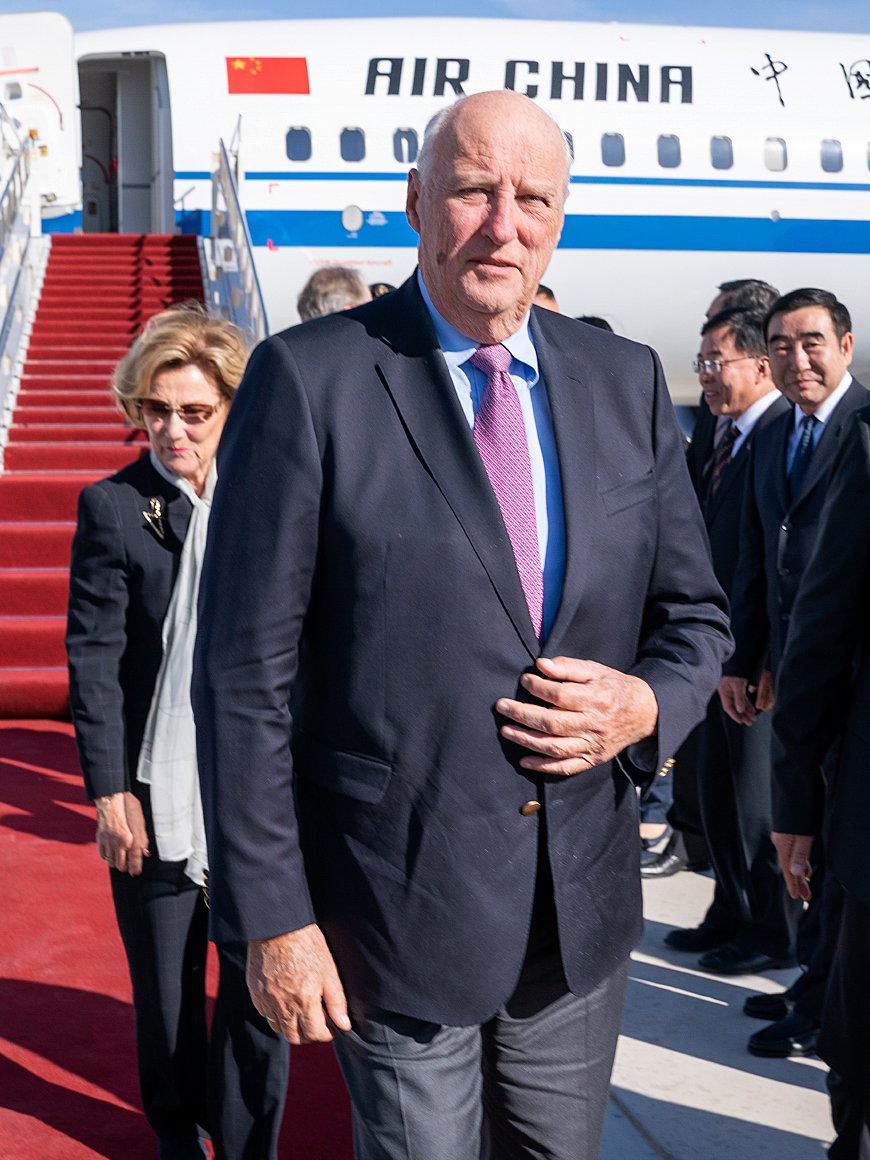
King Harald and Queen Sonja arrive in Dunhuang 11 October. Photo: Heiko Junge, NTB scanpix
This is their second state visit to China. The first took place in 1997. Photo: Heiko Junge / NTB scanpix
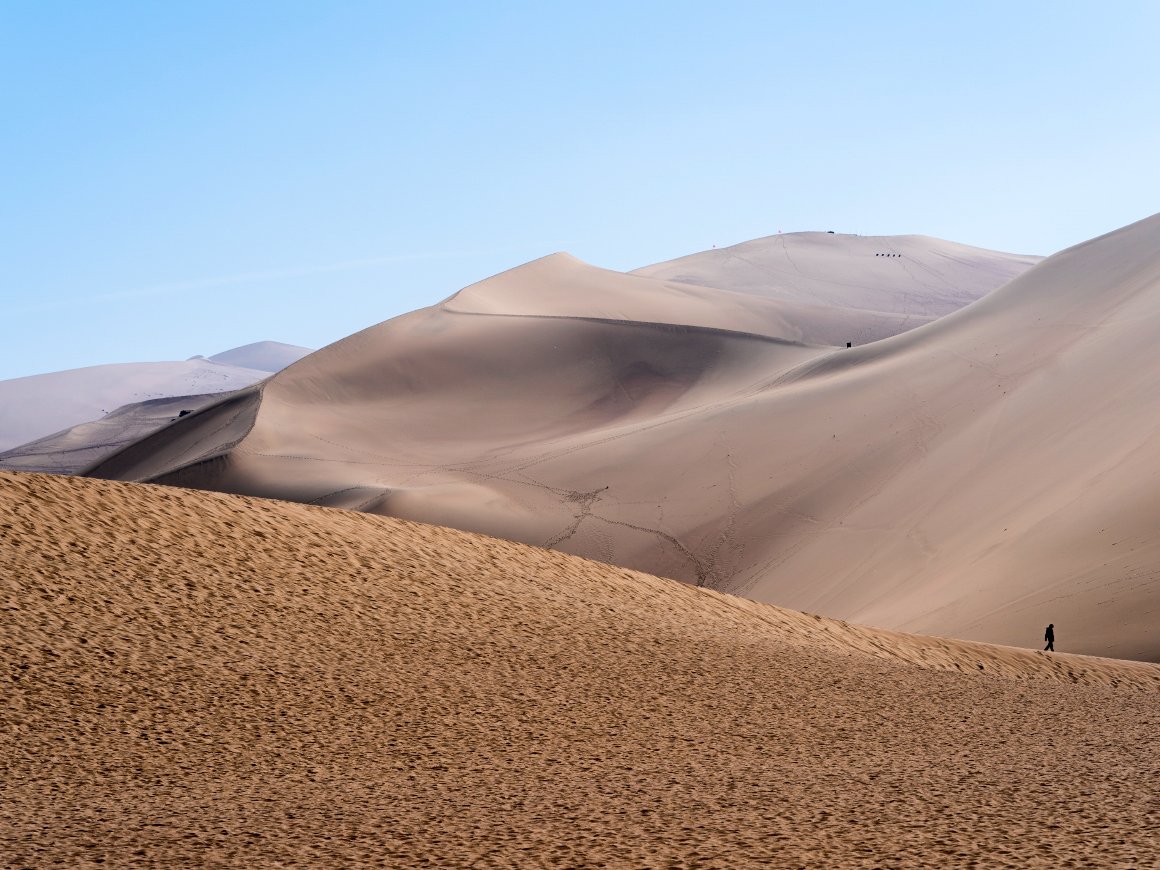
Dunhuang is surrounded by the Gobi and Taklamakan Deserts, and the sand dunes are a popular tourist attraction. Photo: Heiko Junge, NTB scanpix
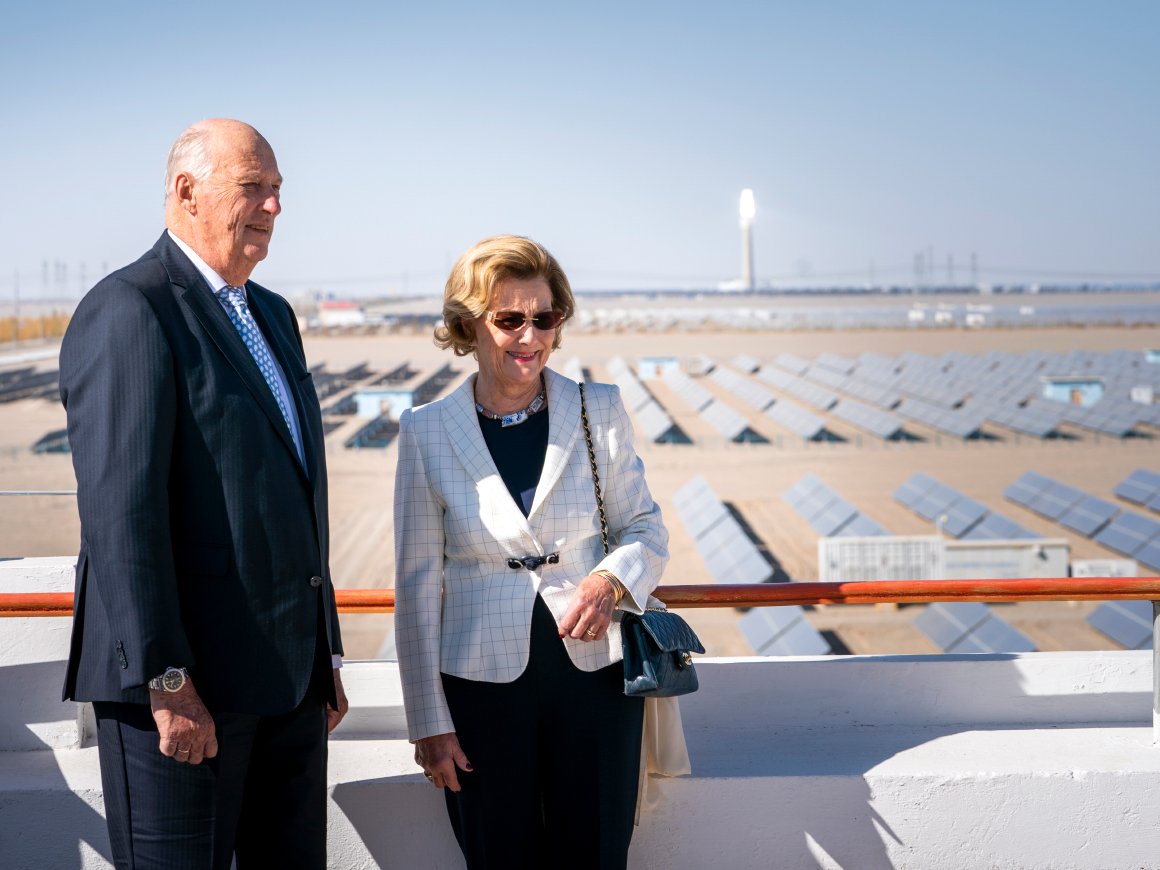
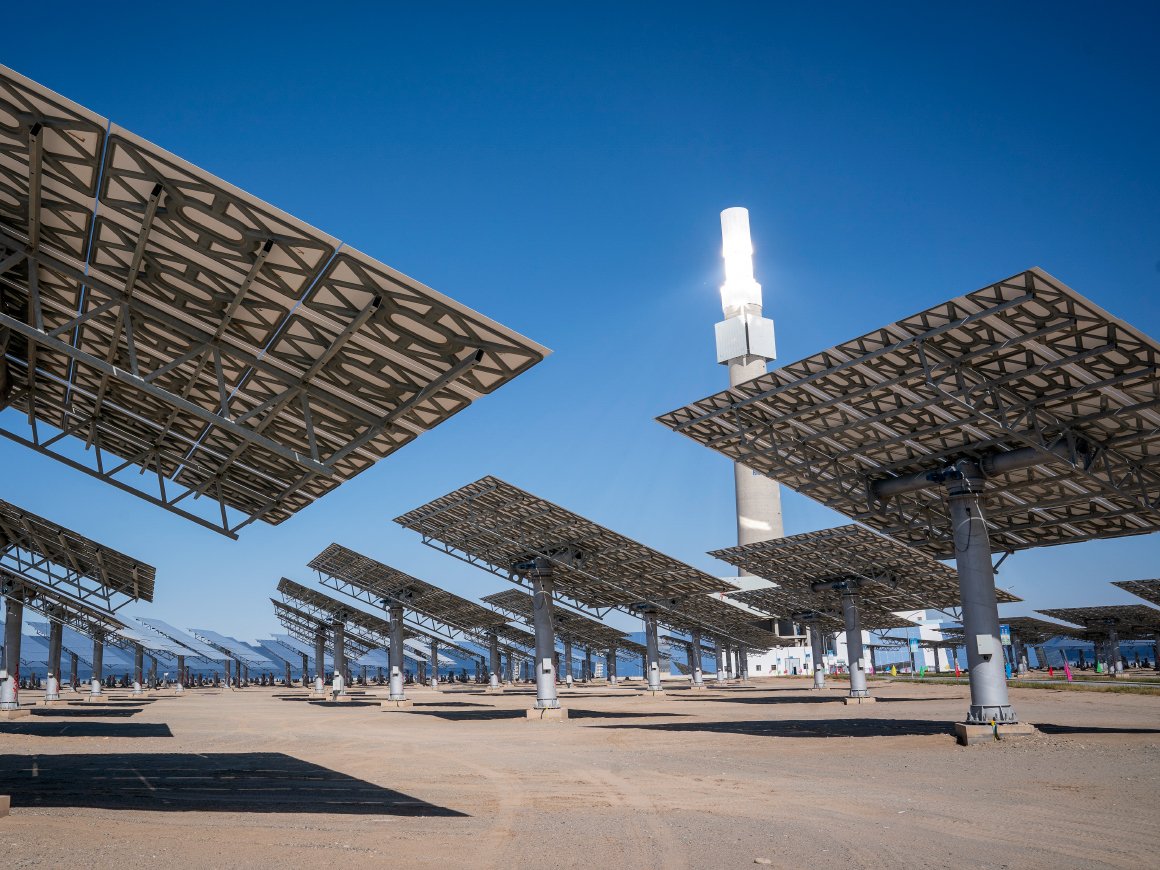
The first visit on Their Majesties' agenda was to Gansu Dunhuang Solar Park. Photo: Heiko Junge, NTB scanpix
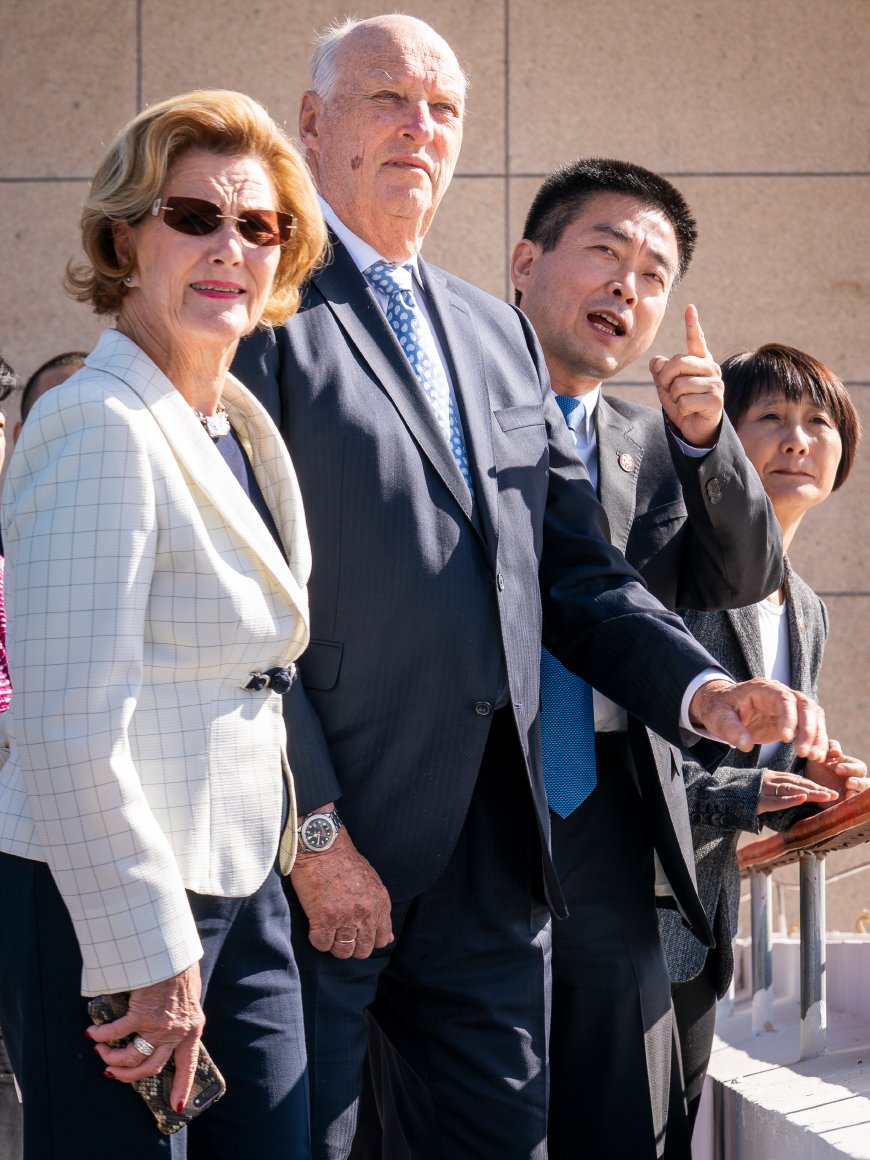
Mr Zhan Shun Zhou gave King Harald and Queen Sonja a tour of the huge solar park. Photo: Heiko Junge, NTB scanpix
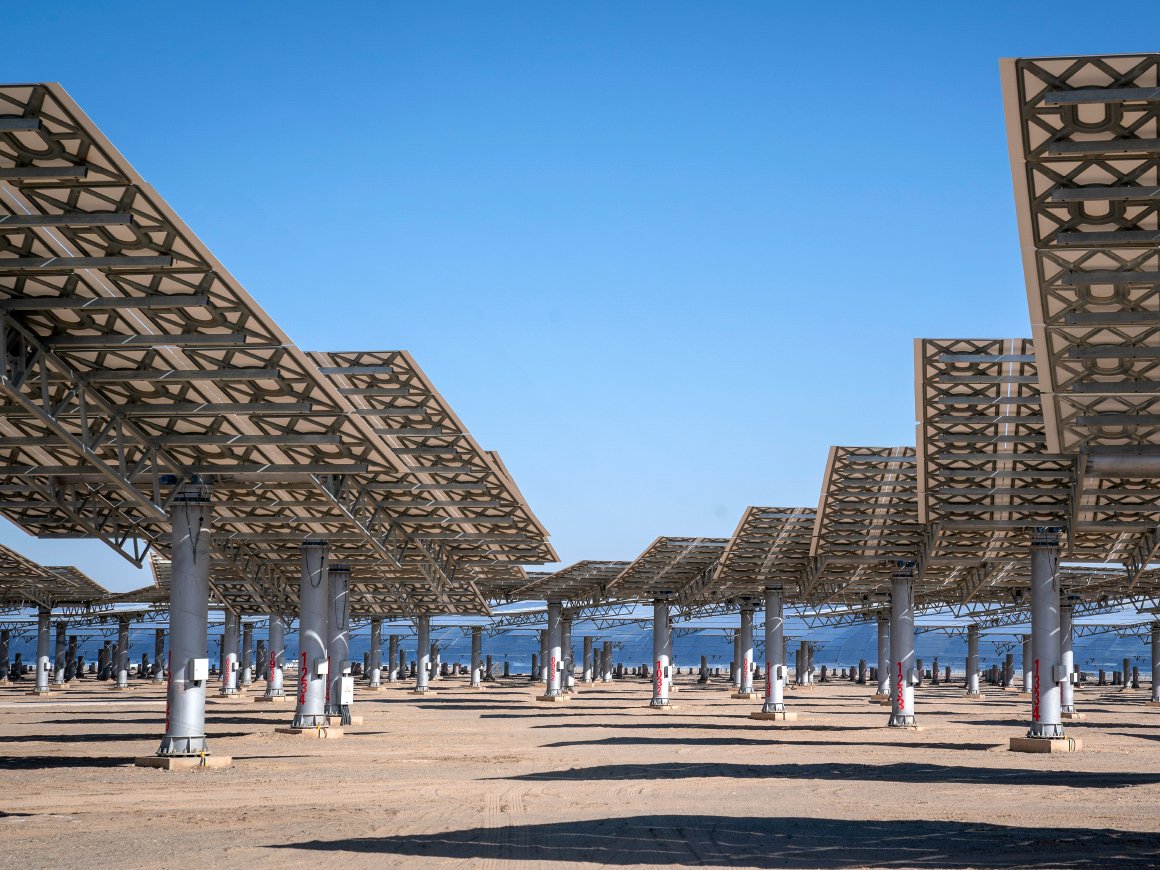
The Gansu Dunhuang Solar Park was China’s first large-scale solar power plant when it opened in 2010. Today, the plant supplies the electricity needs of 200 000 people. Photo: Heiko Junge, NTB scanpix
In 2017, China alone accounted for over half of all solar power capacity expansion, and the country is taking a leading role in global efforts to combat climate change. Photo: Heiko Junge, NTB scanpix
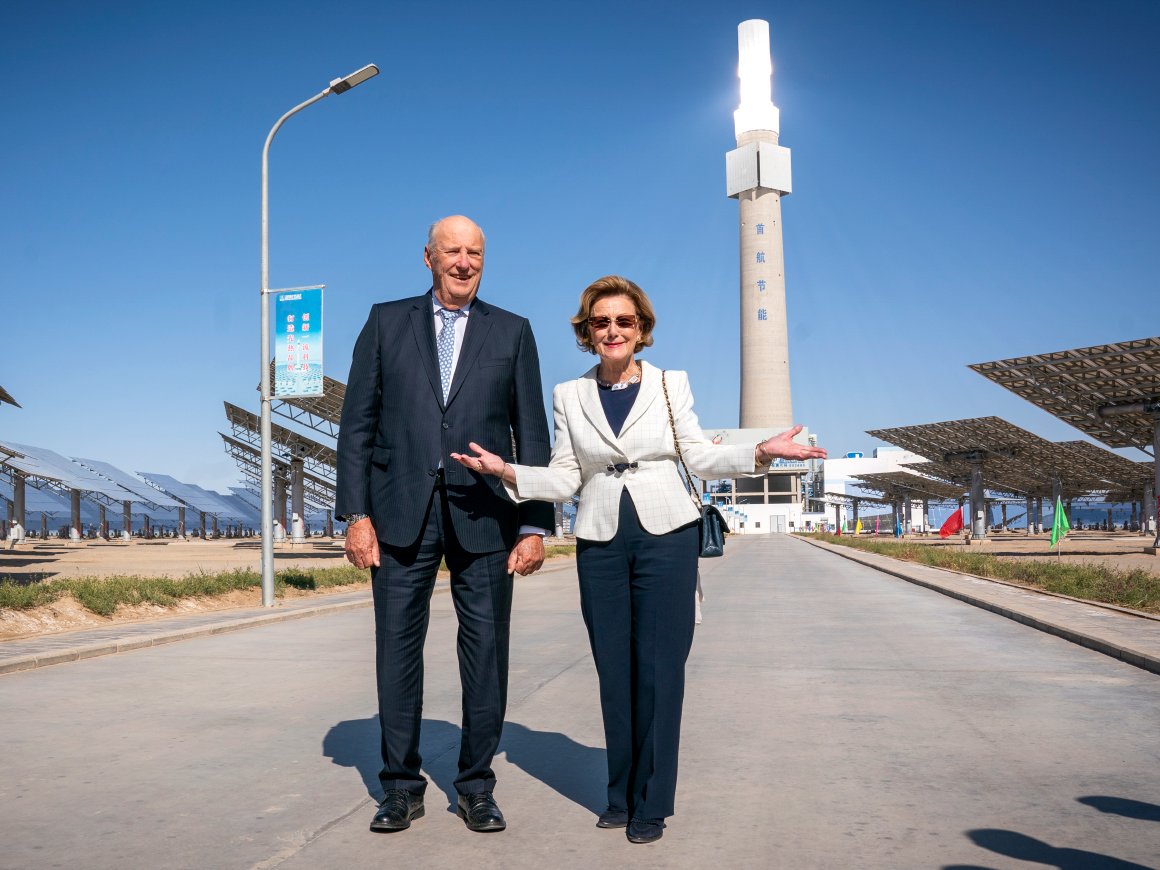
Surrounded by solar panels in Dunhuang. Photo: Heiko Junge, NTB scanpix

Showing 8 of 79