With UNAIDS in Tanzania
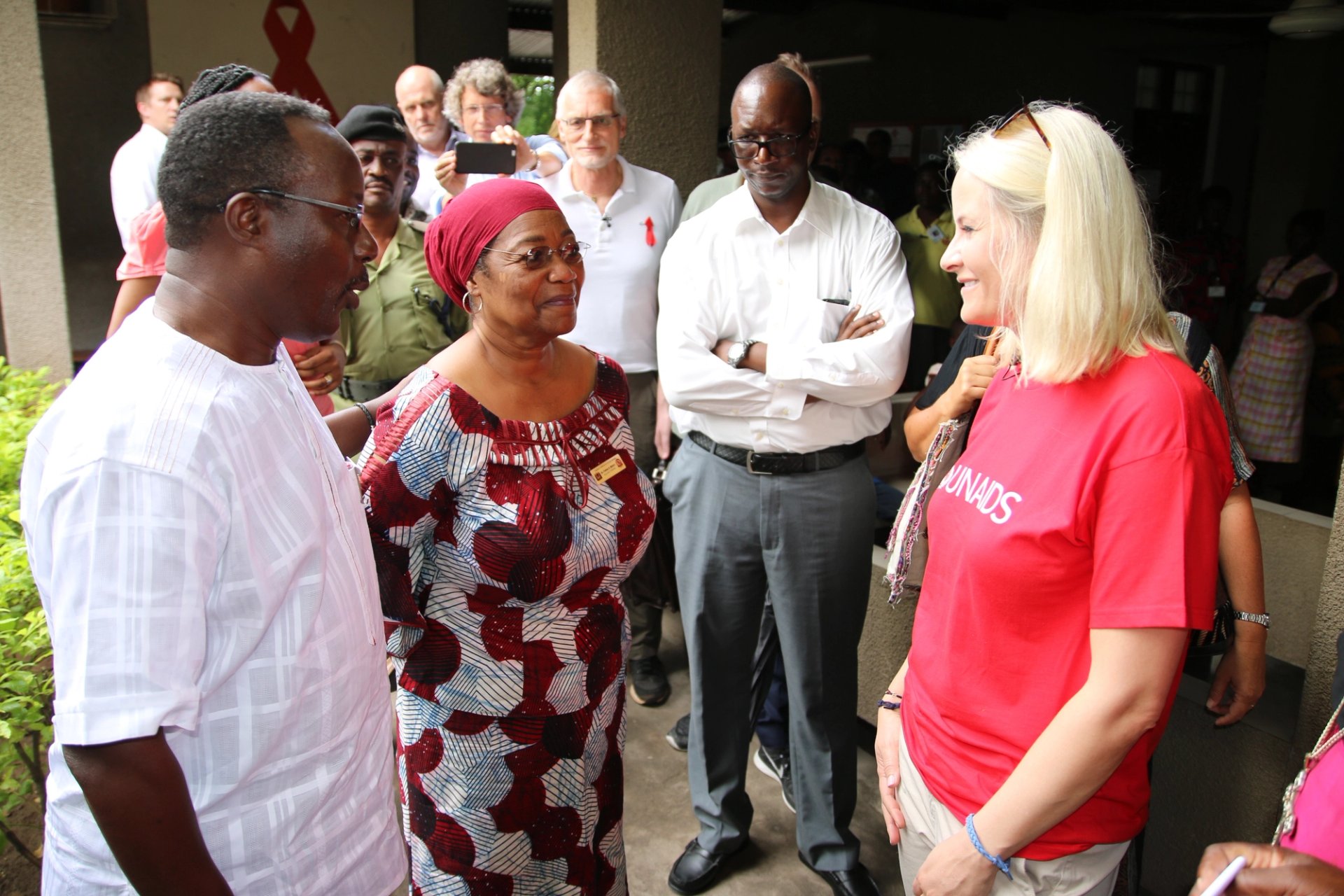
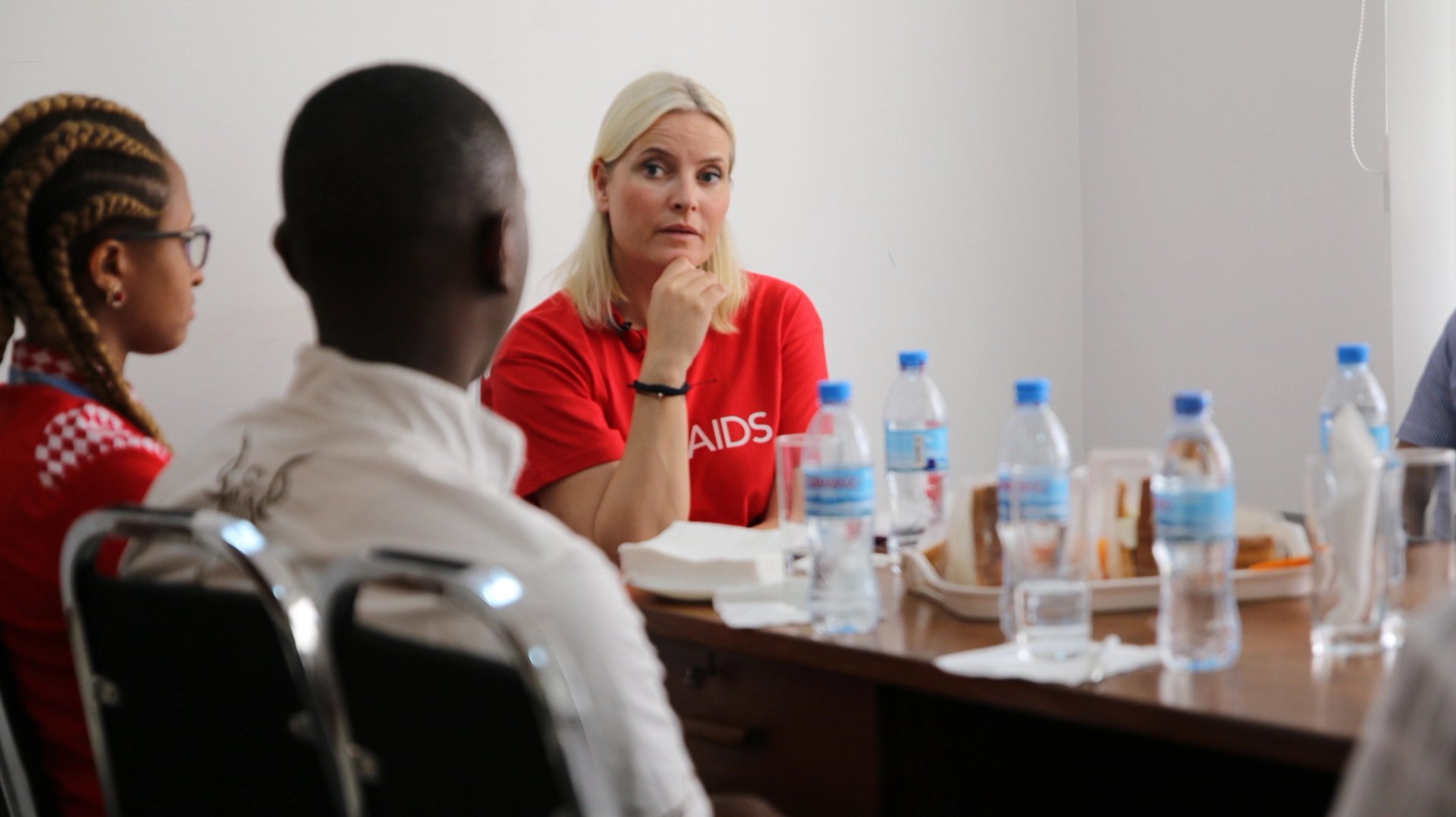
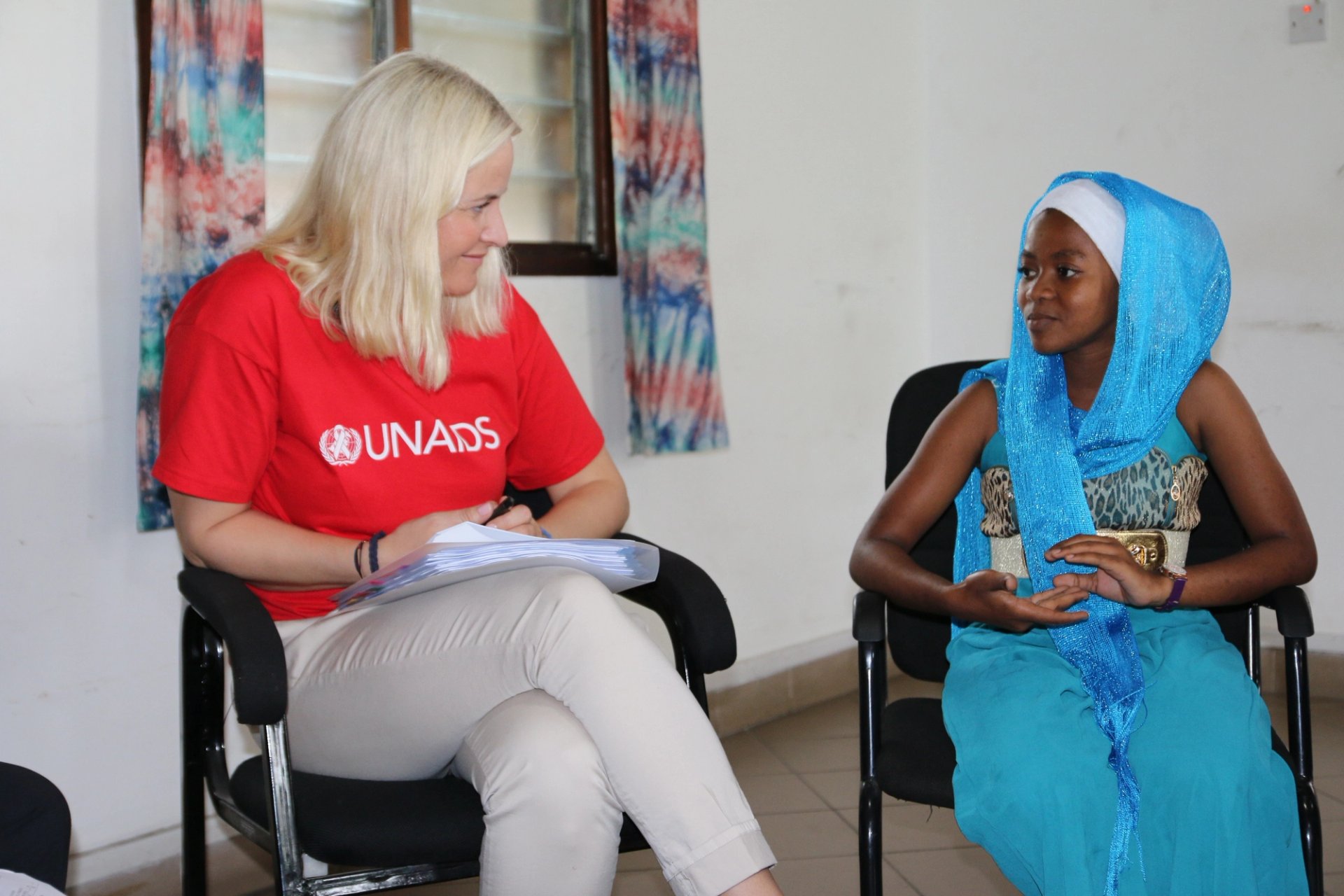
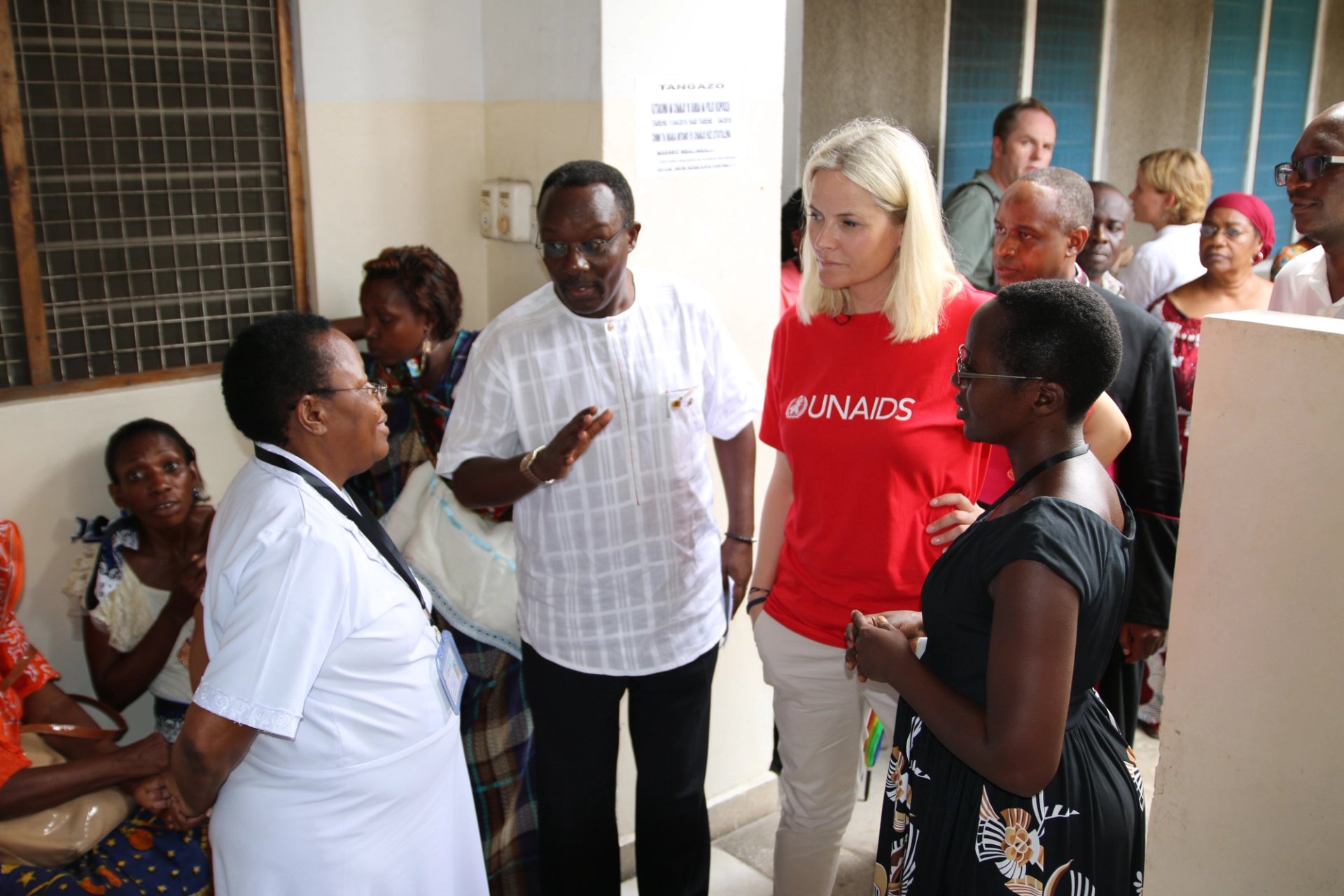
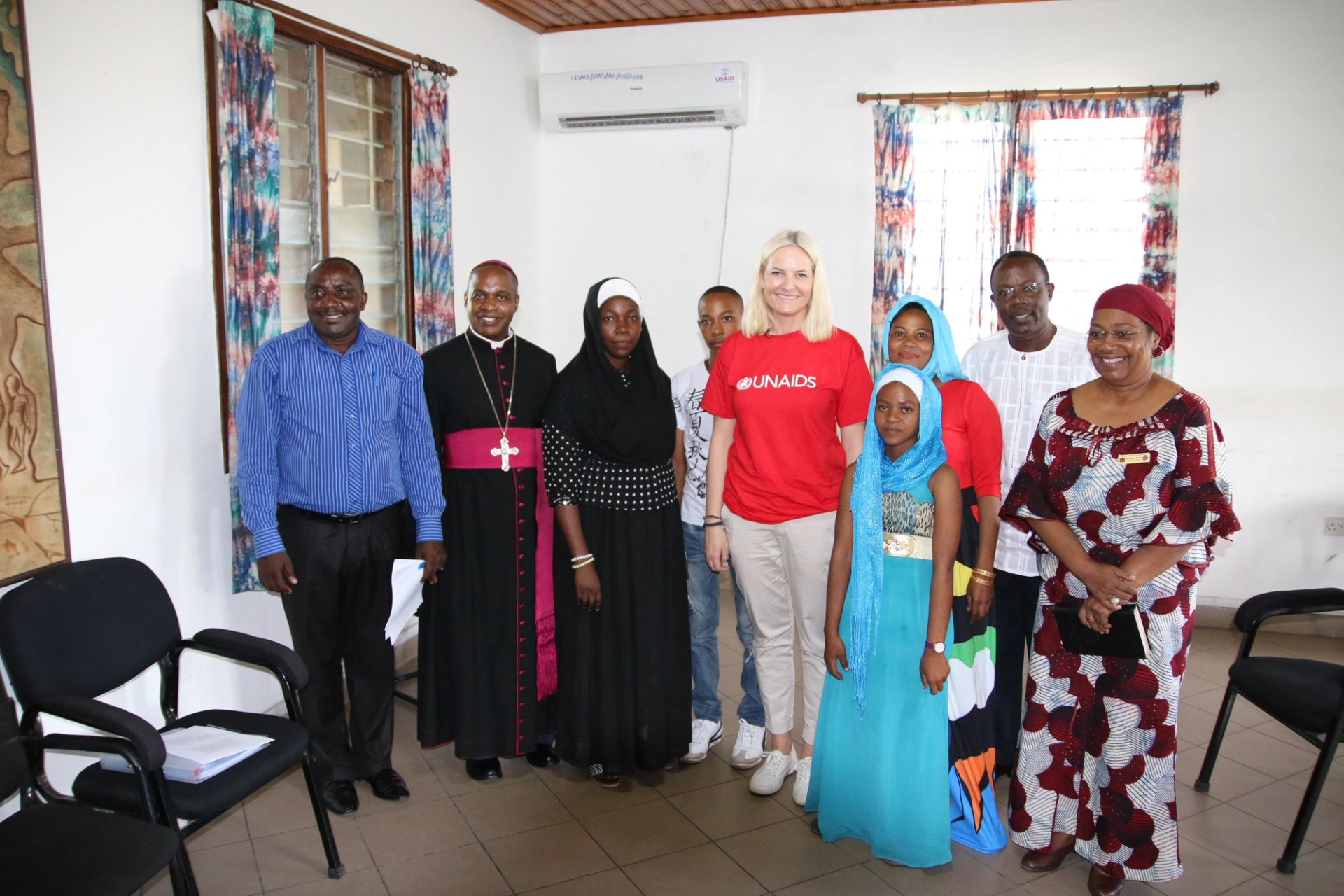
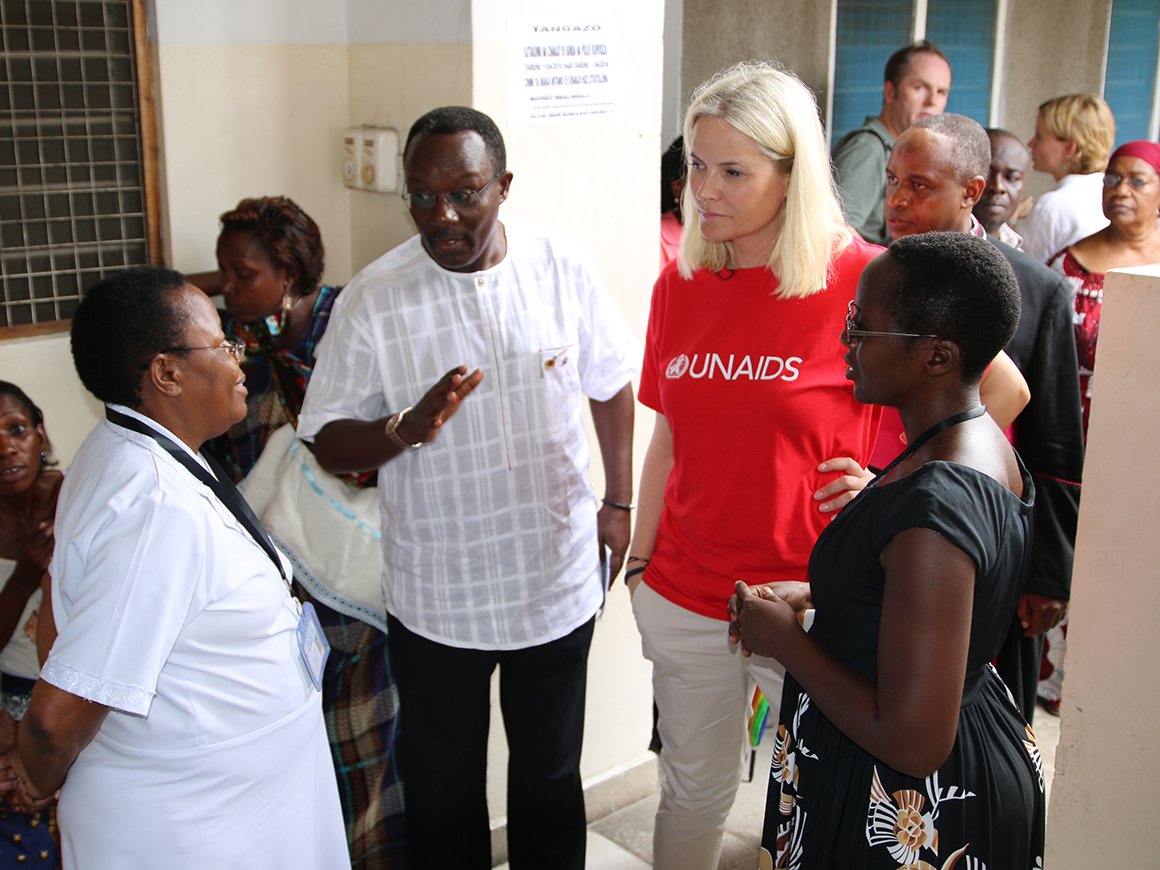
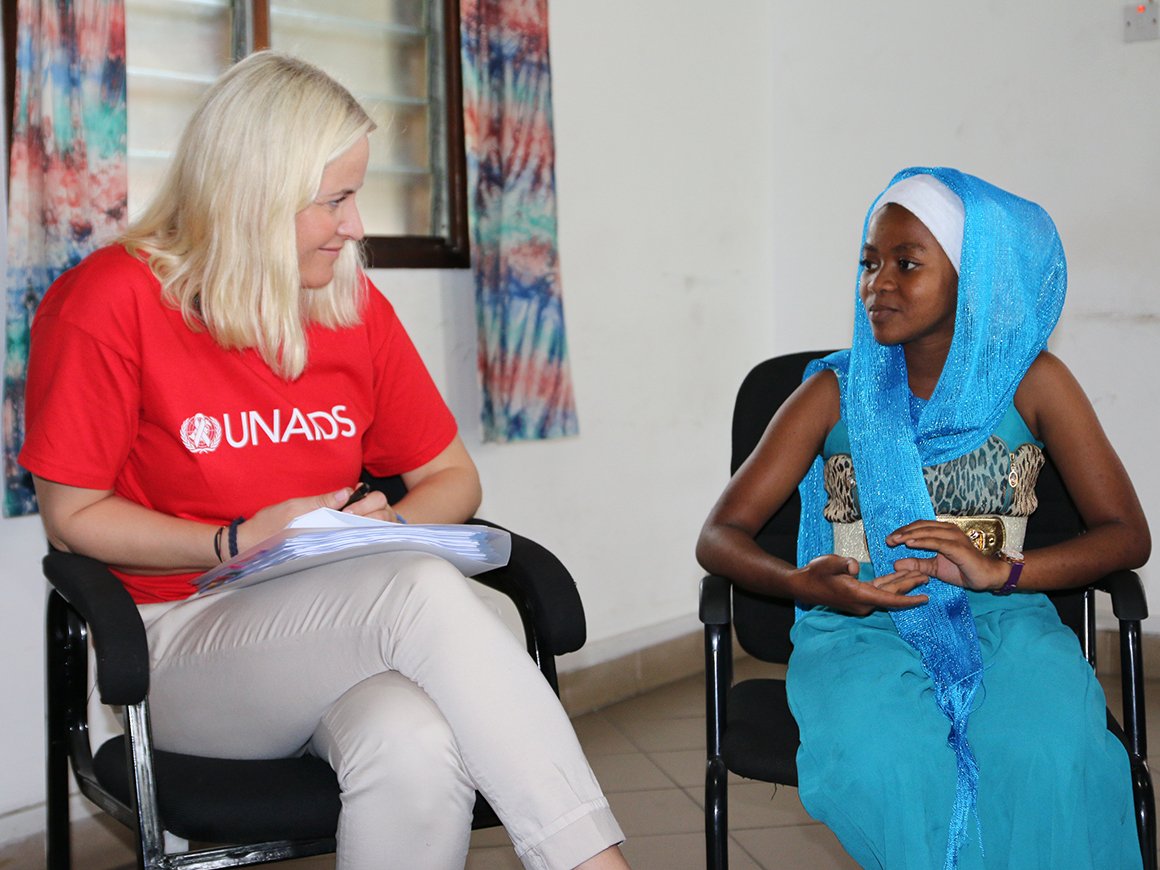
Her Royal Highness The Crown Princess visited Tanzania today to assess progress made in eliminating mother-to-child transmission of HIV and to see how young people are engaging in the country’s AIDS response.
12 April 2016
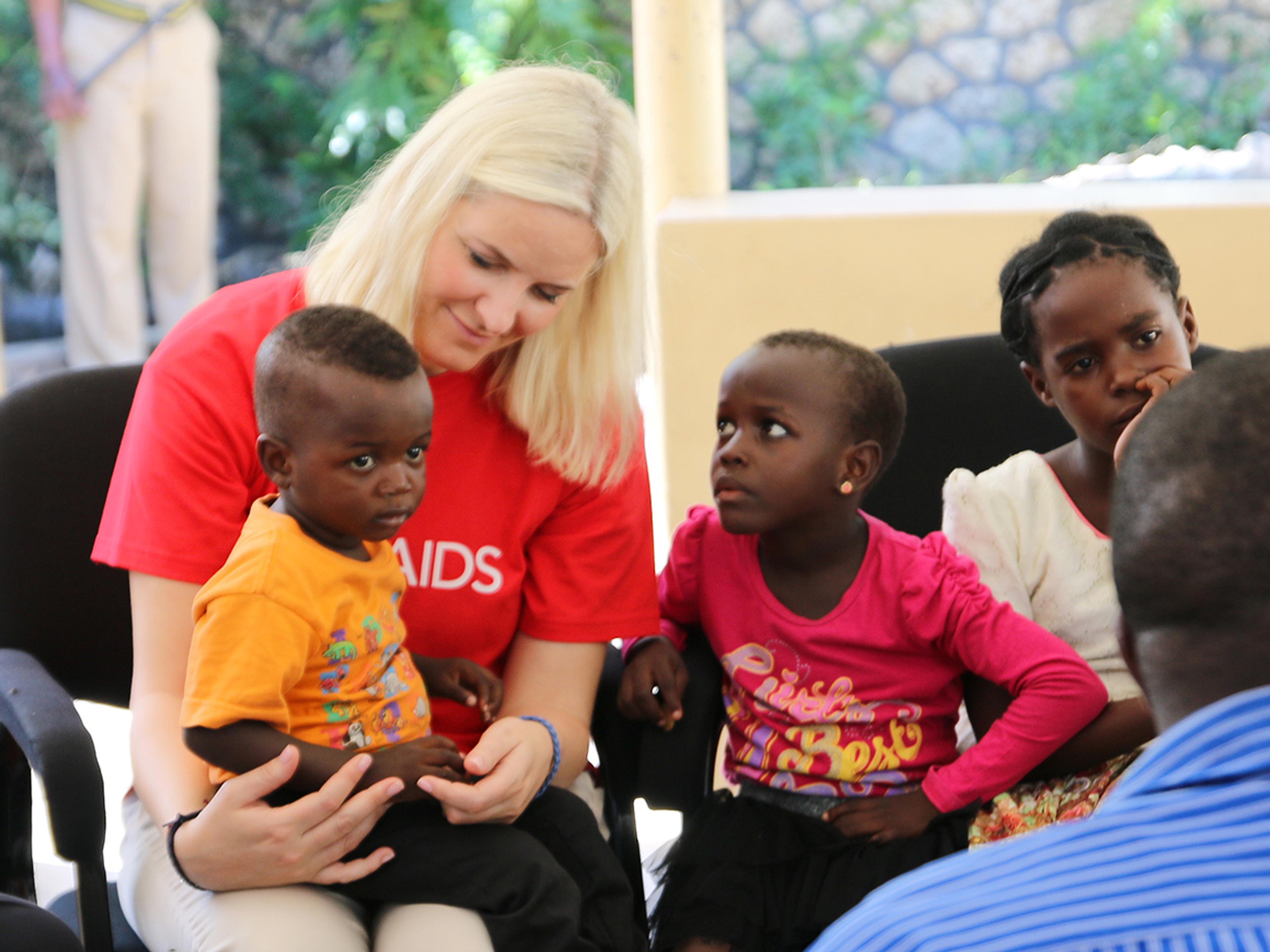
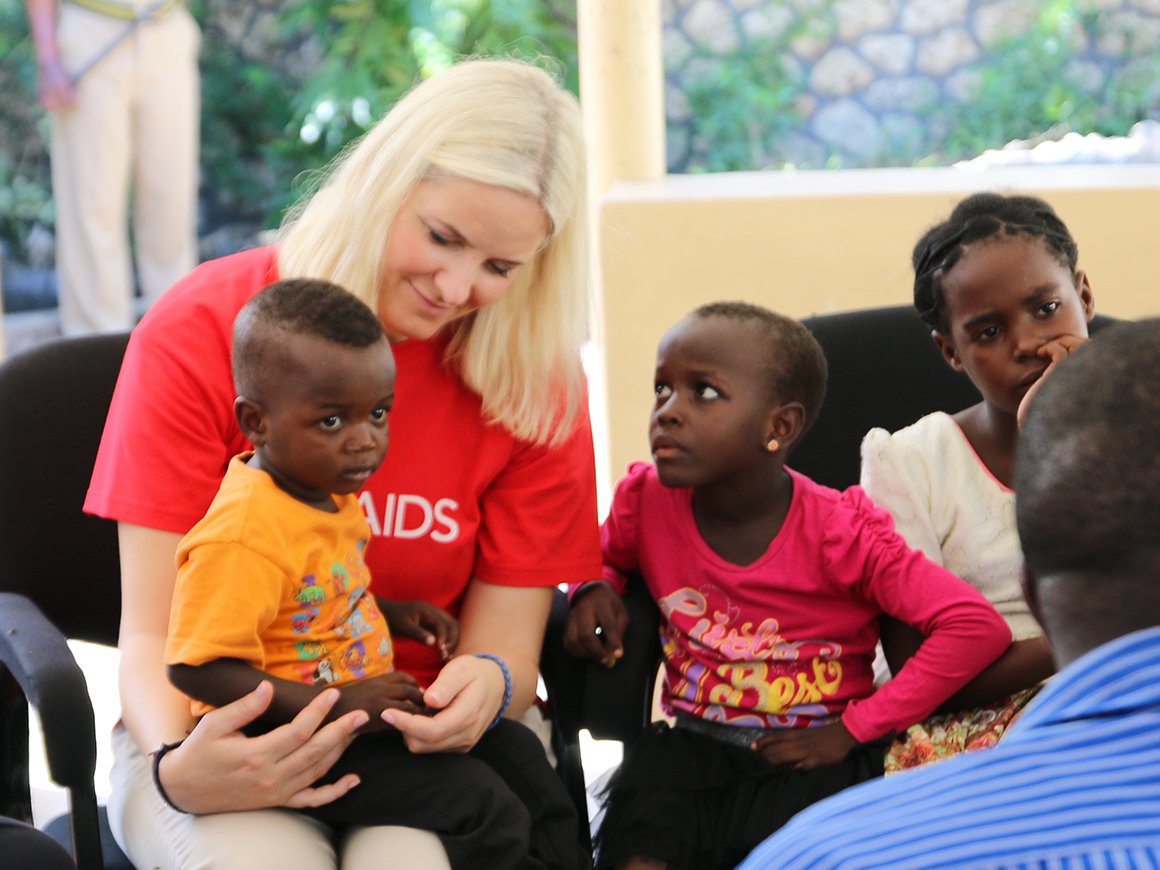
"It is moving to meet mothers who are in good health and caring for children born free from HIV thanks to antiretroviral medicines,” said Crown Princess Mette-Marit. “It is also particularly rewarding for me to see young people taking up leadership roles in the AIDS response and being equipped with the skills to guide the United Republic of Tanzania towards an AIDS-free generation."
Crown Princess Mette-Marit has been engaged in the AIDS response since 2003 and advocates for the empowerment of women and young people at events and speaking engagements all over the world.
PASADA clinicques
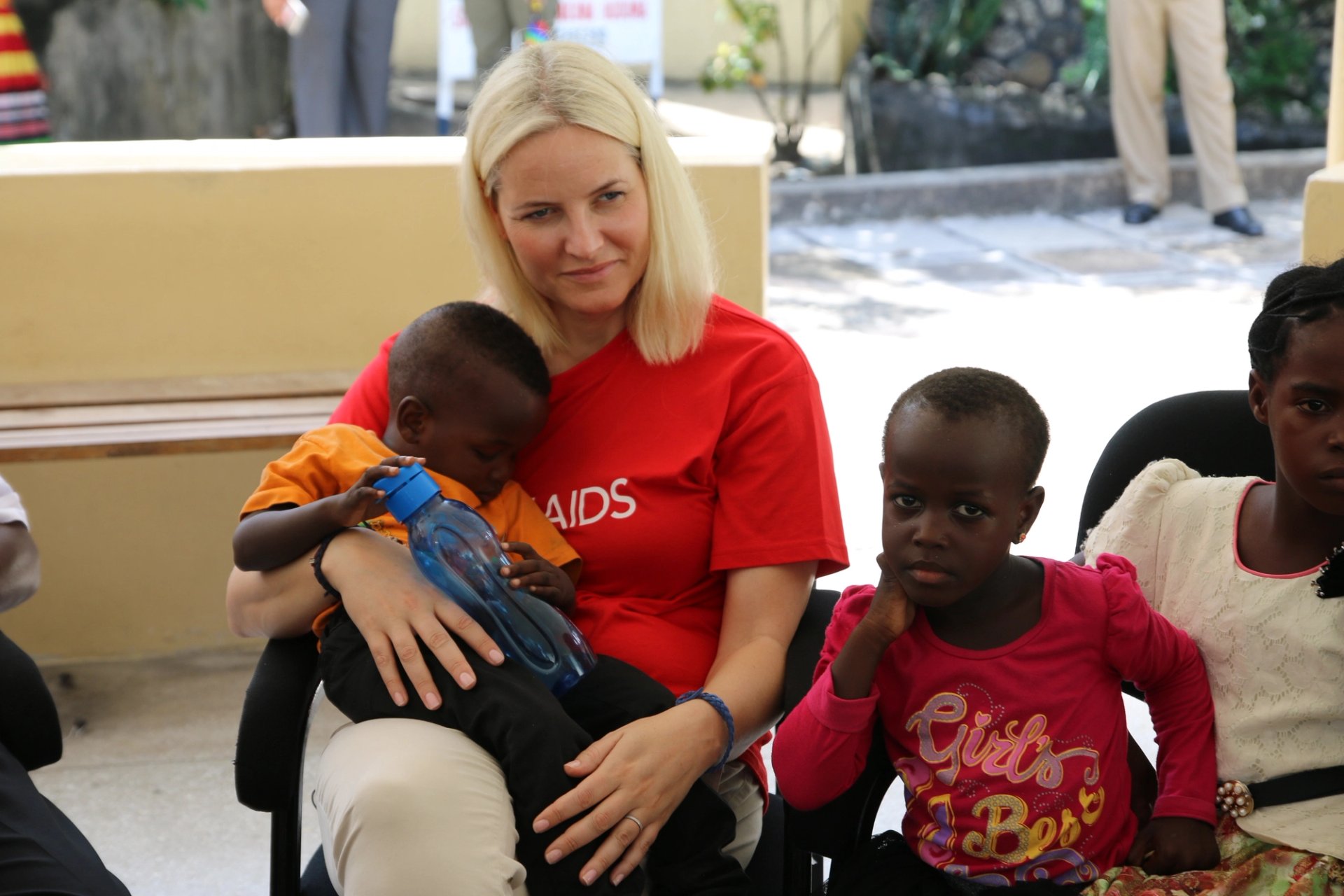
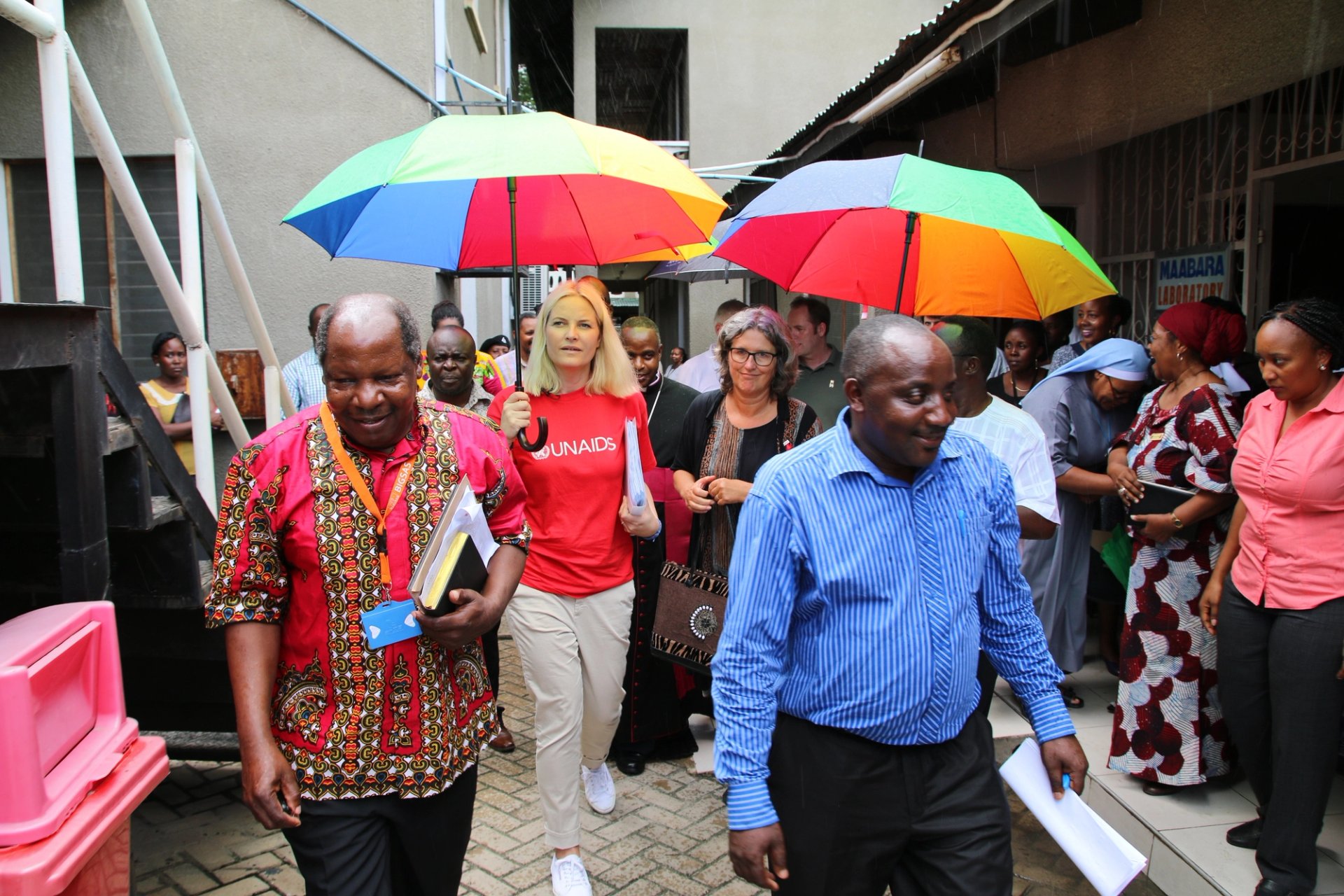
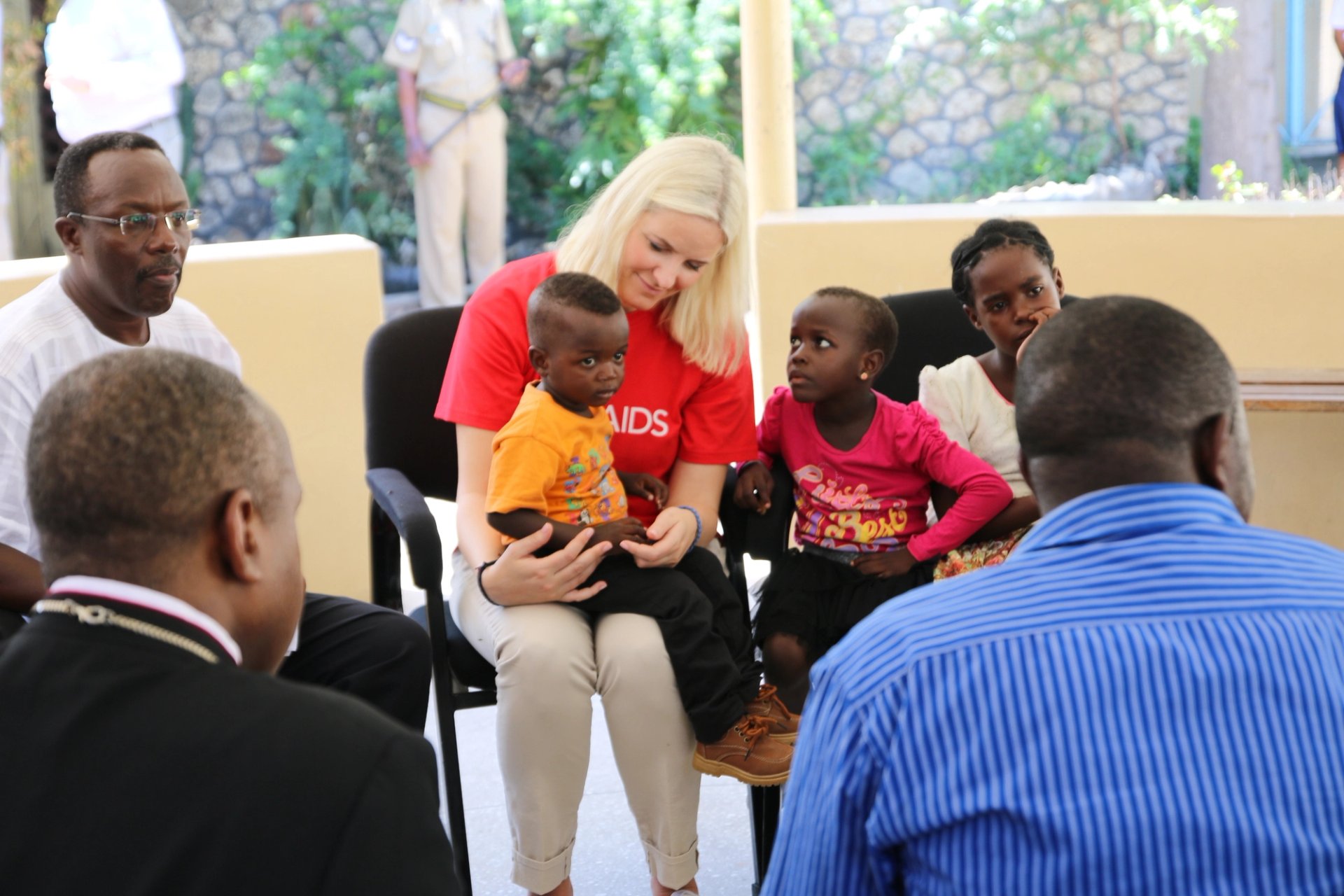
During her visit, The Crown Princess visited facilities providing services for women and young people living with HIV and also met with mothers living with HIV whose children have been born free from the virus. She went to one of the 26 PASADA (Pastoral Activities and Services for People with AIDS Dar es Salaam Archdiocese) clinics operating in the Dar es Salaam and Pwani regions that provide HIV prevention, treatment and support services for people and communities most in need. The Crown Princess also engaged with youth activists at the Stepping Stones Community of Practice, which offers life-skills training for adolescents and young people, including comprehensive sexuality education and programmes relating to HIV and gender equality.
Positive development
At the end of 2014, there were around 1.5 million people living with HIV in the United Republic of Tanzania. The number of new HIV infections declined by more than 50% between 2000 and 2014 and the number of new HIV infections among children dropped by around 70% between 2009 and 2014 as access to HIV services increased.
Source: UNAIDS
HIV and AIDS


Showing 8 of 26