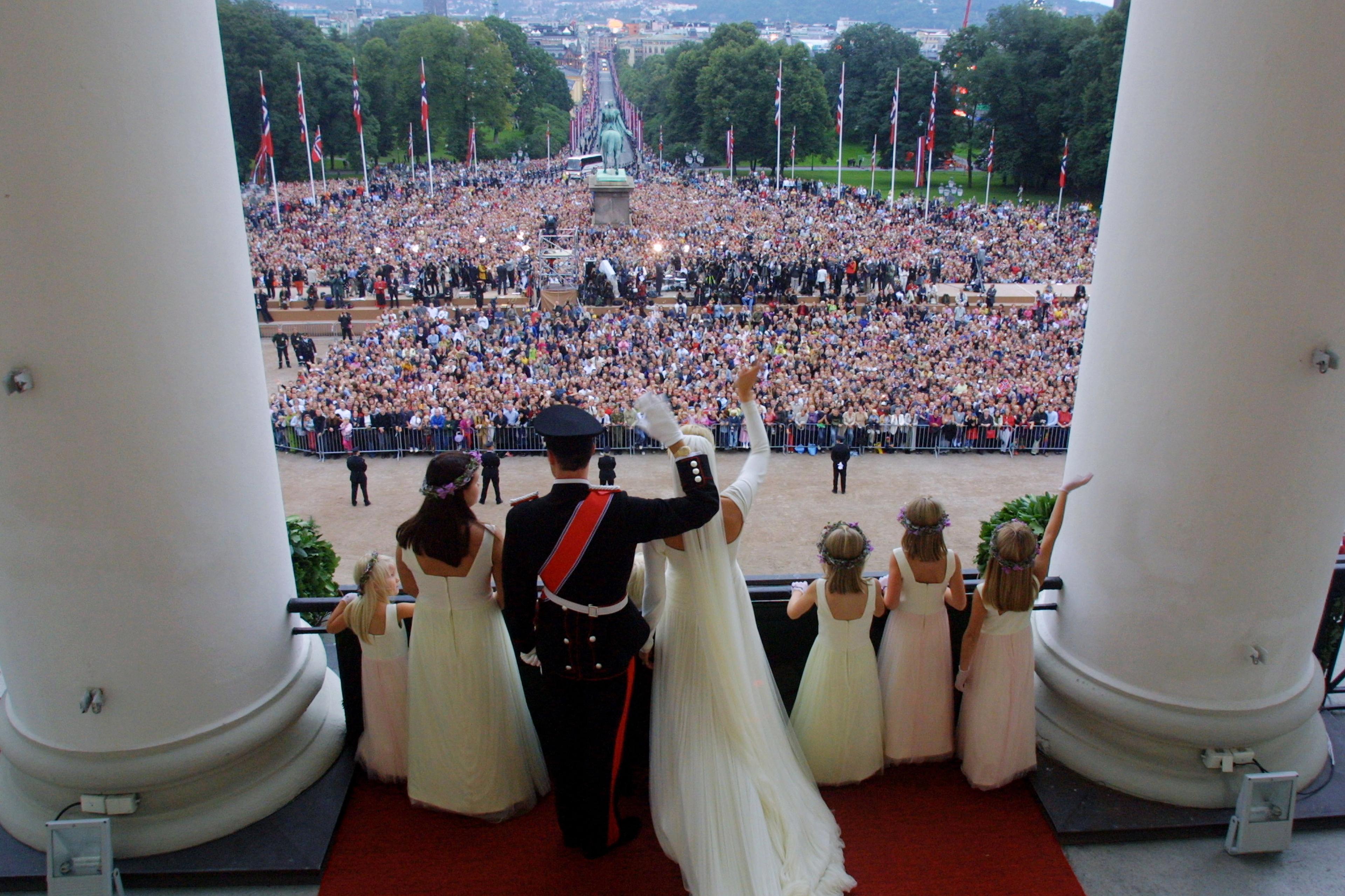
The Royal Wedding in 1968
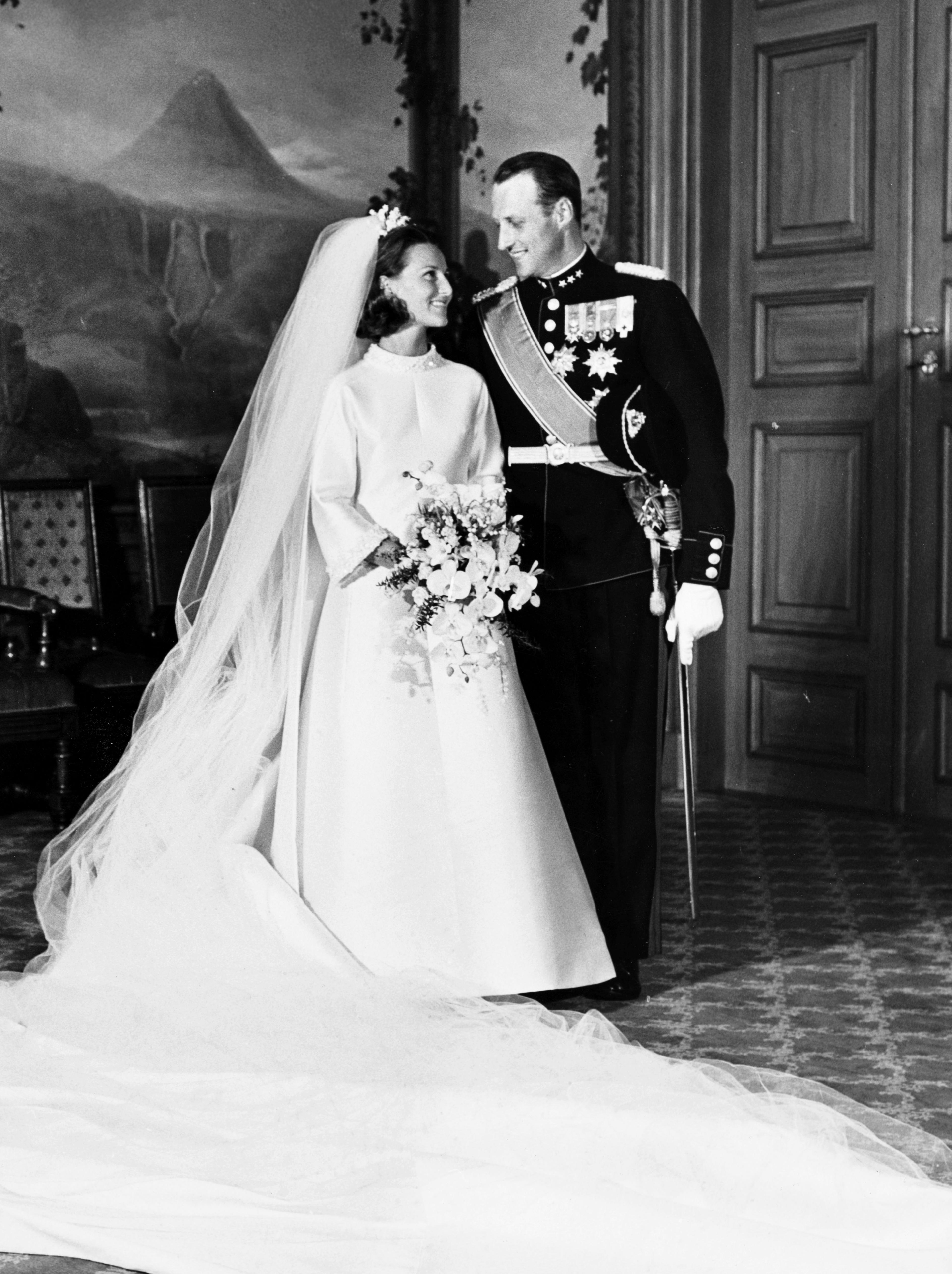
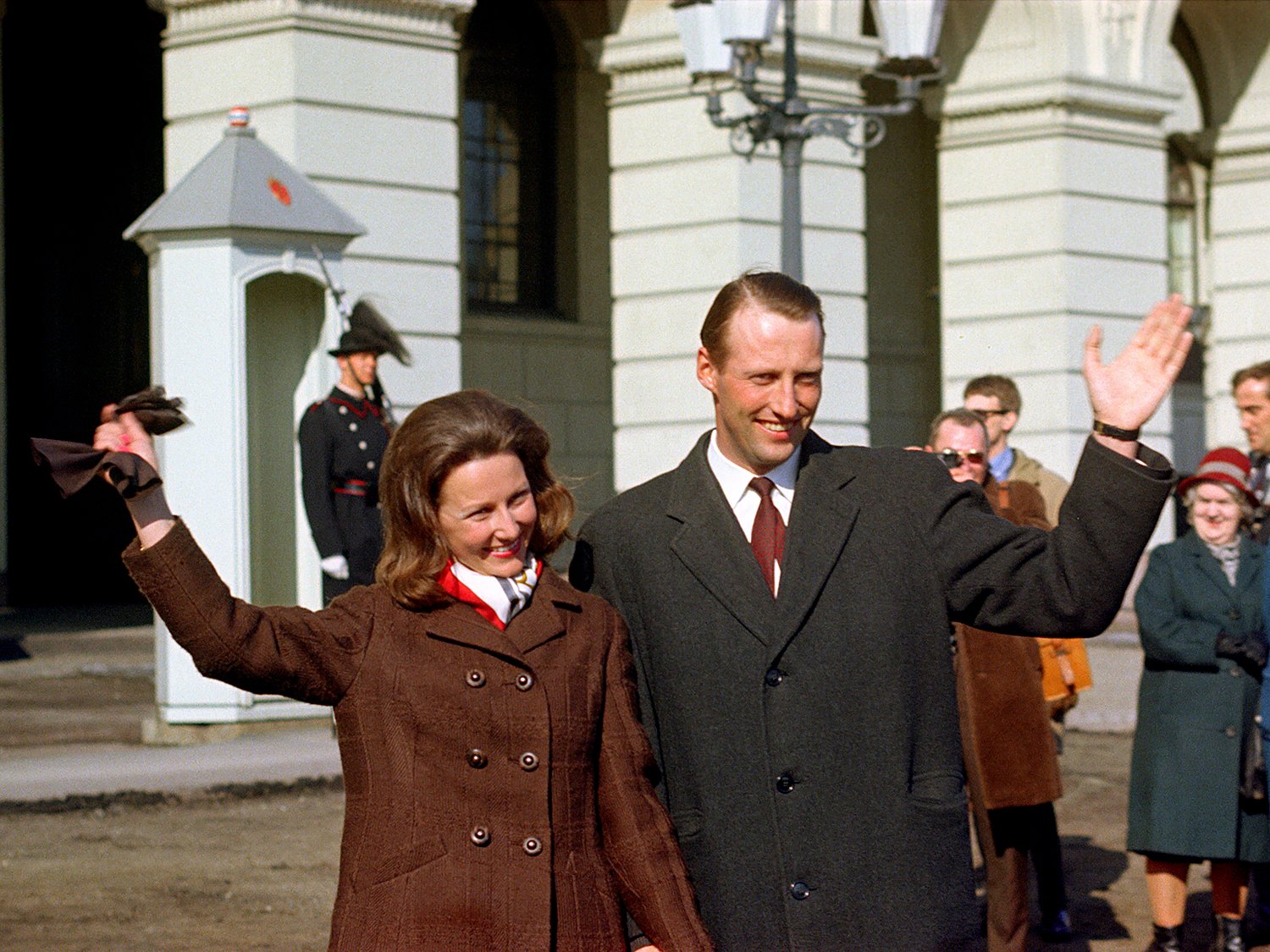
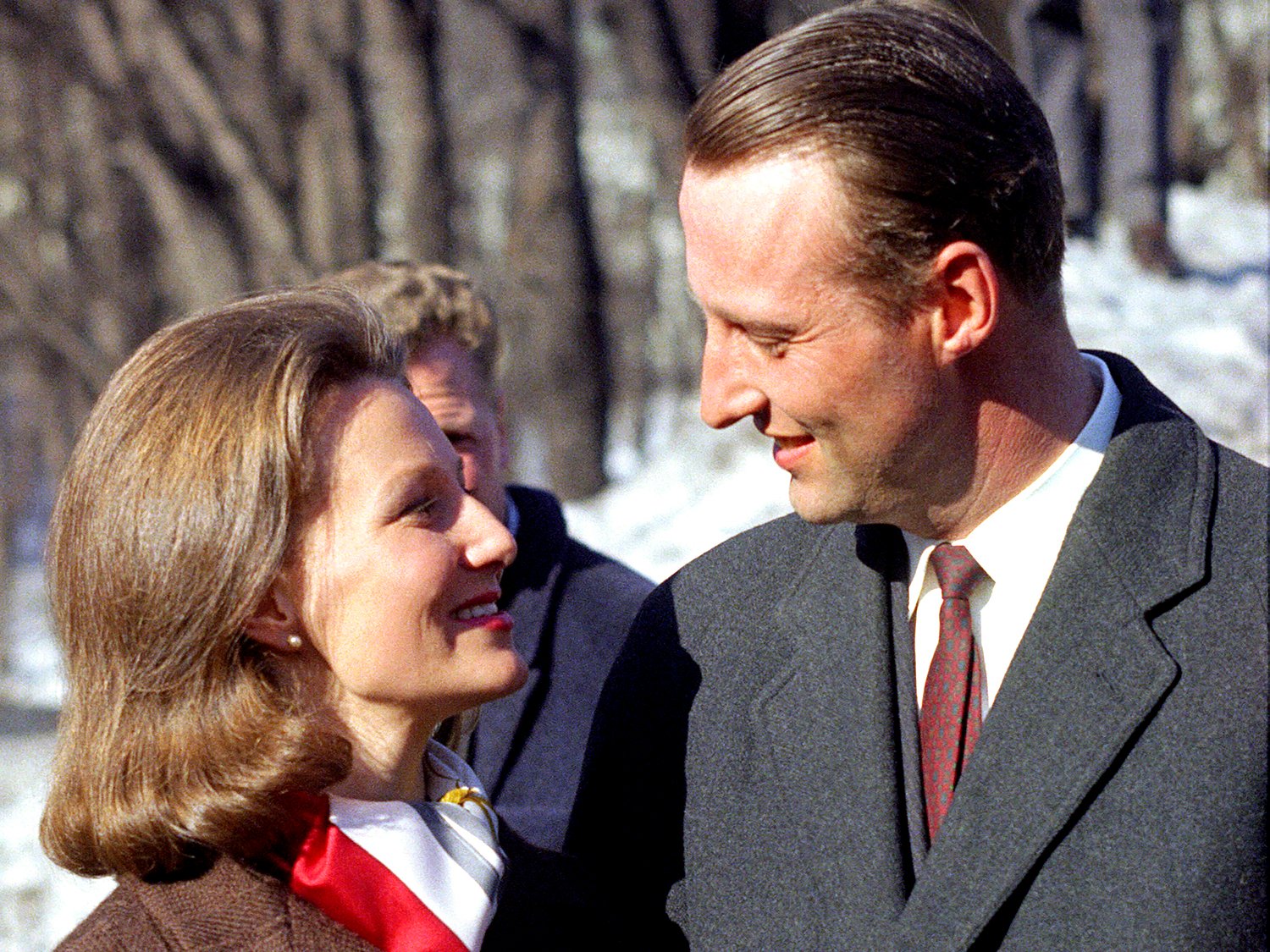
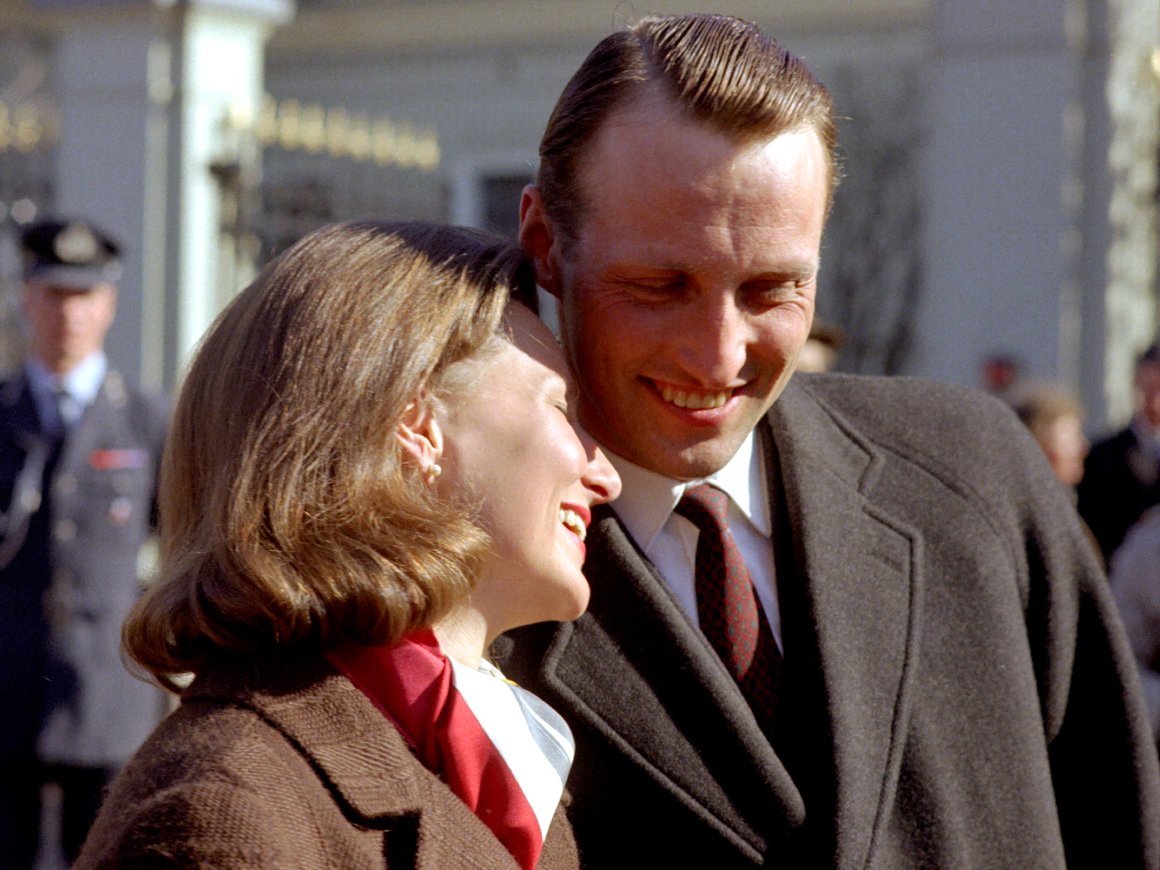
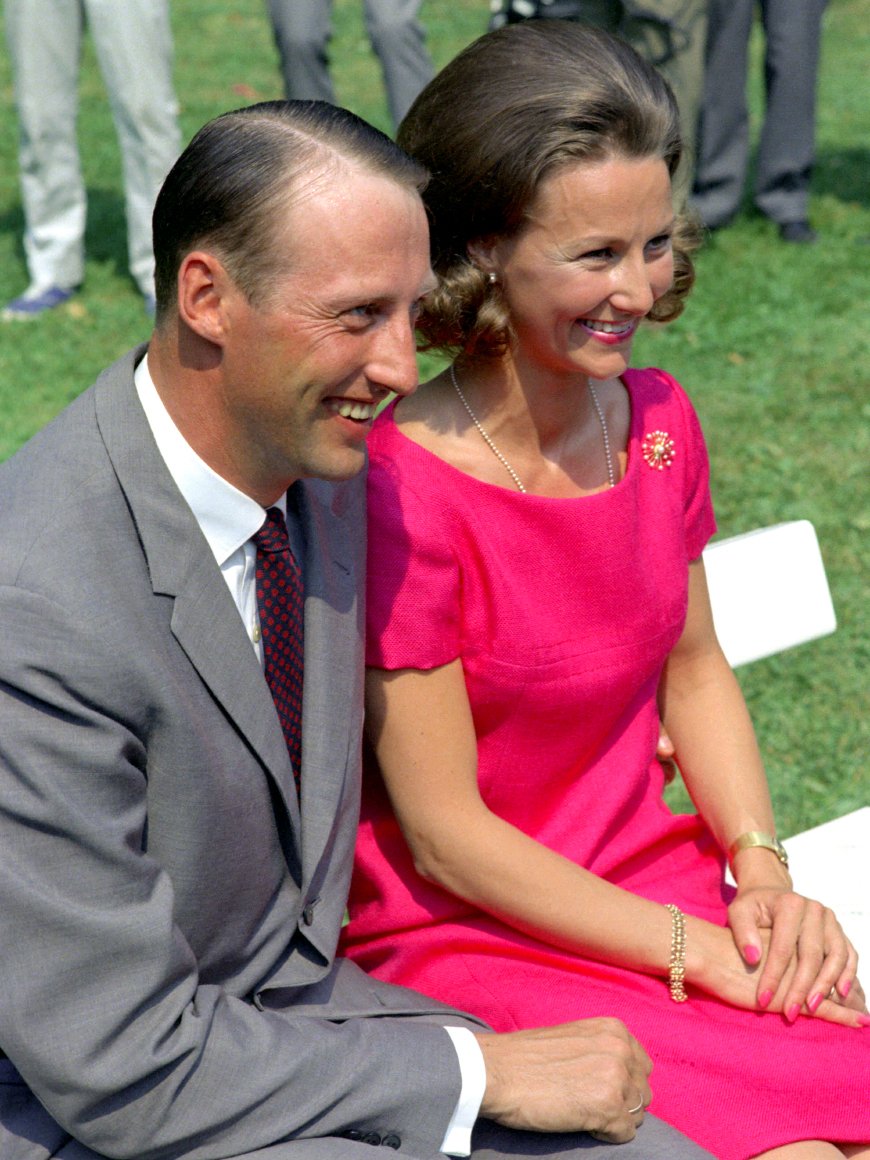
Then Crown Prince Harald and Miss Sonja Haraldsen were married in Oslo Cathedral on 29 August 1968. Nine years had passed since they first met.
The long wait was due to the fact that Crown Prince Harald wished to marry a commoner – a woman who was not born into European royalty or nobility. This represented a break with traditional practice and was very controversial. It caused widespread debate at the time.
Official announcement
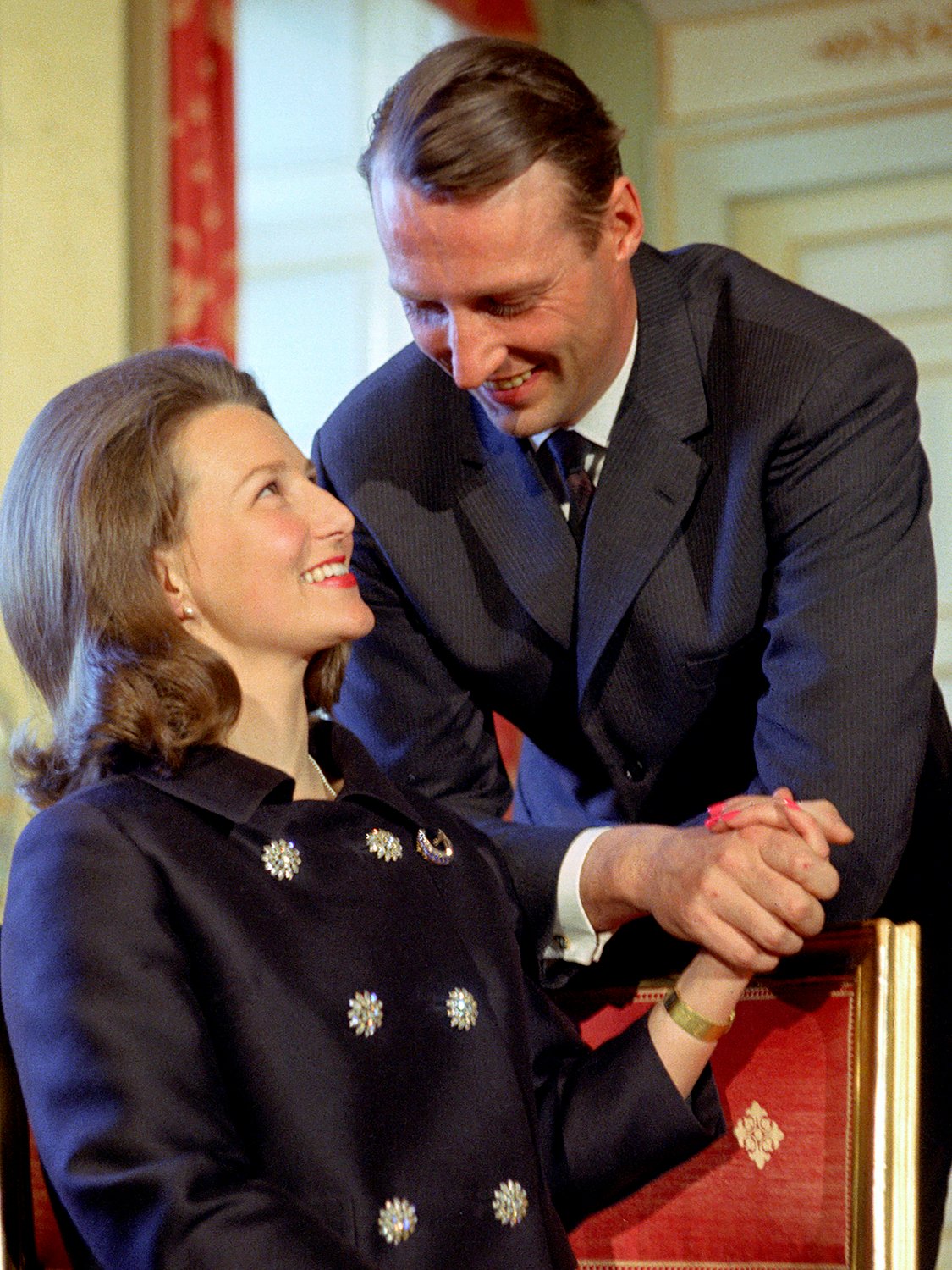
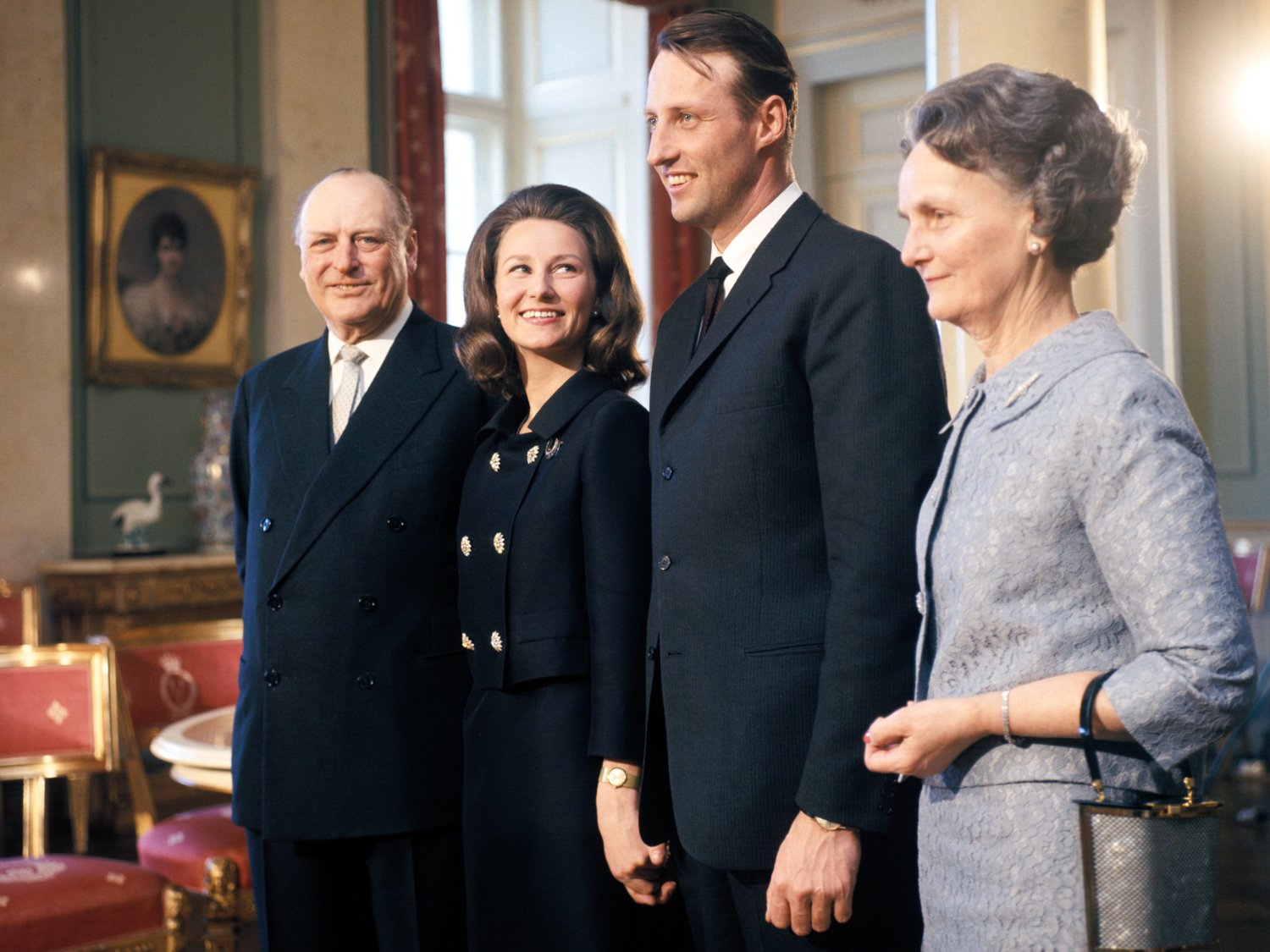
The engagement was officially announced on 19 March 1968. The President of the Storting, Mr Bernt Ingvaldsen presented the following message from King Olav to the Storting (Norwegian parliament):
“It is with pleasure that I inform you, Mr President and Members of the Storting, that I, after seeking advice from the Prime Minister, members of the Government, you, Mr President, and the parliamentary leaders of the political parties, have today given my consent to my dear son, Crown Prince Harald, to take as his wife Miss Sonja Haraldsen, daughter of the late Mr Karl August Haraldsen and Mrs Dagny Haraldsen née Ulrichsen.”
Shortly after the announcement, flags were flown on all public buildings in honour of the news.
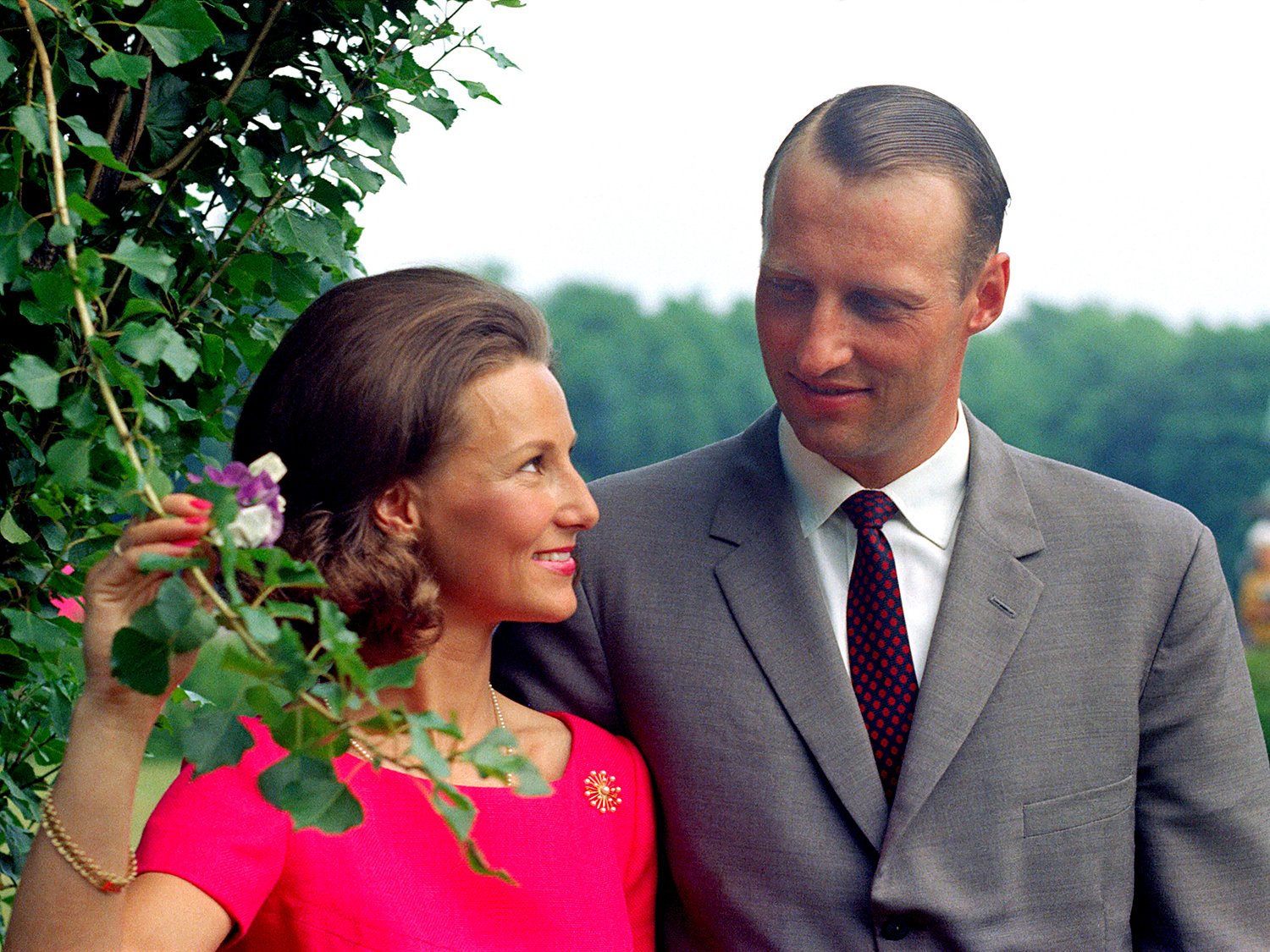
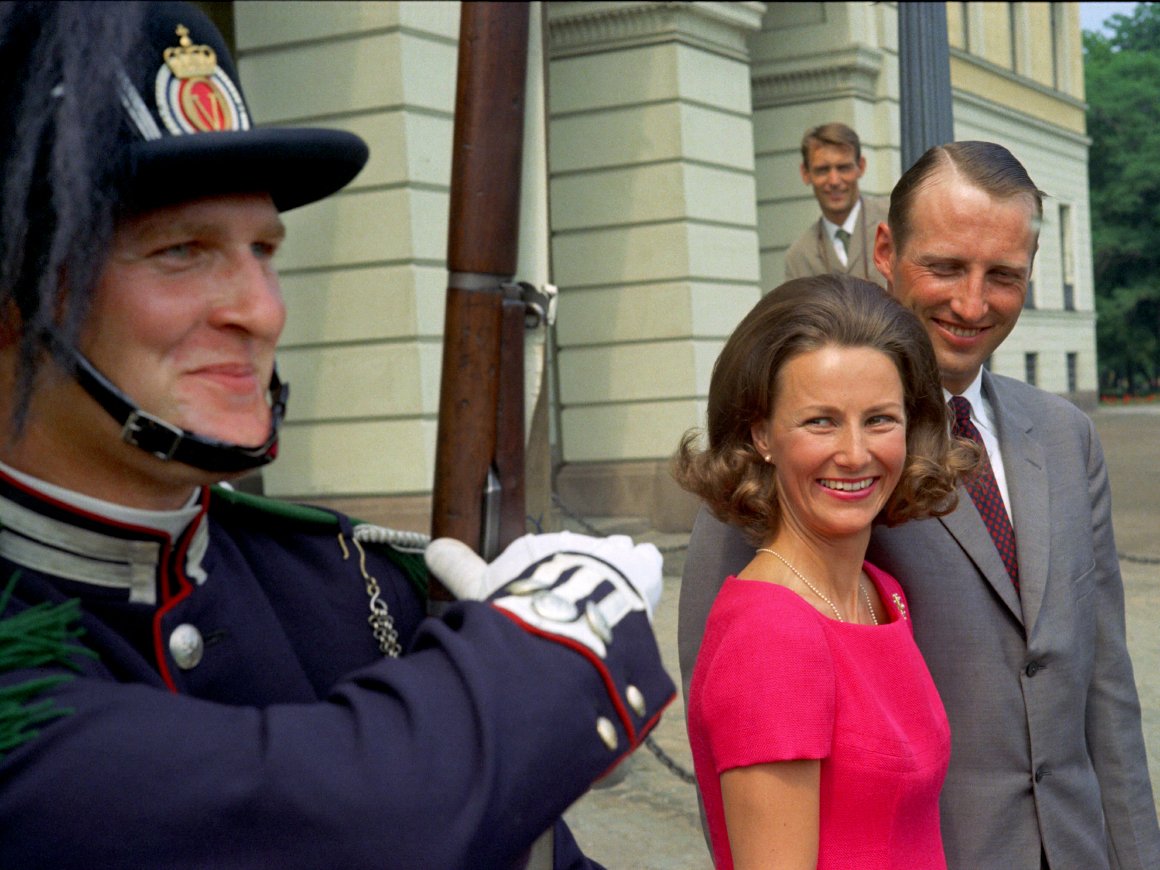
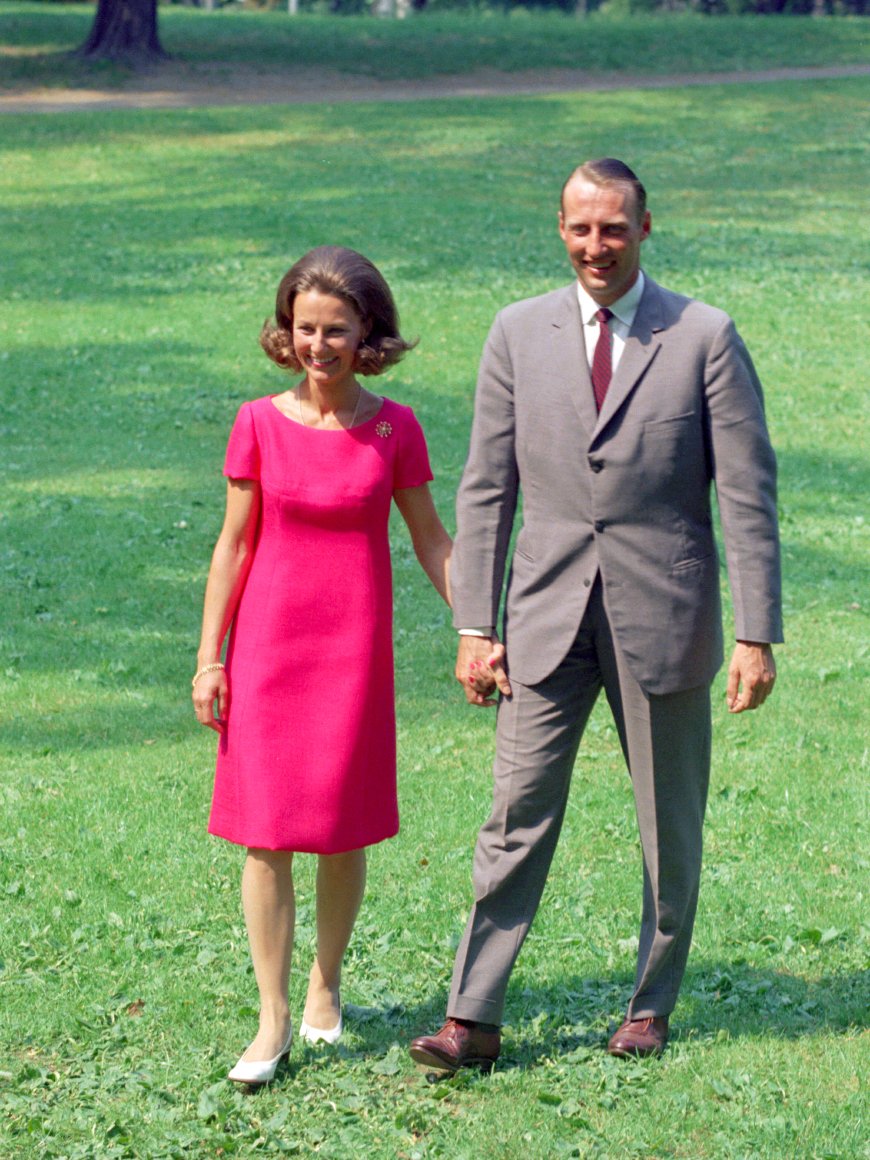
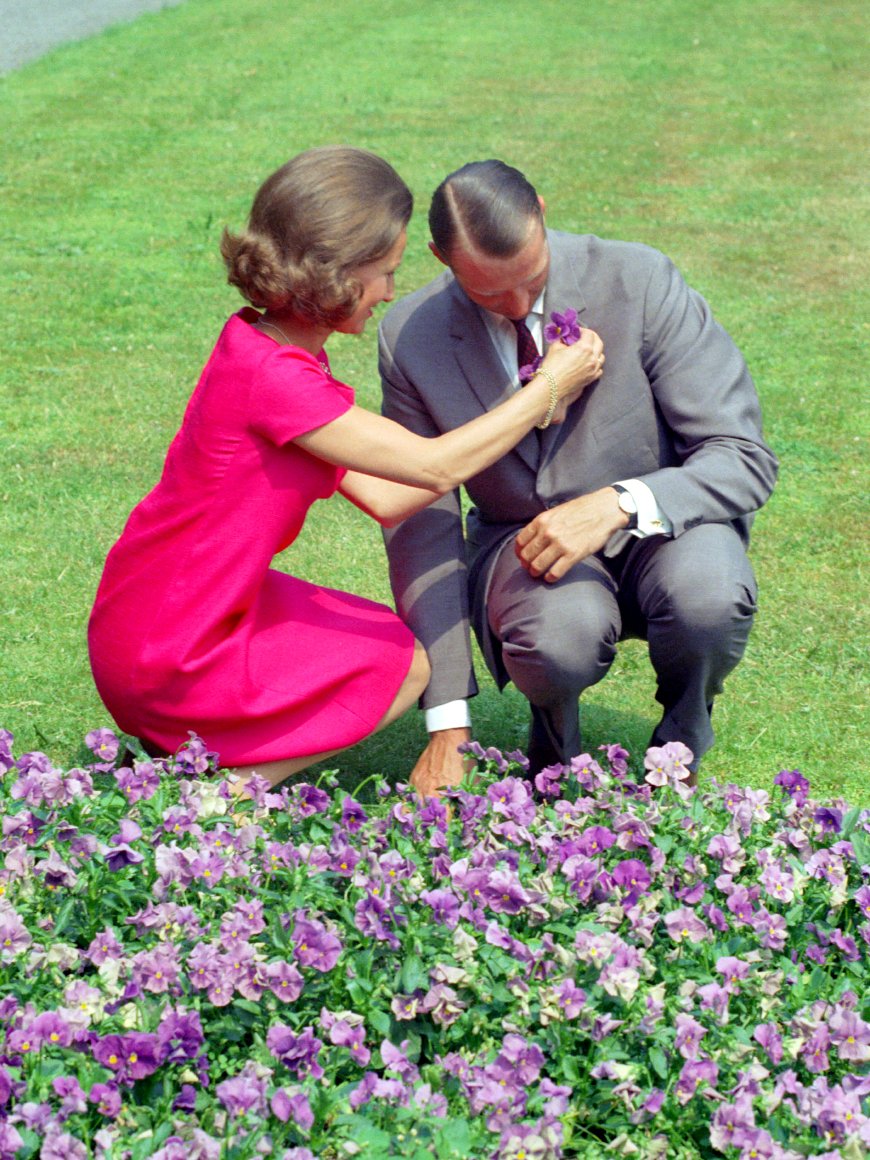
Engangement
The wedding ceremony
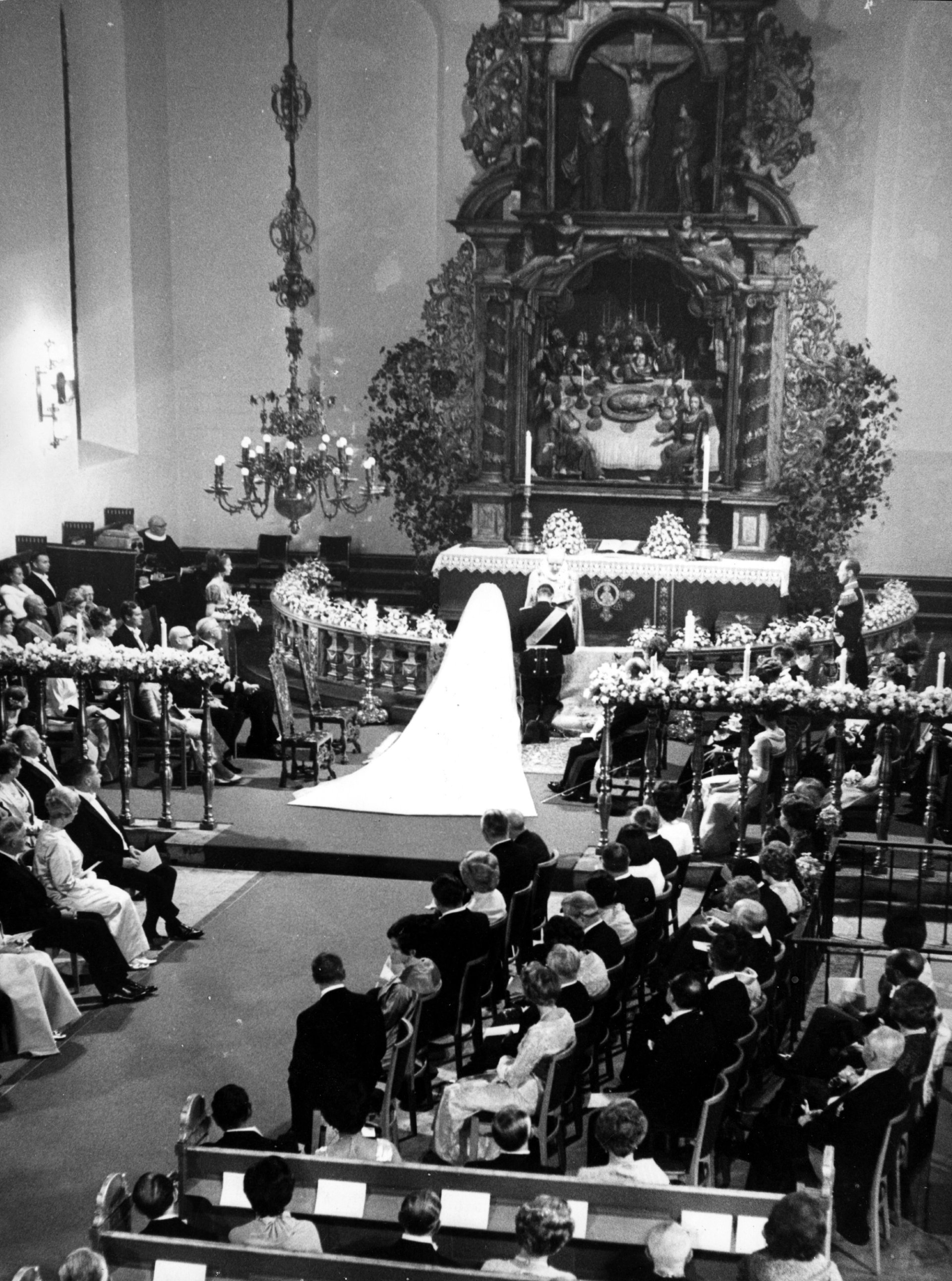
The wedding ceremony took place at 5:00 pm on 29 August 1968. Oslo was adorned with flags and flowers, and many shop windows displayed photos and the monogram of the Crown Prince and Crown Princess. Nearly 3 000 soldiers representing all the branches of the armed forces stood shoulder to shoulder, lining the procession route from the Royal Palace to Oslo Cathedral.
Some 850 guests were invited. The cathedral was decorated with more than 2 500 roses, marguerites, freesias, sweet peas and gladioli. At 4:30 pm the carillon at Oslo City Hall started to play and the procession of 19 automobiles began to make its way from the Palace. Crown Prince Harald rode in one of the first automobiles with his best man, Count Flemming Valdemar of Rosenborg.
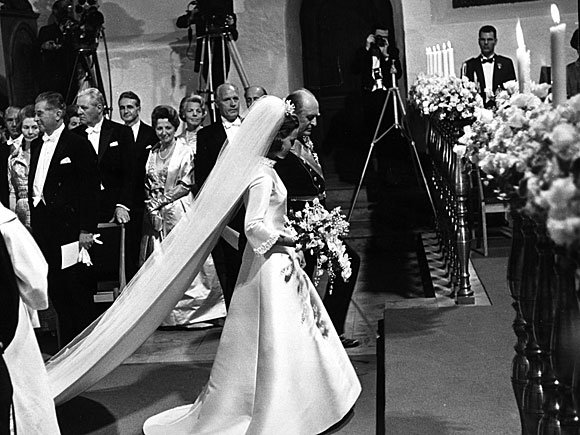
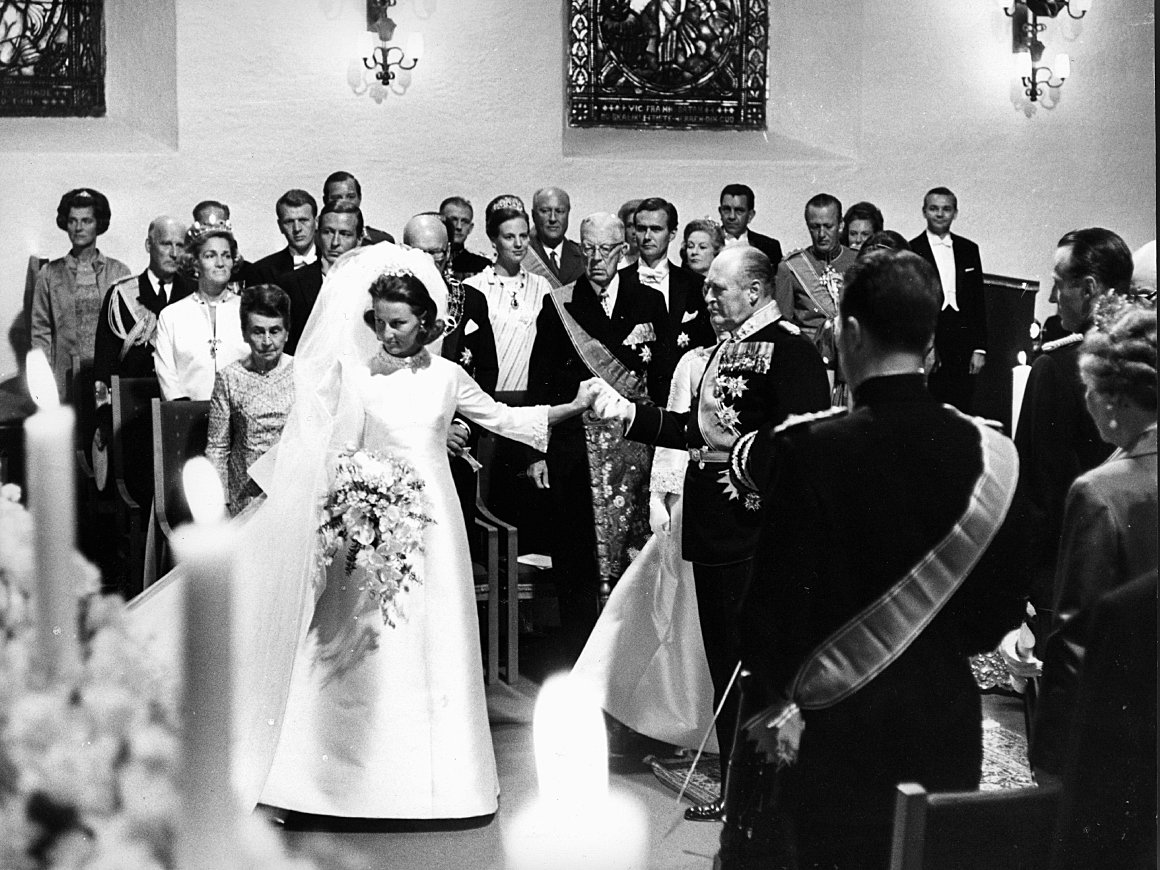
The bride entered the church on the arm of King Olav, to the tones of Henry Purcell’s “Trumpet Tune and Air”.
The wedding dress
The bridal gown
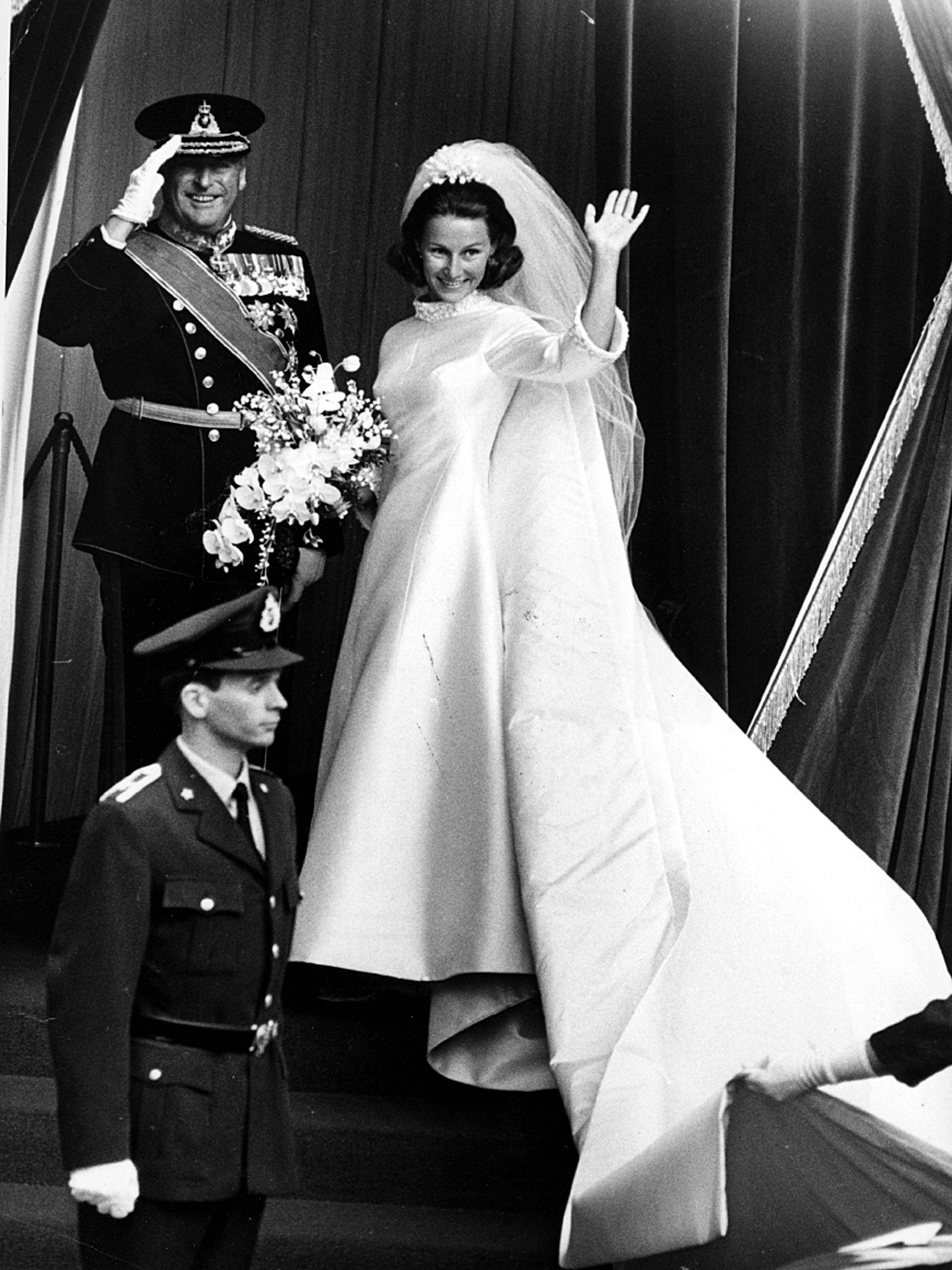
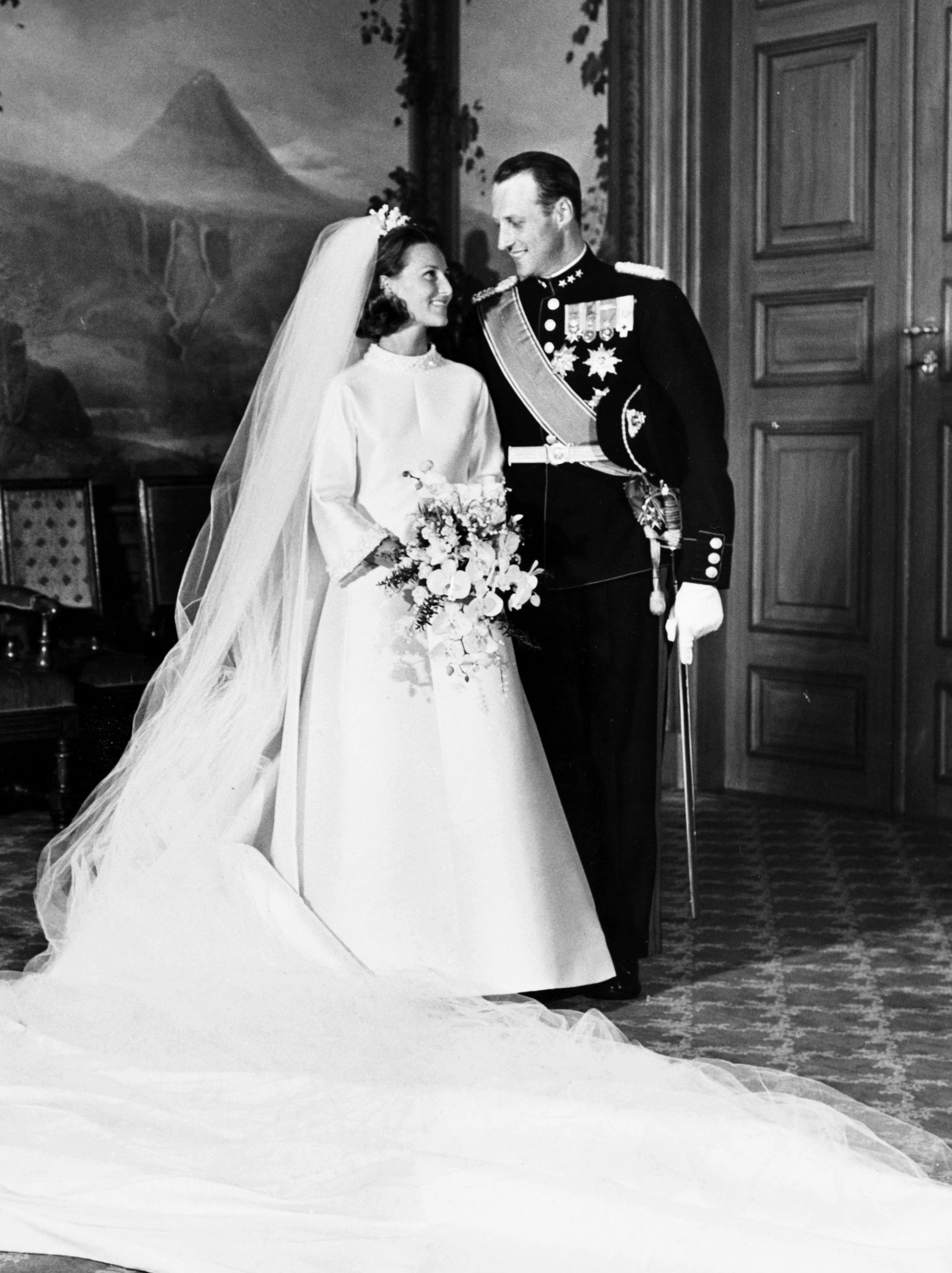
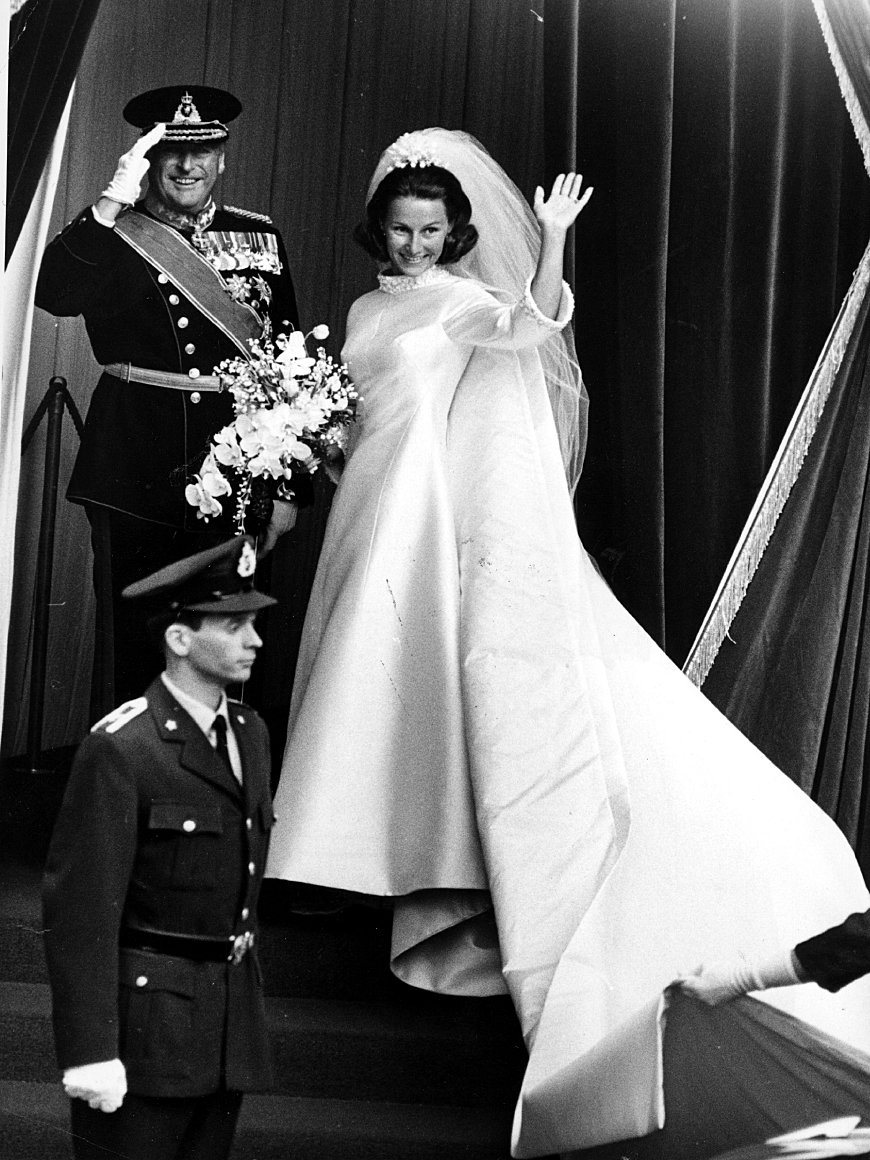
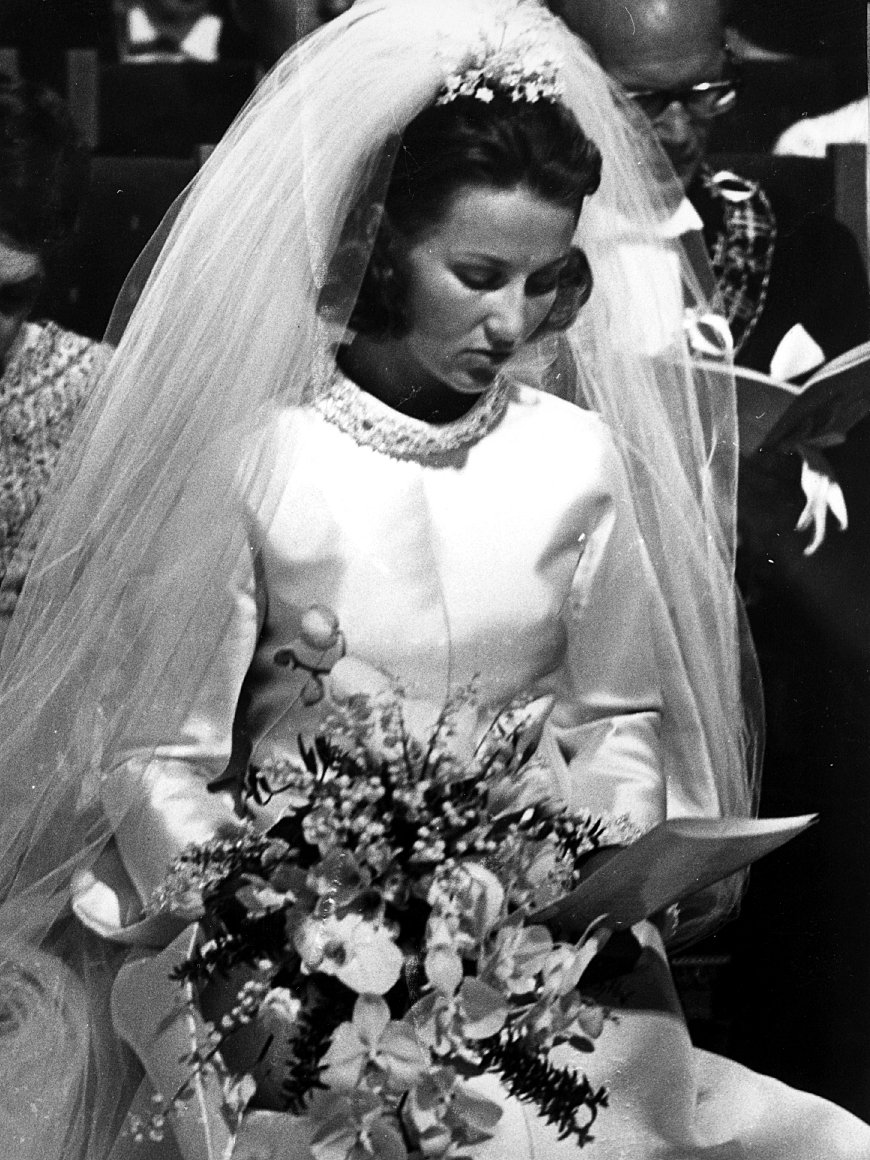
The wedding dress featured a fitted bodice that flowed into a flared skirt with a hint of a train. The three-quarter-length sleeves widened towards the cuffs, and the round neckline was edged with a raised collar. The dress featured a long train, attached at the shoulders, following the flared lines of the skirt.
The dress was made from siberlin, a cream-coloured silk fabric that emphasised the dress’s shape. At the cuffs and the collar, a floral border was embroidered, featuring small fabric rosettes and leaves, pearls, and crystals.
The bridal veil, made of tulle, was the same length as the train and fastened with a rosette of artificial white flowers. The flowers in the rosette matched those in the embroidery on the sleeves and collar.
The bridal bouquet consisted of roses, freesias, and lilies of the valley.
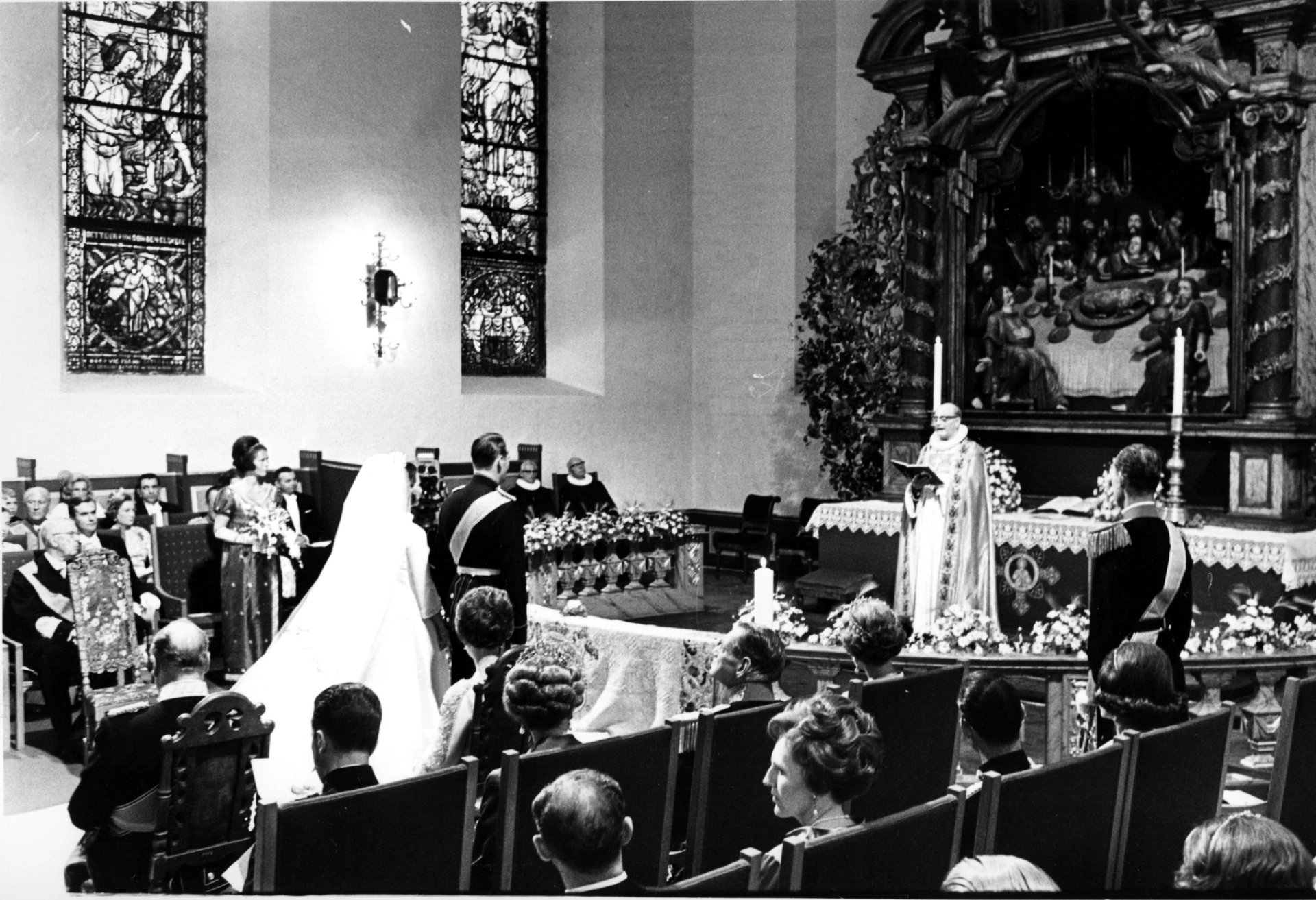
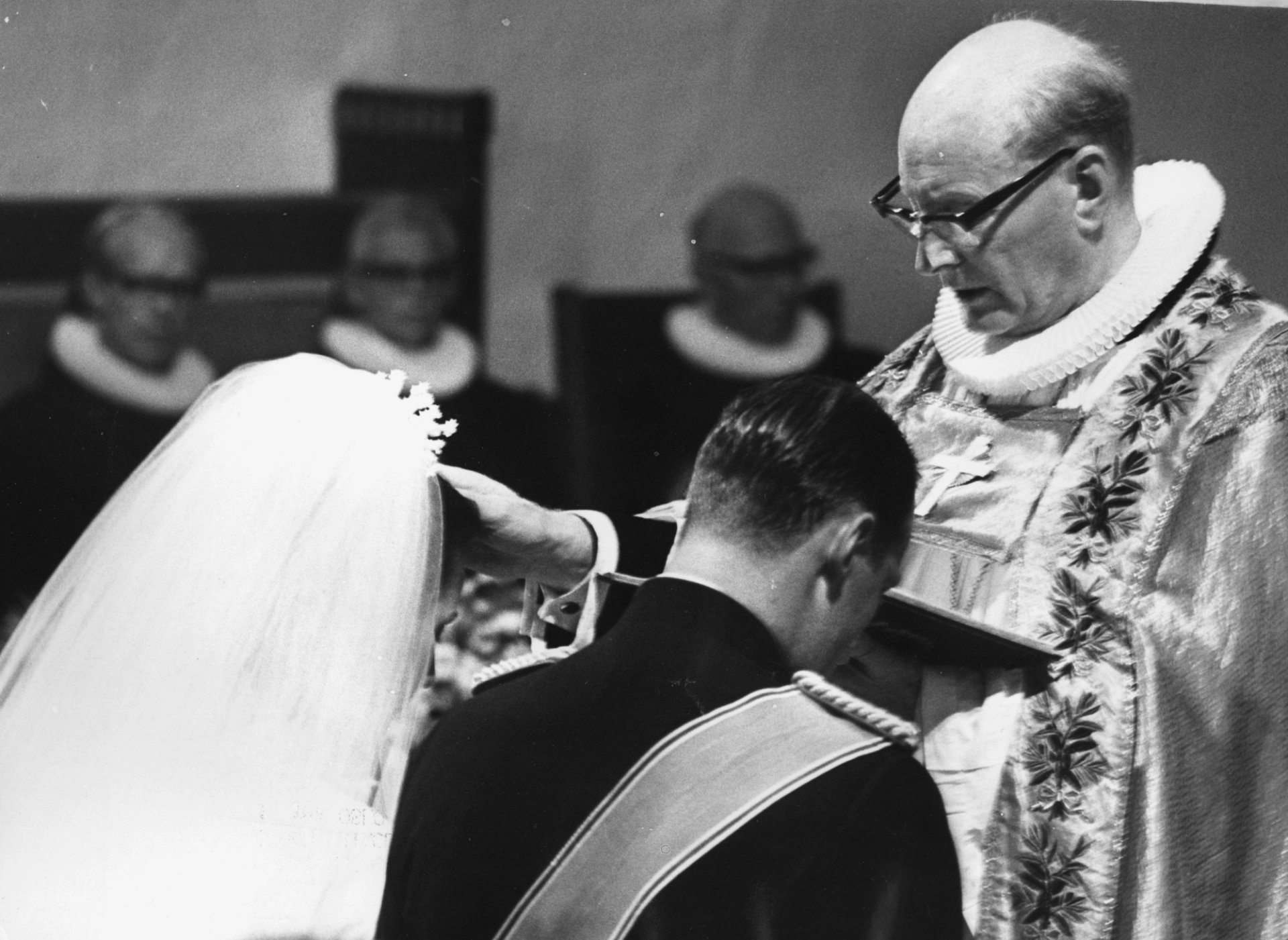
The wedding was officiated by Fritjov Birkeli, the Bishop of Oslo. During the ceremony, the Norwegian Student Choral Society sang the hymn "Lord God, Your Precious Name and Honour", and opera singer Aase Nordmo Løvberg sang the hymn “Everything Rests in God the Father’s Hand".
The bride and groom exited the cathedral to the strains of J. S. Bach’s “Prelude in E Major”, and were met with jubilation and cheers of congratulations by the large crowds waiting outside. Two 21-gun salutes were fired from Akershus Fortress.
The wedding festivities lasted for three days and were attended by a large number of guests.
The Wedding
Showing 8 of 19