The biography of His Majesty King Haakon
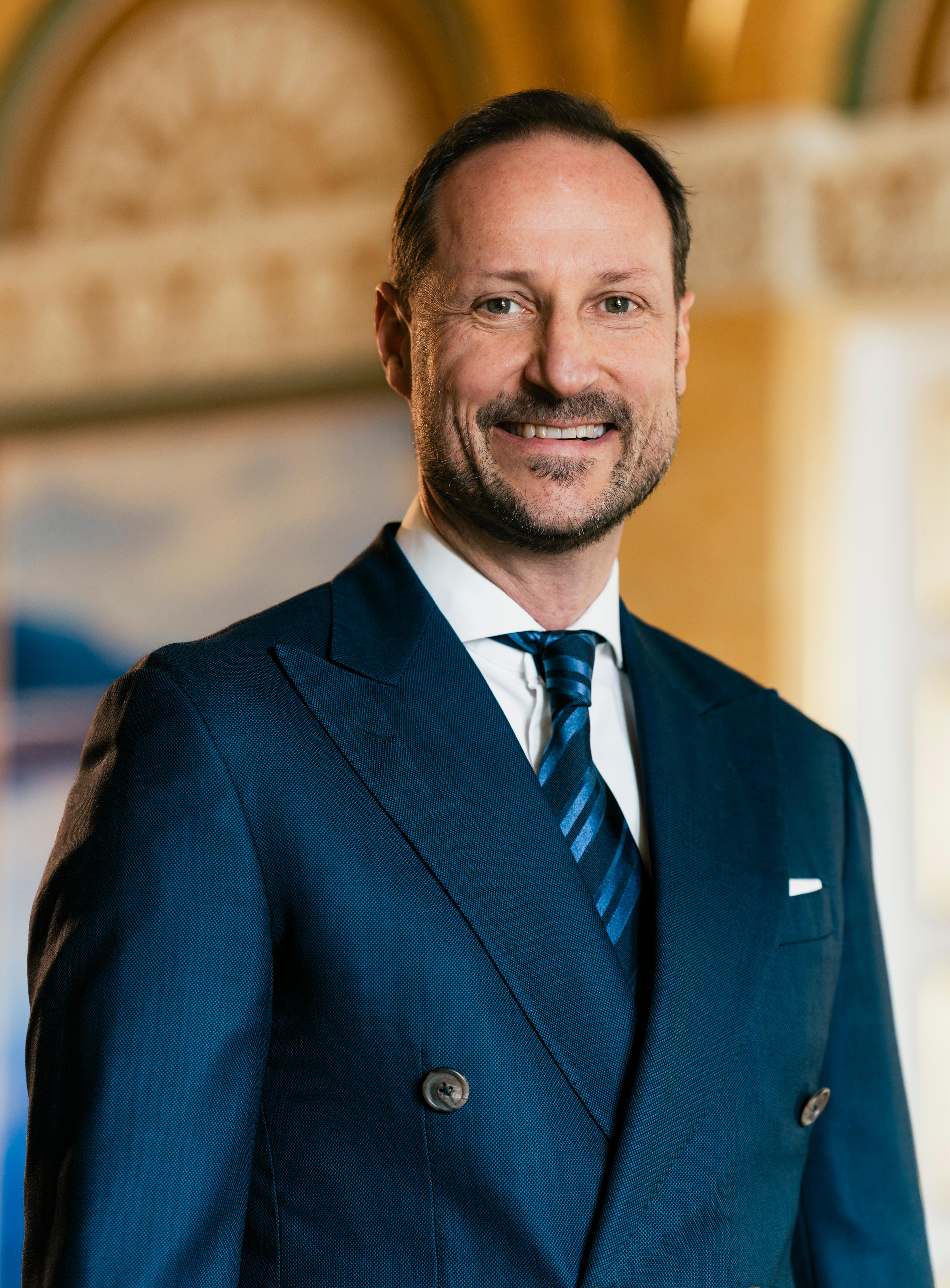
His Majesty The King was born at Oslo University Hospital on 20 July 1973 as the son of then Crown Prince Harald and Crown Princess Sonja and heir to the throne of Norway.
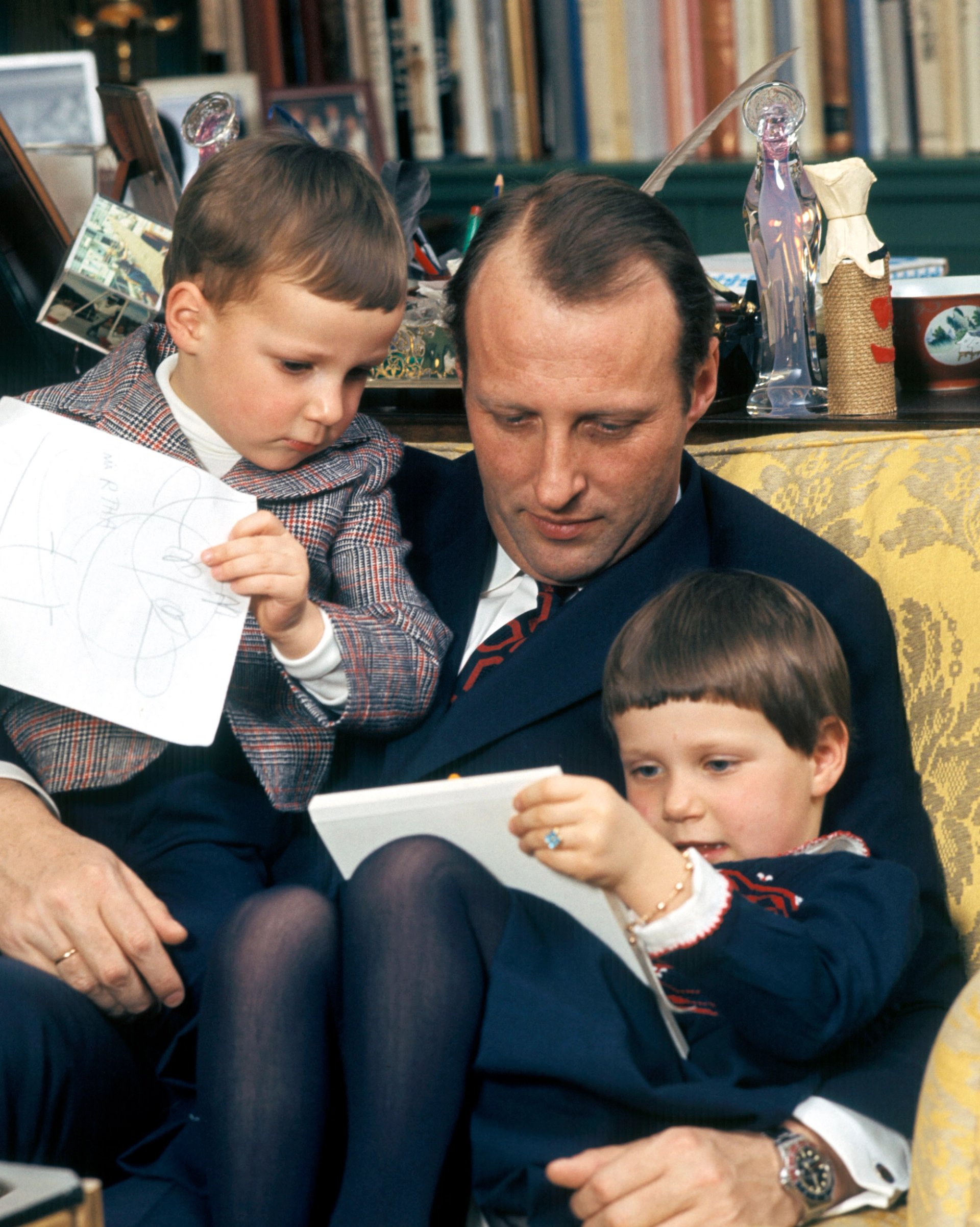
King Haakon spent his childhood at Skaugum Estate in Asker together with his parents and his two years older sister, Princess Märtha Louise. His parents attached great importance to giving the children an upbringing that was as similar as possible to that of other Norwegian children.
Childhood

From an early age, the future King Haakon showed a keen interest in water sports, outdoor activities, and music. He remains actively engaged in promoting sports and outdoor activities through his official engagements.
Crown prince and king
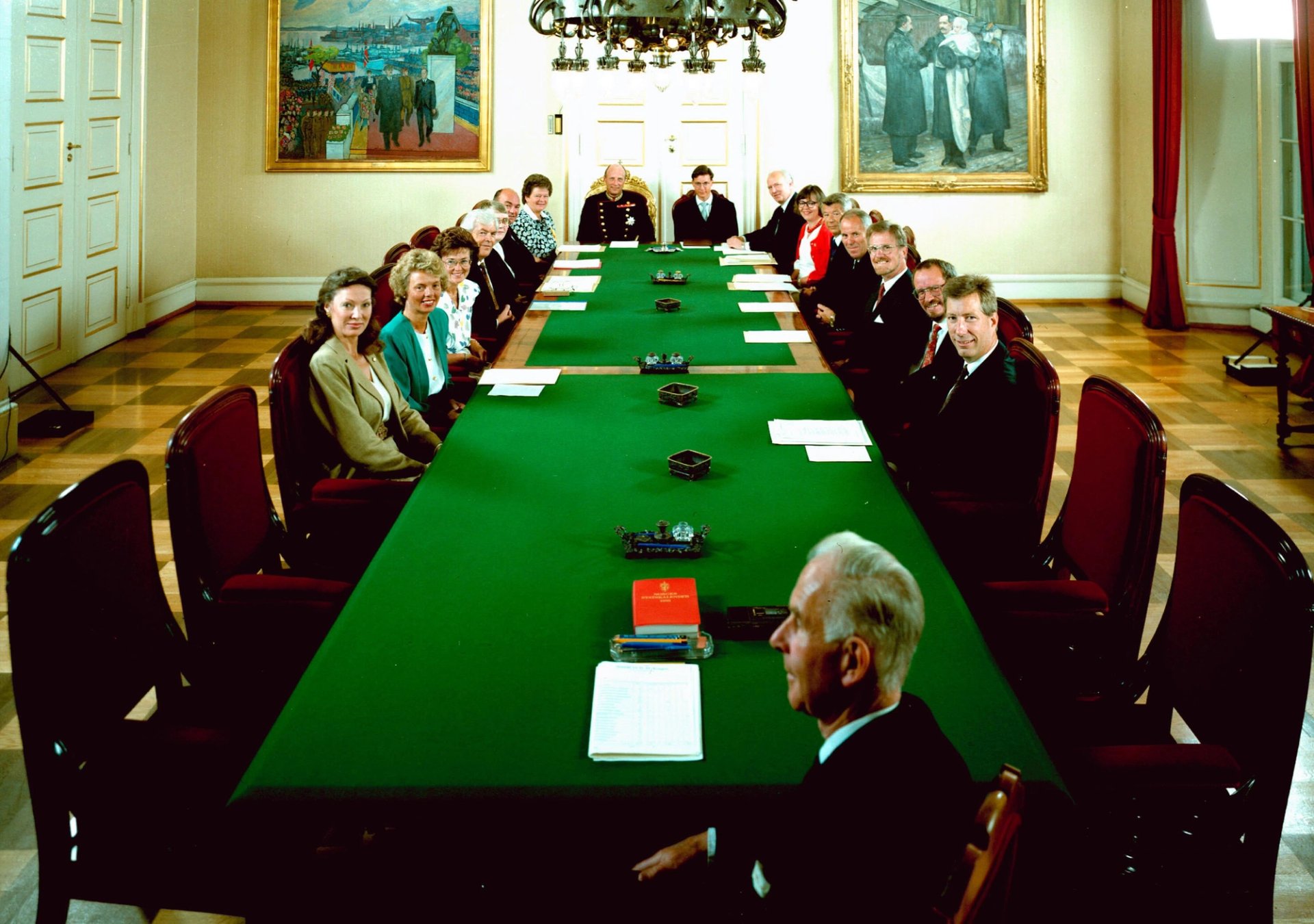
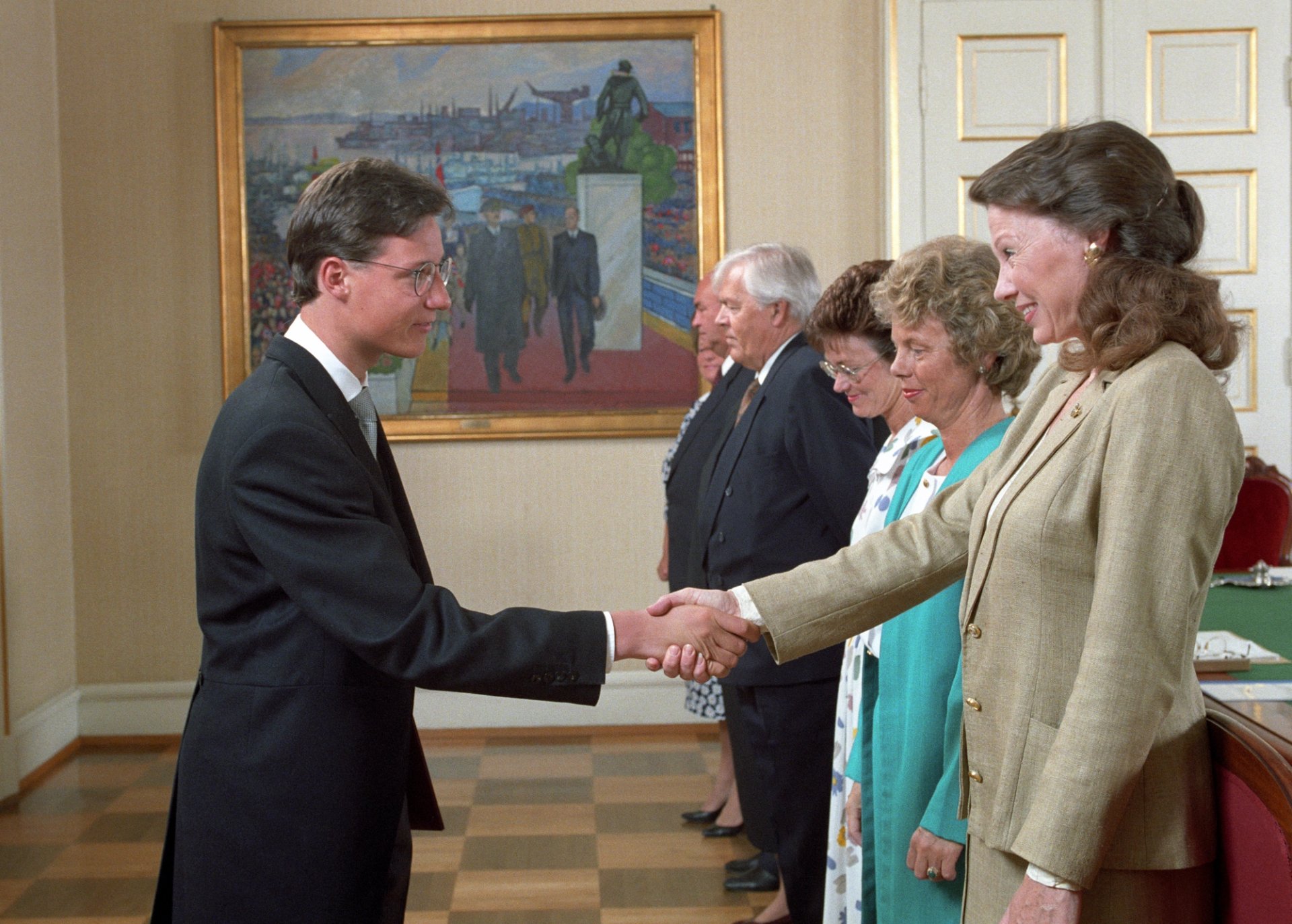
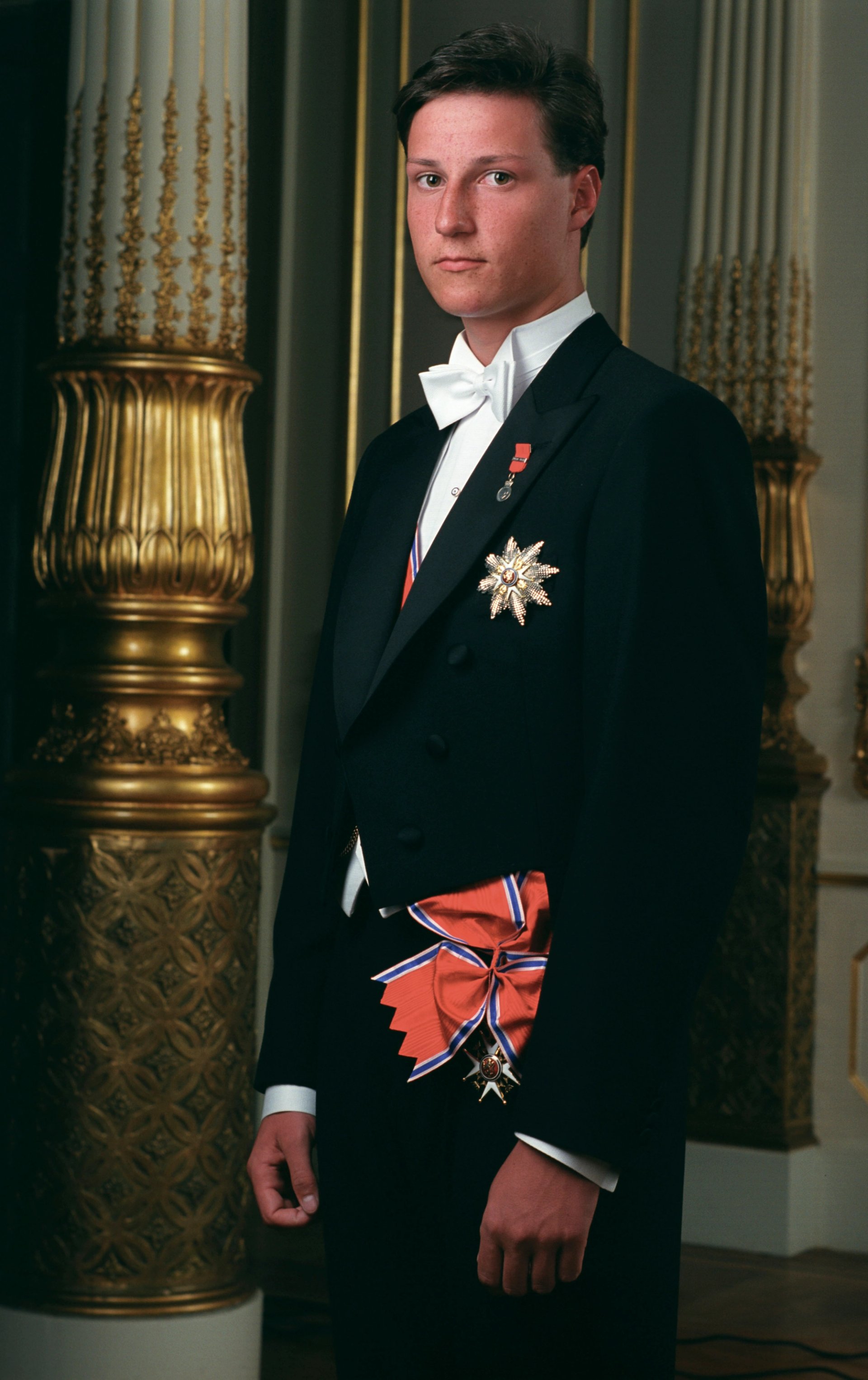
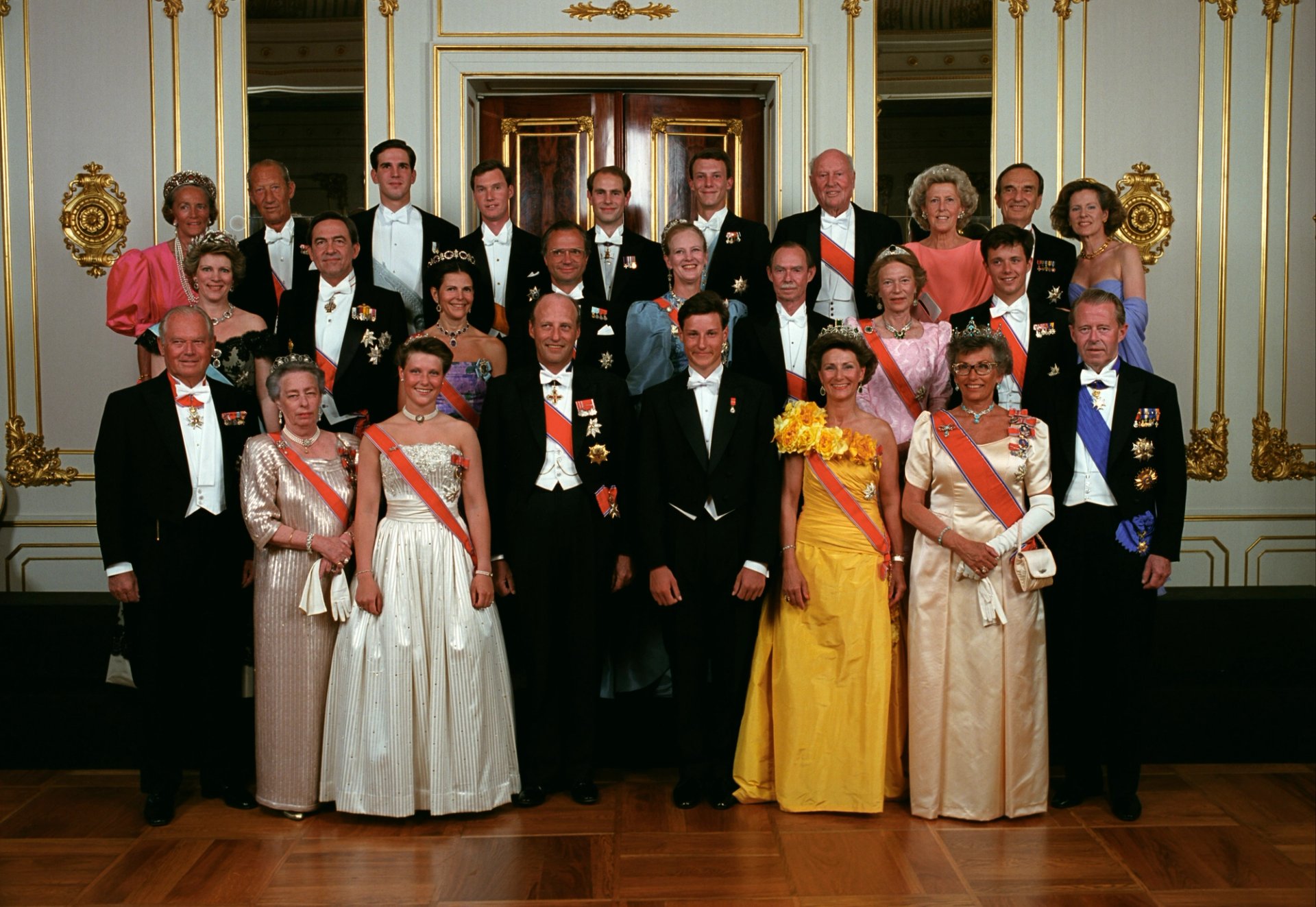
Upon the death of King Olav V on 17 January 1991, he became Norway’s Crown Prince. Later that year, on turning 18, he attended his first Council of State on 20 July 1991, alongside his father, King Harald. The Crown Prince also gave his first official speech that day, delivering the customary toast of thanks following the government dinner held in his honour at Akershus Castle.
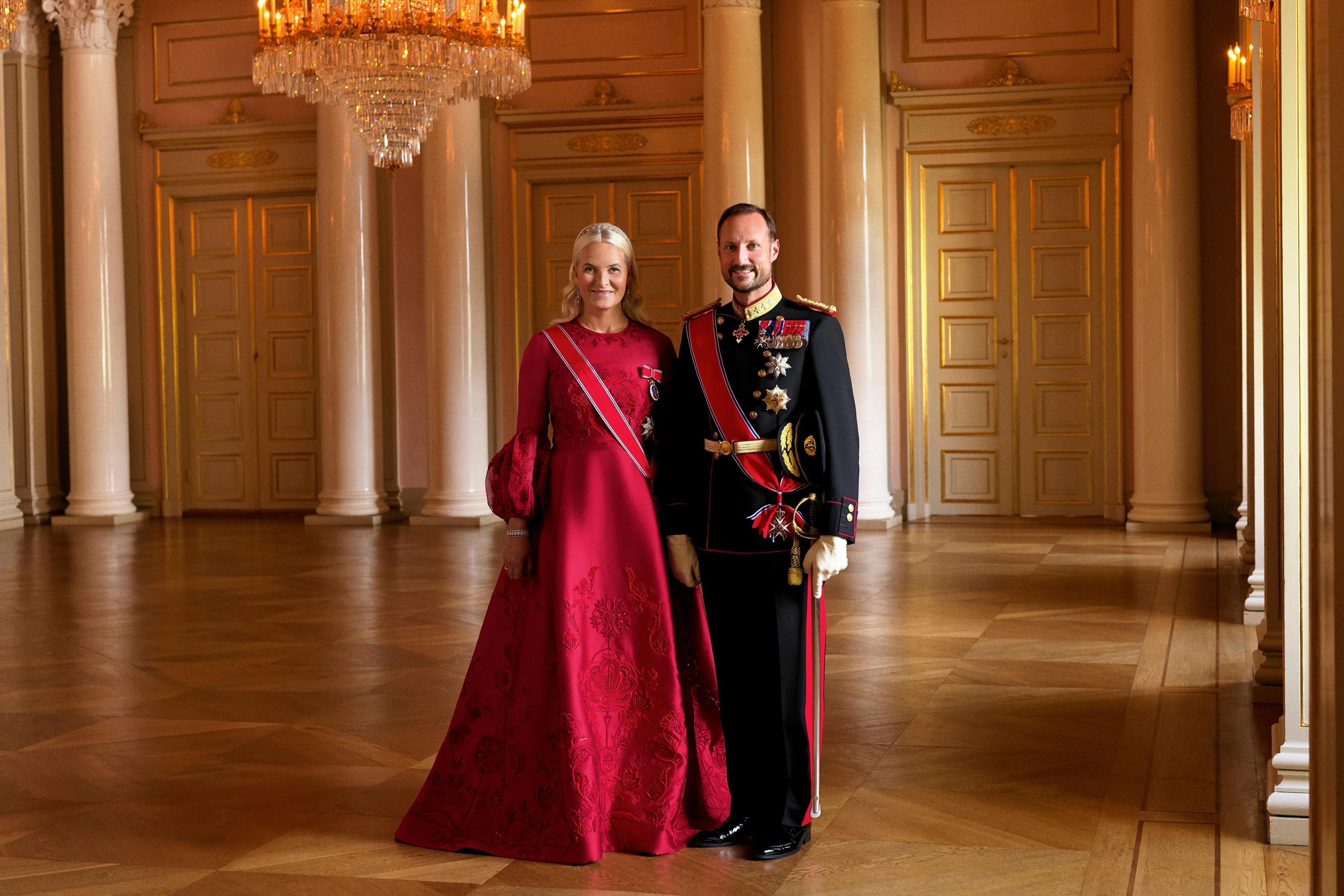
King Haakon VIII succeeded his father as King of Norway when King Harald V died on 28 August 2026. Like his father, grandfather and great-grandfather, he adopted the motto “All for Norway”.
Coming of age
Marriage and family
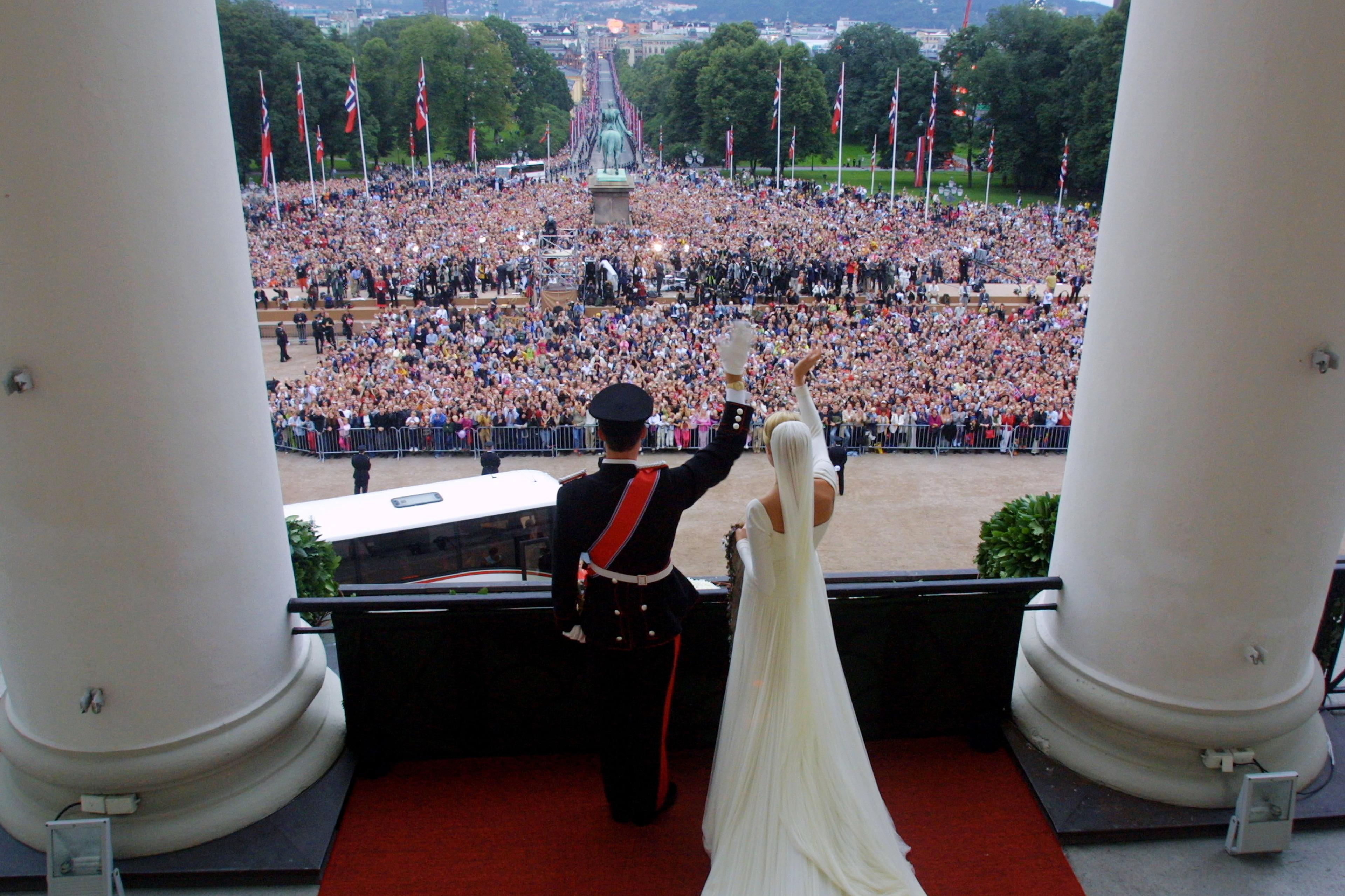
On 25 August 2001, the then Crown Prince Haakon married Mette-Marit Tjessem Høiby at Oslo Cathedral. The couple were married by Bishop Gunnar Stålsett. The wedding was attended by representatives from European royal families, representatives from official Norway, various organisations, as well as family and friends. A celebratory dinner was also held at the Royal Palace following the ceremony.
In time, the couple moved into the official residence of the heir to the throne – Skaugum in Asker.
There are three children in the family: Marius Borg Høiby, Her Royal Highness Crown Princess Ingrid Alexandra and His Highness Prince Sverre Magnus.
Engagement
As Crown Prince, King Haakon carried out a large number of official visits throughout Norway each year. His work reflected his commitment to the environment and sustainability, young people and international engagement. His programme also focused on business and value creation, with a particular commitment to entrepreneurs and the green transition.
The Crown Prince also led several missions abroad on behalf of the Government each year, with the aim of promoting Norwegian interests by building relationships in trade and business, research and culture.
In 2012, he took the initiative to establish the SIKT conference, which annually brings together up to 200 young leaders and talents from across industries and sectors in various Norwegian cities. The Crown Prince and Crown Princess’s Foundation supports projects promoting the inclusion of young people who are at risk of being left behind.
King Haakon has a strong international commitment, with a particular interest in young leadership, sustainability and the fight against poverty. In 2003, he was appointed a Goodwill Ambassador for the United Nations Development Programme (UNDP).
King Haakon’s international engagement also extends to climate and environmental issues, particularly the oceans, polar matters, nature conservation and the fight against climate change. He is especially interested in understanding how technology and innovation can create solutions to protect nature and the climate, both in Norway and elsewhere in the world.
Education
King Haakon pursued higher education both at university and in the Royal Norwegian Naval Academy. He holds a Bachelor degree in political science and a Masters degree in development studies.
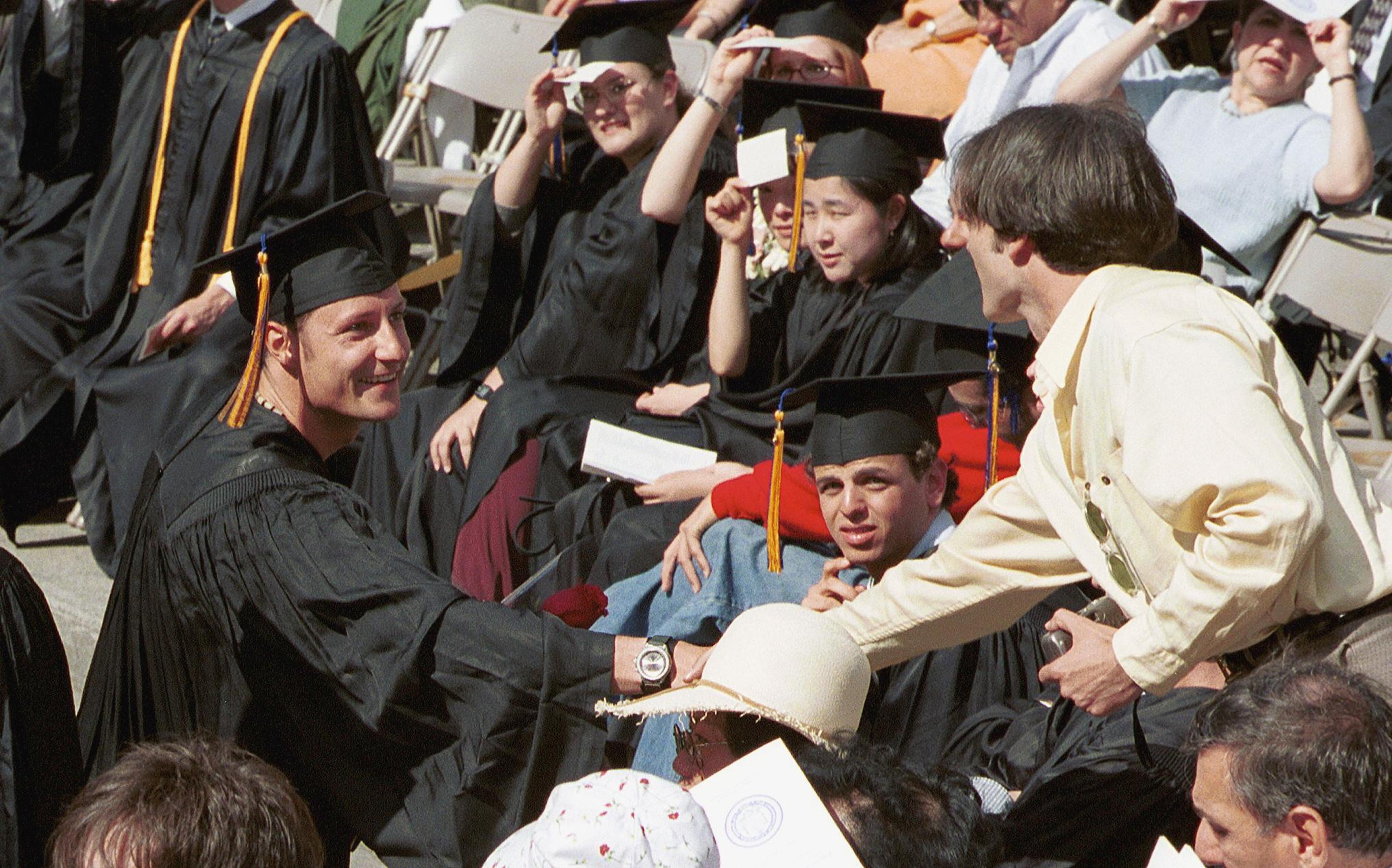
King Haakon's education
Education
Following in his father’s footsteps, Prince Haakon began his education at Smestad School in Oslo. He went on to attend Kristelig Gymnasium for secondary school, where he completed his upper secondary exams (artium) in 1992.
As Crown Prince he pursued higher education both at university and in the Norwegian Armed Forces.
The Crown Prince holds a Bachelor in political science from the University of California at Berkeley (1999) and a Masters degree in development studies from the London School of Economics and Political Science (2003), specialising in international trade and Africa.
In autumn 1999, he undertook an internship at Norway’s Permanent Mission to the United Nations in New York, observing the work of the General Assembly’s Third Committee. In 2001, he completed the Ministry of Foreign Affairs’ trainee programme.