The biography of King Harald
King Harald V succeeded his father, King Olav, as Norway’s Head of State on 17 January 1991. Like his father and grandfather, he adopted the motto “All for Norway”, and, like them, became a much-loved monarch. King Harald died on 28 August 2026 after 35 years as King of Norway.
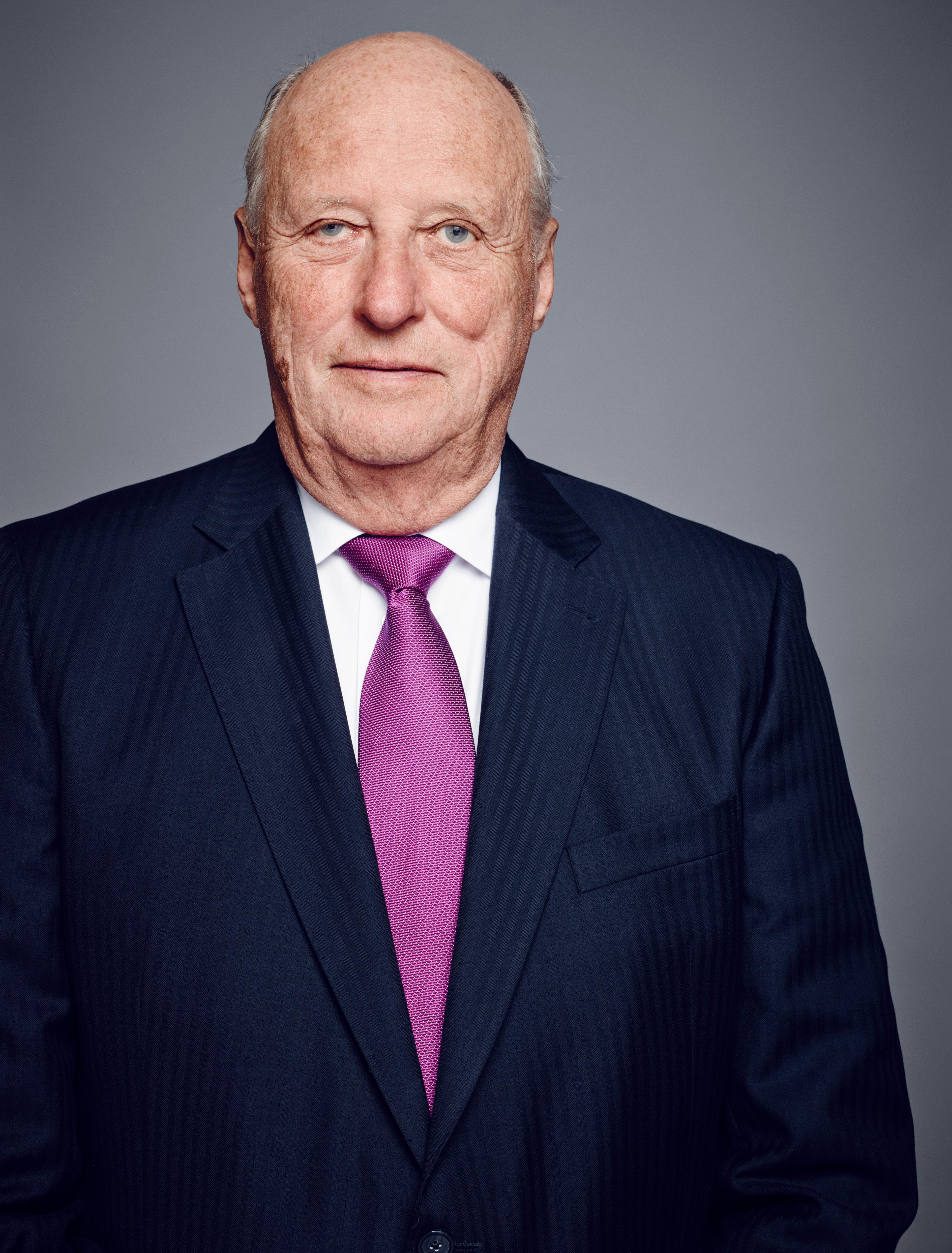
King Harald was born on 21 February 1937 at Skaugum in Asker, the son of the then Crown Prince Olav and Crown Princess Märtha. His grandfather, King Haakon VII, was King of Norway.
Prince Harald was the first prince born in Norway in 567 years. Crown Prince Olav and Crown Princess Märtha already had two daughters, but at the time, the Norwegian Constitution of 1814 stipulated that only male heirs could inherit the Throne. Thus, the birth of Prince Harald guaranteed the line of succession.
Early life
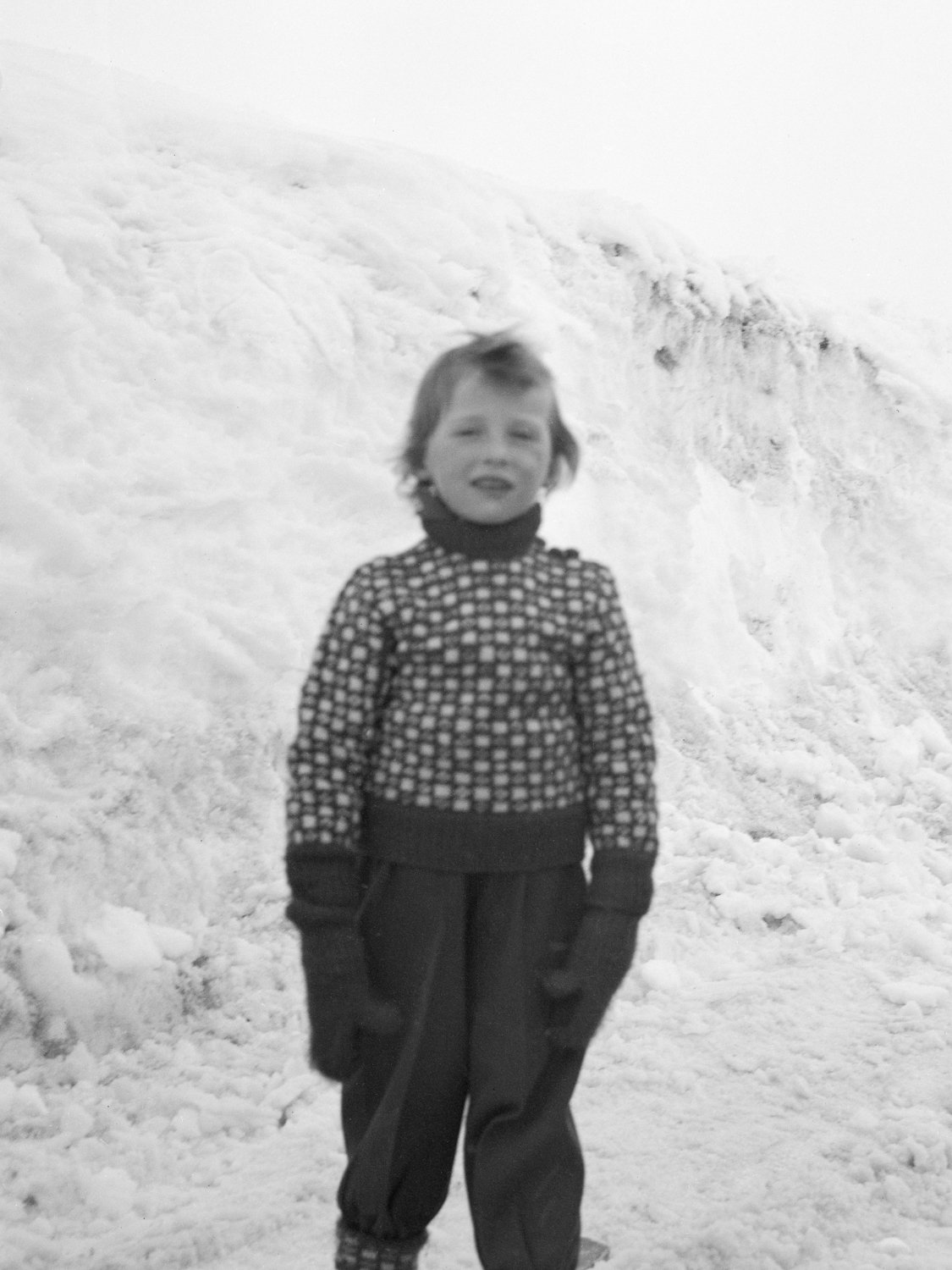
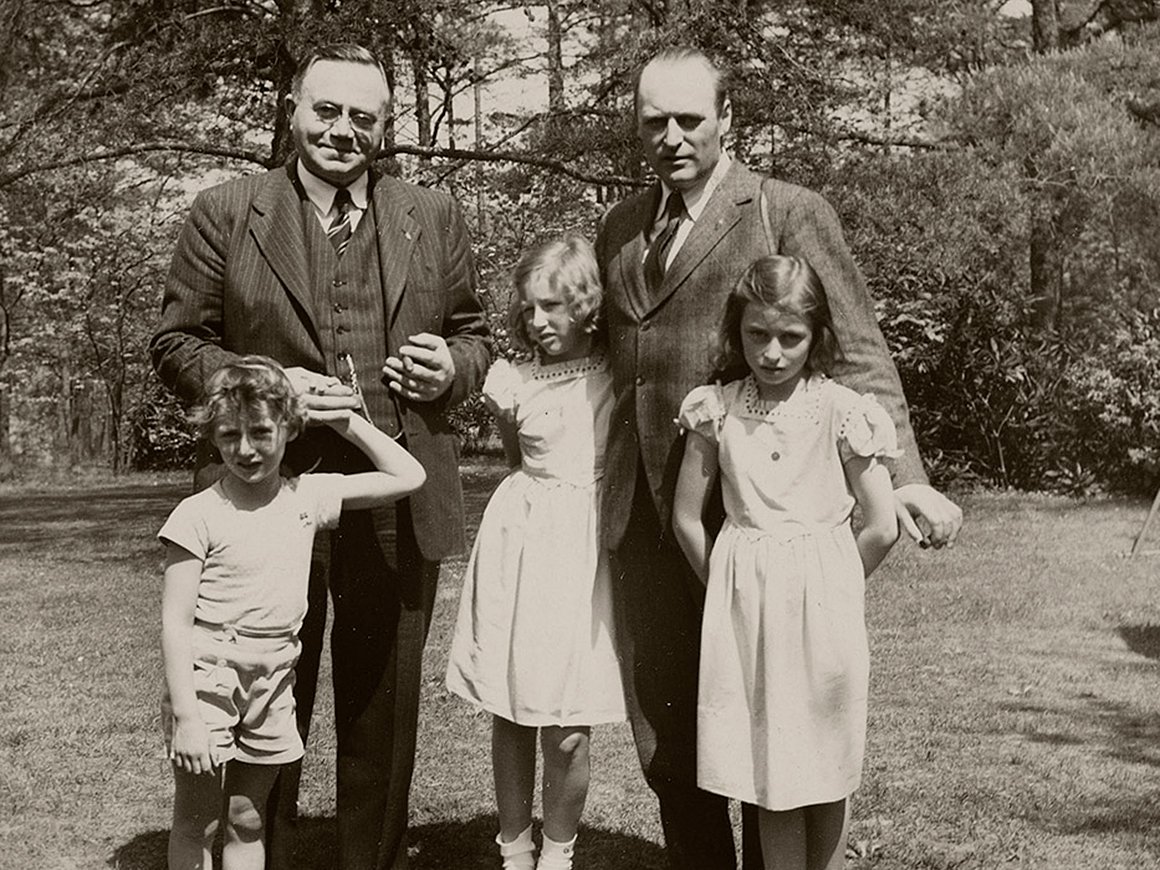
The first three years of Prince Harald’s life were spent in the peaceful surroundings of Skaugum, growing up with his sisters, Princess Ragnhild and Princess Astrid.
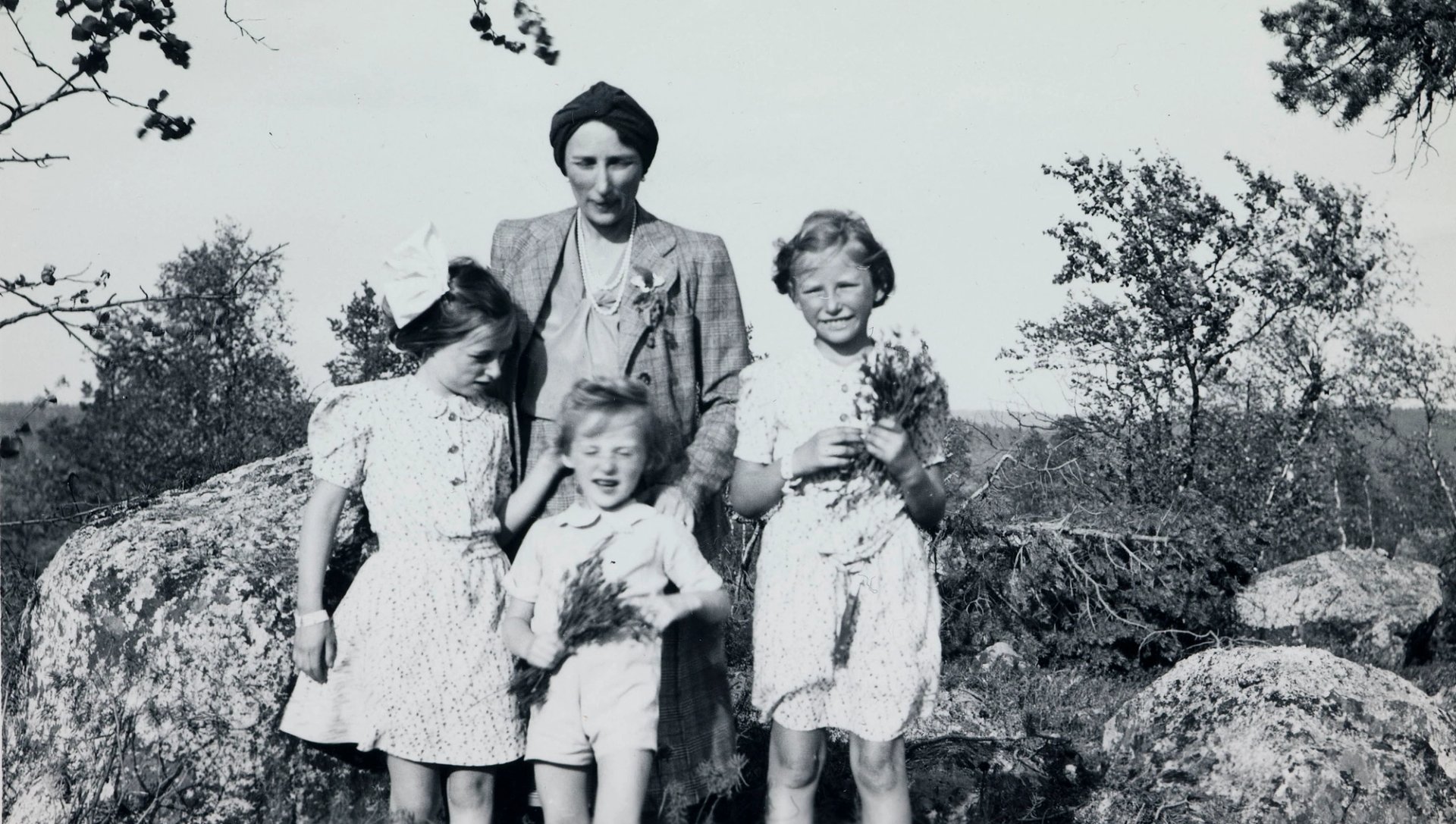
However, this came to an abrupt end on 9 April 1940, when German troops invaded Norway. To avoid being taken into custody by the occupying forces, the Royal Family, the Government and most members of the Norwegian parliament escaped from Oslo by train. That same night, Crown Princess Märtha fled with the children to safety across the border to Sweden. On 12 August they travelled to the USA on the invitation of President Franklin D. Roosevelt.
In the US during the war
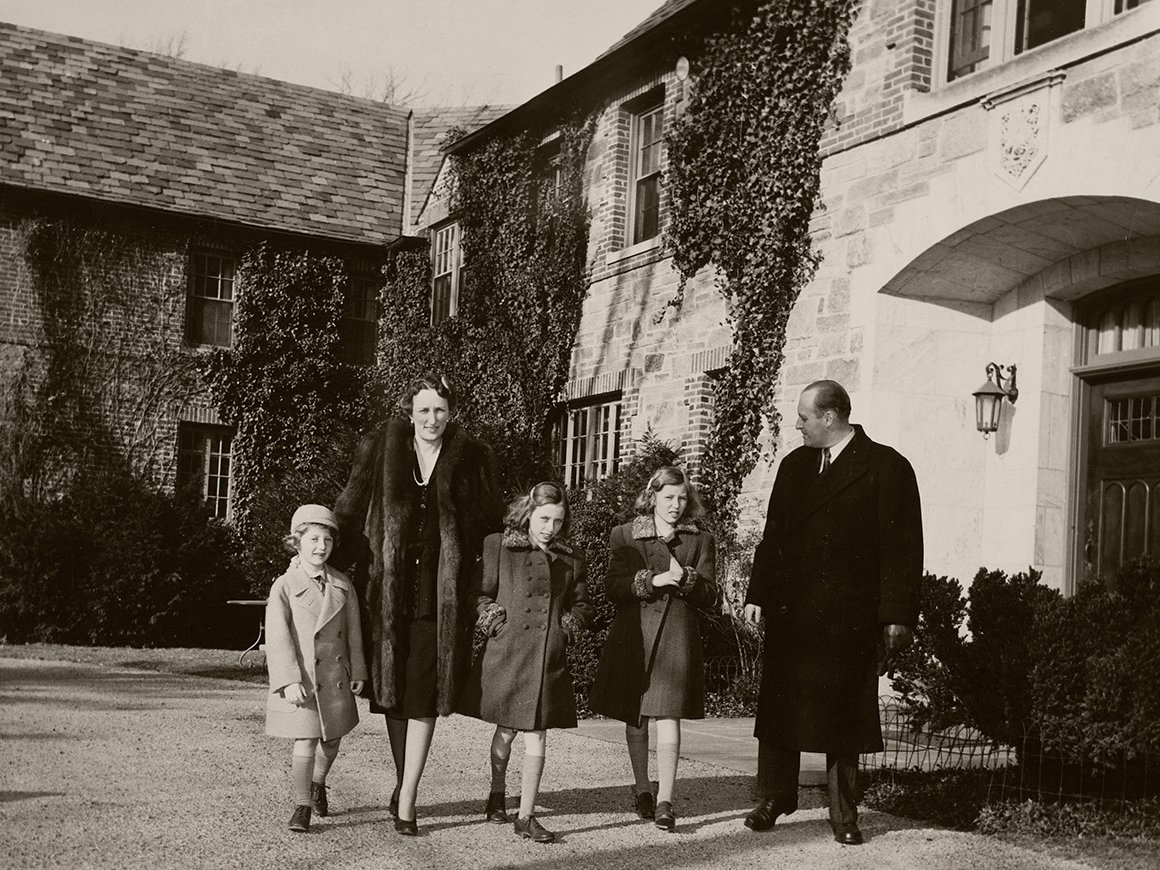
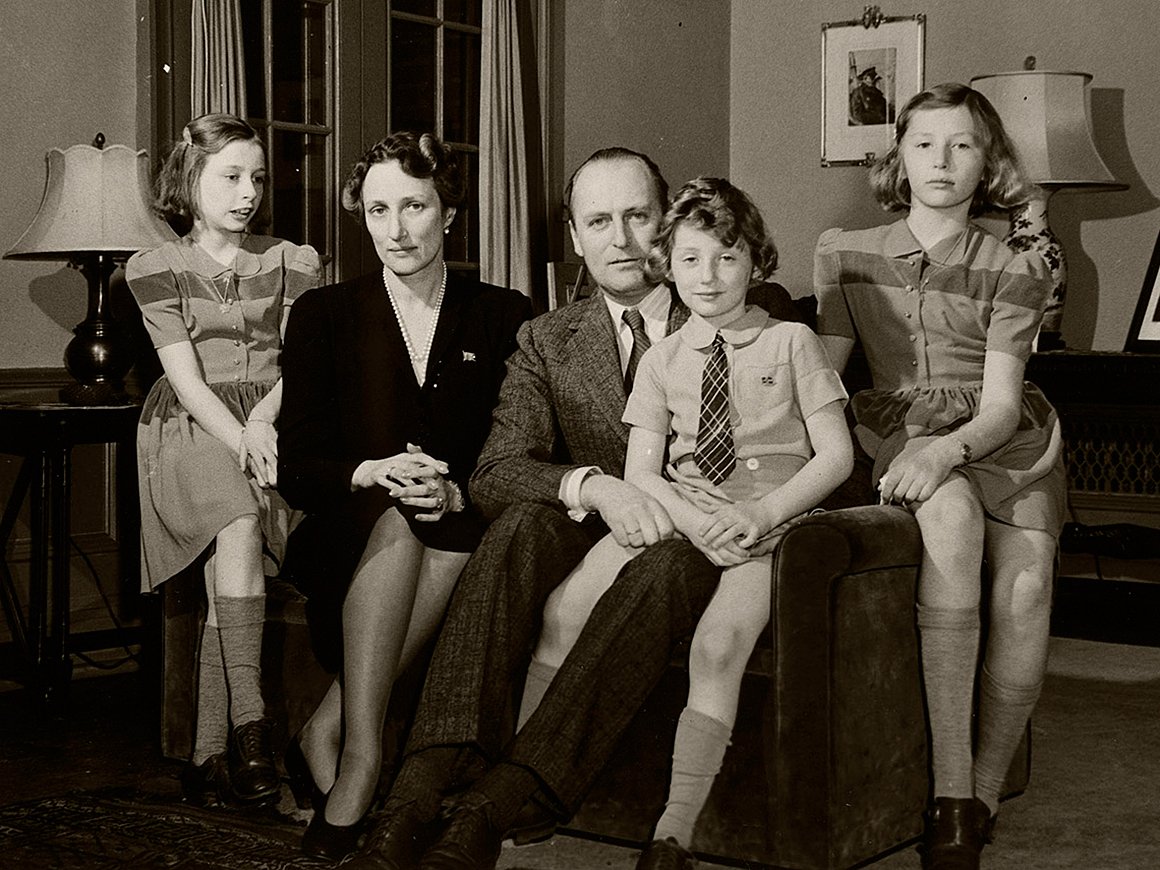
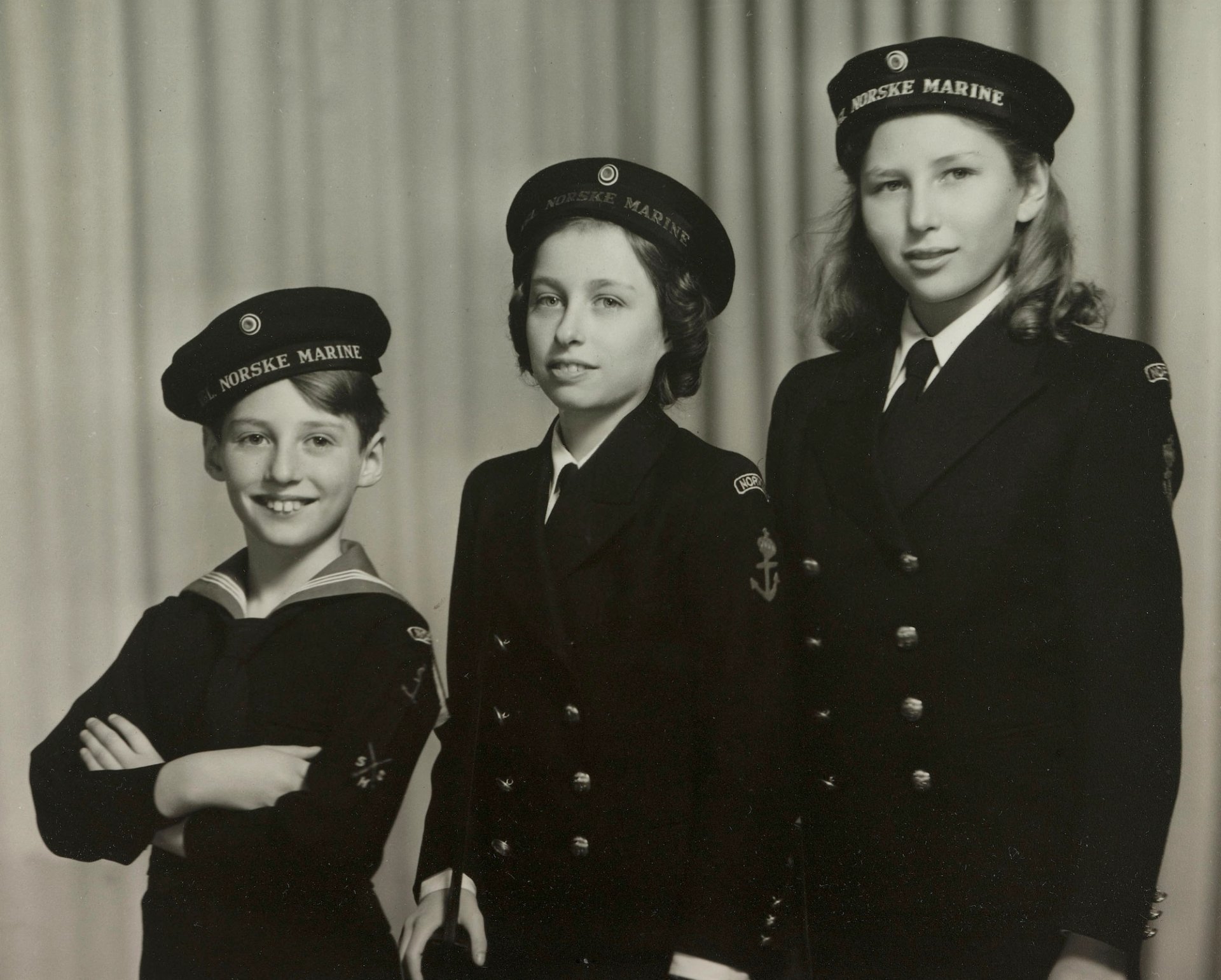
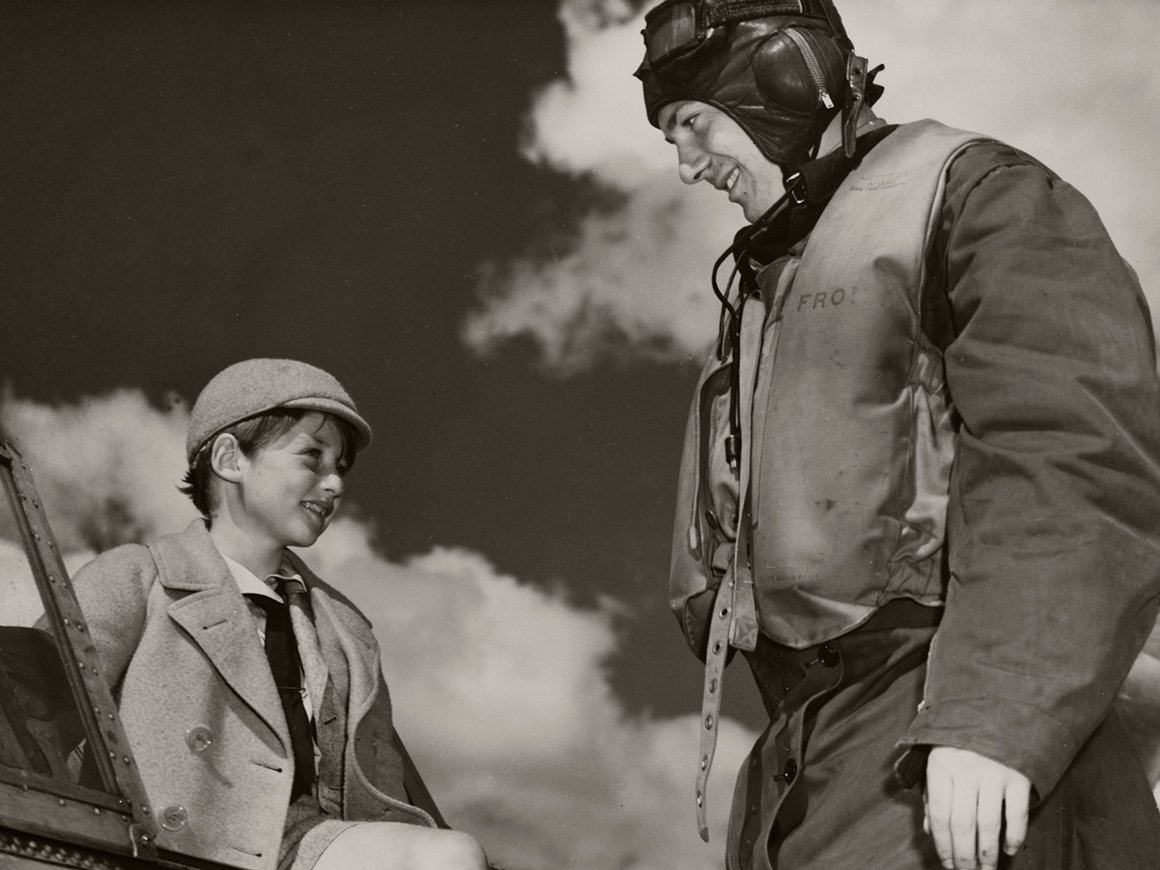
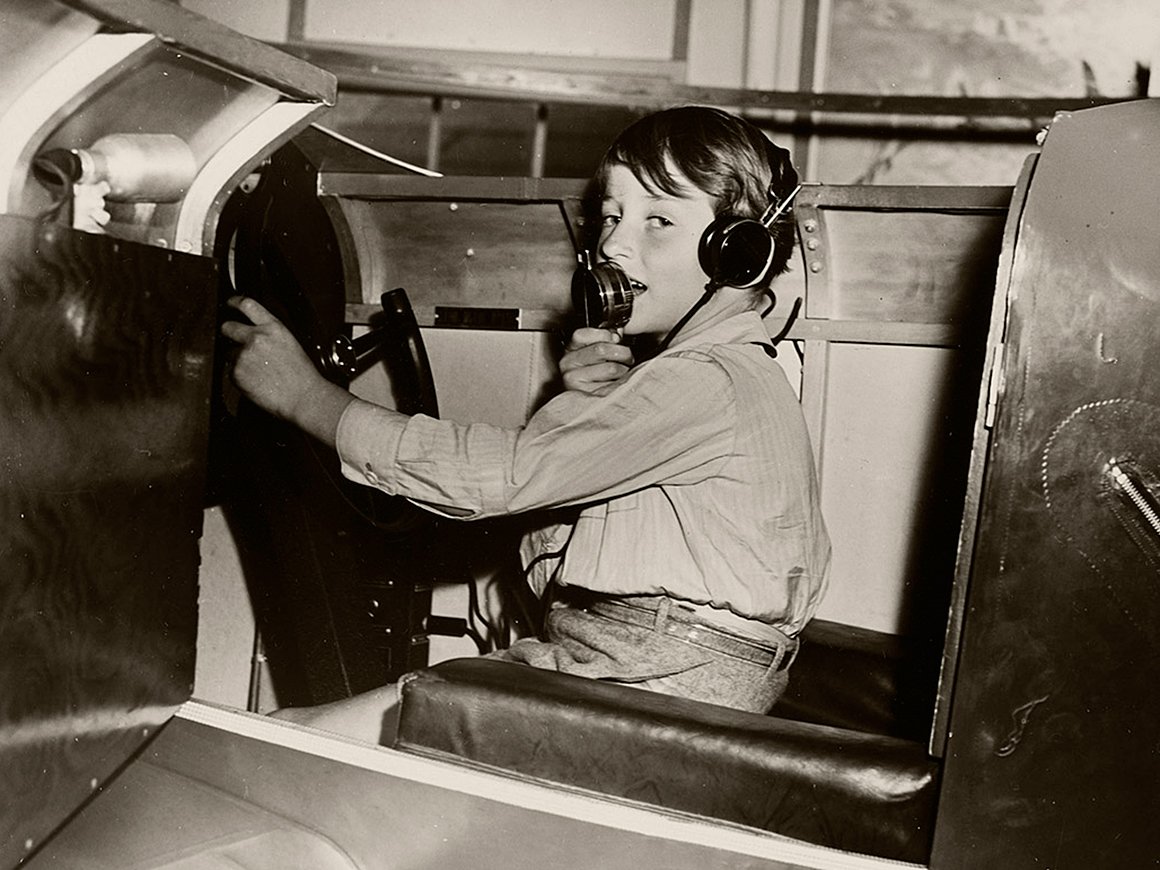
For the next five years, Prince Harald lived with his mother and sisters at Pook’s Hill outside Washington, DC. Crown Princess Märtha worked tirelessly in support of Norwegian interests, and the children contributed in their own way.
Showing 8 of 16
Germany capitulated on 8 May 1945, and on 7 June Prince Harald returned to Norway together with King Haakon VII, his mother and his sisters. They disembarked at Honnørbrygga in Oslo, where Crown Prince Olav and a vast crowd welcomed them home.
Education
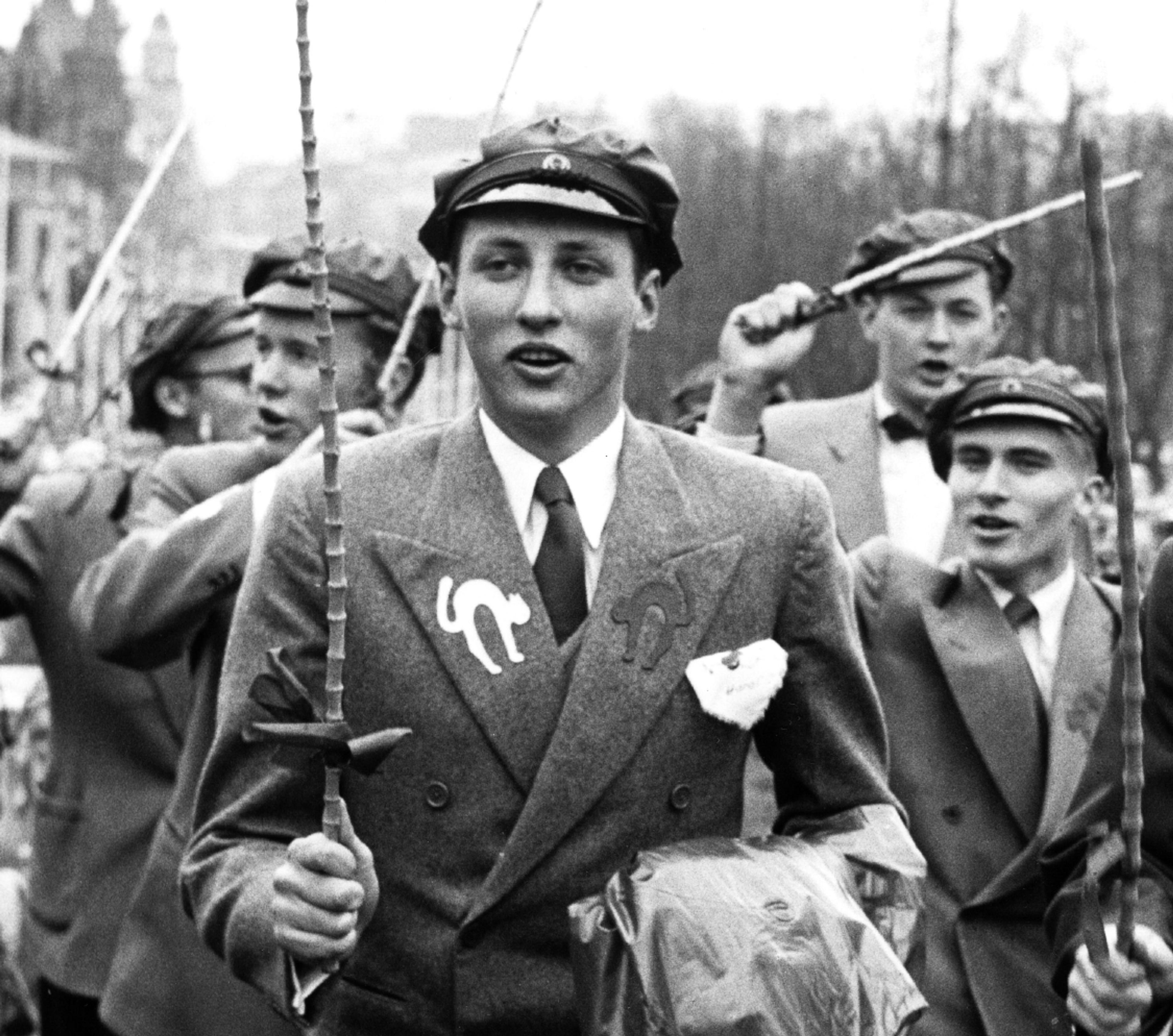
Prince Harald had turned eight years old. He began attending Smestad School in Oslo, and apart from a security guard in the corridor, there was little to distinguish the Prince’s schooling from that of other children. Emphasis was placed on giving him an upbringing rooted in contemporary society, as similar as possible to that of his peers.
King Harald's education
After the homecoming in 1945 Prince Harald attended Smestad school in Oslo. He completed his upper secondary education at Oslo Cathedral School, receiving his school-leaving certificate in 1955.
Prince Harald entered the Norwegian Cavalry Officers’ Training School and went on to finish his military education at the Military Academy in 1959.
Upon completion of his compulsory military service, the Crown Prince went to Oxford for further study. He attended Balliol College from 1960 to 1962, studying social science, history and economics.
Crown Prince - and King
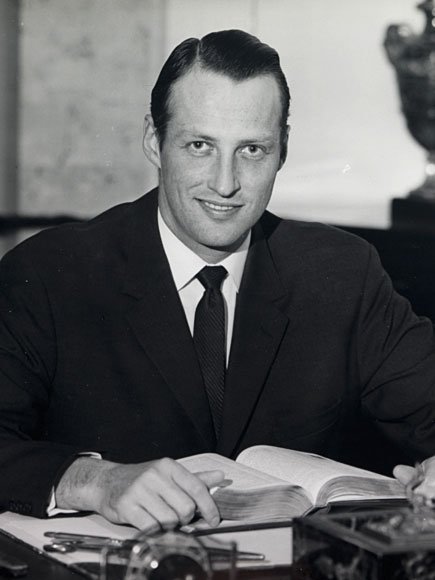
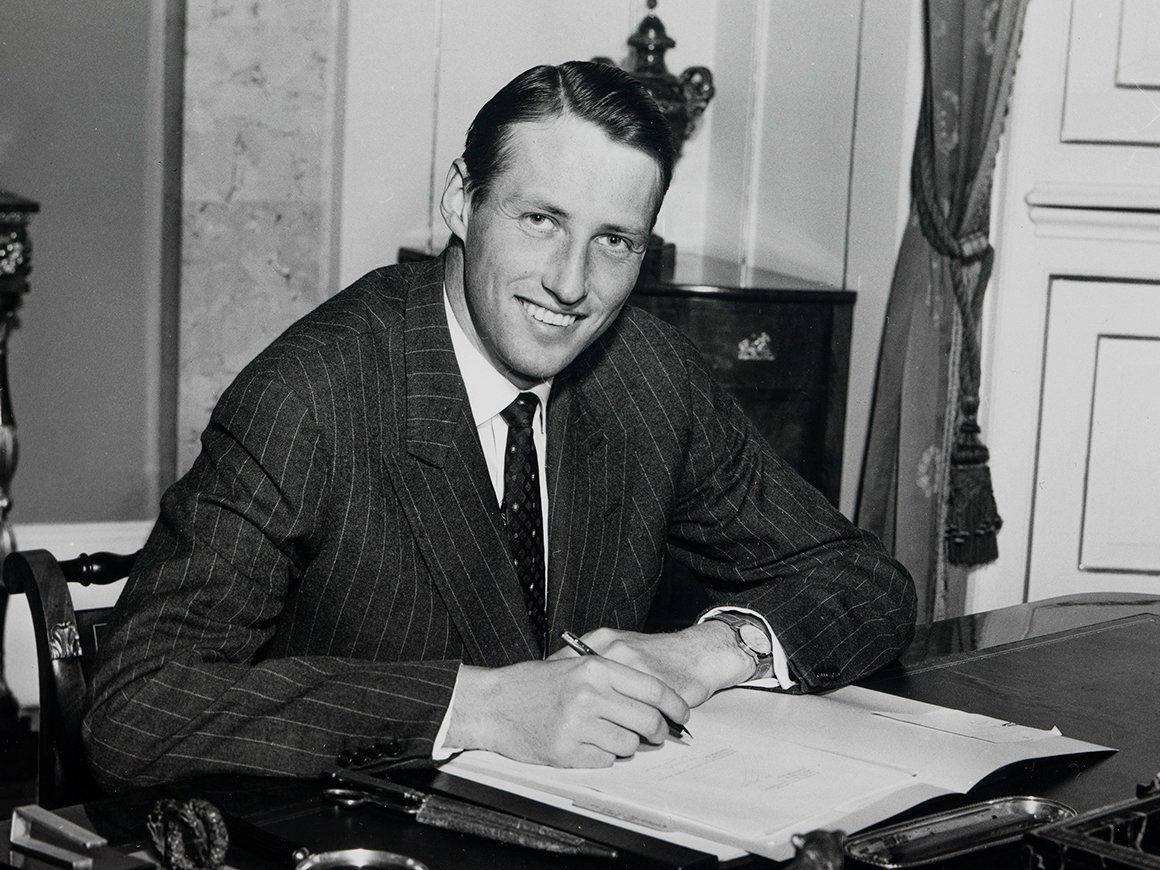
King Haakon VII died on 21 September 1957, and Prince Harald became Crown Prince. He attended the Council of State for the first time and the following year he acted as Regent in the King’s absence for the first time. The Crown Prince worked closely alongside his father, King Olav V, and carried out an increasing number of official tasks.
In 1960 Crown Prince Harald made his first official state visit abroad, travelling to the USA in connection with the 50th anniversary of the American-Scandinavian Foundation.
Promoting Norwegian business abroad was to become an important area of work for Crown Prince Harald, and he took part in numerous trips with trade delegations, acting as a door-opener for Norwegian industry. He continued promoting Norwegian business as king, not least in connection with his many state visits.
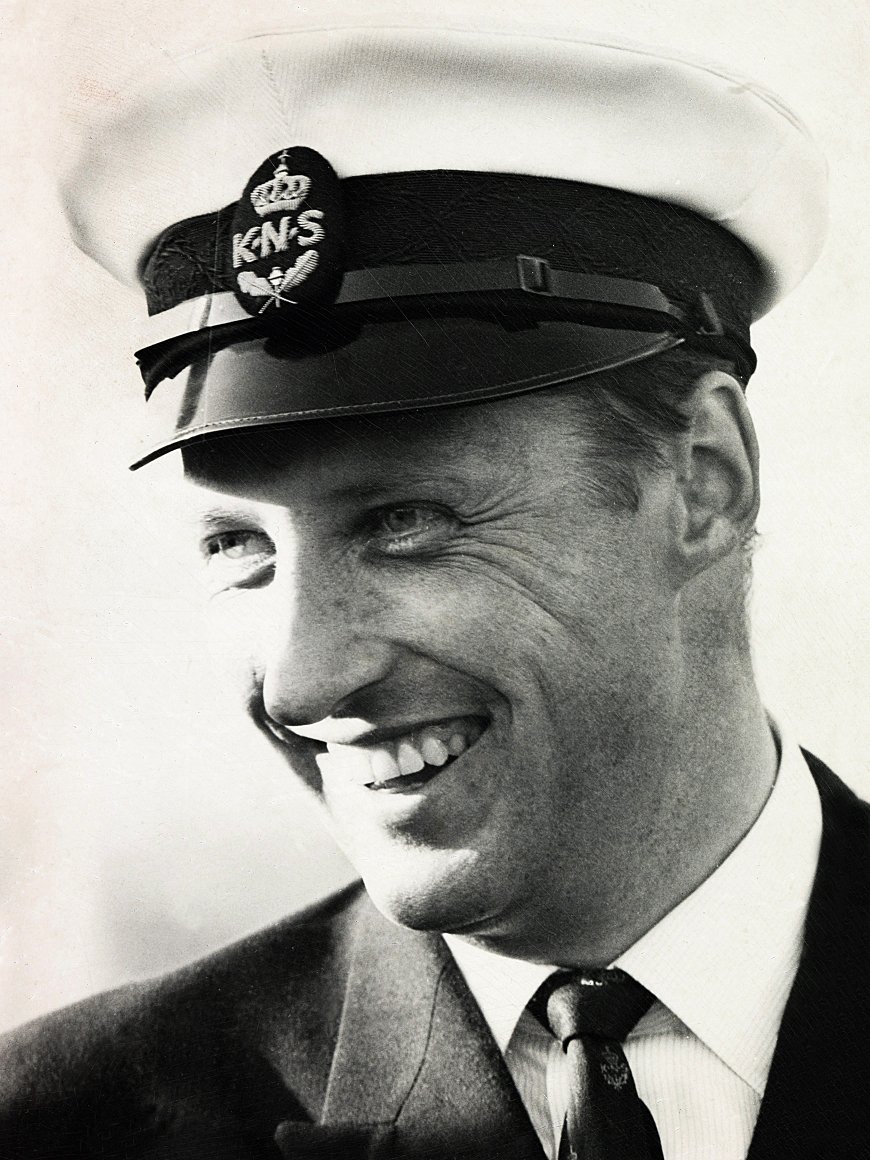
King Harald as Prince and Crown Prince
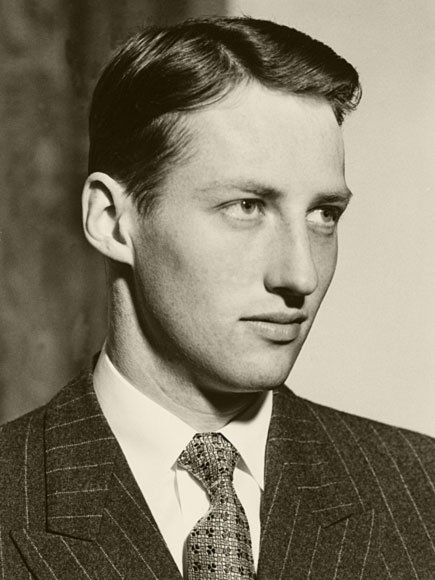
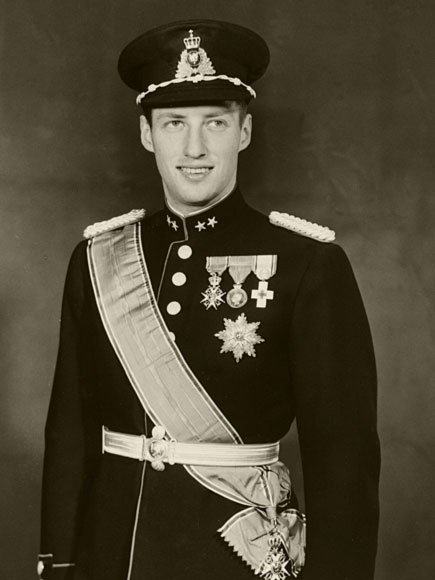
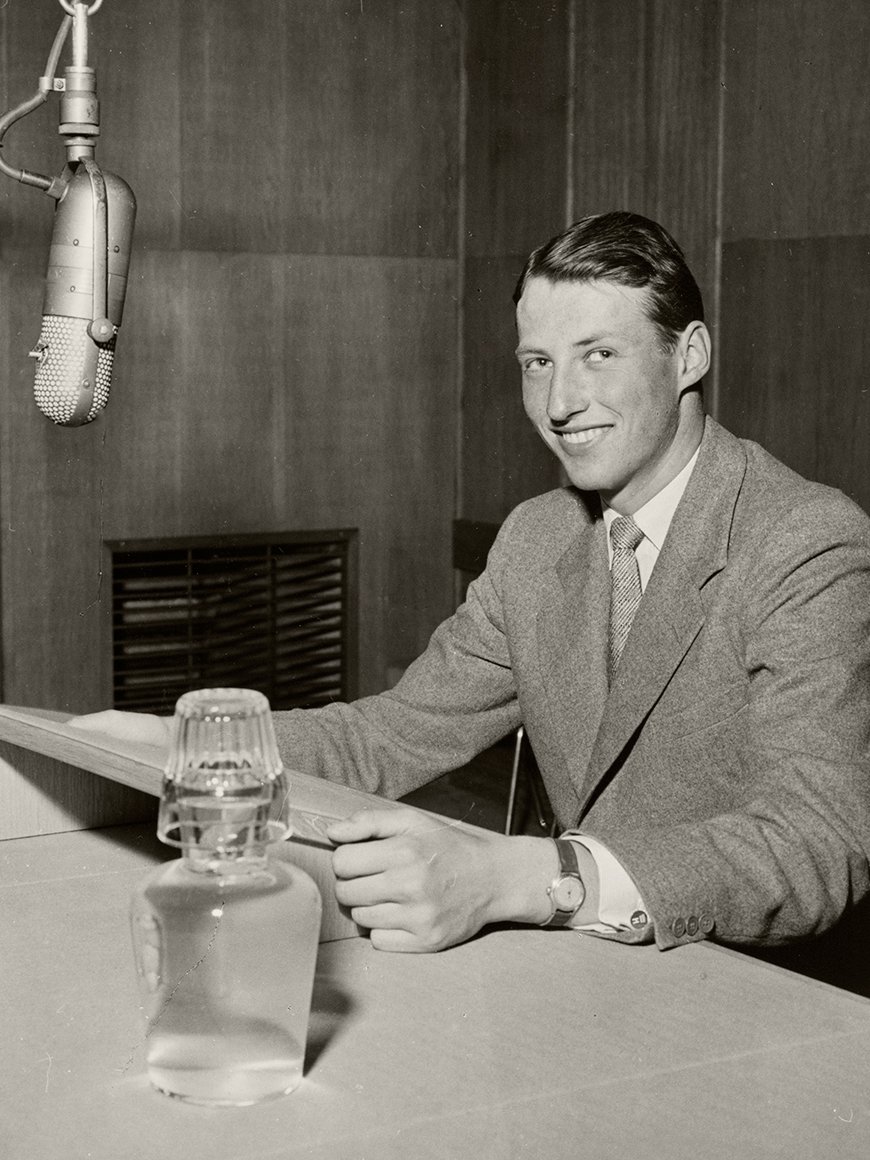
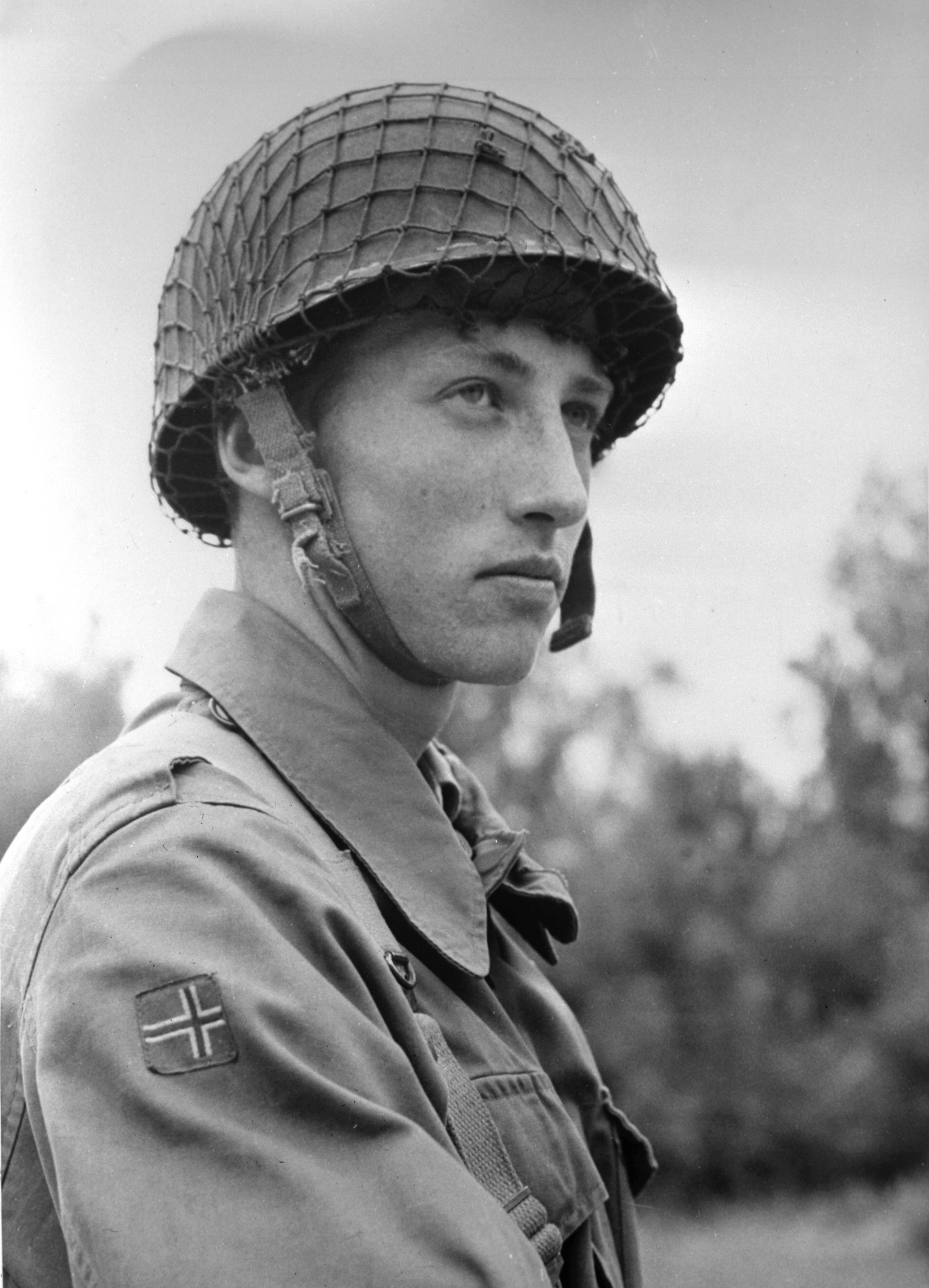
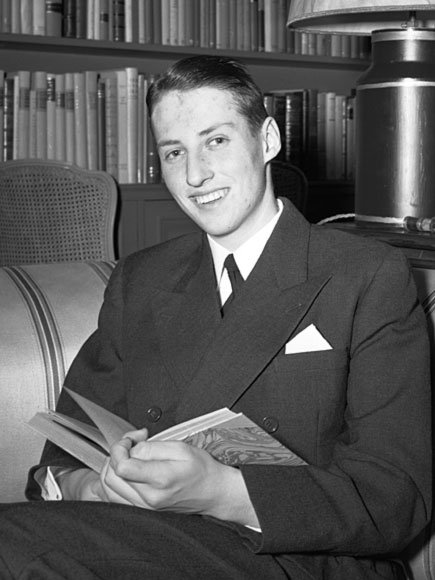
Showing 8 of 16
King of Norway for 35 years
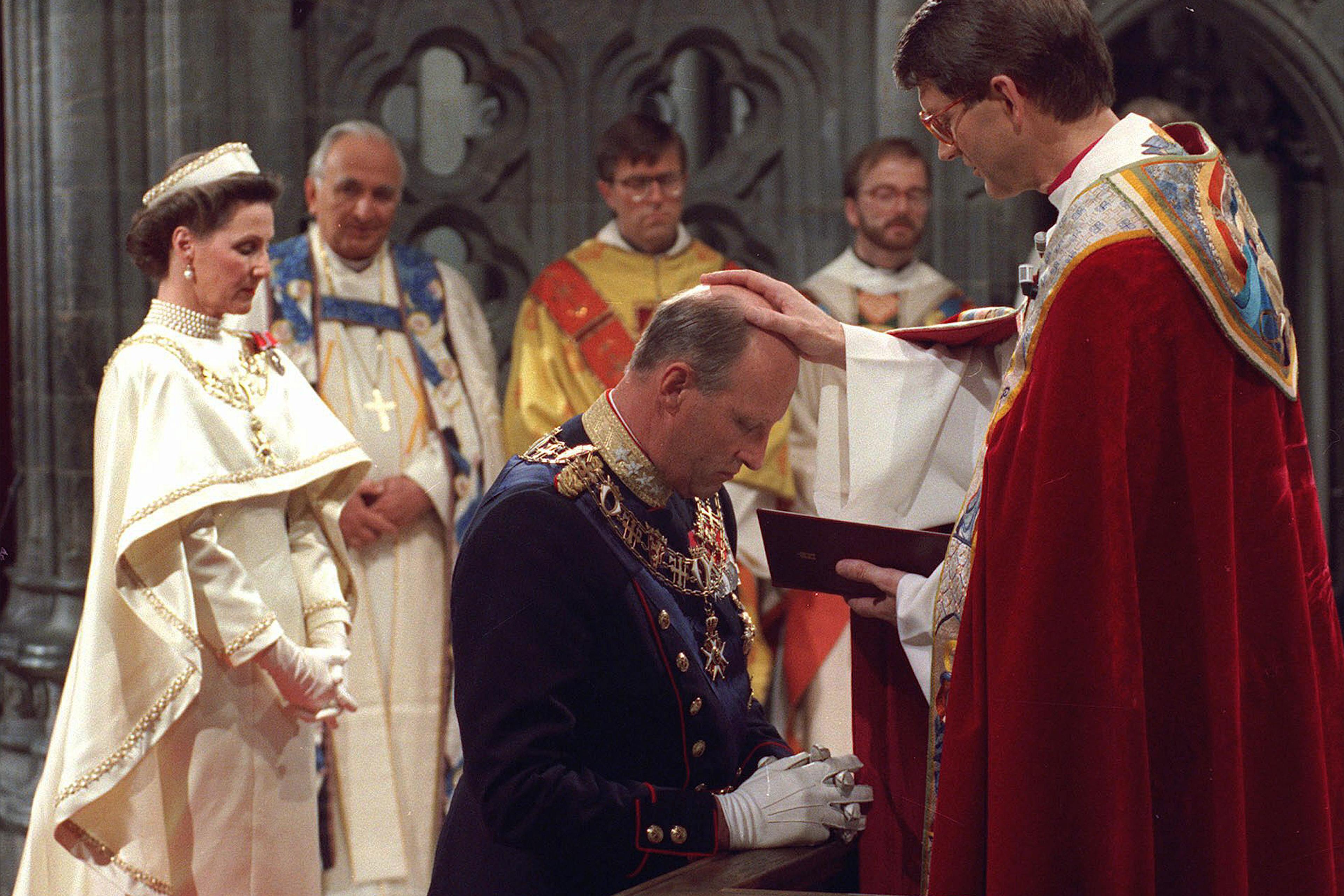
When King Olav fell ill in the spring of 1990, the King’s functions as Head of State were filled by the Crown Prince Regent. And when King Olav passed away on 17 January 1991, Crown Prince Harald acceded to the Throne. Four days later he swore his oath to uphold the Constitution in a solemn ceremony in the Storting. King Harald was concecrated in Nidaros Cathedral 23. June 1991.
Like his father and grandfather before him, King Harald adopted the motto “Alt for Norge" (All for Norway).
For 35 years, King Harald was Norway's monarch, carrying out his many duties – both those entrusted to him by the Constitution and those he chose to champion himself.
King Harald met people from all across the country. He was there for the great celebrations – and in times of profound sorrow. Following the terrorist attacks of 22 July 2011, he gave voice to the grief and despair felt throughout the country.
King Harald first attended the Council of State when he became Crown Prince in 1957, and presided over it from 1991 onwards – around 40 times a year. Eight governments were appointed by King Harald – the very first in 1990, when he was still Crown Prince Regent. Jonas Gahr Støre’s government, appointed in 2021, was to be the last.
King Harald represented Norway abroad and undertook a long series of state visits and other official journeys. There were to be 107 state visits during King Harald’s reign – 50 abroad and 57 as host to foreign heads of state on state visits to Norway, always accompanied by Queen Sonja.
King Harald received invitations to events, anniversaries and other occasions throughout the country, and sought to attend whenever his programme allowed. One of the things he valued most was undertaking his annual county tours together with Queen Sonja.
King Harald and Queen Sonja opened the Royal Palace to visitors and hosted events to honour the contributions of medal recipients, volunteers, older community champions, athletes and others who had made a particular contribution to Norwegian society in various ways.
As King of Norway, King Harald was the country’s Commander-in-Chief, holding the rank of General in the Army and Air Force and Admiral in the Navy. He was educated at the Norwegian Military Academy and continued a tradition that stretches back to King Olav V and King Haakon VII – and forward to His Majesty King Haakon VIII and Her Royal Highness Crown Princess Ingrid Alexandra.
Wedding
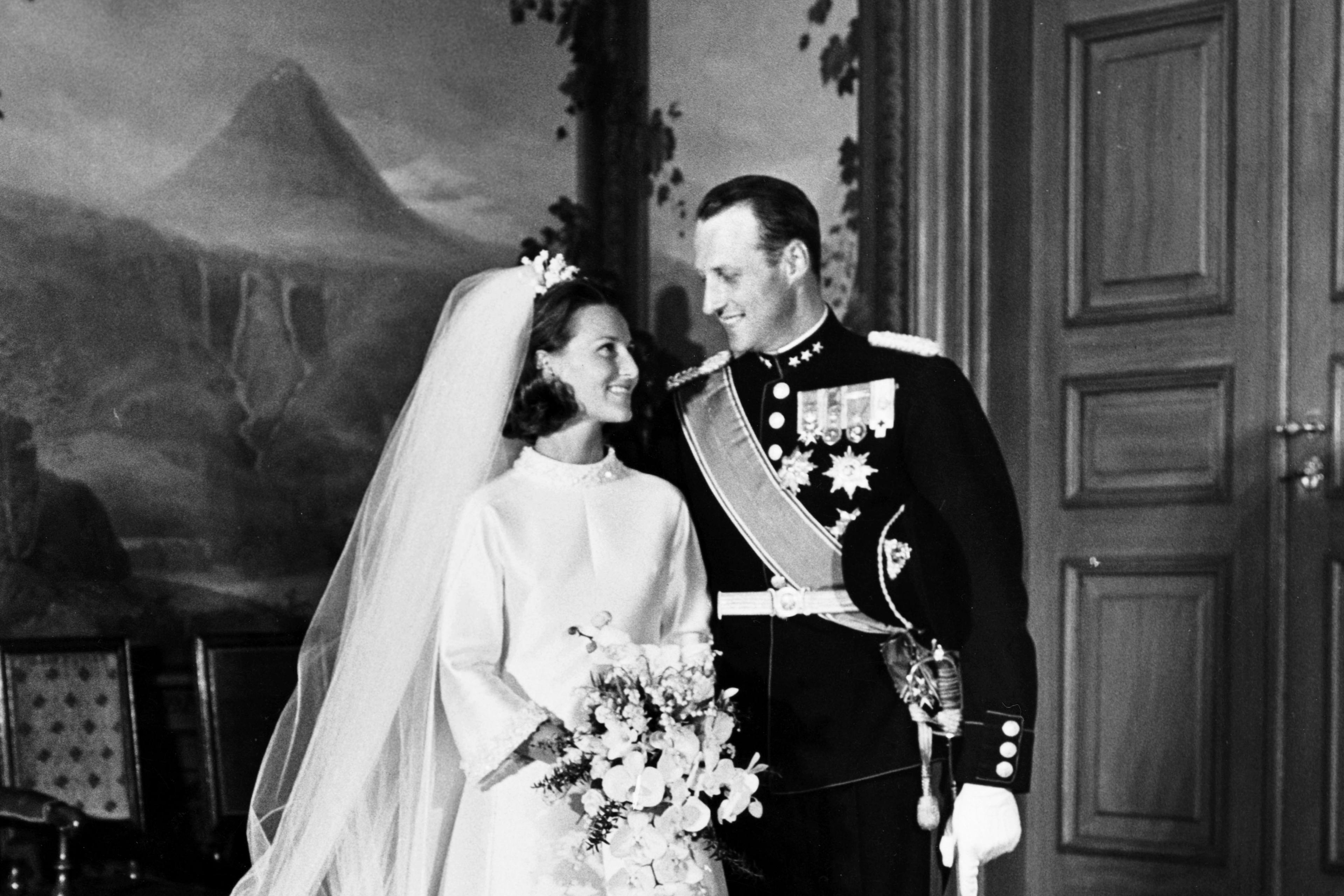
On 19 March 1968 it was announced that King Olav had given permission for the Crown Prince to marry Miss Sonja Haraldsen from Vinderen in Oslo. The couple had known each other for nine years.
It was expected that the Crown Prince, as heir to the throne, would marry someone from a European royal house or the nobility, and his wish to marry a commoner sparked considerable debate. Many predicted the fall of the monarchy as a result of such a marriage.
After consultations with the Presidium of the Storting, the parliamentary leaders and the Government, King Olav finally gave his consent: Crown Prince Harald could marry Sonja Haraldsen.
The wedding was held at Oslo Cathedral 29 August 1968.
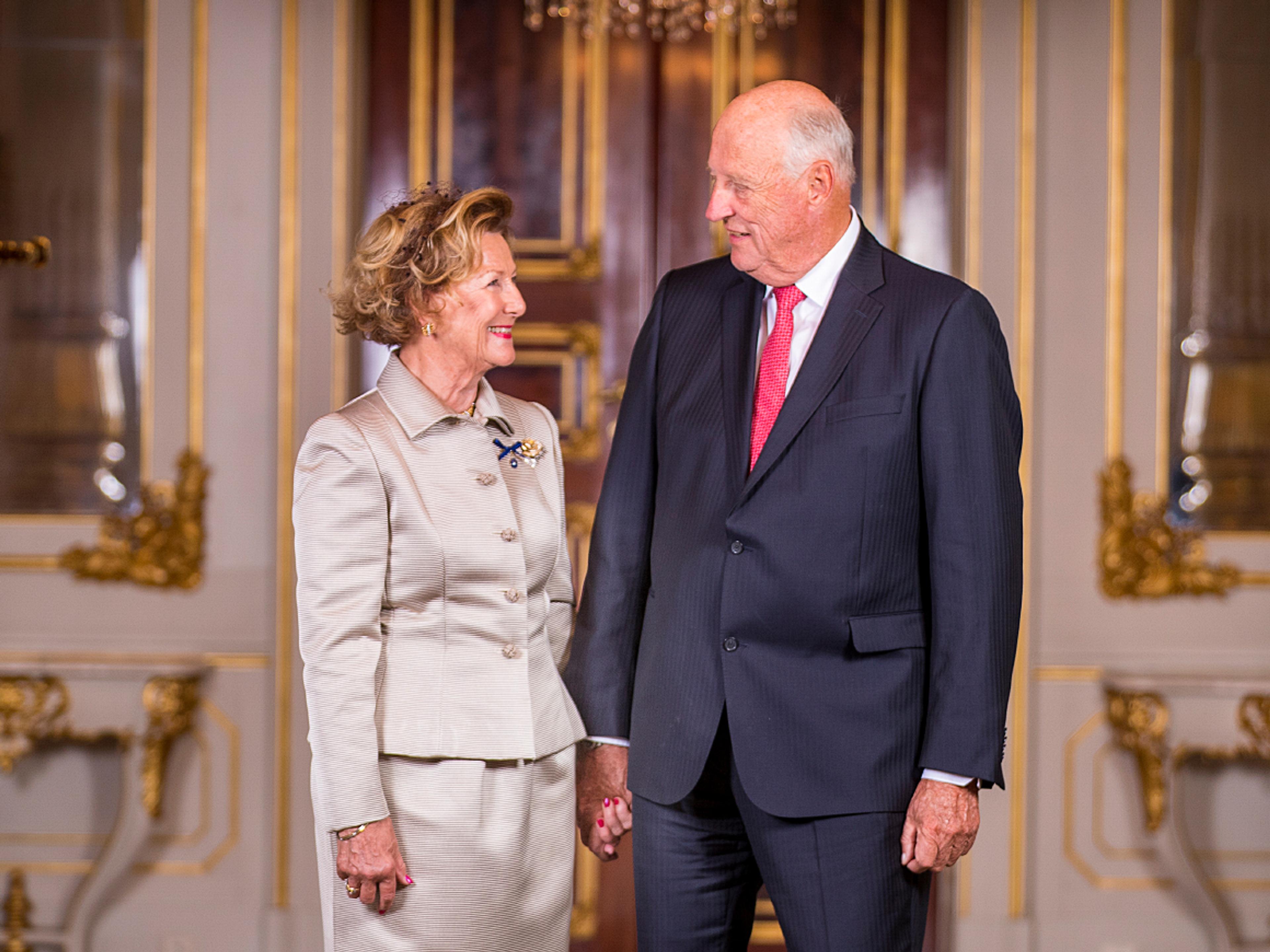
Children and Grandchildren
After the wedding, the couple moved to Skaugum, which once again became the residence of a Norwegian Crown Prince and Crown Princess. This is where their children grew up. Princess Märtha Louise was born on September 22 in 1971, and Prince Haakon on July 20 in 1973.
Their Majesties embraced their roles as grandparents in 2001 when Crown Princess Mette-Marit joined the family with her son, Marius Borg Høiby. Princess Märtha Louise and Mr Ari Behns first daughter, Maud Angelica, was born in 2003, followed by Leah Isadora in 2005 and Emma Tallulah in 2008. Princess Ingrid Alexandra was born on January 21, 2004, as the second in the line of succession after her father, and in 2005, Prince Sverre Magnus was born. In 2024, Princess Märtha Louise married American Durek Verrett.

Passion for Sports and Environmental Engagement
Sports and nature were among King Harald’s greatest interests. He often combined his enjoyment of the outdoors with hunting and fishing, and for many years he was an avid visitor to the country’s salmon rivers. In the autumn, he took part in moose hunting by the mountain chalet in Sikkilsdalen.
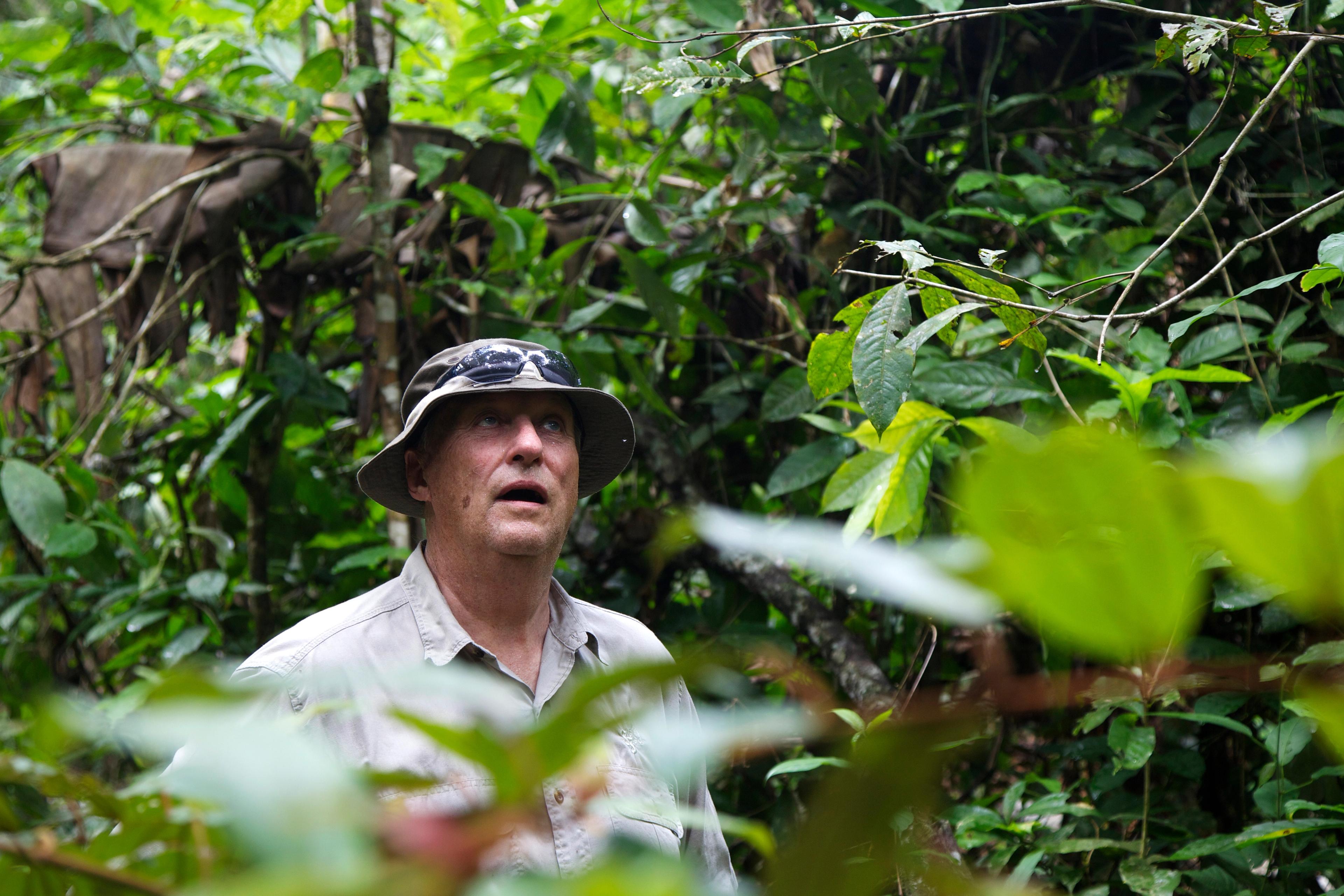
As Crown Prince, King Harald was one of the initiators of the Norwegian branch of WWF – the World Wide Fund for Nature, and he served as President of the Norwegian chapter for 20 years. He continued to pursue his deep commitment to nature and the environment both through his speeches and official engagements, as well as privately – for example, when he fulfilled a long-held dream of visiting the indigenous peoples in the Amazon.
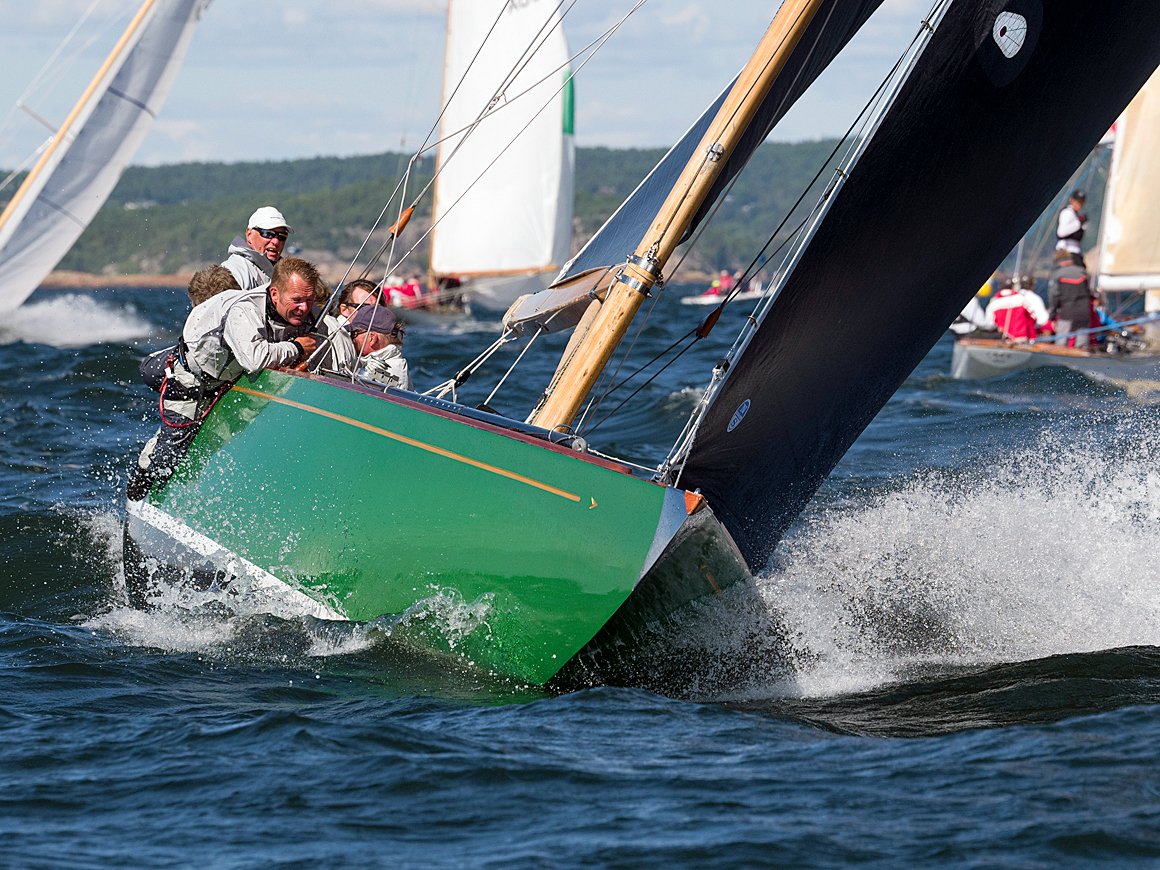
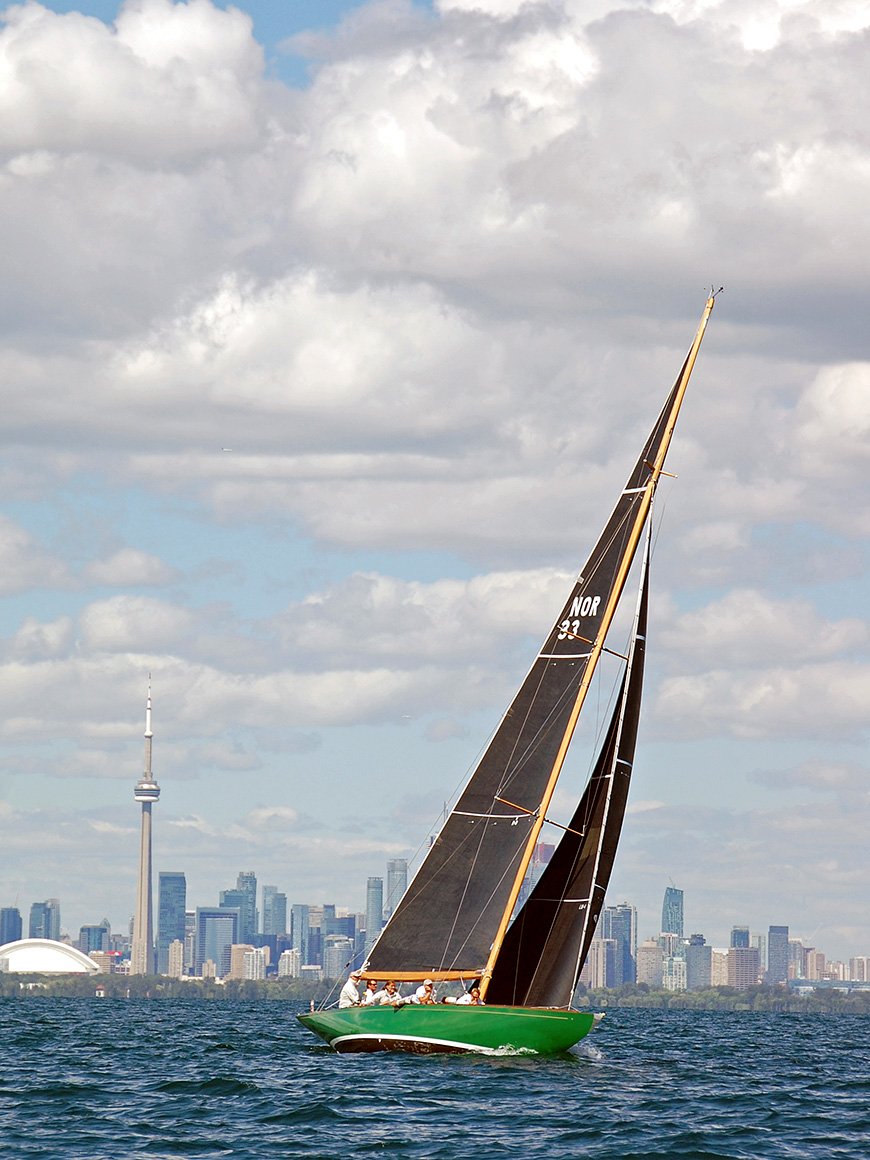
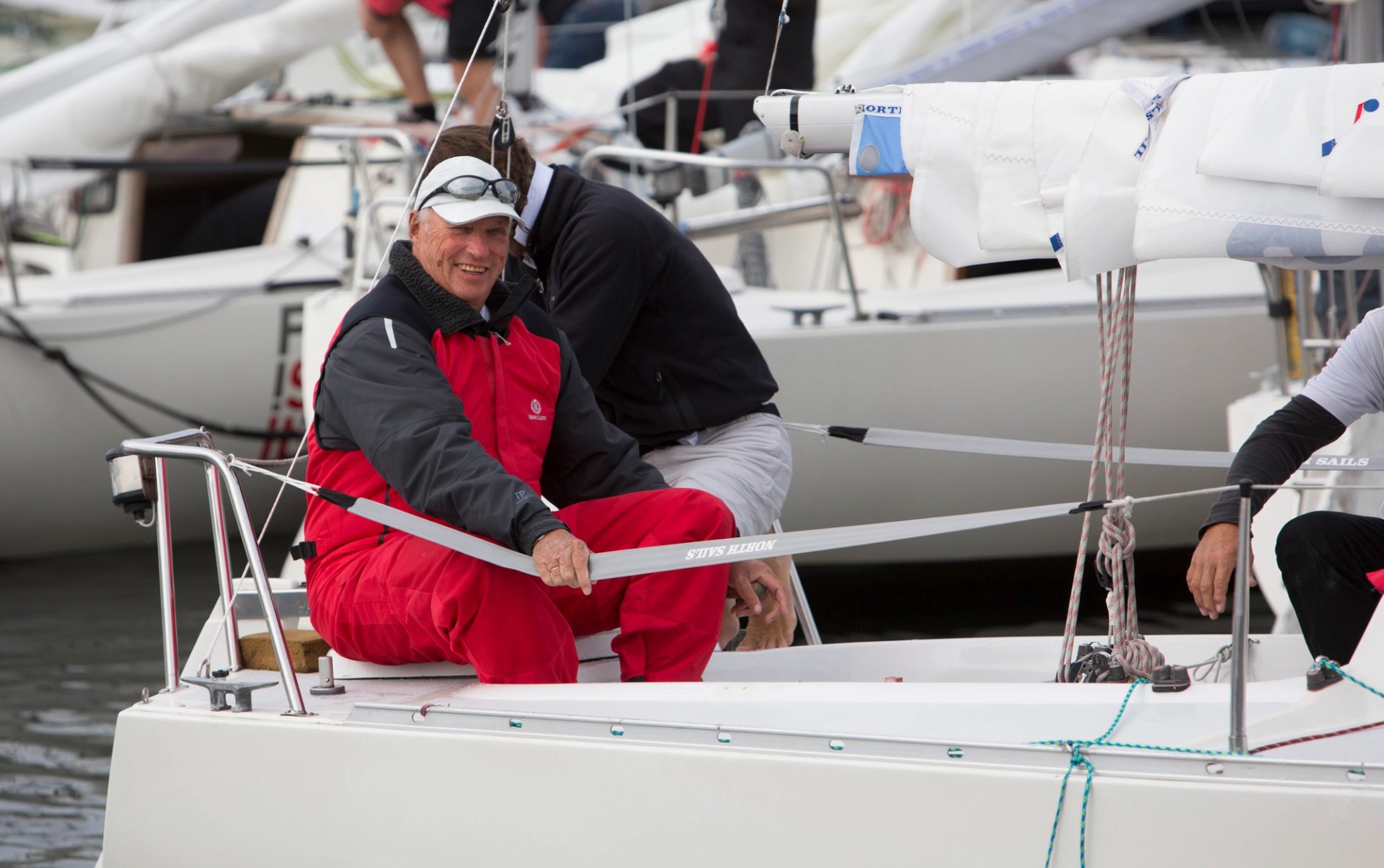
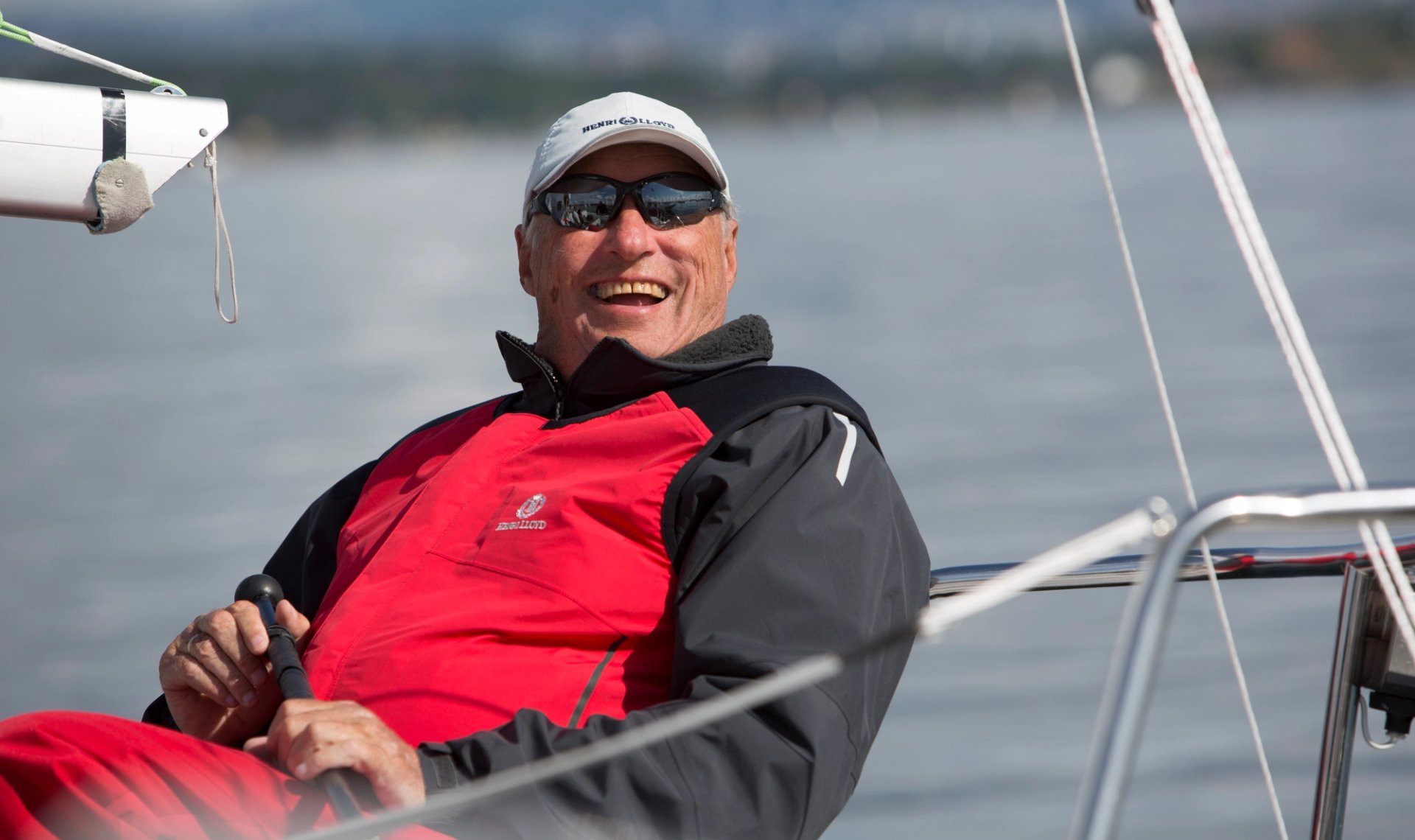
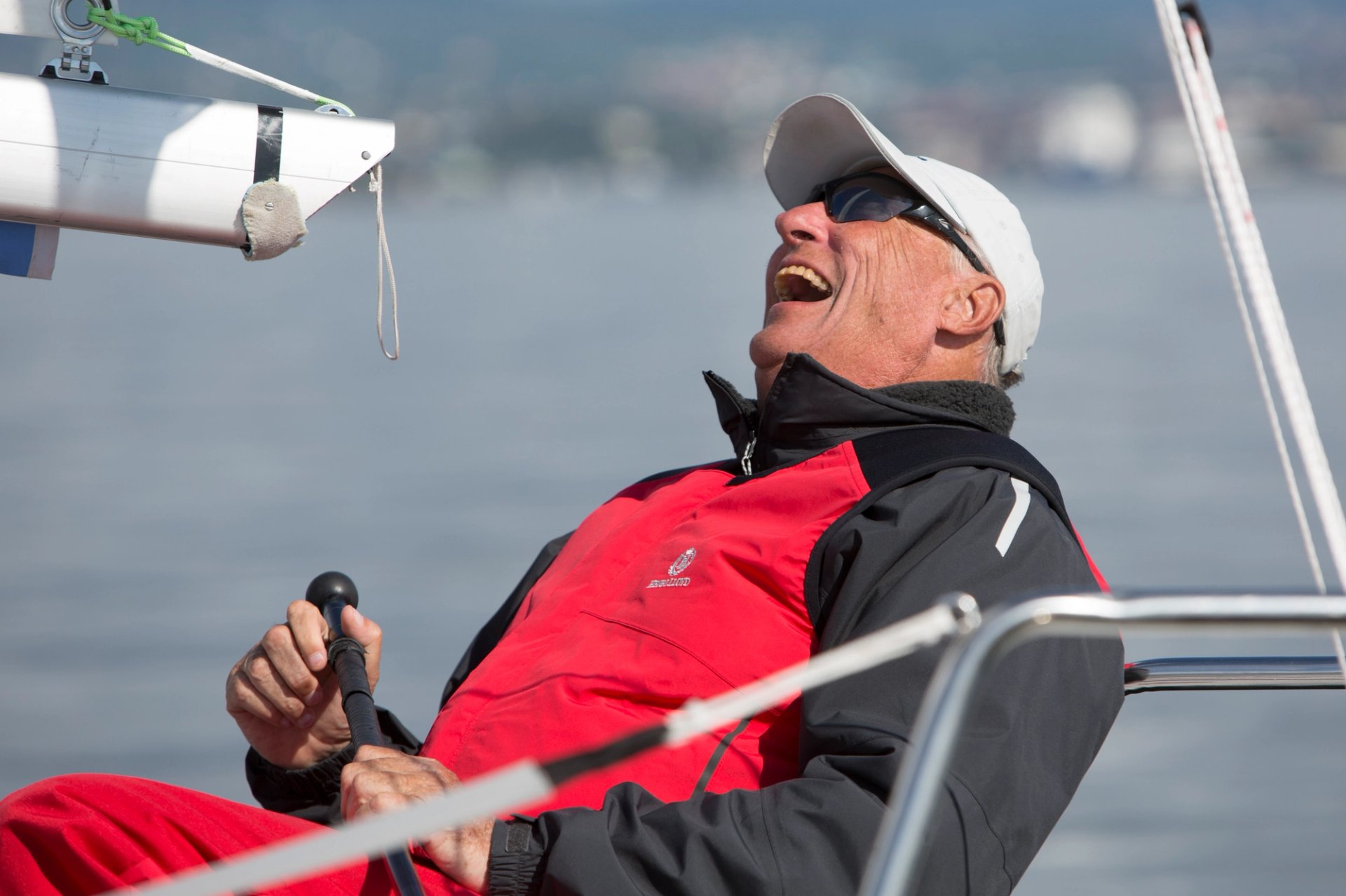
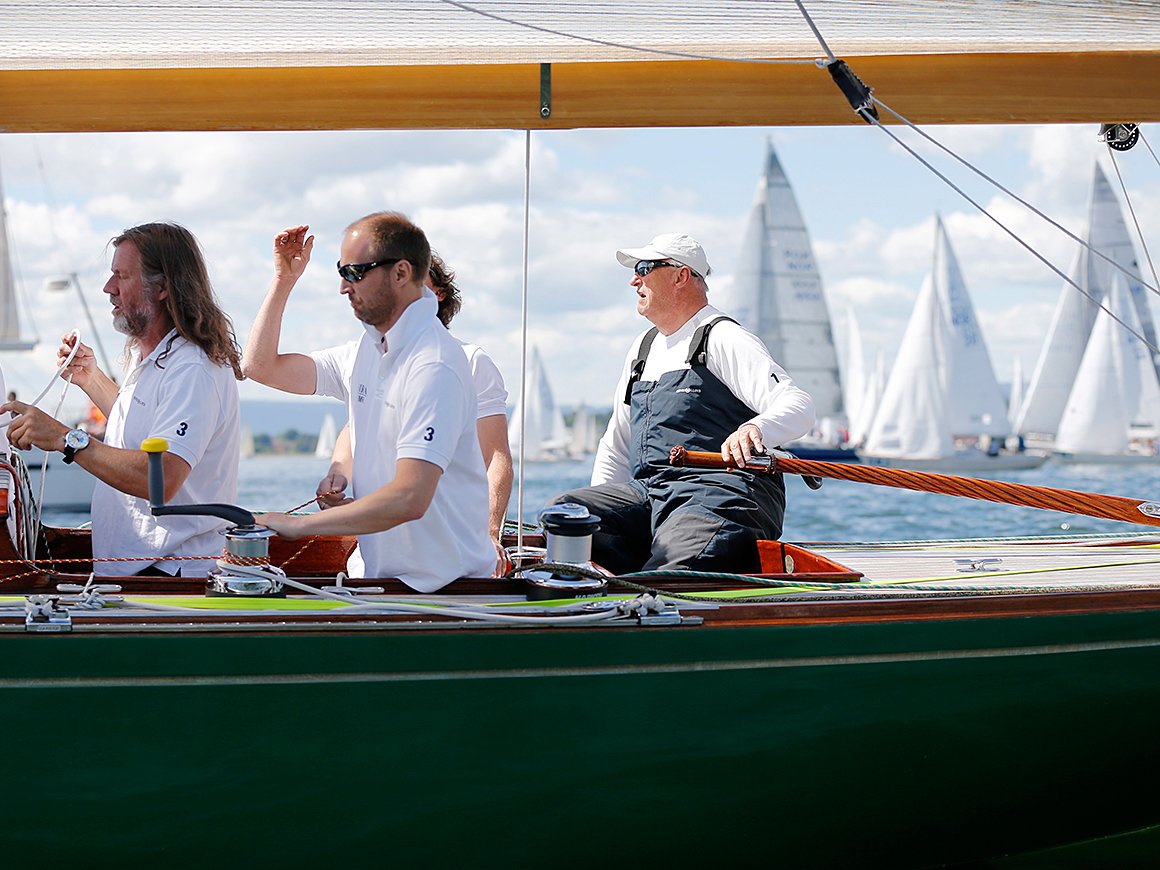
King Harald was present as an enthusiastic and knowledgeable spectator at countless sporting events and described himself as a “sports fanatic.” But he also excelled in his own sport – sailing. In 1964, he carried the Norwegian flag at the opening of the Tokyo Summer Olympics. In 1987, he and his crew became world champions with Fram X, and in 2005 they were European champions with Fram XV.
King Harald participated annually in national and international regattas until he declared his competitive sailing days over in 2022.
Comittment to sports
King Harald was the patron of Norwegian sports and an enthusiastic spectator, as well as an active sportsman himself for many years. King Harald distinguished himself particularly in sailing.
Showing 8 of 34