World War II
Germany invaded Norway on the morning of 9 April 1940. For the Royal Family, this marked the beginning of five years in exile. King Haakon VII and Crown Prince Olav worked alongside the Norwegian government-in-exile in London. Crown Princess Märtha and the children were in the United States. It was not until 7 June 1945 that King Haakon was able to return to a free Norway.

The heavy cruiser Blücher sailed into the Oslofjord in the early morning hours of 9 April. Accompanied by several smaller vessels, the Blücher was transporting German troops to the capital. Their task was to arrest the King and the members of the Government to compel Norway to capitulate immediately.
The German vessels were observed by the Norwegian Coast Guard at Færder lighthouse and subsequently at Bolærne Fort in the Oslofjord. Notification of approaching foreign battleships was sent to Oscarsborg Fortress, strategically located at the narrowest point of the Oslofjord. As the ships entered the Drøbak Sound, the commander at Oscarsborg, Colonel Birger Eriksen, gave the order to open fire. The Blücher was hit by artillery from the fortress’s cannon, nicknamed “Moses” and “Aron”, and then by torpedoes fired from the adjacent island of Northern Kaholmen. The Blücher sank at 06.22 hours, and much of its crew of over 1,300 men was killed.
The sinking of the Blücher delayed the German troops’ advance on Oslo, giving the Royal Family, the Government and the Storting representatives the time needed to escape to safety.

The King’s first refusal
At 7:23 AM a special train left Oslo Eastern Railway Station, heading northwards with the Royal Family and the counry's political leadership on board. Convened at Elverum in Eastern Norway, the Storting gave the King and the Government full authority to rule the country for the duration of the war.
On 10 April King Haakon met with the German envoy, Curt Bräuer. The Germans demanded that the Government headed by Johan Nygaardsvold, which had refused to capitulate, step down, and that the King appoint a government headed by Nazi sympathiser Vidkun Quisling.
The King put forth the German demands in an extraordinary meeting of the Council of State in the village of Nybergsund. The King stated that he would not attempt to influence the decision of the Government in this matter, but that he could not comply with the German ultimatum. He would rather abdicate than appoint Quisling prime minister.
– I have been deeply affected by the fact that the responsibility for the misfortunes that will befall the country and its people if the demand is rejected is being placed upon me. And it is a heavy responsibility, so heavy that I dread having to bear it. The Government must make the decision, but my position is clear. I cannot agree to the German demands. To do so would be contrary to everything that I have regarded as my duty as King of Norway since I came to this country nearly 35 years ago.
King Haakon VII in Nybergsund
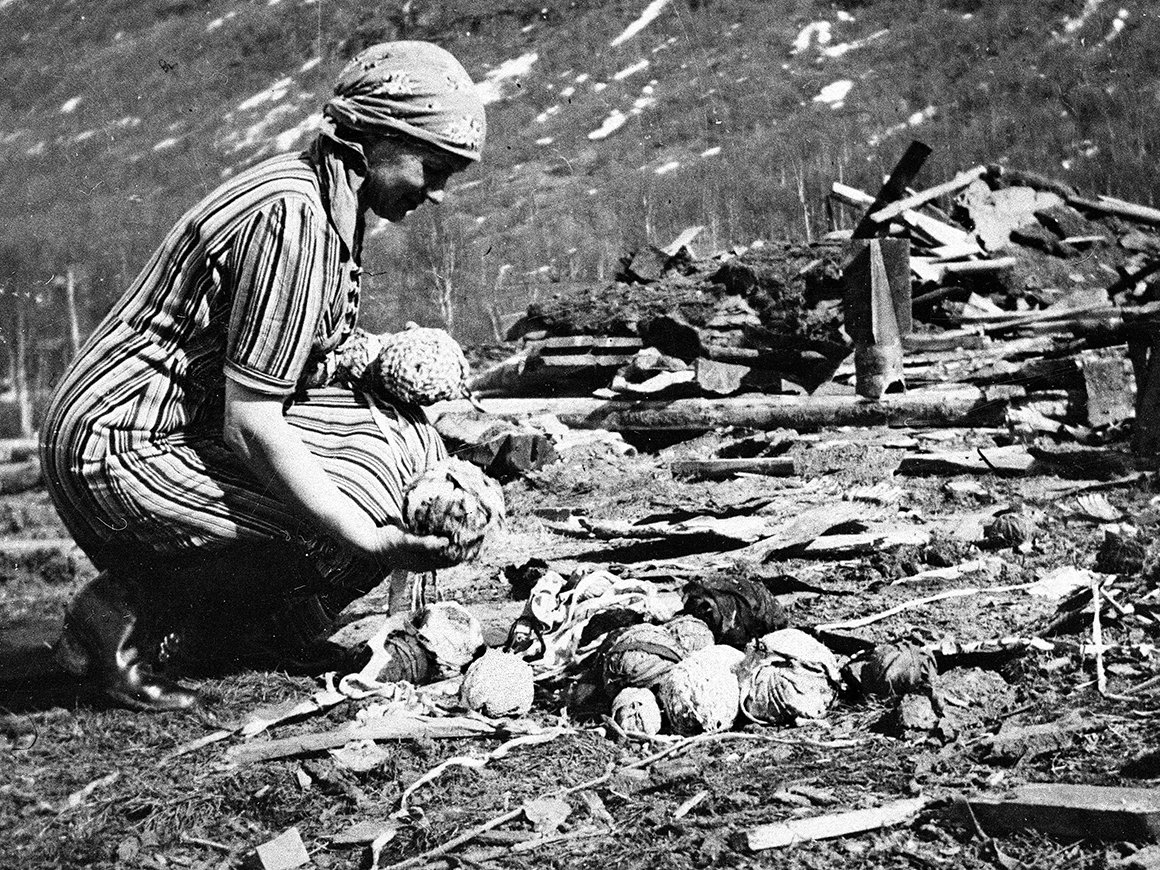
The Government supported the King’s decision and maintained its oppositional stance. The German forces responded by repeatedly bombing Nybergsund.
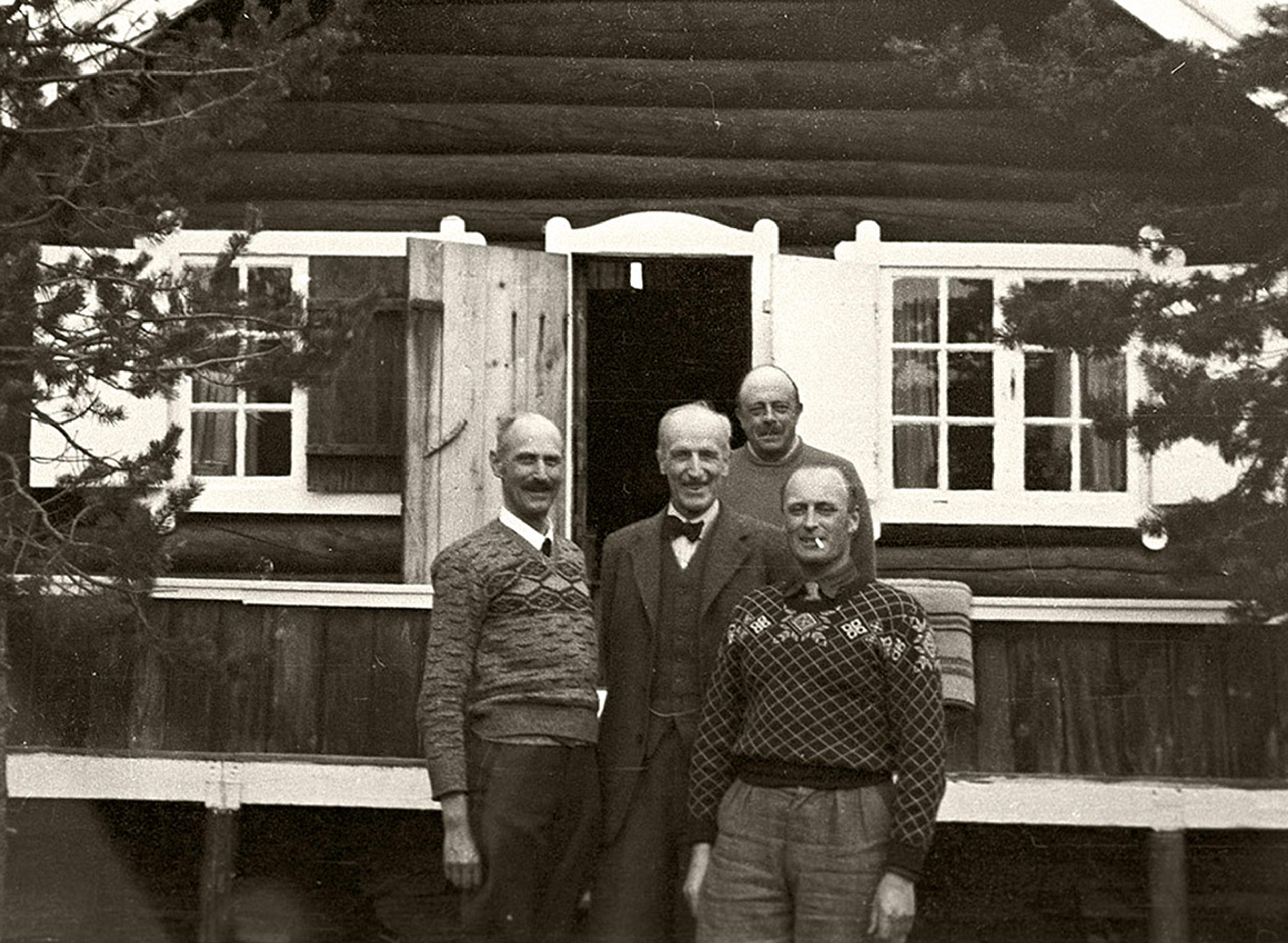
King Haakon and Crown Prince Olav continued northwards together with Norway’s legitimate government. From 2 May to 7 June, they were based at Trangenhytta in Balsfjord, in order to prevent Tromsø or other larger towns from being bombed, as Elverum and Molde had been. For just over a month, free Norway was governed from the small log cabin in the interior of Troms.
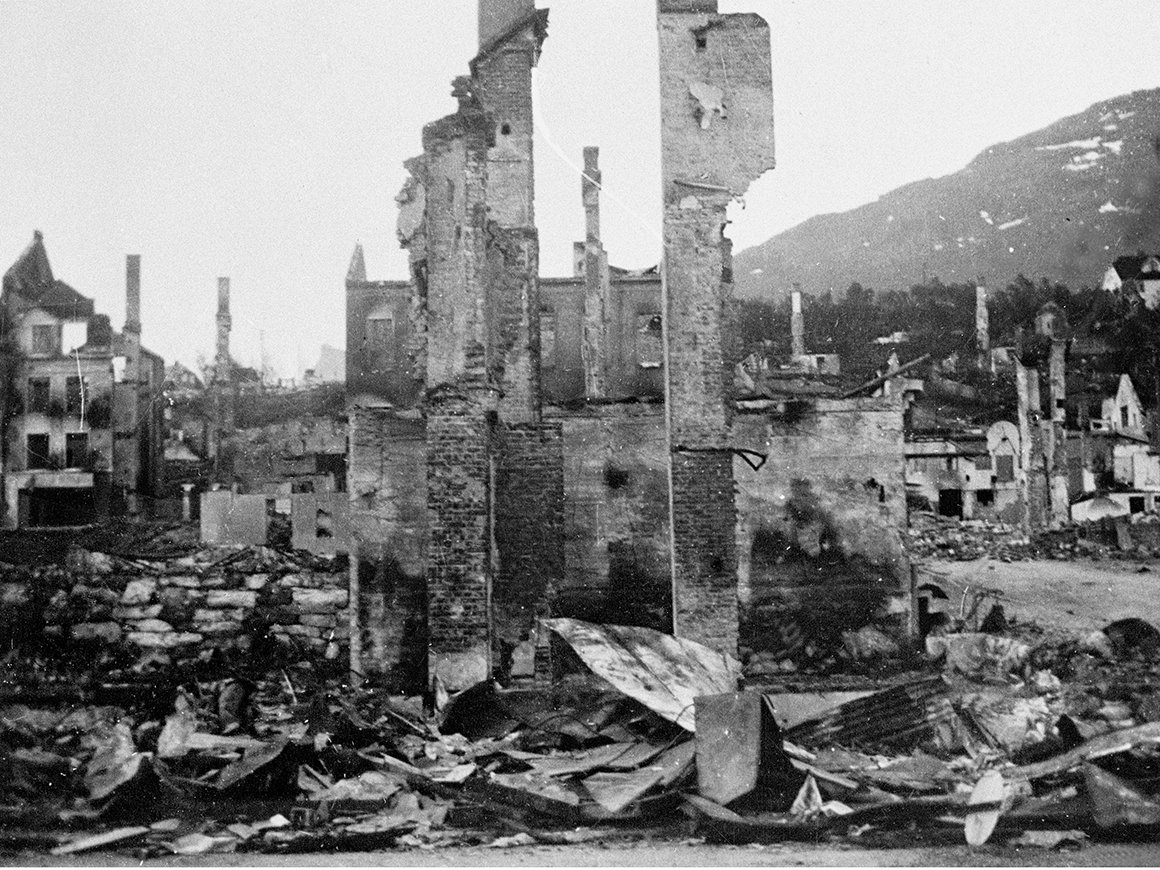
The Battle for Narvik
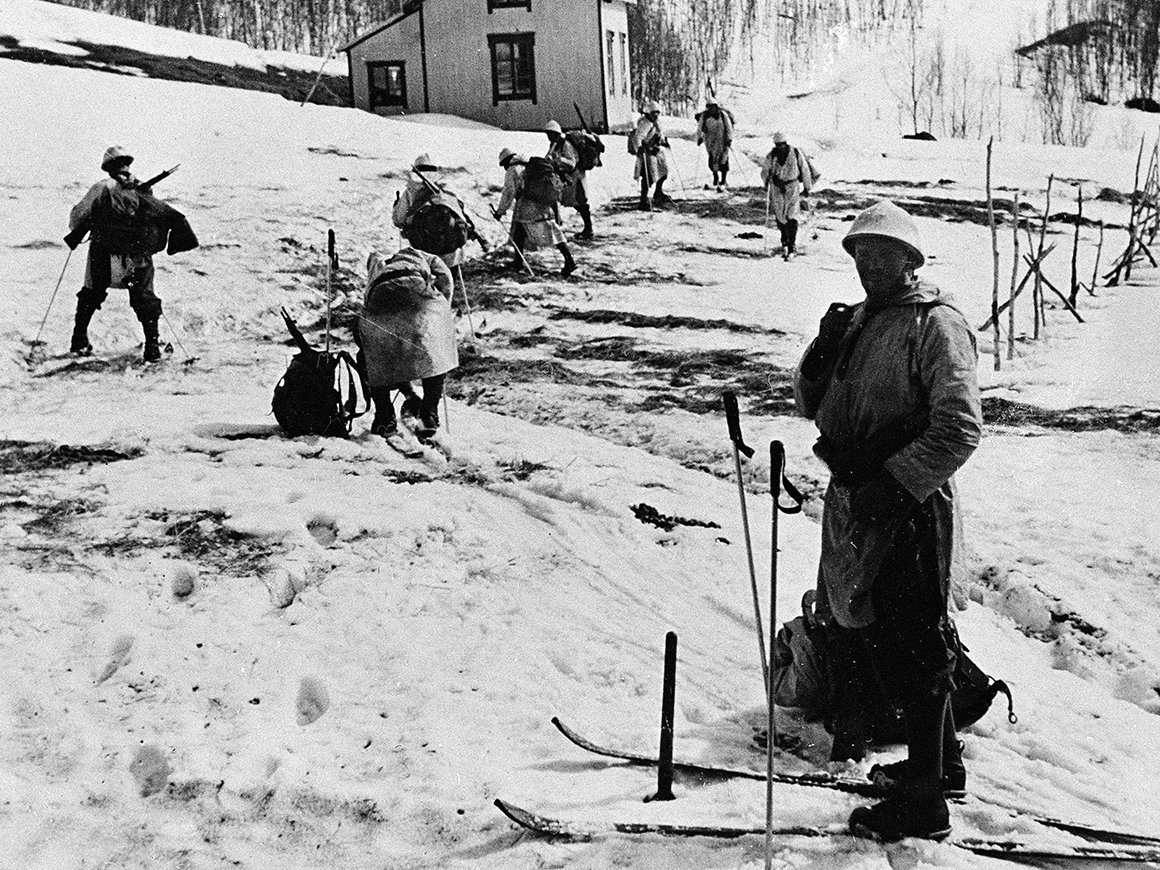
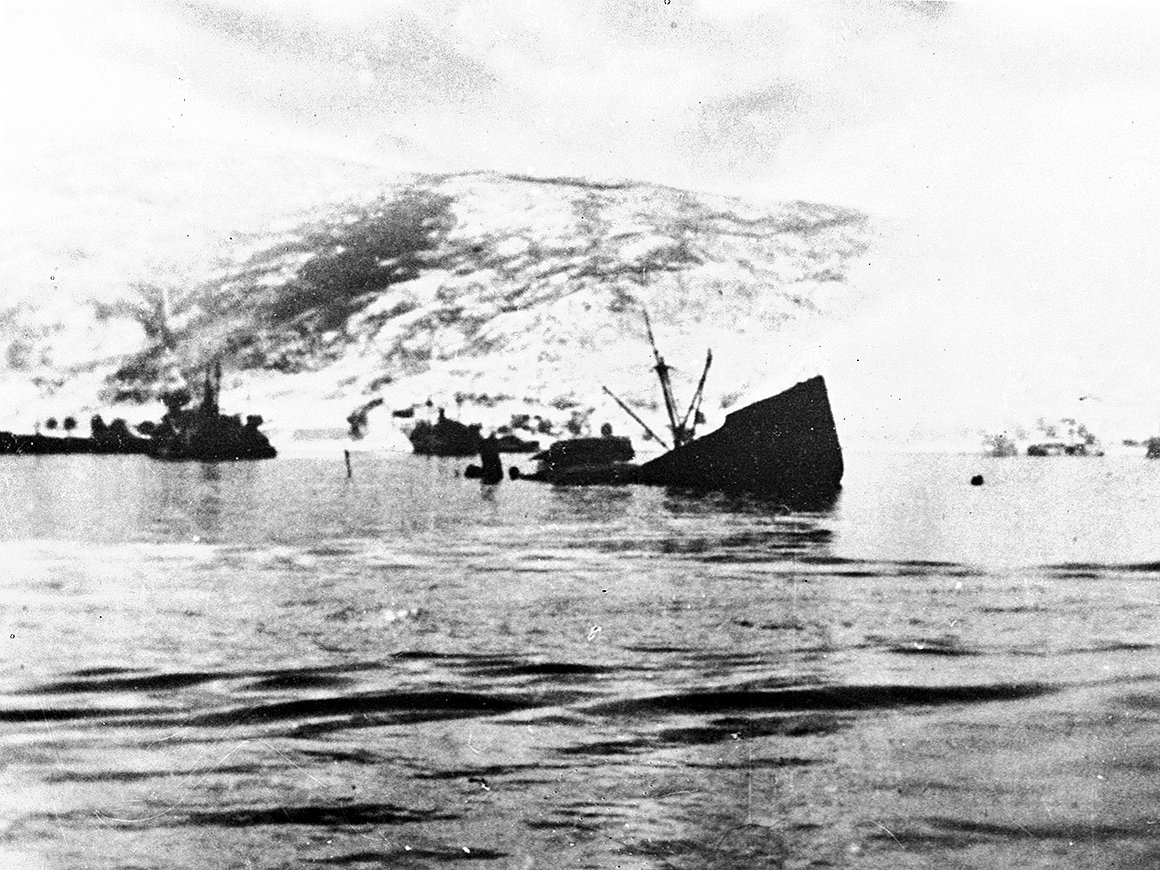
Narvik had been captured by German troops on the morning of 9 April 1940. The aim was to gain control of the iron ore shipped from the mines in Kiruna – an important resource for the German arms industry.
Norway’s 6th Division took up the fight under the command of General Carl Gustav Fleischer. They received support from Britain, France and Poland. For the first time, Allied forces fought side by side, and on 28 May they succeeded in recapturing Narvik. It was the Allies’ first victory and the Nazis’ first major defeat of the Second World War.
At the same time, the situation in France was critical, and the Allies decided to transfer their troops there. Without Allied support, it was no longer possible to continue the military campaign in Norway. On 9 June, German soldiers once again entered Narvik.
The battle for Narvik
Government in Exile
When the Allies decided to withdraw from Narvik, the King made the difficult decision to leave the country. The Crown Prince offered to remain in Norway. Above all, he wanted to go to the front and fight, but the government strongly advised against it. It was essential that neither of them should fall into German hands, and important to maintain a constitutional authority in territory not under occupation.
On 7 June, King Haakon, Crown Prince Olav and the government left Tromsø and Norway aboard the British cruiser Devonshire. A Norwegian government in exile was established in London, from where the Norwegian resistance was led and coordinated over the following five years.
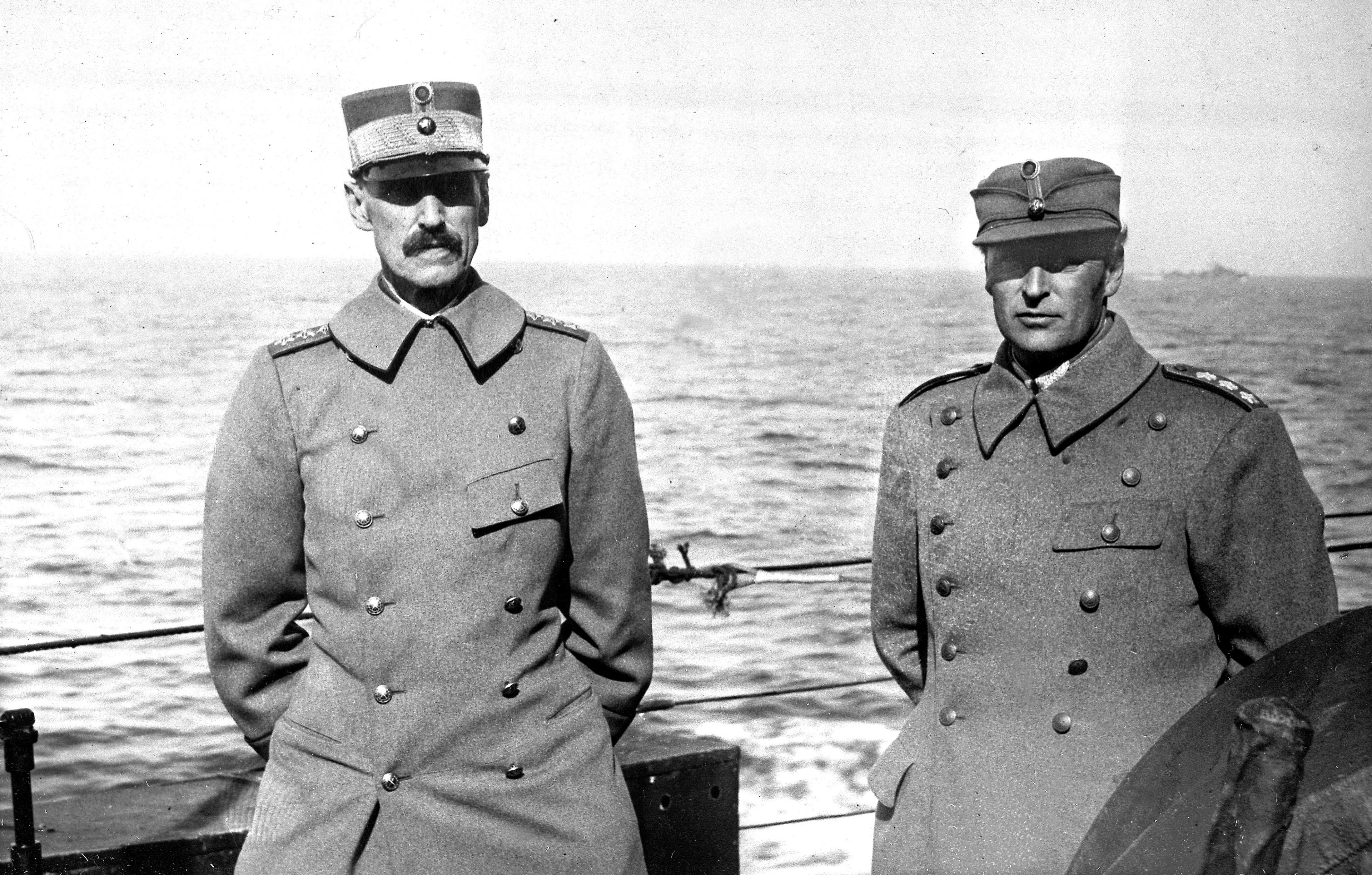
King Haakon VII became an important and unifying symbol of the resistance movement and a free Norway. The King’s radio broadcasts from London helped to maintain morale and the will to resist.
In Norway, the German occupying authorities, under the leadership of Reich Commissioner Josef Terboven, attempted to establish a Council of State. This was to be elected by the Storting and serve as a body for cooperation with the occupying authorities. However, the arrangement depended on the King abdicating.
In his speech on 8 July 1940, King Haakon explained what he regarded as his duty as King of Norway. Once again, the King said “No” - he refused to abdicate.
– For me, the freedom and independence of the Norwegian people are the foremost commandment of the Constitution, and I believe that the best way to follow this commandment and safeguard the interests of the Norwegian people is to remain faithful to the position and the task that a free people entrusted to me in 1905.
King Haakon VII on 8 July 1940
On 25 September, the attempts to establish a Council of State collapsed. Terboven declared the King and the government deposed and banned all political parties other than the nazi party, Nasjonal Samling. All activities in support of the Royal Family were now prohibited. King Haakon and the government-in-exile responded that they would continue the struggle until Norway was free.
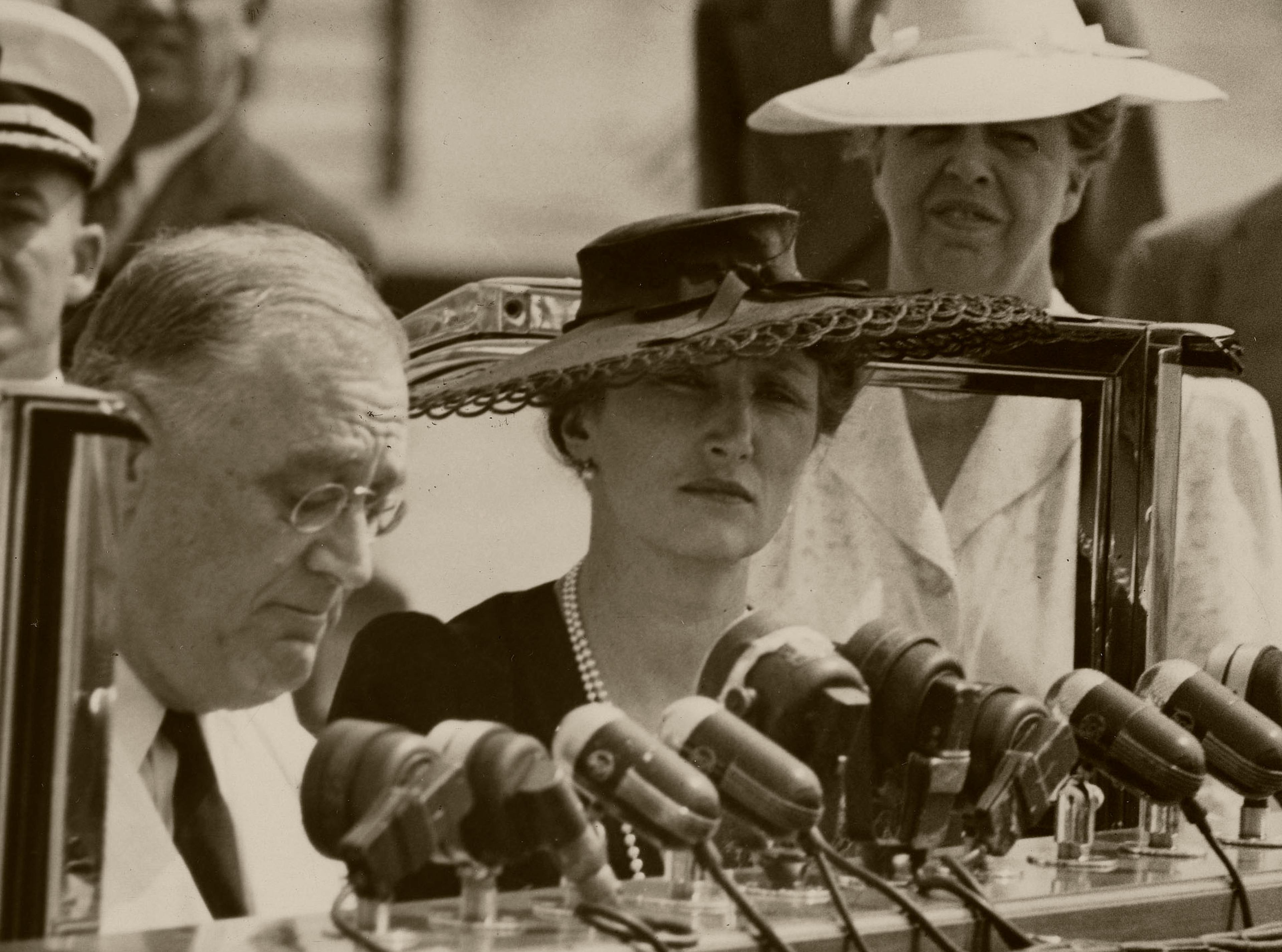
Kronprinsesse Märtha under 2. verdenskrig
Kronprinsesse Märtha
Natten mellom 9. og 10. april 1940 krysset Kronprinsesse Märtha grensen til Sverige med Kronprinsparets tre barn. De oppholdt seg hos svenske slektninger fram til 12. august, da de reiste videre til USA etter invitasjon fra President Franklin D. Roosevelt.
I 1939 hadde Kronprins Olav og Kronprinsesse Märtha gjennomført en omfattende reise i USA. Under besøket hadde de blitt kjent med President Roosevelt. Det ble starten på et varig vennskap som skulle vise seg svært viktig under krigen. Kronprinsesse Märtha arbeidet utrettelig for Norges interesser, og vennskapet med det amerikanske presidentparet bidro til å gi henne gjennomslag. Hun deltok på en lang rekke områder, fra offisielle besøk, foredrag og taler, til hjelpesendinger og flyktningearbeid.
Prins Harald, Prinsesse Astrid og Prinsesse Ragnhild bidro på sin måte, gjennom besøk, hilsener og offisielle fotografier.
Chief of Defence
On 30 June 1944, the government in London appointed Crown Prince Olav Chief of Defence. He assumed command of the Norwegian forces and worked closely with the Allies. As the war drew to a close, he worked to secure Allied guarantees of rapid and sufficient support should Norway become a final battlefield after the Allies had achieved victory on the continent. Fortunately, this support was never needed.
The Return Home
Germany surrendered on 8 May 1945. On 13 May, Crown Prince Olav and five cabinet ministers returned to a liberated Norway. The rest of the government returned home on 31 May.
On 7 June – exactly five years after he had left the country – King Haakon was finally able to return. Together with Crown Princess Märtha, Princess Ragnhild, Princess Astrid and Prince Harald, he went ashore at Honnørbrygga in Oslo. Crown Prince Olav and a vast crowd welcomed them home to Norway.
Crown Prince Olav returns


