The biography of King Olav V
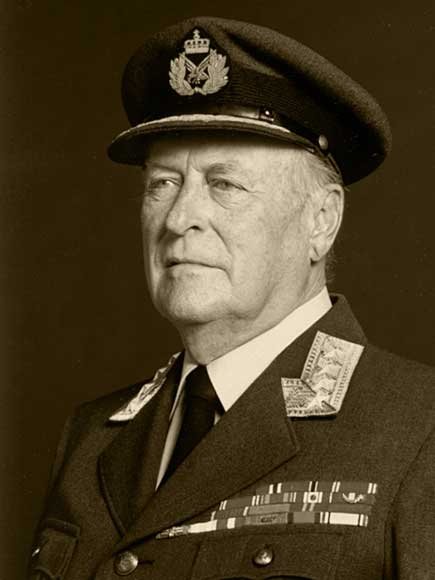
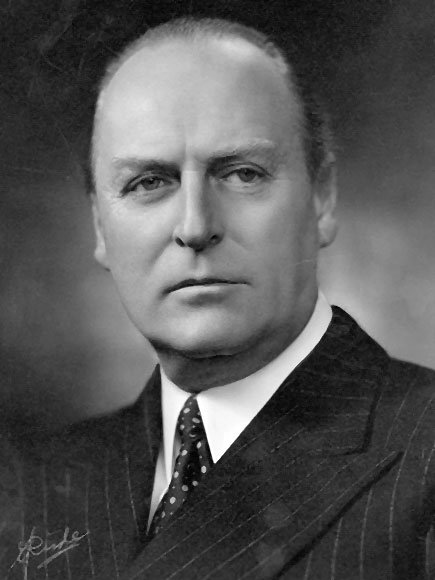
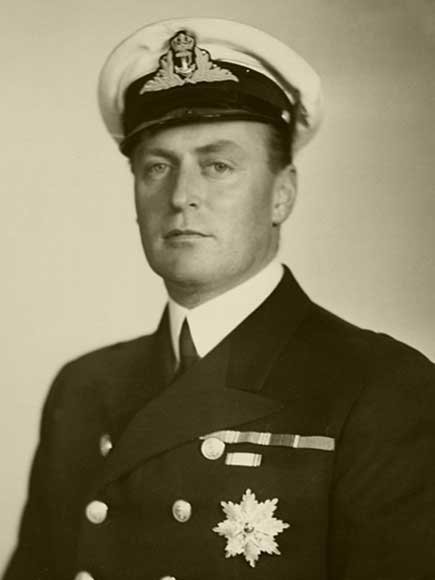
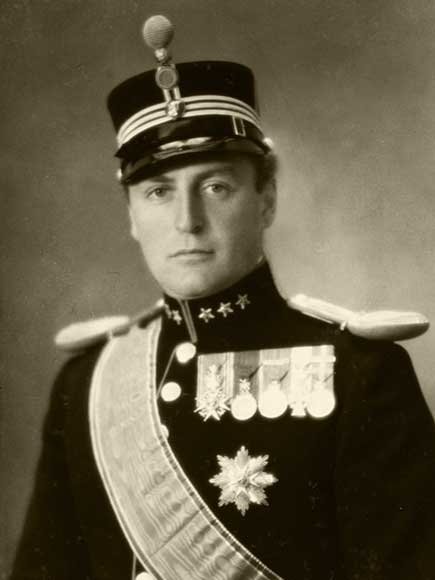
King Olav succeeded his father, King Haakon VII, to the throne in 1957. He was King of Norway for more than 33 years before his death in 1991. By then, he had long been affectionately known as the ‘People’s King’.
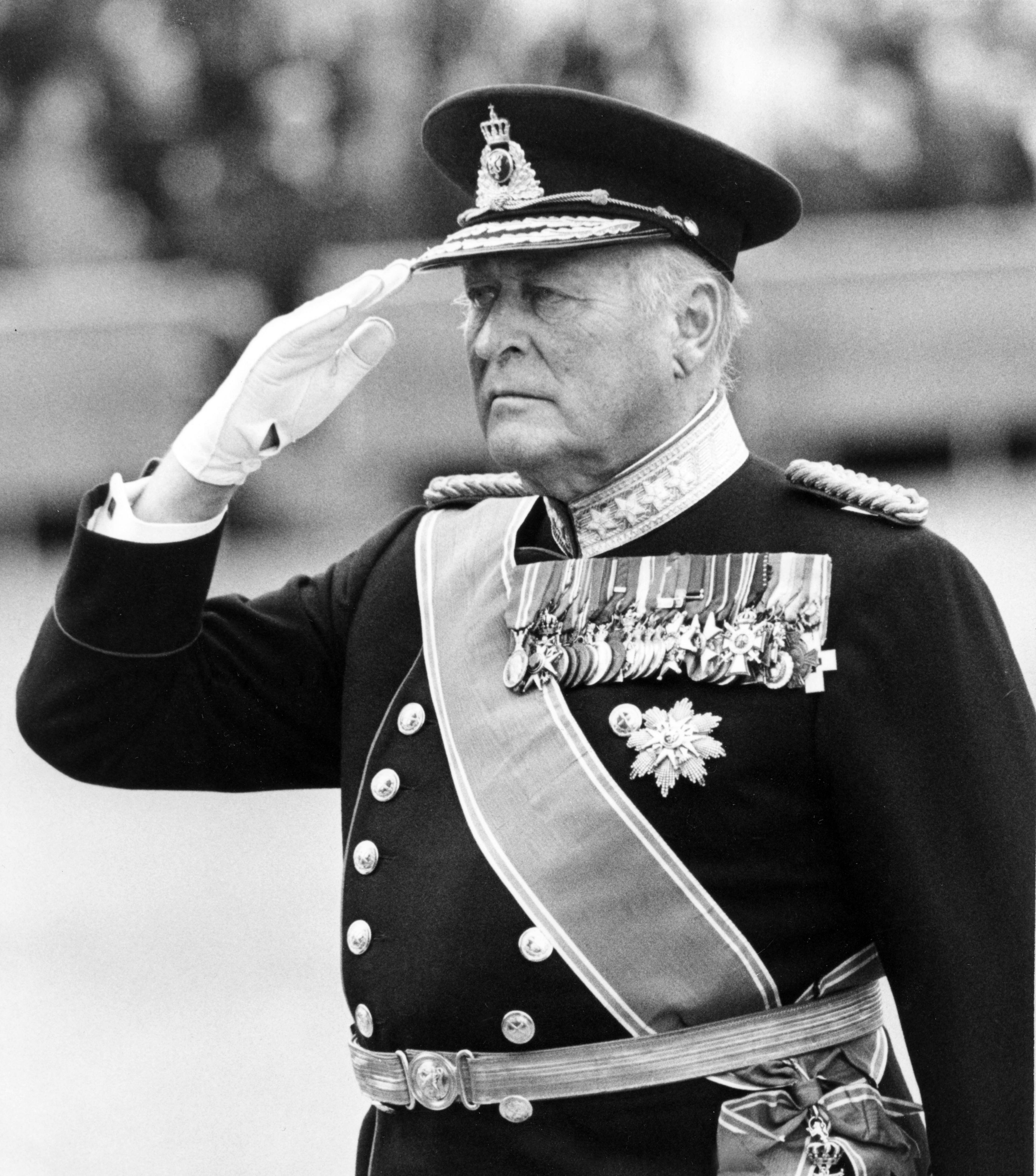
The future King Olav was born on 2 July 1903 at Appleton House in Norfolk, England, the son of the Danish Prince Carl and Princess Maud of Great Britain. He was christened Alexander Edward Christian Frederik and Prince of Denmark
He was two years old when his father became King Haakon VII of Norway in 1905. Prince Alexander became Norway's crown prince and was given the name Olav. On 25 November, they came ashore in Oslo as Norway’s new royal family.
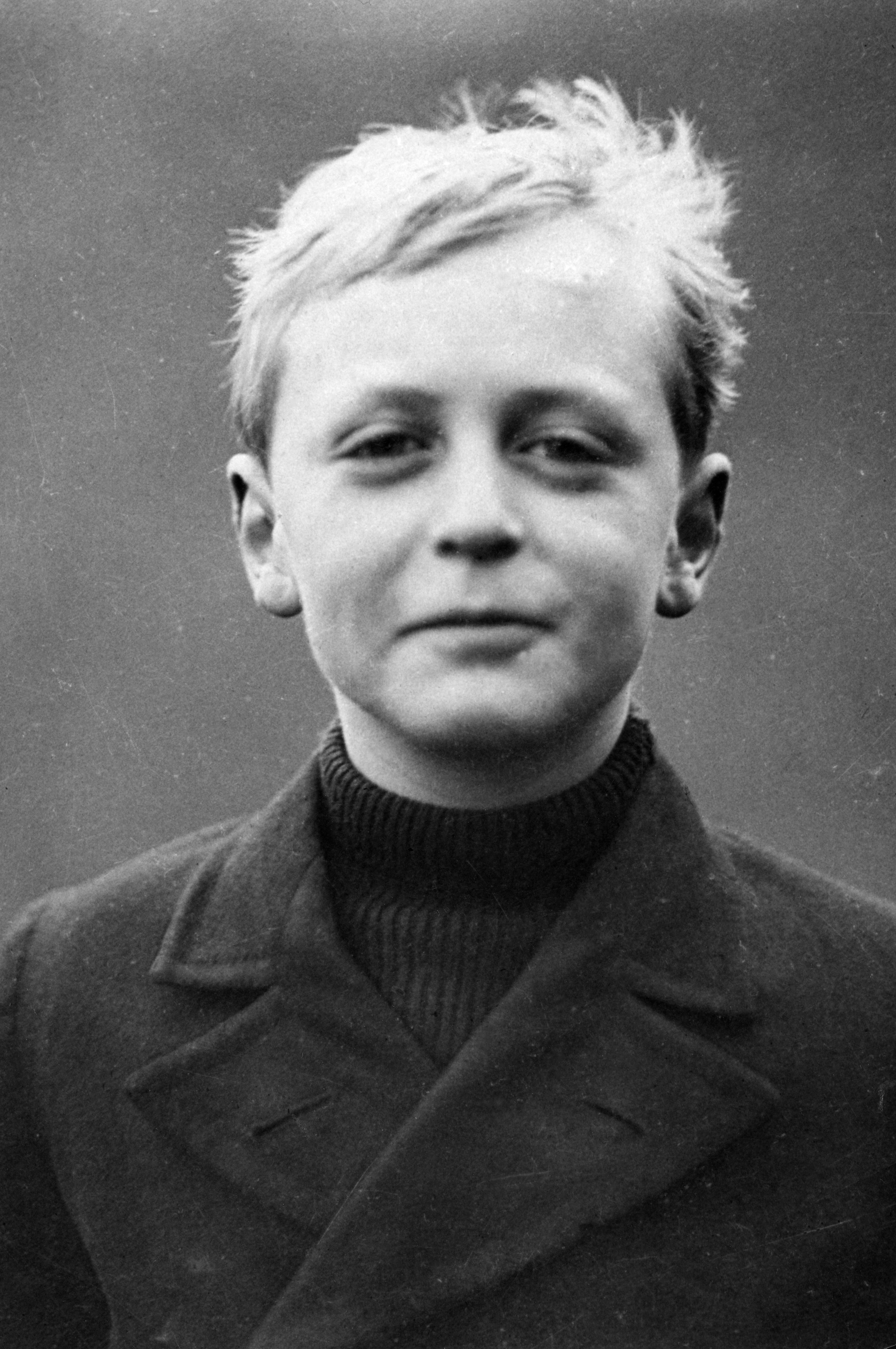
King Olav's education
Education
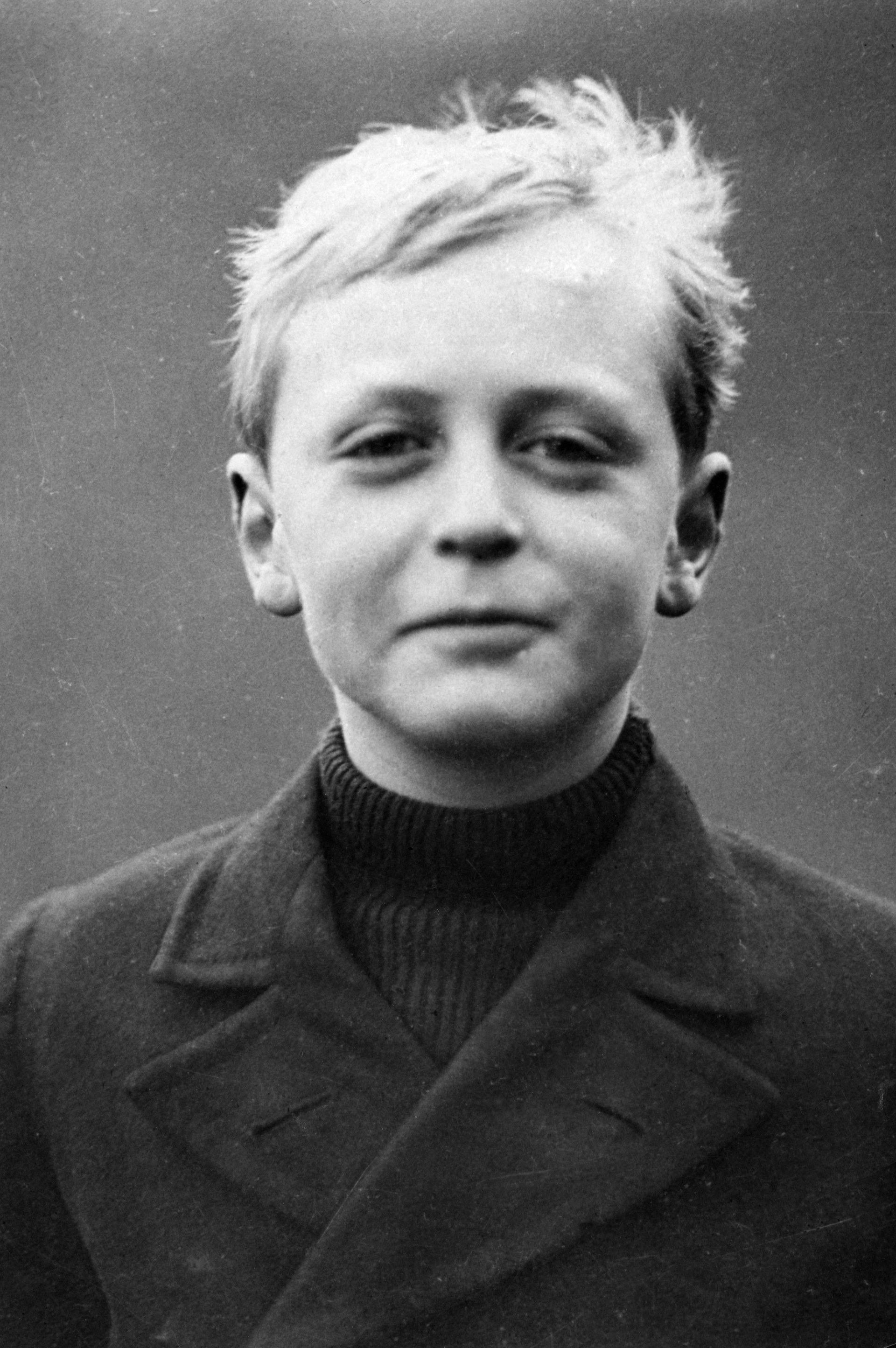
Crown Prince Olav was the first heir to the Norwegian throne to grow up in Norway since the Middle Ages. He received private tutoring at the Palace and later attended local schools.
He completed his upper secondary education at Halling school in Oslo, with a focus on mathematics and physics, and received his school-leaving certificate in 1921.
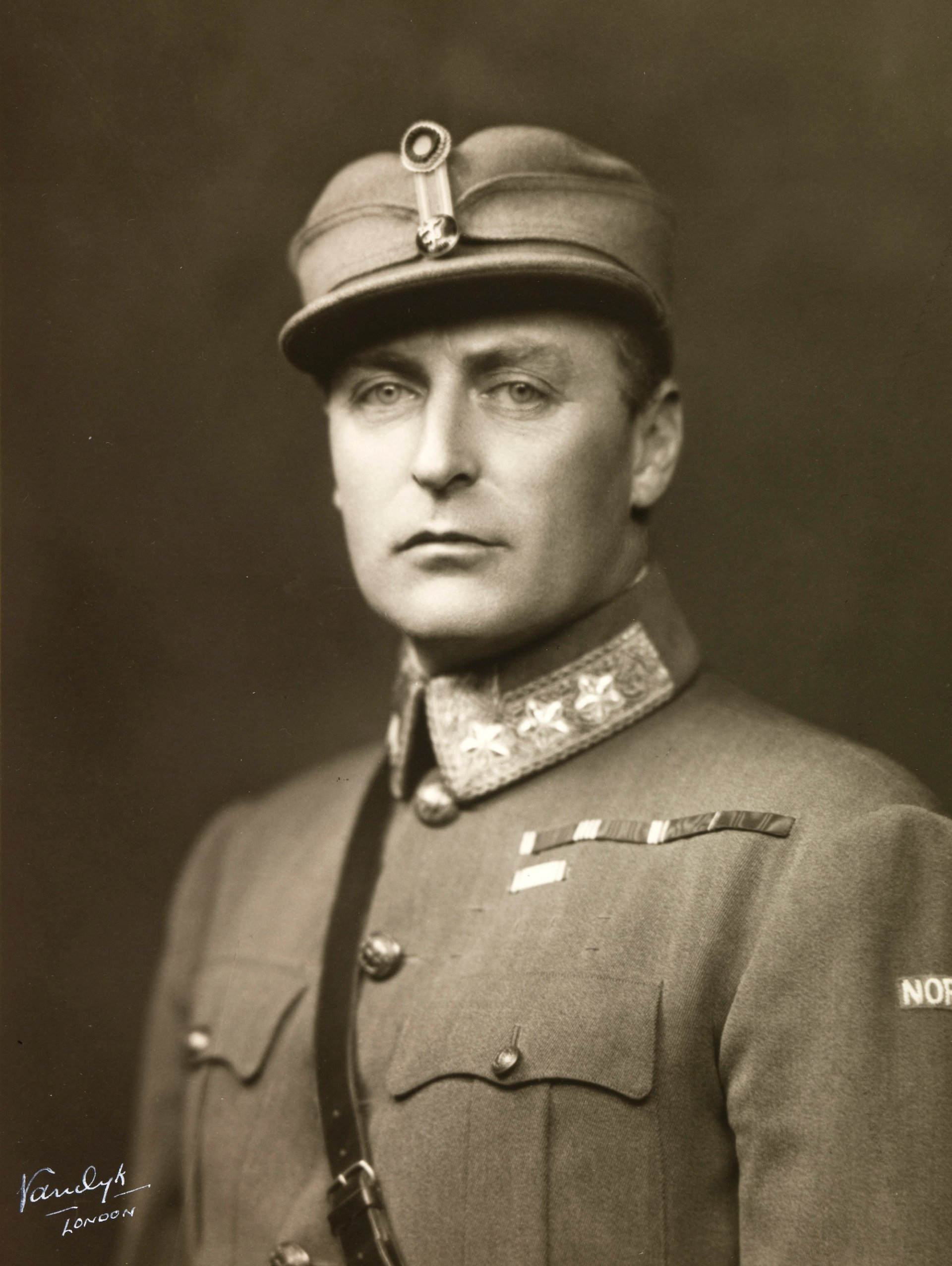
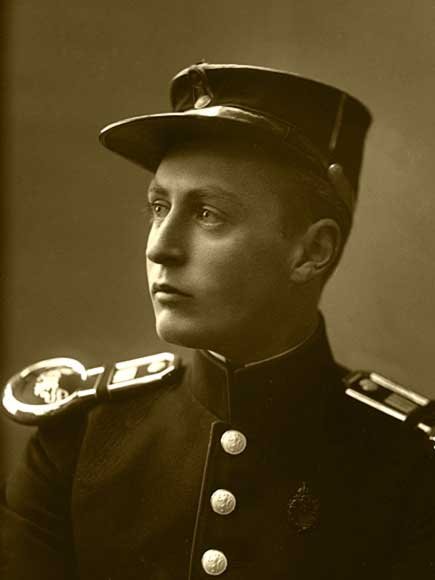
The Crown Prince graduated from the Norwegian Military Academy three years later. He then went to Oxford where he attended Balliol College, studying political science, history and economics.
Family
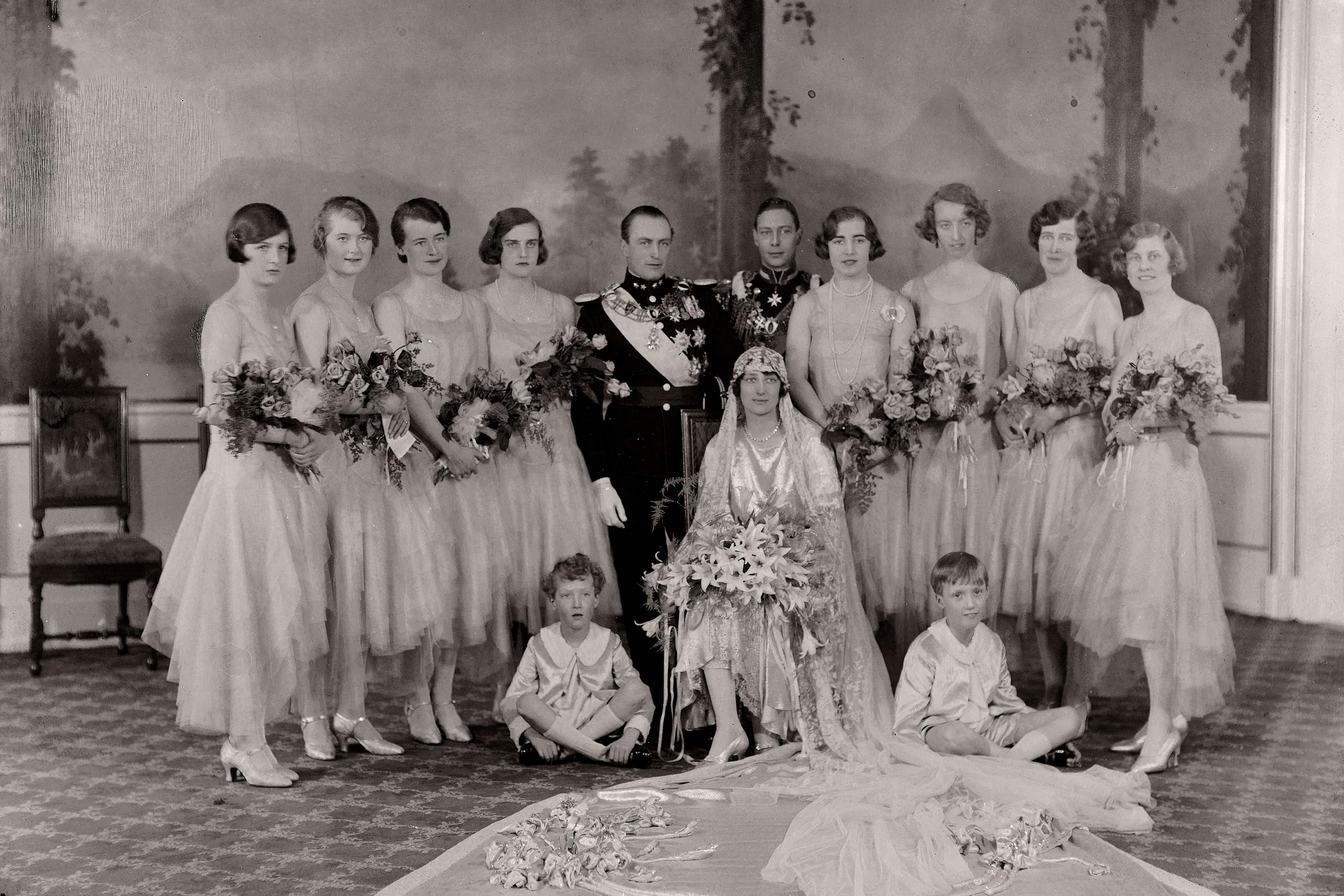
In 1929 Crown Prince Olav married his cousin, Princess Märtha of Sweden. It was considered an excellent match, also by the Swedes, who took it as a sign that any residual tension between the two countries following the dissolution of union between Norway and Sweden had dissipated.
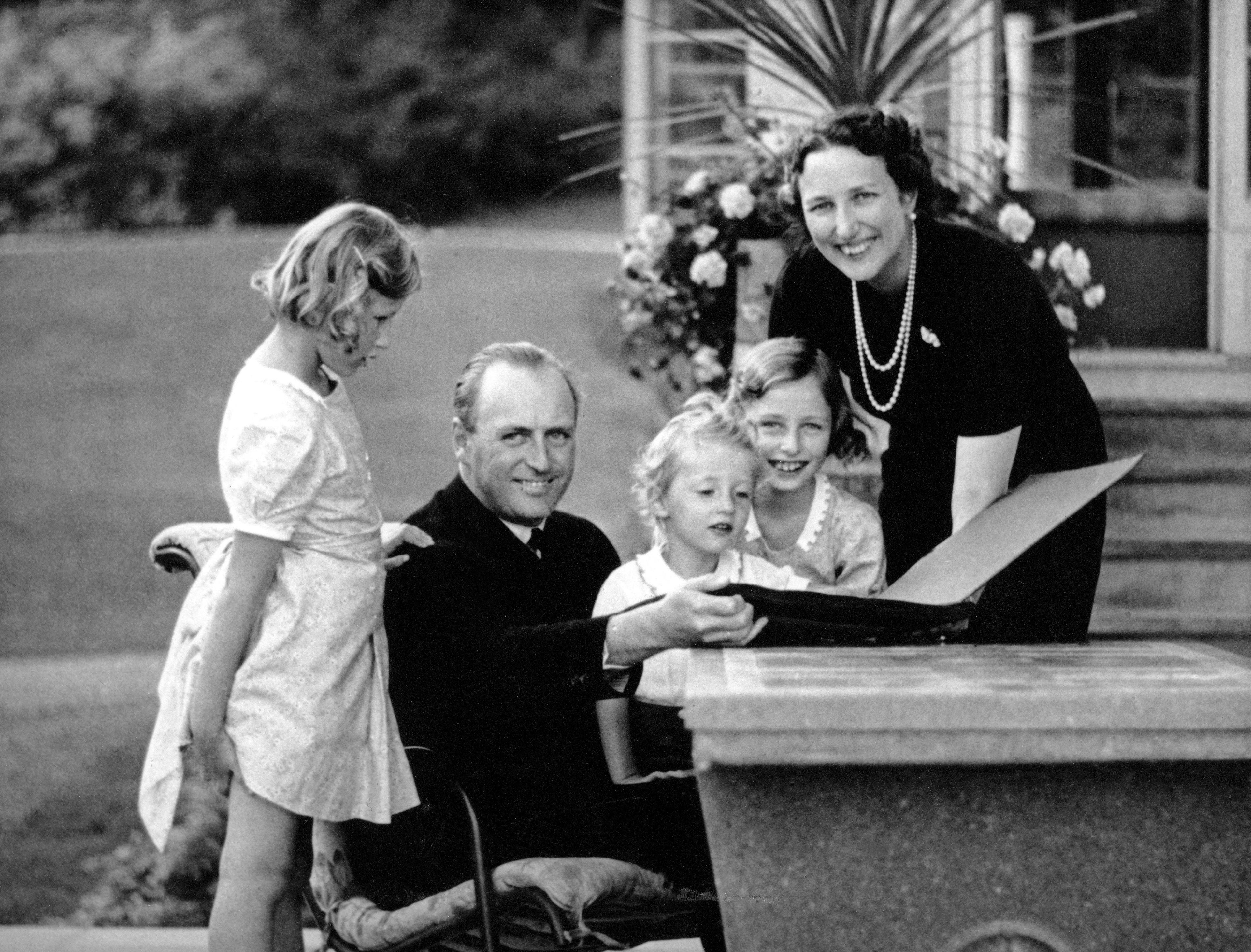
The Crown Prince and Crown Princess had three children: Princess Ragnhild, born in 1930, Princess Astrid, born in 1932, and the future King Harald, born in 1937. The family resided at the country estate of Skaugum, near Oslo, which was given to the couple as a wedding gift.
It was a great blow when Crown Princess Märtha died on 5 April 1954.
World War II
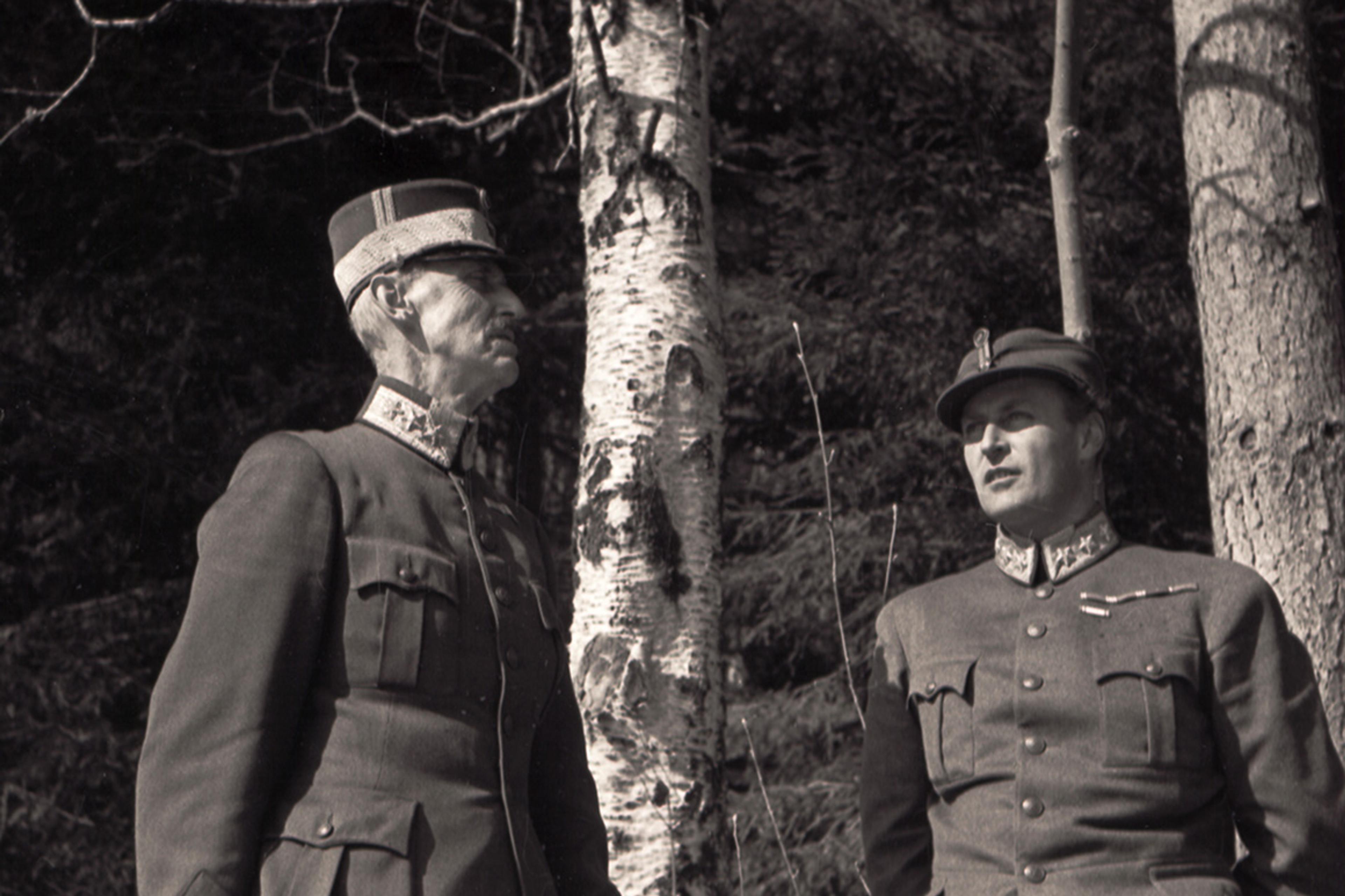
Crown Prince Olav and his father, King Haakon VII, were very close, and the Crown Prince was an important source of support for and trusted advisor to the King, particularly during WWII.
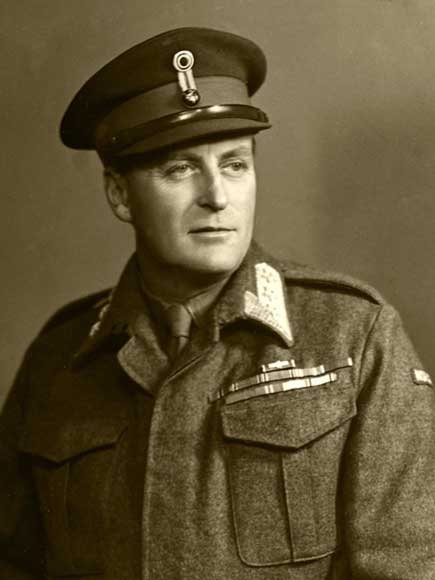
When Germany invaded on 9 April 1940, King Haakon and Crown Prince Olav were together during the retreat northwards and later in London with the government-in-exile. In exile, Crown Prince Olav worked tirelessly for Norwegian interests, both militarily and diplomatically. On 30 June 1944, the government-in-exile appointed the Crown Prince Commander-in-Chief of the Norwegian Armed Forces. He assumed command of the Norwegian forces and worked with the Allies.
On 13 May 1945 Crown Prince Olav returned to a liberated Norway. He acted as Regent until King Haakon’s return on 7 June.

King of Norway 1957-1991
After the war Crown Prince Olav assumed an increasing number of official tasks. When King Haakon fell ill in 1955, the Crown Prince acted as Regent. Crown Prince Olav acceded to the Throne on 21 September 1957, when King Haakon VII passed away at the Royal Palace in Oslo.
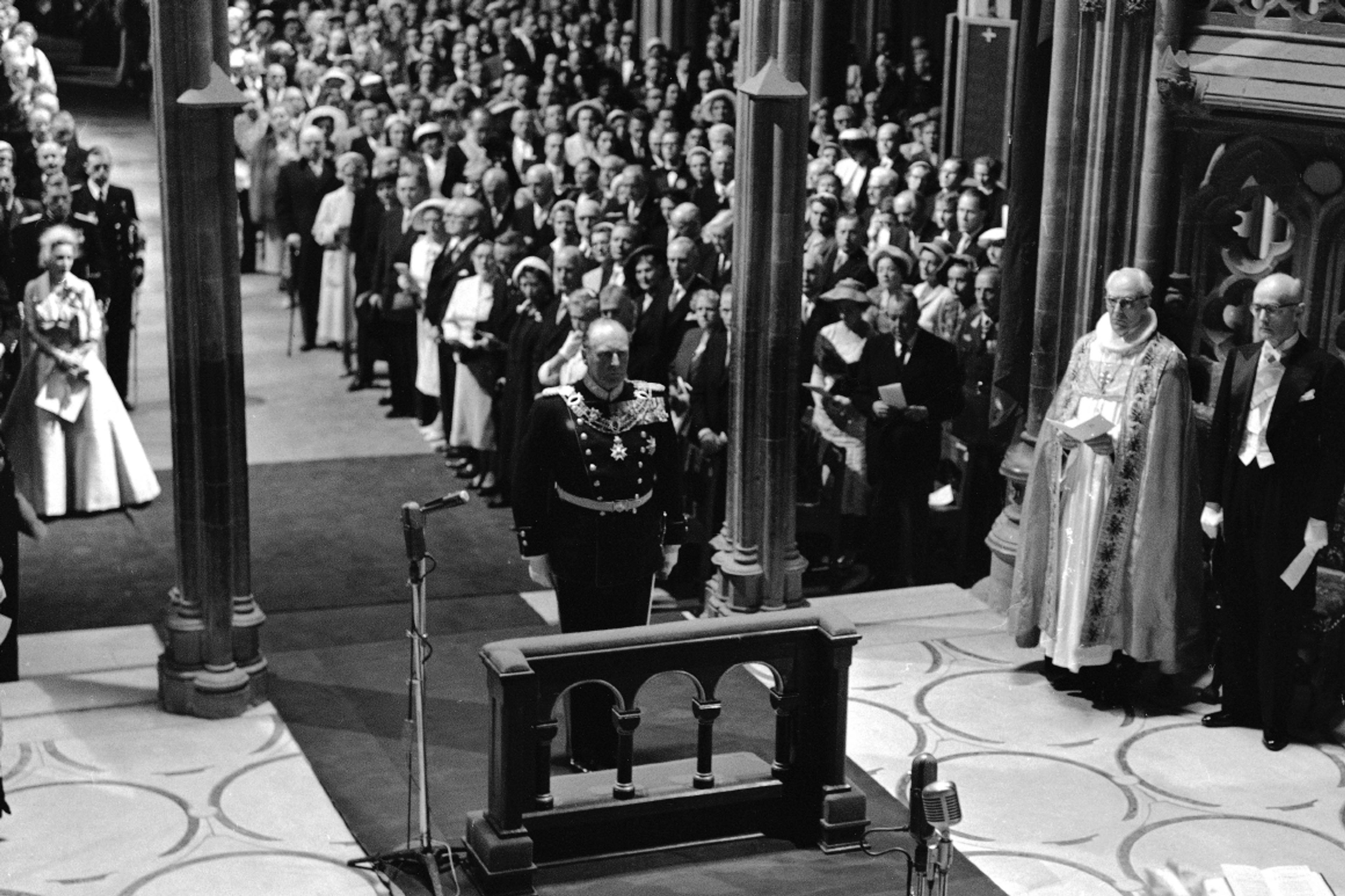
King Olav V swore an oath of allegiance to the Constitution and adopted his father’s motto “Alt for Norge” - “We give our all for Norway”. He was consecrated in Nidaros Cathedral on 22 June 1958, 52 years to the day after the coronation of his parents.
A widower, the new King undertook official engagements without a queen by his side. However Crown Prince Harald took on his share of the duties. The King also received vaulable support from his daughter, Princess Astrid, who assumed the role of the country’s First Lady following her mother’s death..
Like his father, King Olav was dedicated to upholding the Constitution and fulfilling his role as constitutional monarch. Although at times his views could be detected in the many questions he posed in the Council of State, the King unfailingly respected democratically reached decisions, and he never showed a preference for any political party. While he was careful to remain outside the political arena, the King increasingly focused on social values in his speeches. His open criticism of discrimination against immigrants in his annual New Year’s Eve speech in 1982 was the topic of widespread public debate.
The King had a tremendous capacity for work and a very busy schedule filled with official visits, travels and official audiences. He represented Norway on 62 state vistis and spoke in the UN General Assembly on serveral occasions..
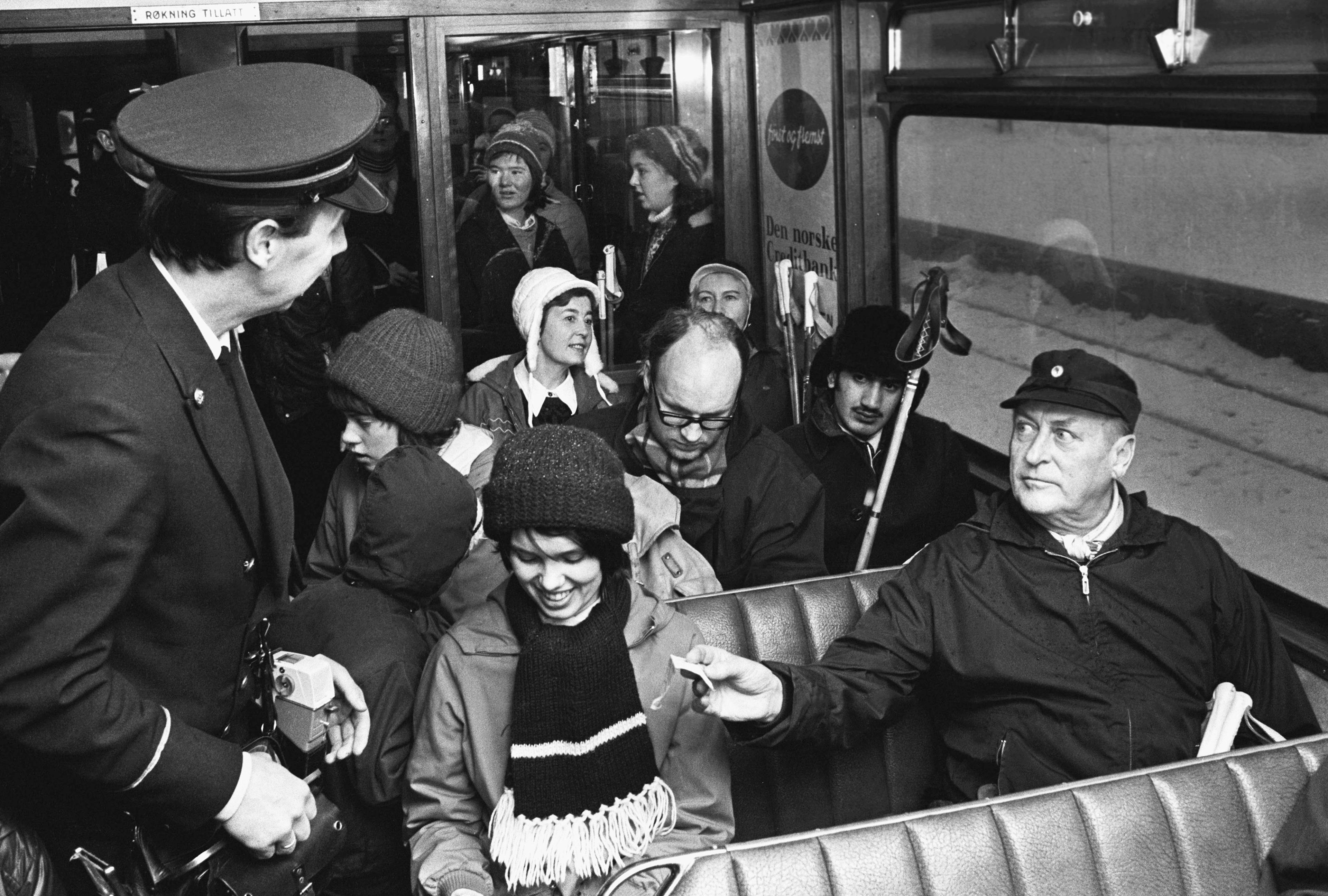
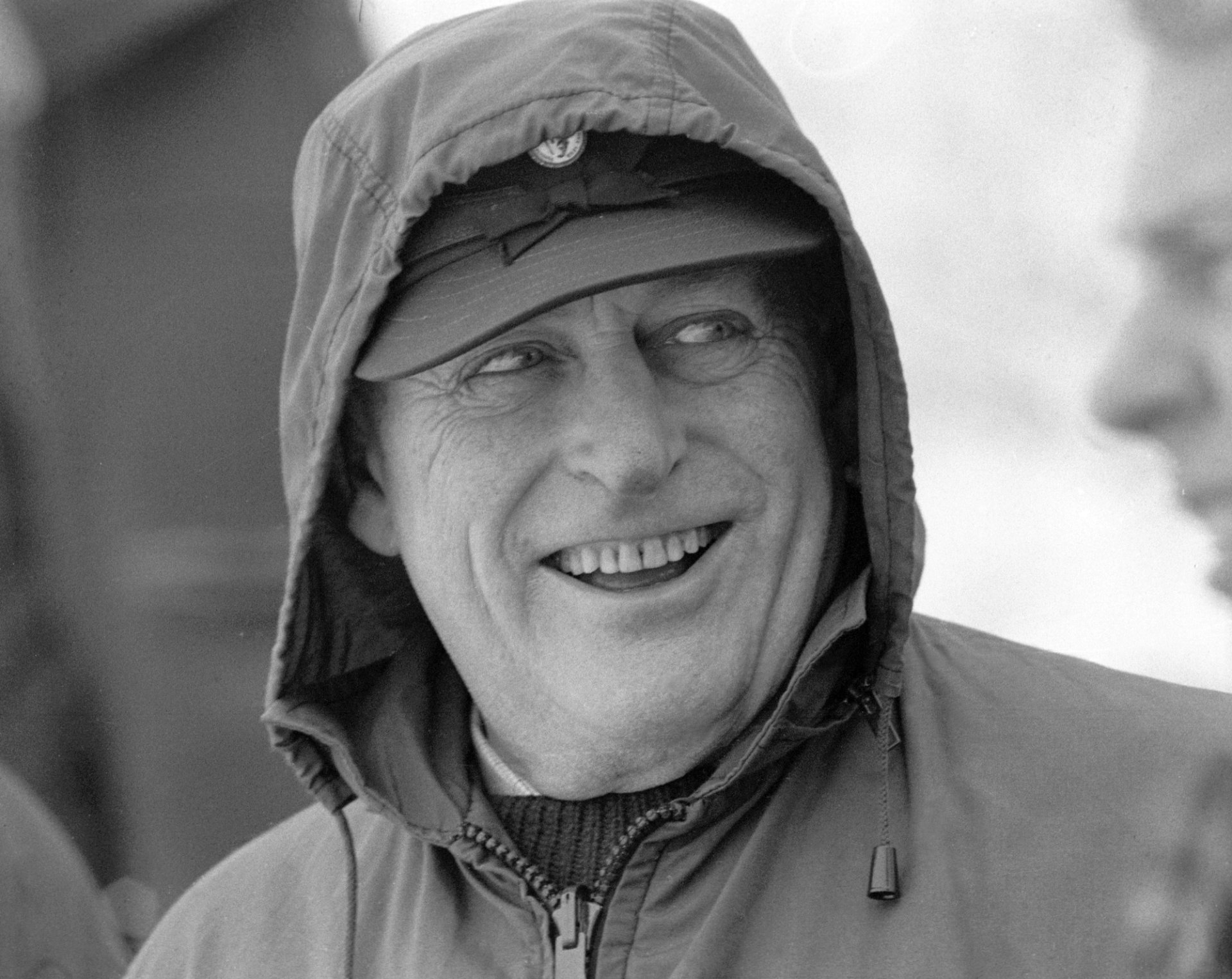
During his 33 years as King of Norway, King Olav was a well-loved and respected monarch, always dignified and correct in situations that called for it. But it was through his warmth and great ability to connect with people that he earned the honorary title of the “People’s King”.
Leasure
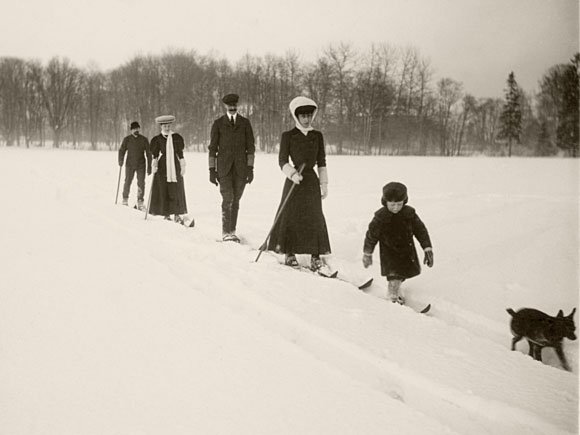
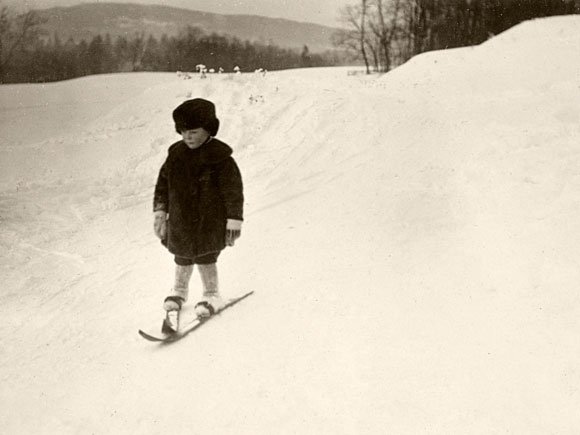
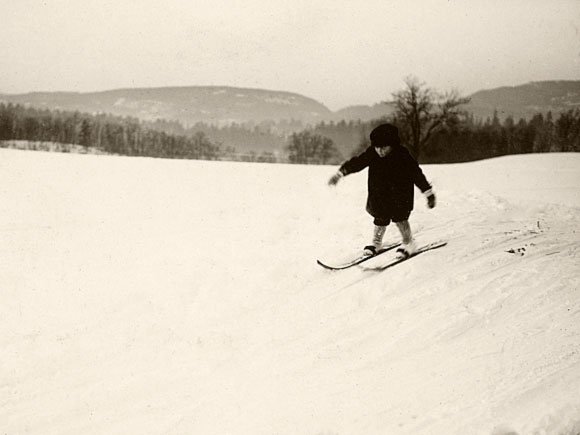
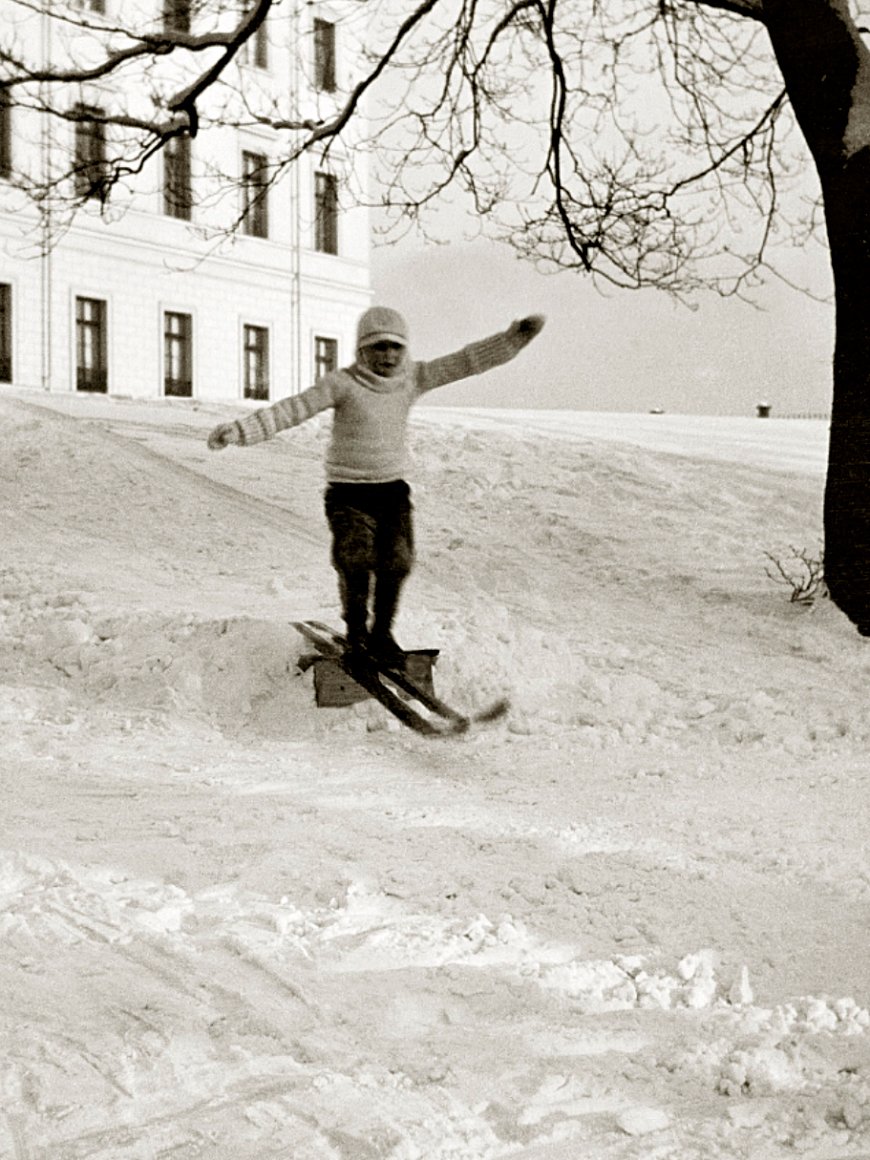
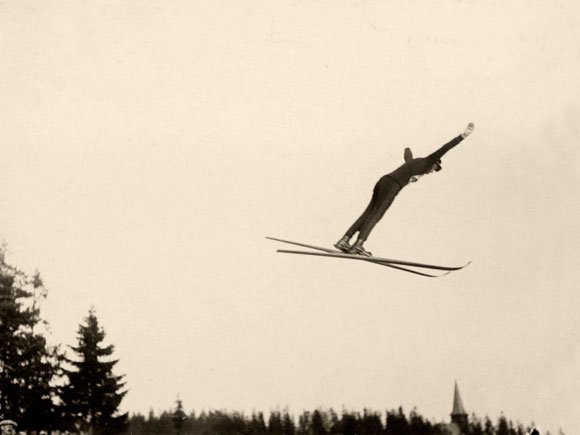
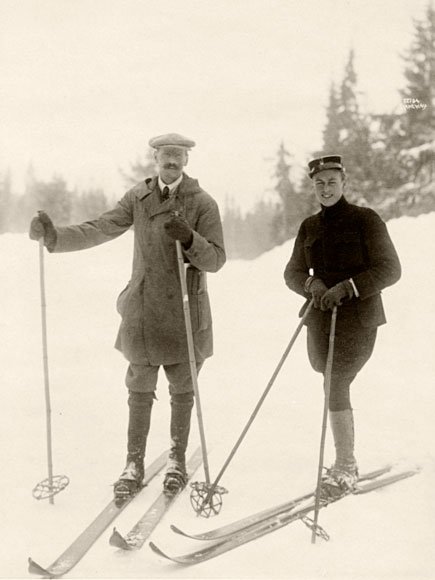
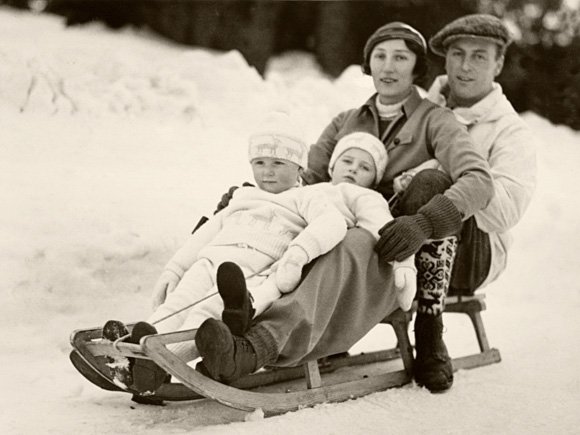
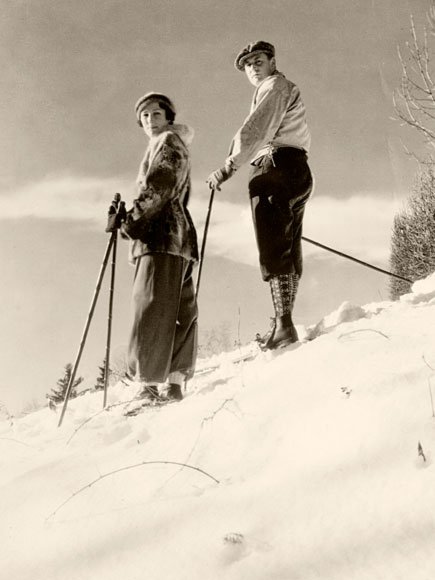
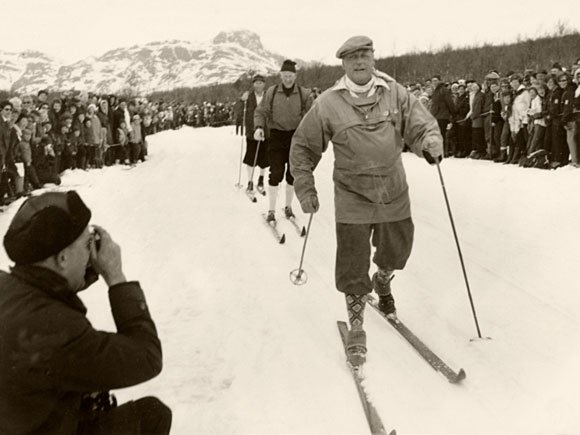
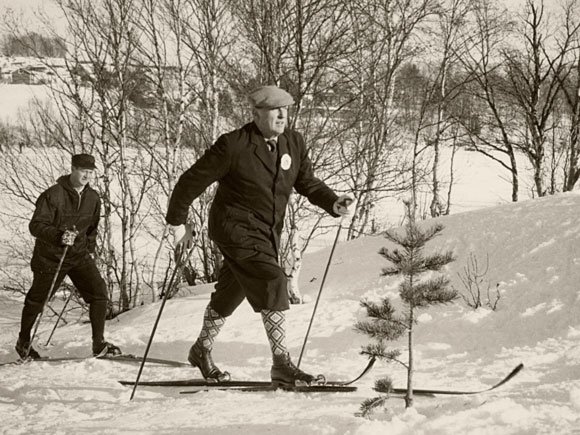
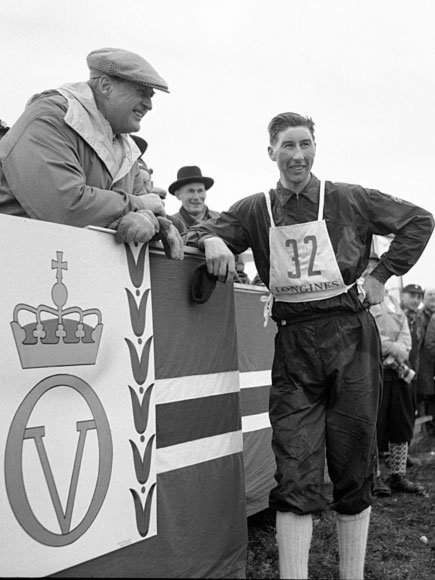
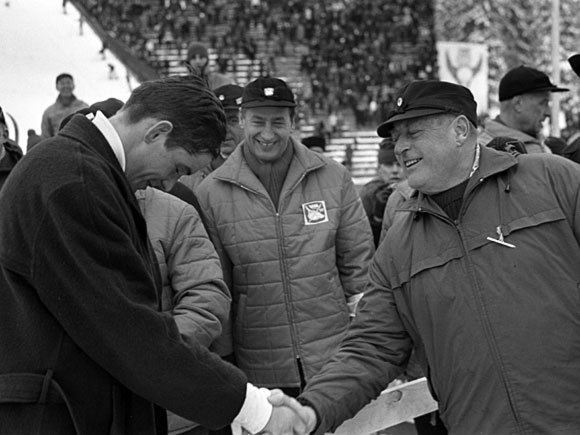
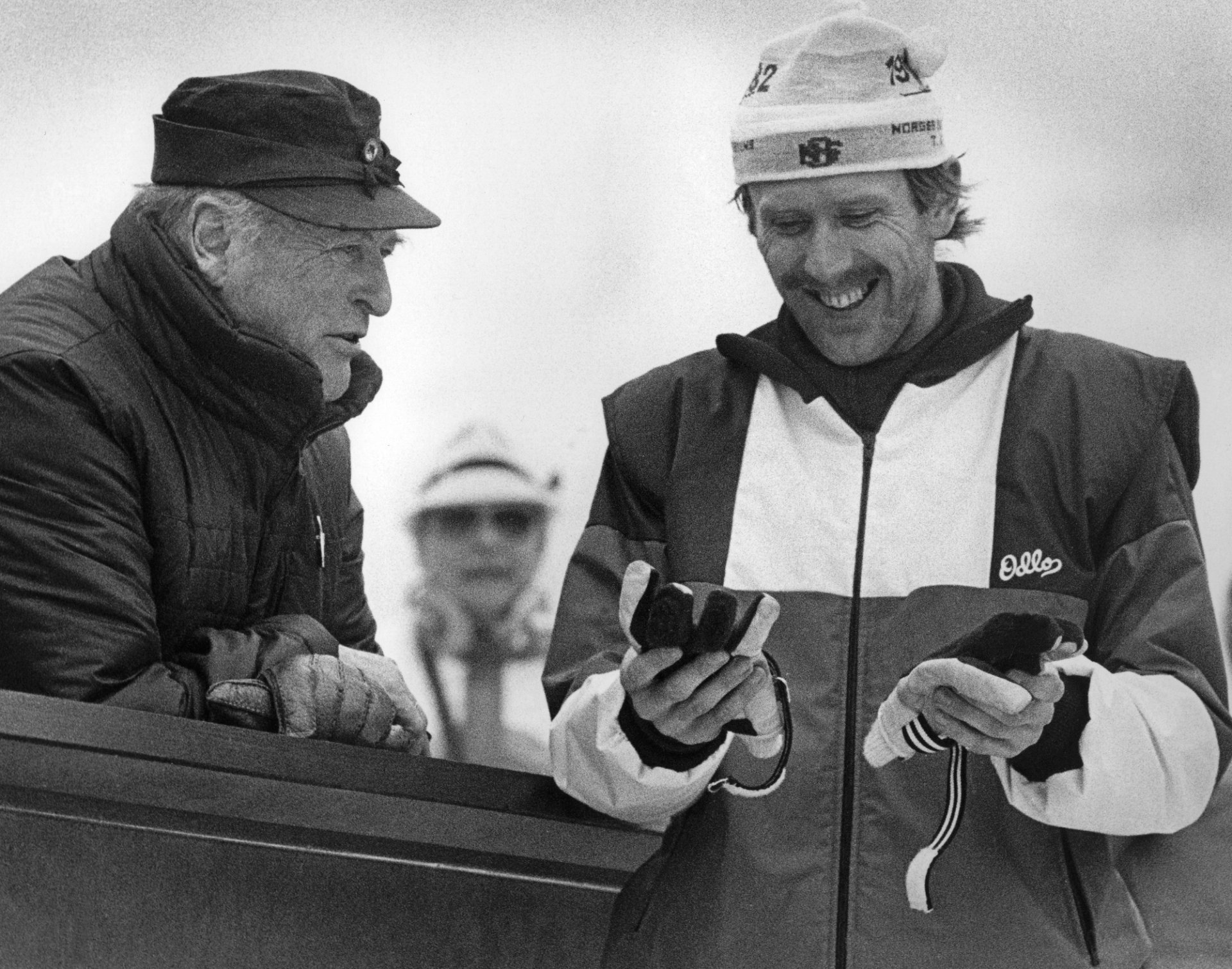
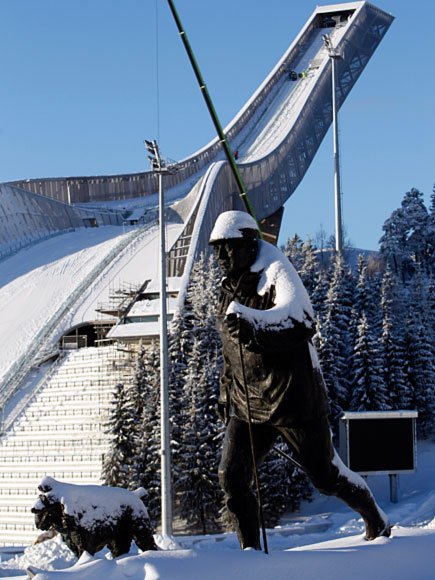
King Olav took great pleasure in sports throughout his life. He was a keen cross-country skier, and as a young man he even participated in the ski-jumping contest at Holmenkollen in 1922 and 1923.
For over 70 years, the King distinguished himself in national and international sailing competitions. He reached the high point of his sailing career at the 1928 Olympic Summer Games in Amsterdam, where he won a gold medal in the 6 m mixed event with his vessel, the Norna - and got secretly engaged to Princess Märtha of Sweden.
King Olav and skiing

Funeral Service
King Olav V died on 17 January 1991 at Kongsseteren in Oslo. Within hours of the announcement, the area in front of the Royal Palace had been transformed into a sea of lights. For days, people came to lay flowers and light candles in memory of the King. King Olav is buried in the Royal Mausoleum at Akershus Castle in Oslo.