Skip to content

The Order of St. Olav

The Royal Norwegian Order of St. Olav was founded by King Oscar I in 1847. It is conferred as a reward for distinguished services rendered to Norway and mankind.

The Order of St Olav: Crand Cross (ladies). Photo: Øivind Möller Bakken, The Royal Court

Normally, between 15 and 20 people are appointed to the Order of St Olav each year. All recipients are granted an audience with the King if they so wish.

The recipients have distinguished themselves through their efforts, and a brief explanation of the reason for the appointment accompanies the award.

Appointed to the Order of St. Olav

Harald Henden was appointed to the Order of St Olav for his contribution as a press photographer. Photo: Espen Rasmussen, VG.
King Harald received the Author Jon Fosse in audience. Fosse was awarded the Grand Cross of the Order of St Olav for his outstanding literary work. Photo: Ole Berg Rusten, NTB.
May-Britt and Edvard Moser were appointed to the Order of St Olav for their exceptionally outstanding contributions to neuroscience research. Photo: Christine Schefte, Adresseavisen.
In 2000, Karen-Christine (Kim) Friele was appointed Knight First Class of the Order of St Olav for her work on behalf of gay rights. Photo: Bjørn Sigurdsøn / NTB.
Anne Marit Jacobsen received the decoration for her outstanding contribution as an actress. Photo: Berit Roald / NTB.
Artist, composer, pianist and author Ingrid Bjørnov received the Order of St Olav for her outstanding musical achievements. Photo: Terje Bendiksby / NTB
Marit Boine was appointed to the Order of St Olav for her diverse artistic work. Photo: Jan-Morten Bjørnbakk / NTB.
The Head of the Chancery presents the Order of St. Olav to Mr Gunnar Sønsteby, a renowned Norwegian WWII hero (Photo: Berit Roald / Scanpix)

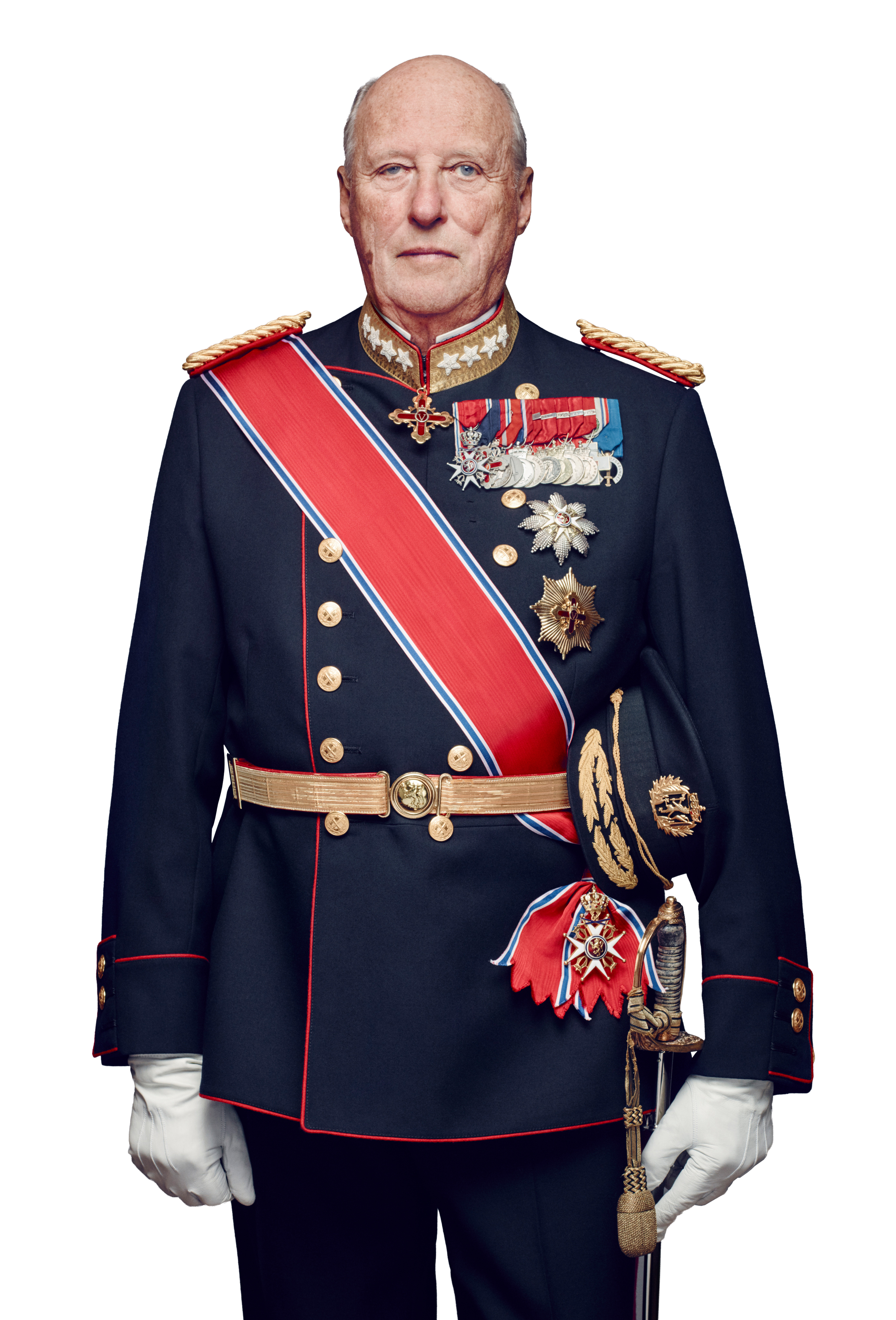
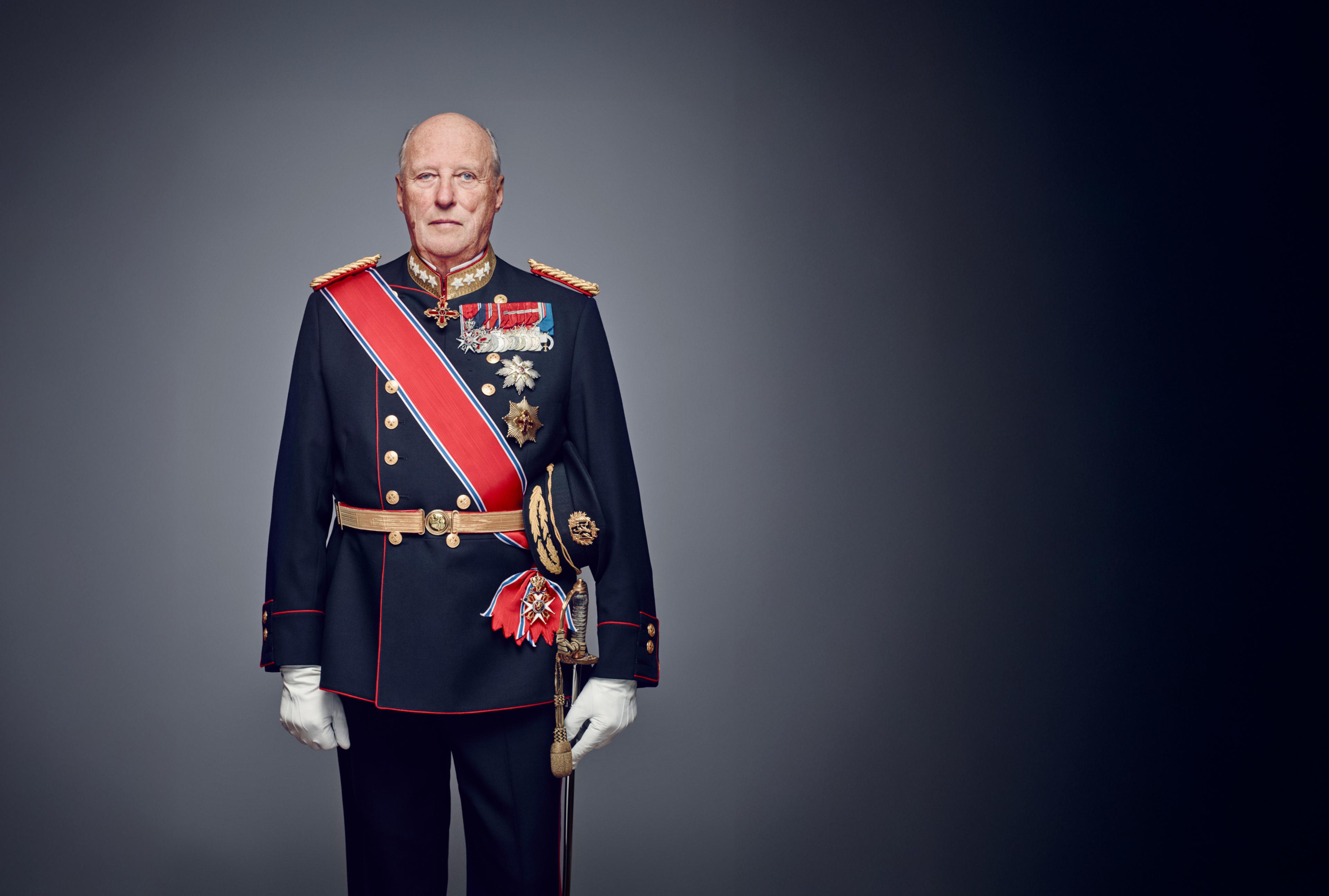
His Majesty The King is the Grand Master of the Order. With the exception of foreign royalty and heads of state, the Order of St. Olav is only bestowed on Norwegian nationals.

The Order takes its name from Norway’s canonised king, Olav the Holy and is divided into five classes:

  • Grand Cross
  • Grand Officer
  • Commander
  • Officer
  • Knight

The Collar of the Order may also be conferred by the King on holders of the Grand Cross. The Grand Cross with the Collar represents the order’s highest class.

The Order of St. Olav

The Order of St. Olav: Crand Cross. Photo: Øivind Möller Bakken, The Royal Court
The Order of St Olav: Commander. Photo: Øivind Möller Bakken, The Royal Court
The Order of St. Olav: Officer (ladies). Photo: Øivind Möller Bakken, The Royal Court
The Order of St. Olav: Officer (gentlemen). Photo: Øivind Möller Bakken, The Royal Court

[@portabletext/react] Unknown block type "span", specify a component for it in the `components.types` prop

The Order of St Olav: Commander. Photo: Øivind Möller Bakken, The Royal Court

The Order of St. Olav: Design

The Insignia of the Order is a white-enamelled Maltese cross made of gold. In its centre is a crimson medallion encircled by a blue and white ring. The obverse of the medallion bears the Norwegian lion in gold, and on the reverse is the motto of King Oscar I “Ret og Sanhed”, meaning “Justice and Truth”. In the four corners between the arms of the cross is a Gothic O of gold surmounted by a crown. The cross on the Commander and Officer insignia bears a king’s crown of gold.

How the insignia is worn

The Insignia of the Order is attached to a crimson ribbon with blue and double-edged white borders.

The Knight’s Cross is worn on the left breast, and the Commander’s Cross is suspended from a ribbon around the neck. The Grand Cross is attached to a broad sash worn passing from the right shoulder to the left side. Women wear the Knight’s Cross and Commander’s Cross on the left breast attached to a bow made from the Knight’s Cross ribbon.

The Insignia of the Order is returned to the Council of the Order in the event of the promotion or death of the recipient.