Queen Maud's biography
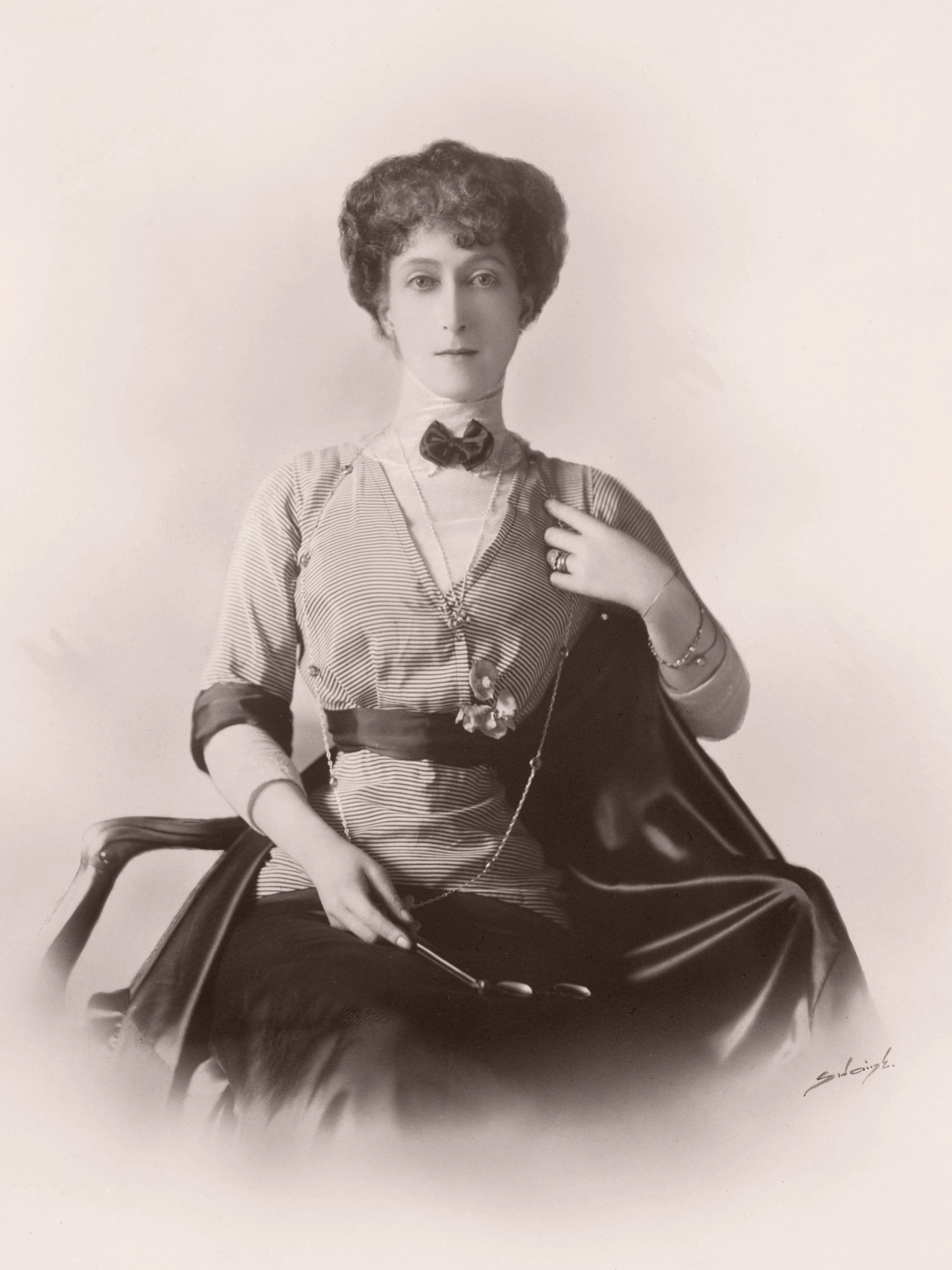
Queen Maud was born in London on 26 November 1869. She was the daughter of the future King Edward and Queen Alexandra, and her grandmother, Queen Victoria, was on the British throne. Her full name was Maud Charlotte Mary Victoria.
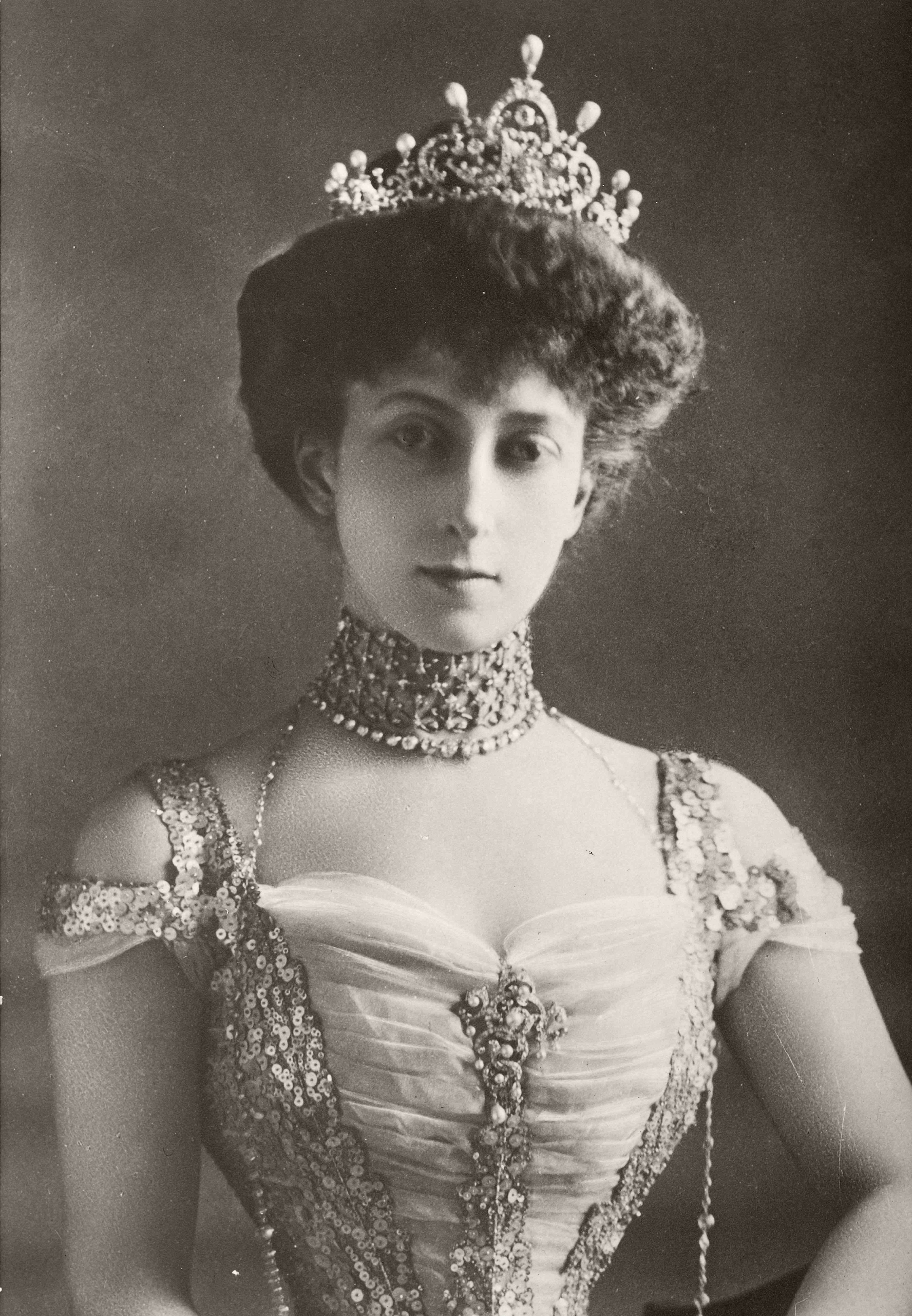
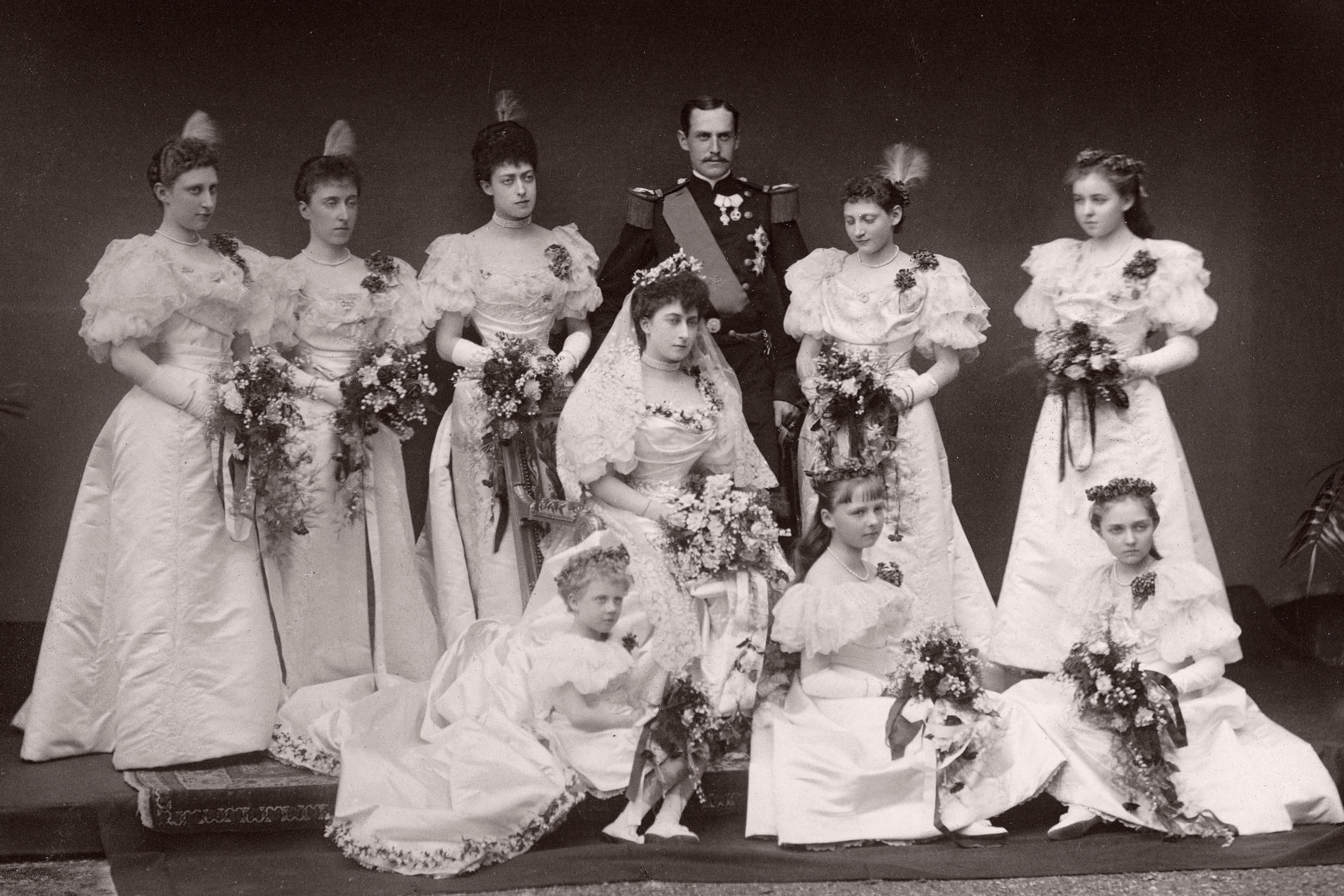
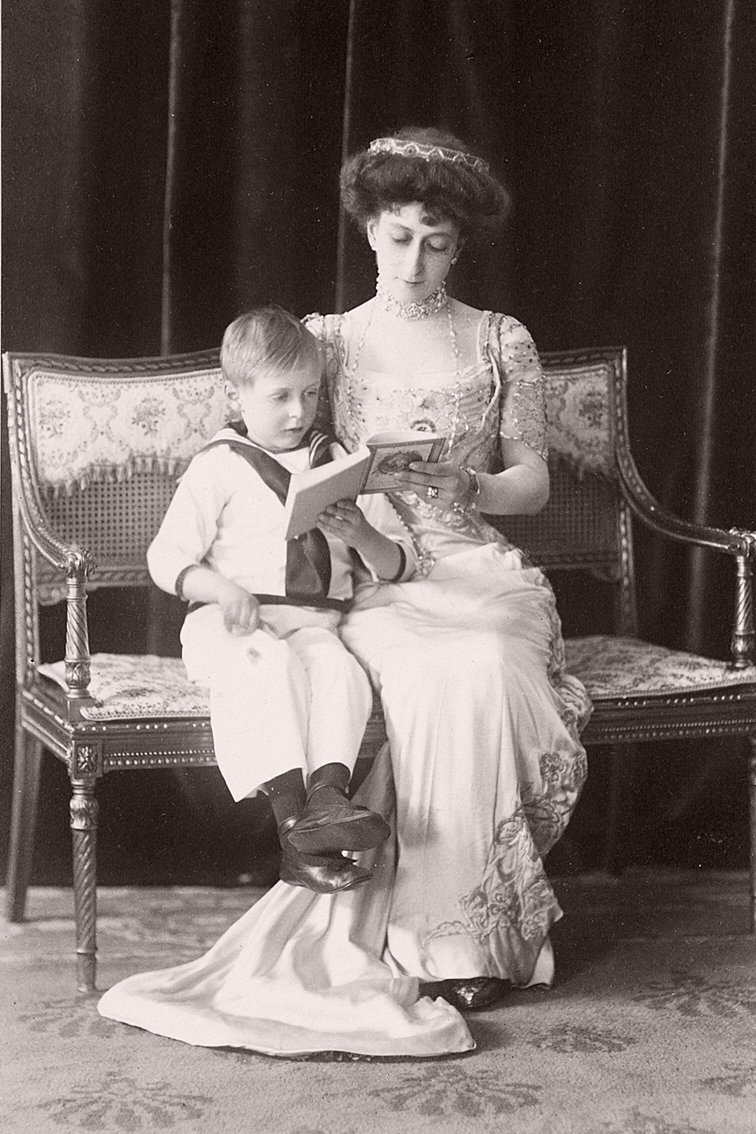
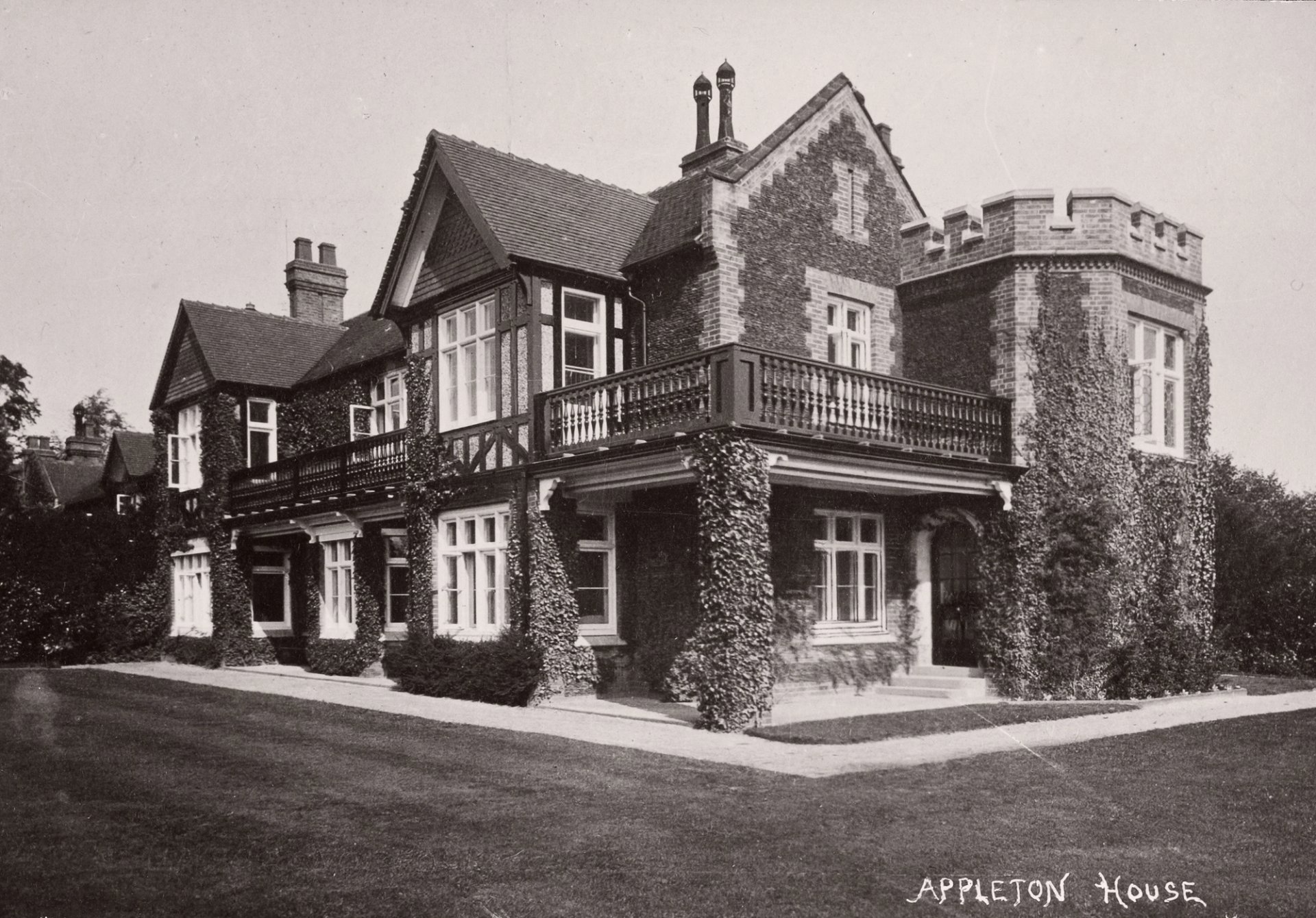
Princess Maud attended regular family gatherings in Denmark, where she came to know her cousin, Prince Carl of Denmark, well. They were married in Buckingham Palace on 22 July 1896, and settled in Copenhagen. Their son and only child, Prince Alexander, was born at Appleton House in Norfolk, England, on 2 July 1903.
Life took an abrupt turn in 1905 when the Norwegian Parliament offered Prince Carl the Norwegian throne. The fact that he was married to a British princess was a contributing factor.
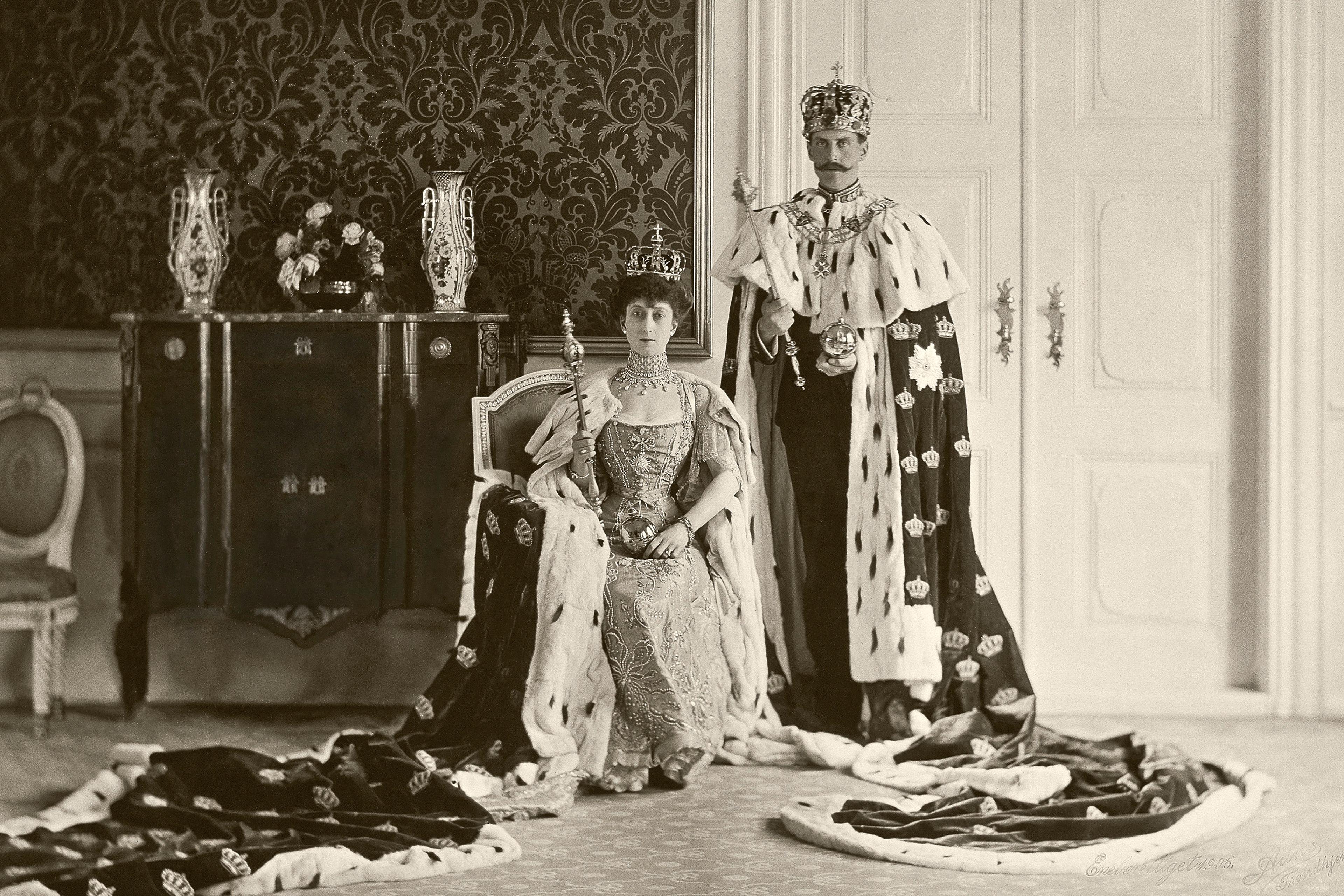
Prince Carl accepted and took the name Haakon VII. The young Crown Prince was given the name Olav, and the British princess became the first Queen of a fully independent Norway since 1380. On 25 November 1905, the new royal family came ashore in Oslo.

Queen of Norway
Queen Maud was not very visible in public, but she undertook a number of social and cultural duties. She quietly carried out extensive charitable work and was behind the establishment of Queen Maud’s Relief Fund in 1914. The fund was intended to help those who were particularly hard hit as a result of the First World War.
As Queen, she naturally had representational duties, but in many ways Queen Maud was a private person and could appear shy in public settings. In private, however, she was lively and sporty. She took an active interest in Crown Prince Olav’s upbringing and was keen for him to become "a Norwegian boy". She herself never became particularly proficient in Norwegian.
Queen Maud
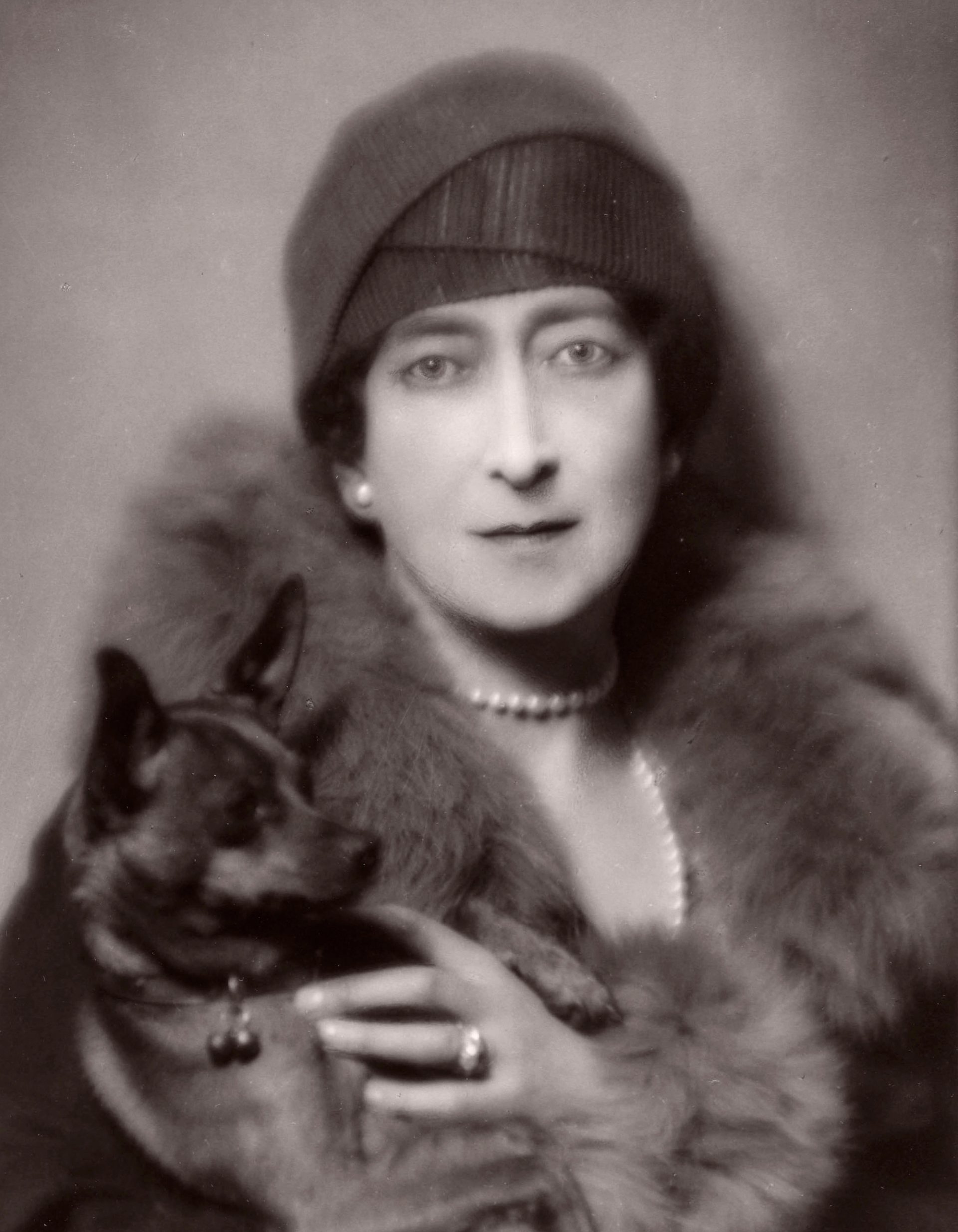
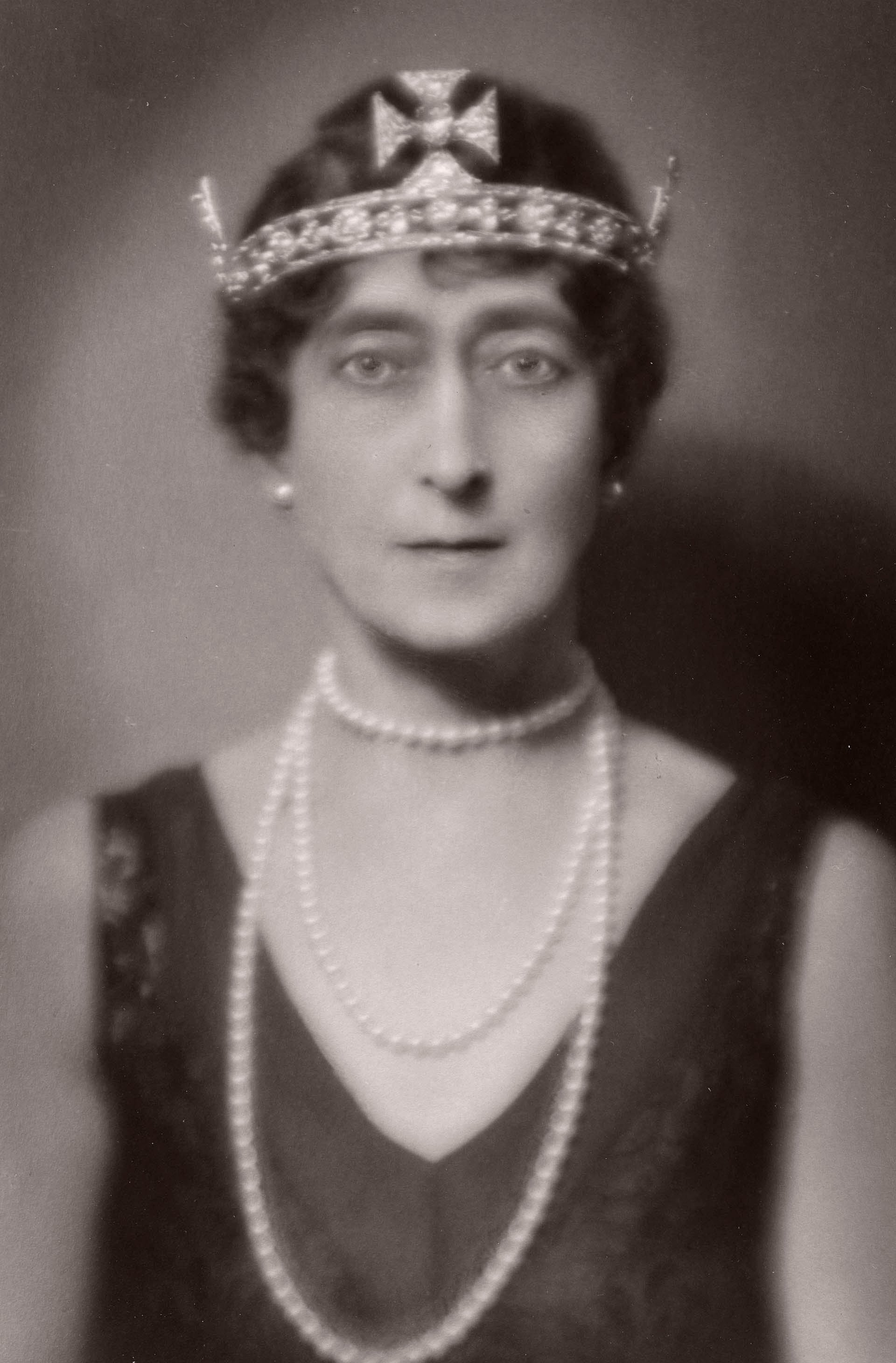
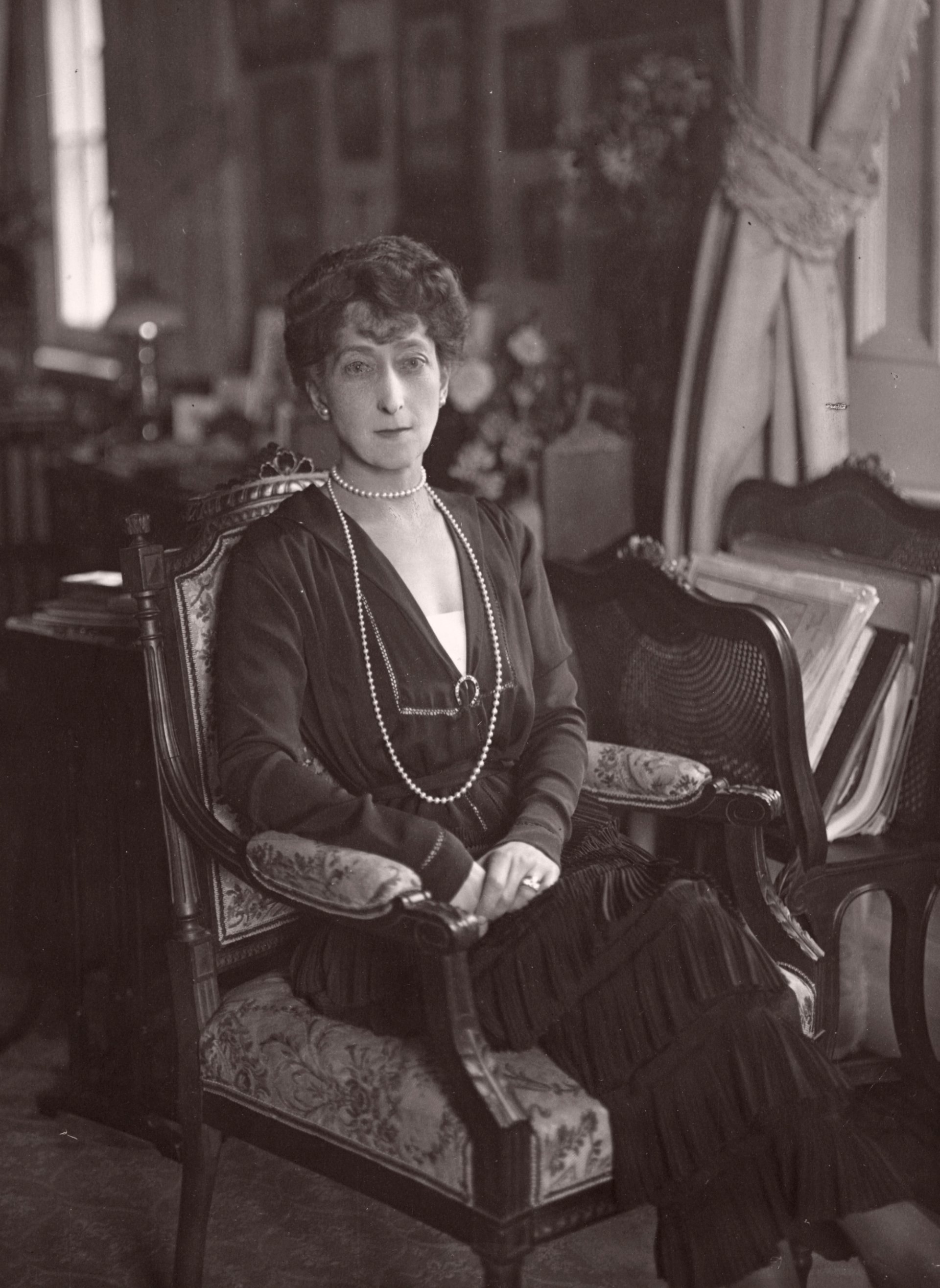
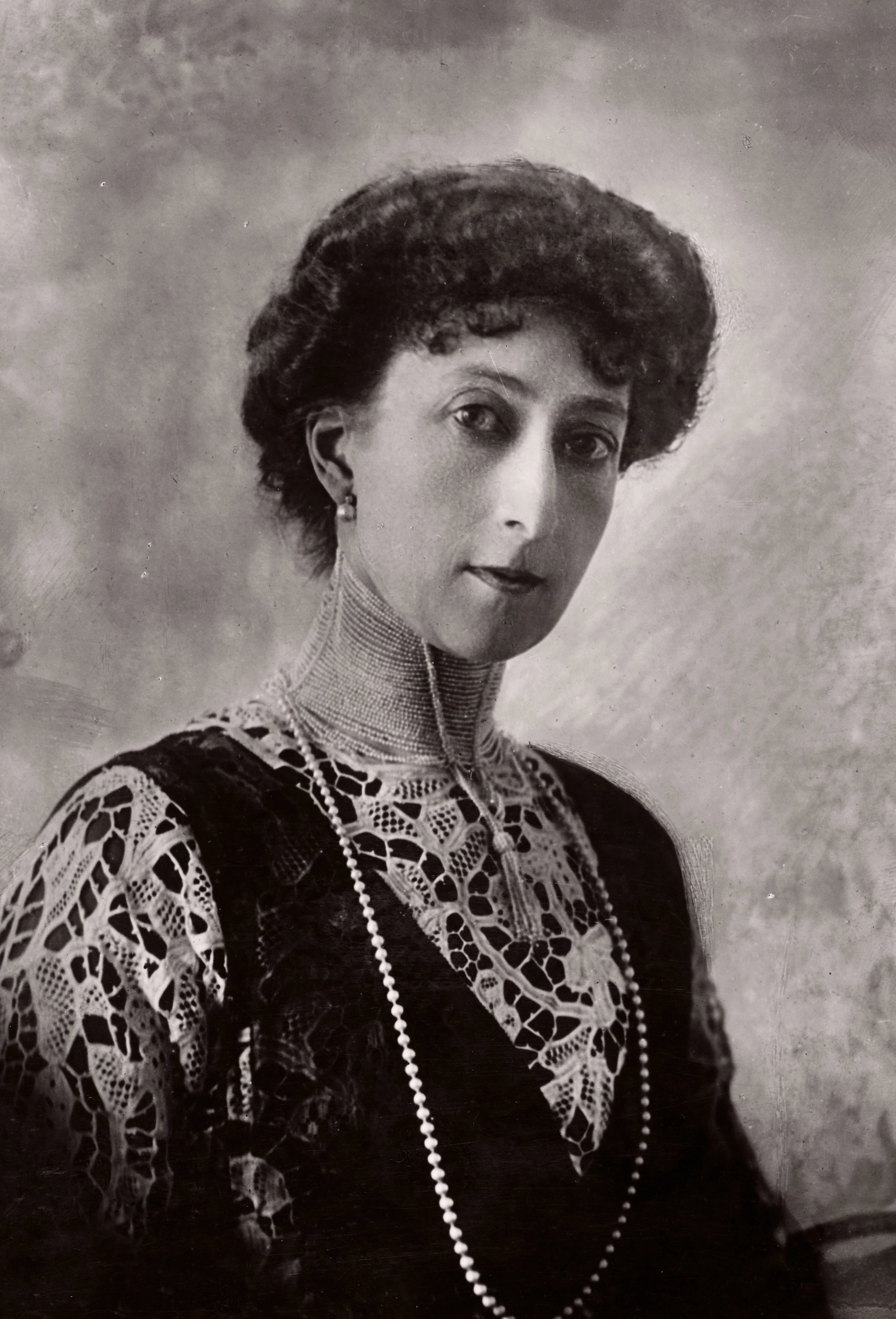
Showing 8 of 19
A Full-Time Royal Residence
The Royal Palace in Norway was completed in 1849, but had only been used for shorter periods when the Swedish-Norwegian Union kings were staying in Oslo. When King Haakon and Queen Maud arrived in Norway, the Palace became a full-time royal residence. A number of improvements were needed before it was suitable as a permanent home for the new royal family. A new royal apartment was furnished, and bathrooms were installed.
The Royal Mews Expanded
The mews that greeted the new royal couple was far too small and in fairly poor condition. Horses were an essential part of the daily running of the household, and there was a need for space for more horses and carriages.
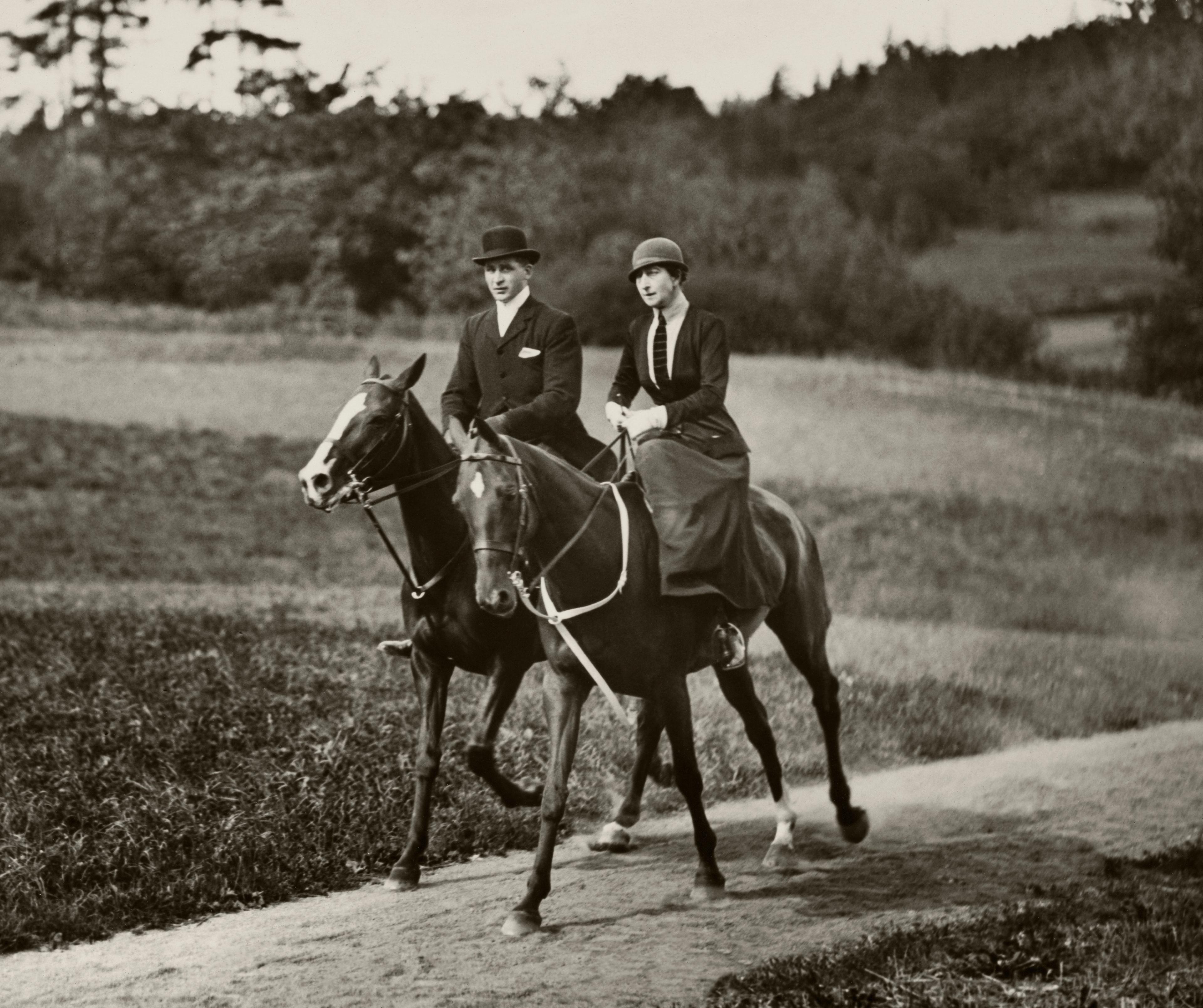
Queen Maud brought the tradition of royal horse-keeping with her from England, and the mews was remodelled on the model of the Royal Mews, the stables attached to Buckingham Palace. The Queen took a keen interest in the alterations, and King Haakon and Queen Maud paid for the improvements themselves.
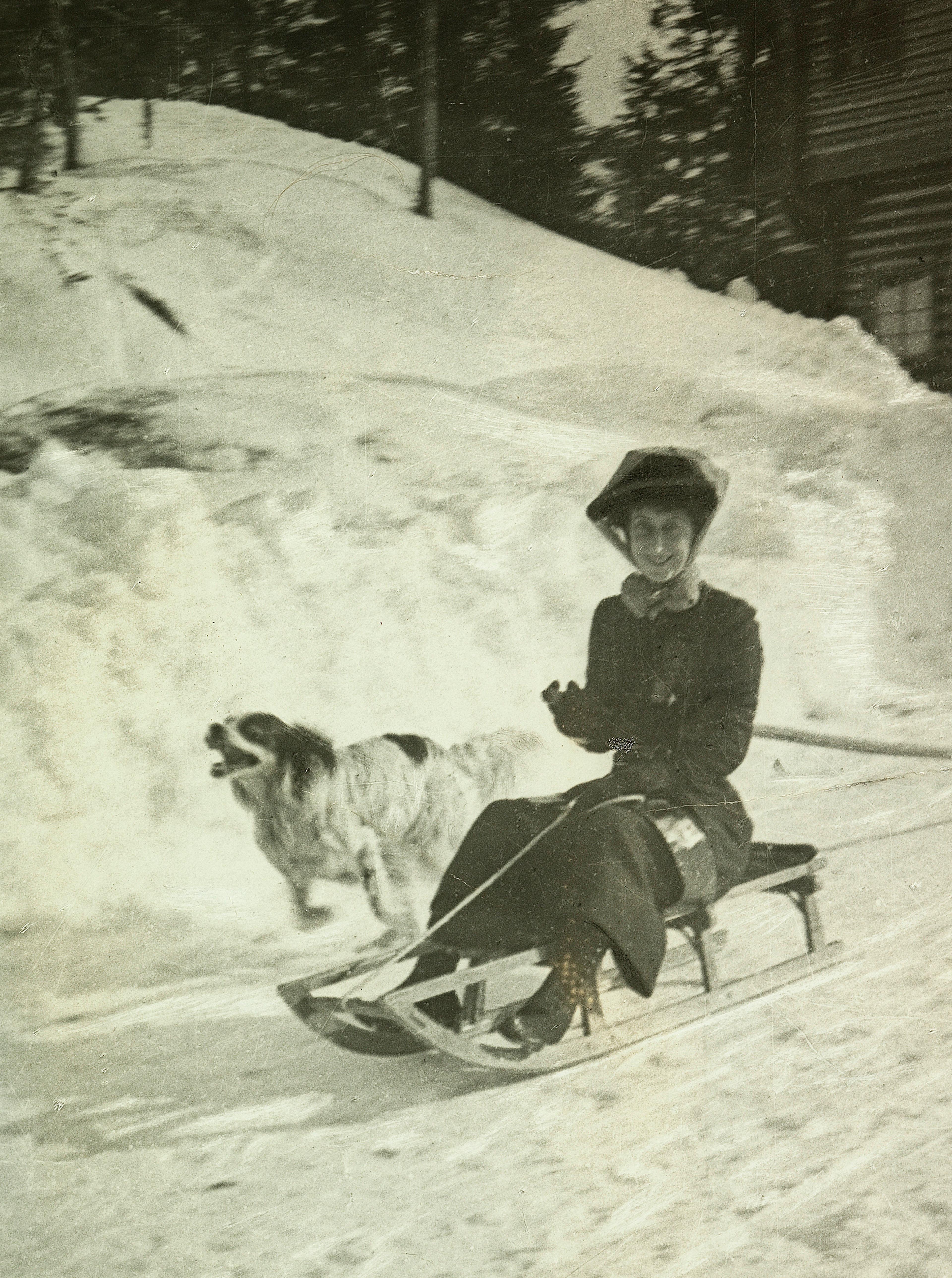
Queen Maud: Outdoor Life
Outdoor Life
Queen Maud was very active and had a great love of the outdoors. She was very fond of dancing and riding, and went on long walks with her dogs.
After coming to Norway and being introduced to the pleasures of skiing – among others by Polar explorer Fridtjof Nansen – she also became a keen skier. When the Royal Family stayed at the Royal Lodge, she went skiing and tobogganing.
The Queen could draw and paint, in keeping with the contemporary ideals for young ladies – but she was also a keen amateur photographer.
Appleton House
Every winter, Queen Maud travelled to Appleton House in Norfolk, England. The house was situated close to the family estate at Sandringham, so at Appleton she was near many of her closest relatives.
Appleton House was a wedding gift from her parents in 1896. Queen Maud loved the house and described it as their ‘perfect paradise’. The house had the appearance of a rural idyll, covered in Virginia creeper and ivy. The property was secluded, surrounded by parkland, and the surrounding countryside invited outdoor pursuits on horseback or by bicycle.
After Queen Maud’s death in 1938, King Haakon returned the property to the British royal family.
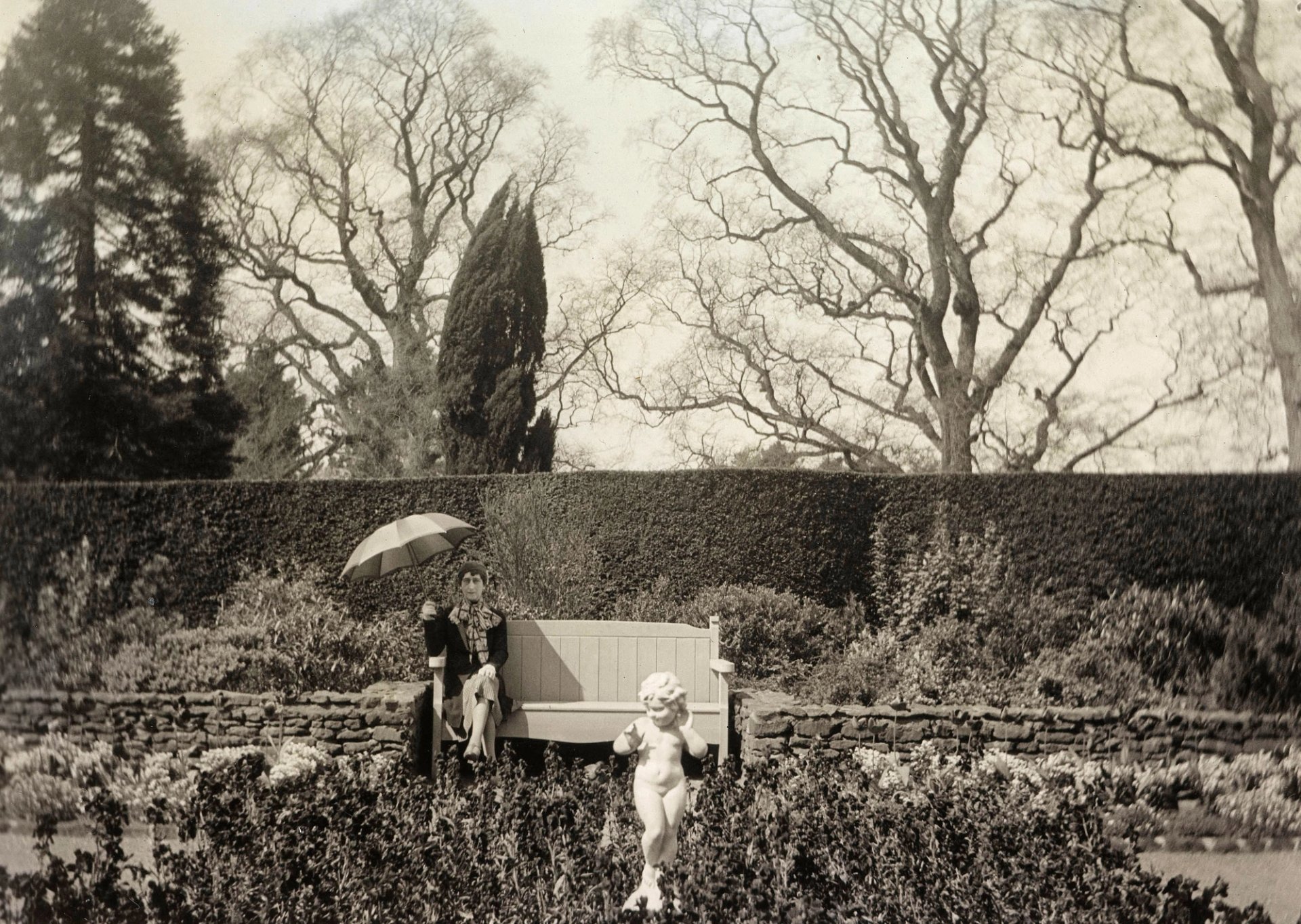
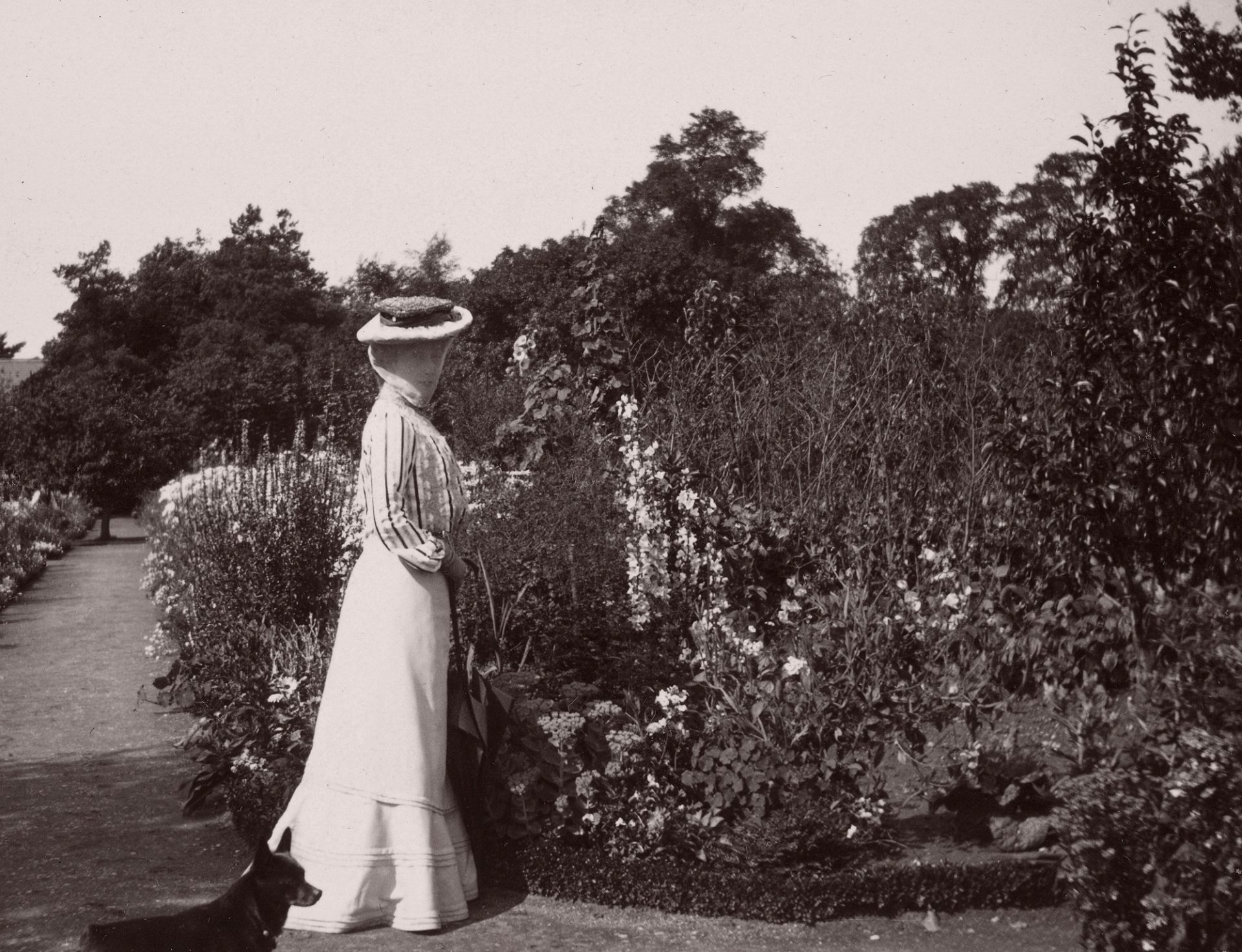
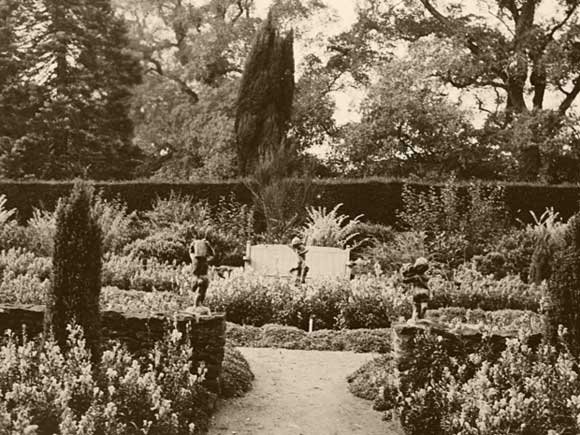
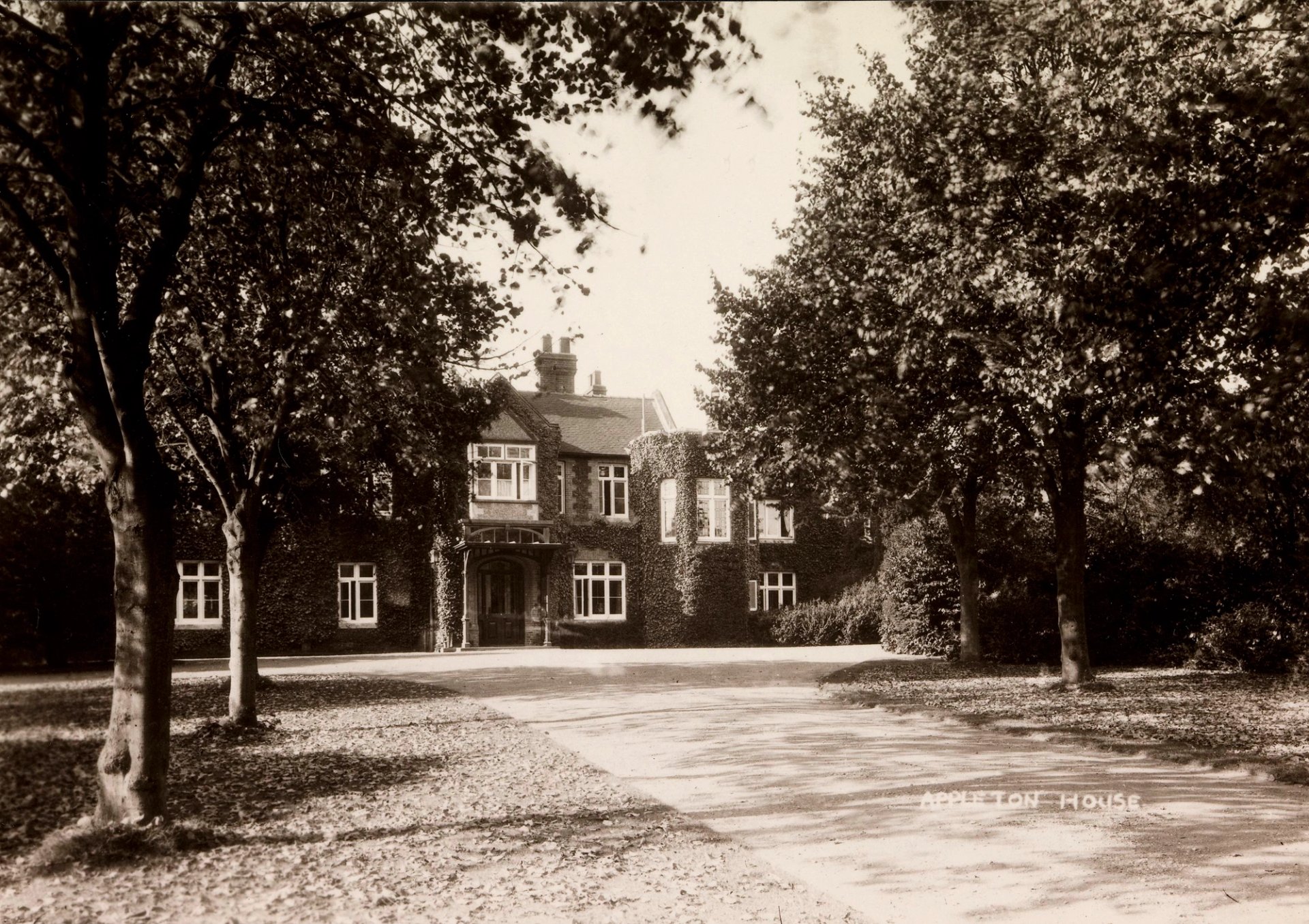
Garden Design
For Queen Maud, the garden was a place of retreat. She was very fond of the garden at Appleton, and there are many photographs of her walking along its paths in a floor-length dress and carrying a parasol.
She also had great ambitions for the garden at Bygdø Royal Farm. From 1911, the head gardener at Appleton came to Norway every year, and together they designed the garden at Bygdø in keeping with the English ideals of the time. In 2007, the garden was restored to the style and planting scheme established by Queen Maud.

Queen Maud's wardrobe
A Style Icon
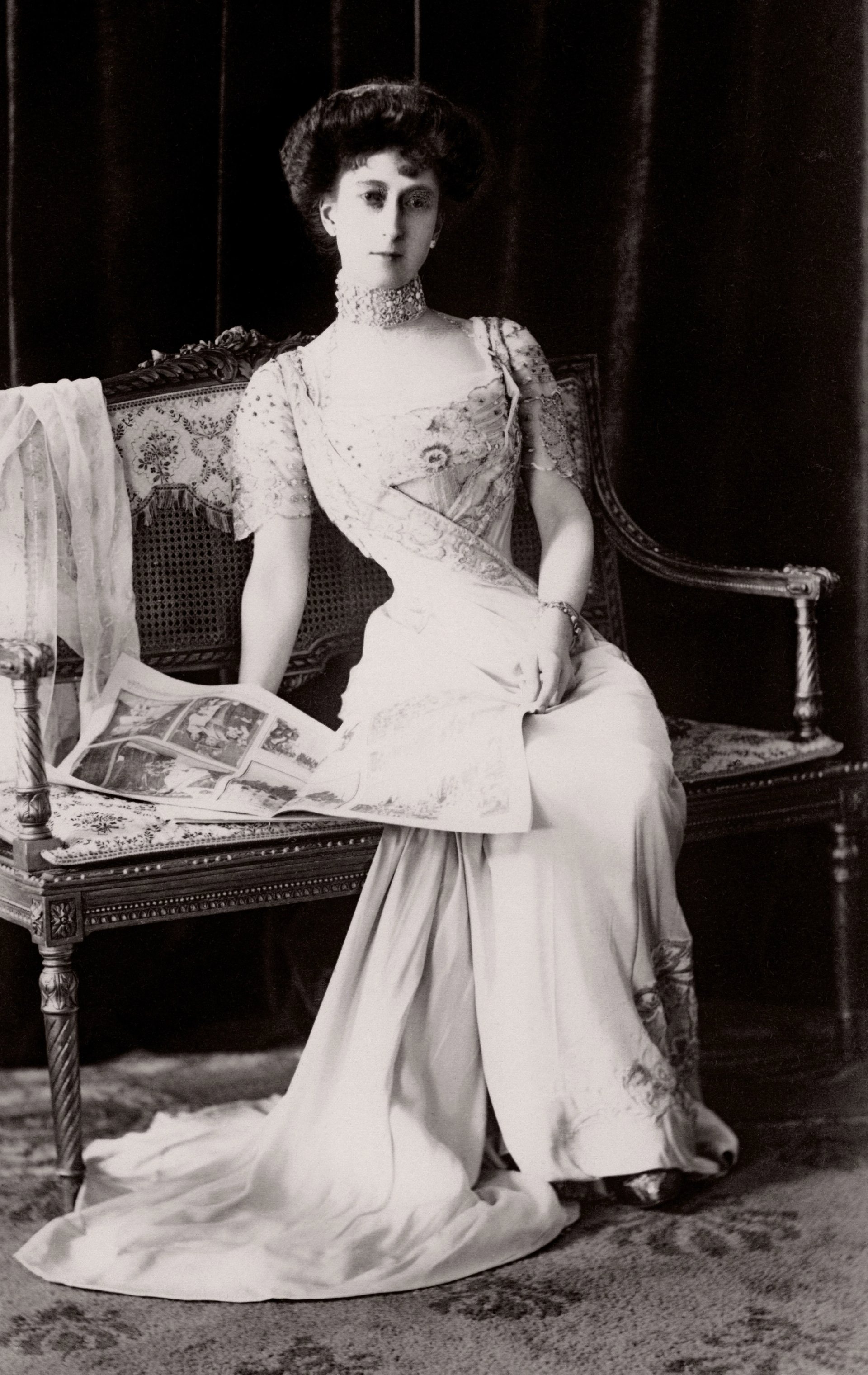
To this day, Queen Maud is known for her elegant outfits and tiny waist, which is said to have measured just 46 cm. Garments from her wardrobe have been exhibited on numerous occasions and form a central part of the National Museum’s costume collection.
The Queen’s ladies’ maids, Hilda Cooper and Violet Wond, continued to live at the Palace after Queen Maud’s death in 1938. When war broke out, they rescued the Queen’s finest dresses from the Palace and secretly moved them to the Museum of Decorative Arts before the Palace was taken over by the German occupiers.
Funeral
Queen Maud maintained a strong connection to Britain throughout her life. The Queen’s – and consequently the Norwegian royal family’s – ties to Britain would prove to be of immeasurable importance during the Second World War.
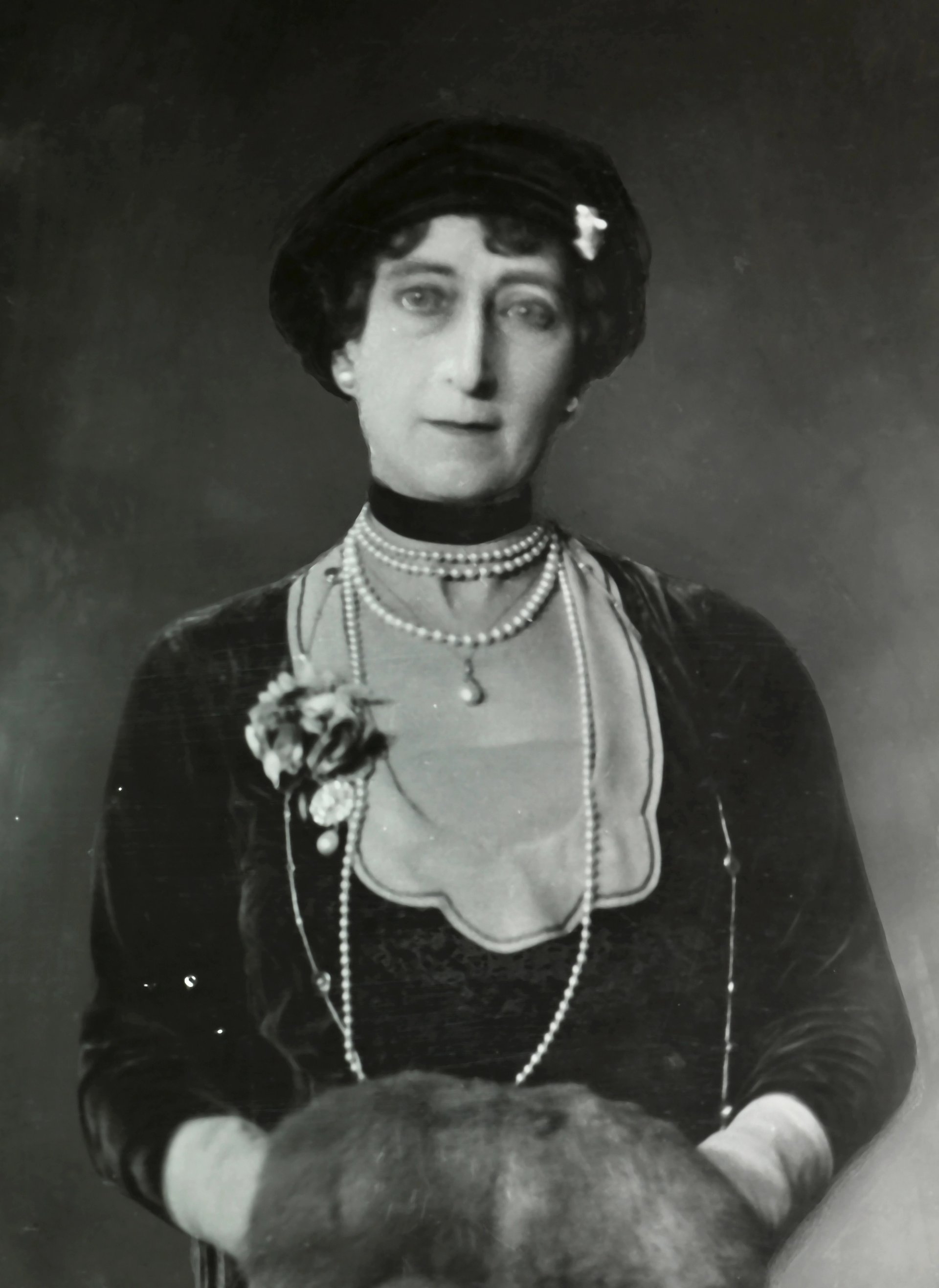
Queen Maud died on 20 November 1938 while staying in London. She is buried in the Royal Mausoleum at Akershus Castle.