Consecrations and coronations
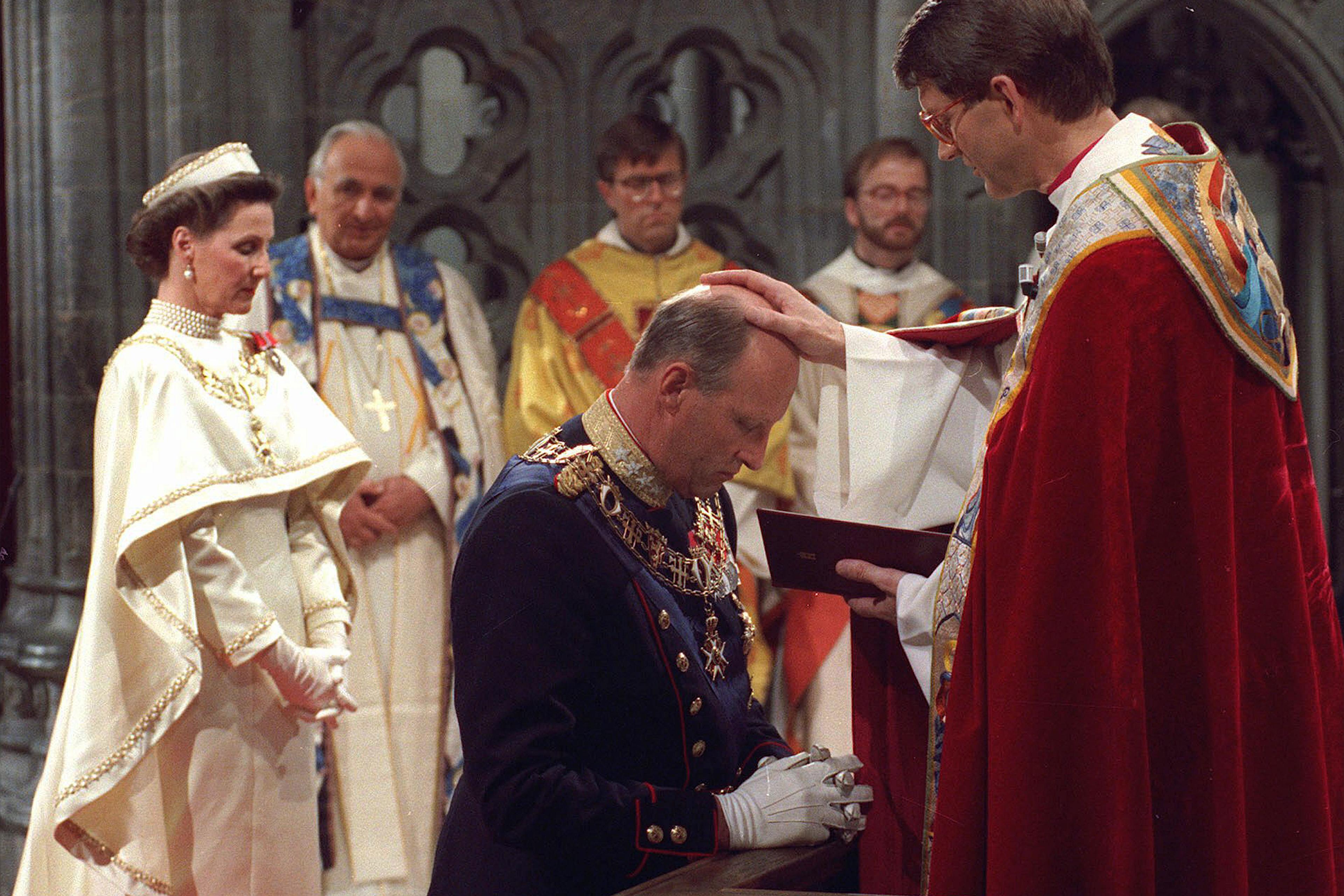
Consecration of the King is based on a thousand-year-old tradition in Norway. The ceremony is a solemn, ecclesiastical blessing of The King - and in recent times The Queen - in the performance of their royal duties.
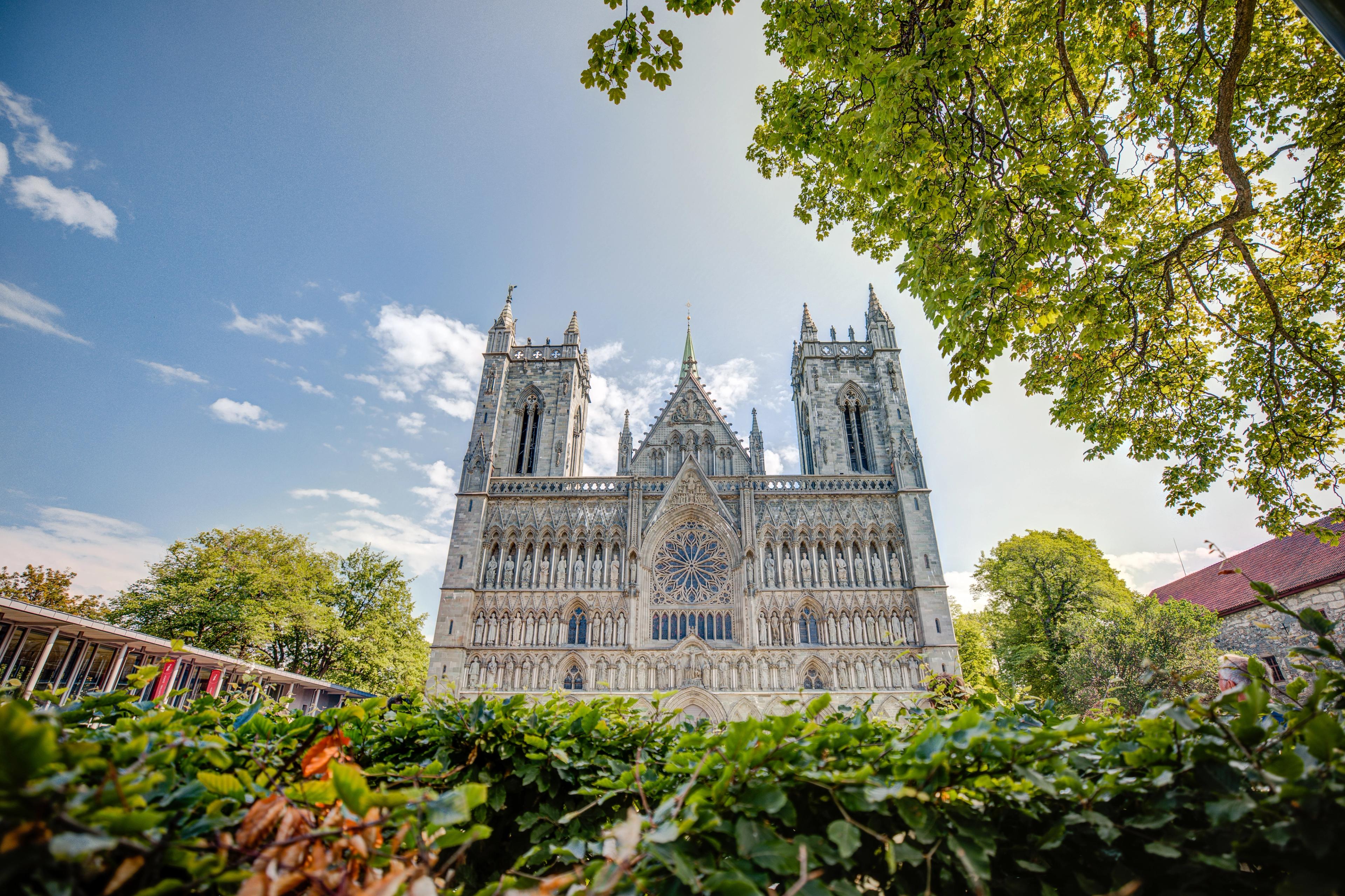
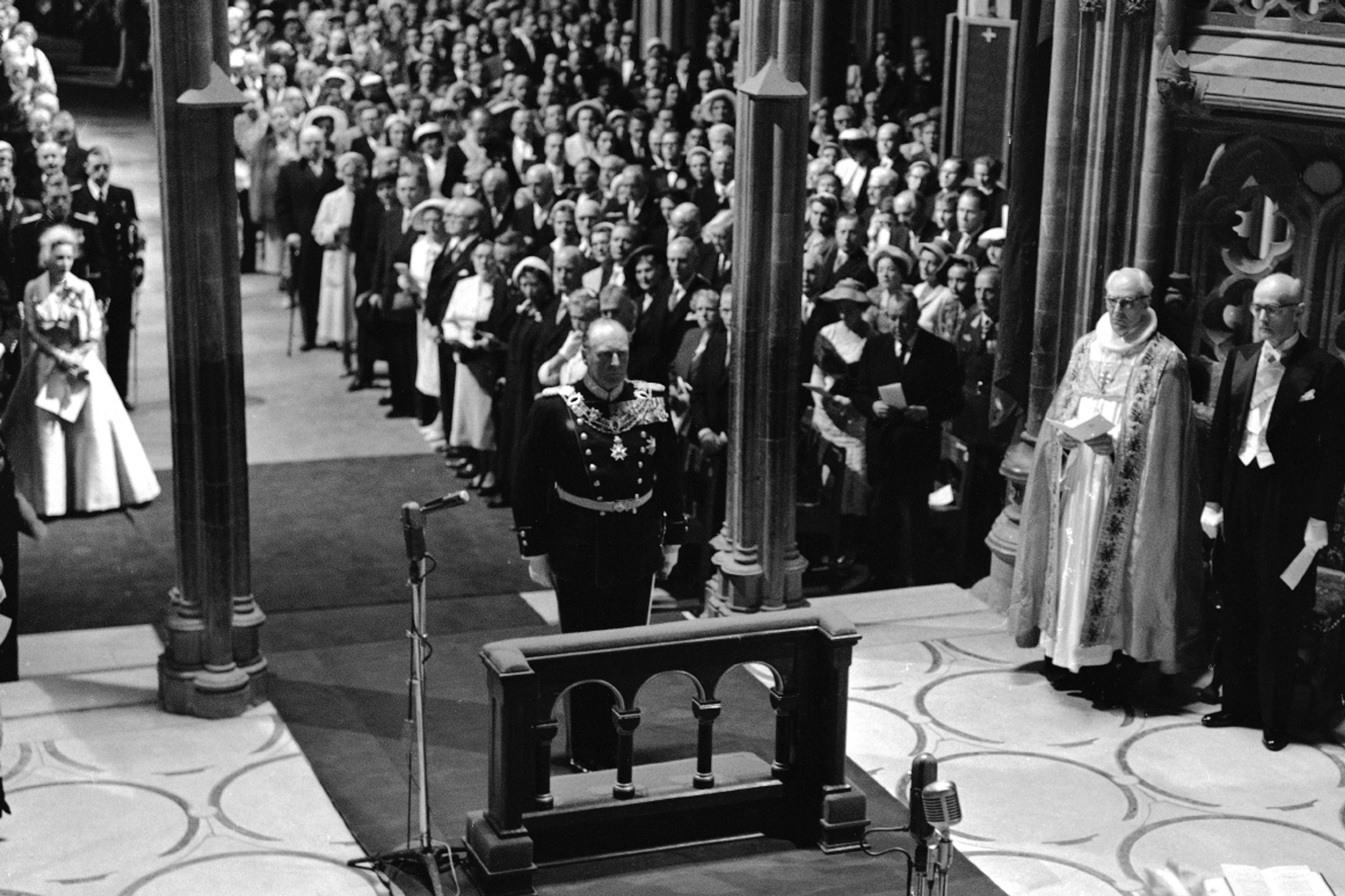
The present-day consecration ceremony was established for the consecration of King Olav V in 1958.
Historical background
The present-day consecration ceremonies have their origins in two traditions: the acclamation of kings at the Øreting assembly from the 10th century onwards, and the coronations that began in Bergen in 1163.
Acclamation of the King
The acclamation of kings is an ancient Germanic tradition practised in Norway from the 10th century onwards. According to Snorri Sturluson, Harald Fairhair was acclaimed king at the Øreting assembly in Nidaros, although this is uncertain.
In the Middle Ages, the Norwegian monarchy was an elective hereditary monarchy. In other words, it was based on a combination of inheritance and election. All the king's sons had an equal right to the throne and could put forward their claim at the assembly. It was then up to those present to accept or reject the claimant. The assembly's acceptance, representing the choice of the people, conferred legitimacy on the king's rule.
The king then took an oath, swearing to uphold the laws of the land, while the noblemen present swore allegiance to him. Farmers and members of the royal retinue struck their shields in acclamation of the newly elected king.
Following a national acclamation, kings would often travel to regional assemblies throughout the country to have their acclamation confirmed. The present-day journeys undertaken following a royal consecration thus continue a tradition stretching back a thousand years.
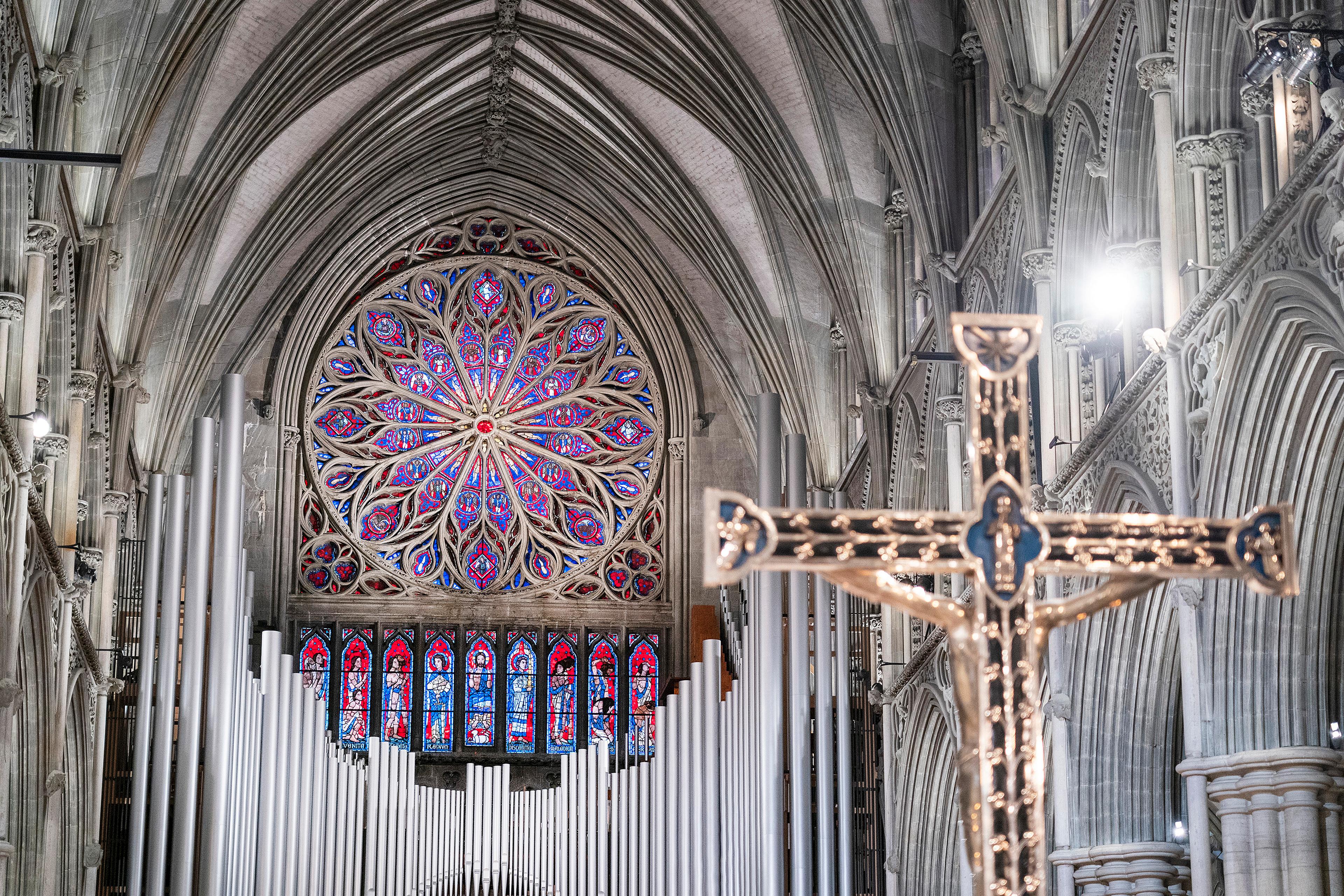
Nidaros Cathedral
In the Middle Ages, there were several important assemblies throughout Norway, but Øreting soon became the principal assembly for the acclamation of kings. The Law of Succession of 1260 stipulated that the acclamation of the king was to take place here.
Øreting owed its prominent position both to the political importance of Trøndelag and to the veneration of King Olav the Holy. The saintly king, who is buried in Nidaros Cathedral, became an integral part of the ceremony. His reliquary was carried before the assembly, and the new king swore his oath with his hand resting on the shrine.
Later, the site of the acclamation ceremony was moved from the assembly to the cathedral itself.
It was this historical tradition that the Norwegian Constituent Assembly at Eidsvoll sought to revive when the Constitution of 1814 stipulated that the King should be crowned in Nidaros Cathedral. It was therefore also natural that the new consecration ceremony should take place there.
Coronation and Anointing
The acclamation of the king provided the secular basis for royal authority. From 1163 onwards, coronation and anointing became part of the tradition. With the introduction of Christianity, coronation became a religious ceremony based on the concept of monarchy by the grace of God. The ceremony symbolised the investiture of the monarch as God's supreme earthly representative.
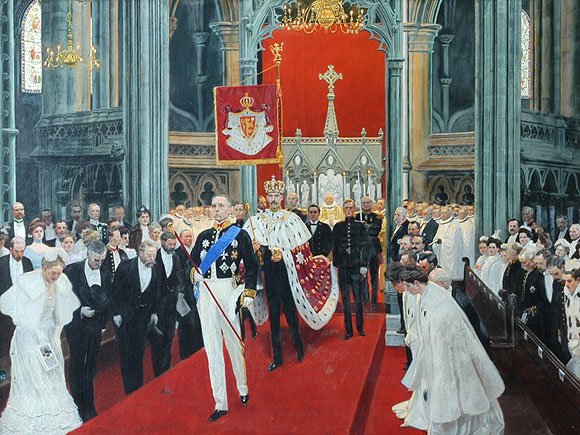
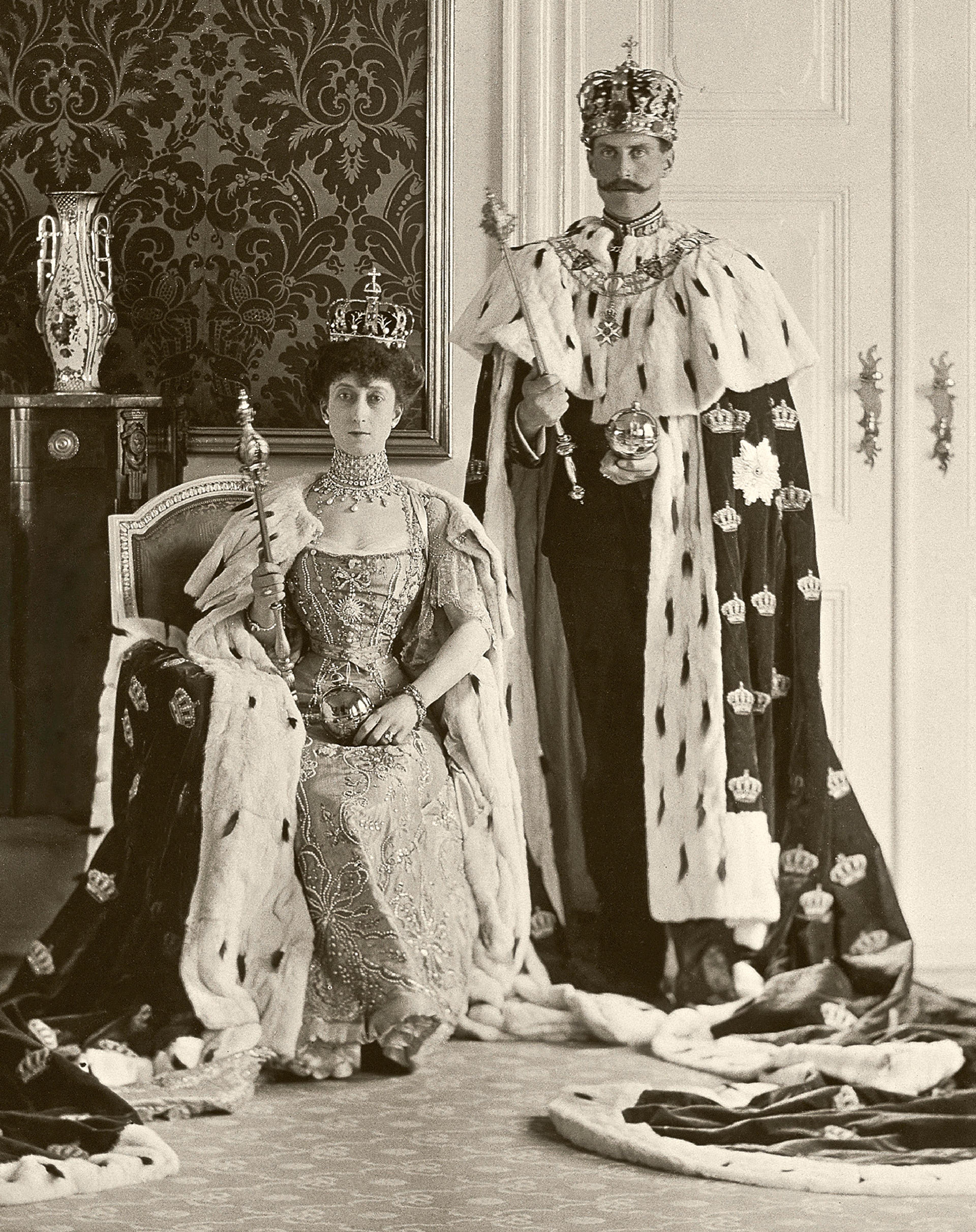
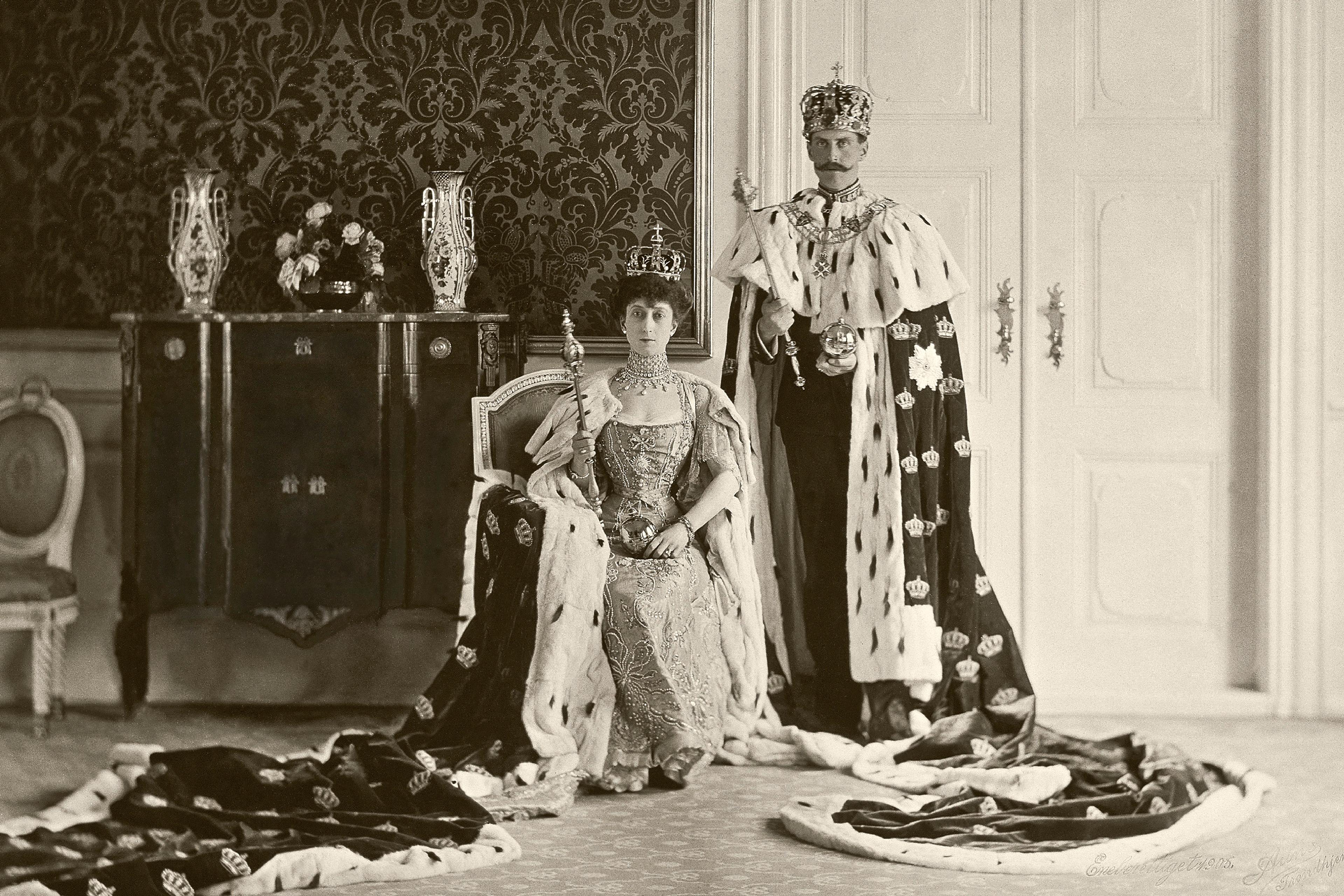
The Norwegian Constituent Assembly at Eidsvoll included a provision for coronation in Nidaros Cathedral in the Constitution of 1814, but this provision was repealed in 1908. King Haakon VII and Queen Maud were therefore the last monarchs to be crowned in Norway.
Section 12 of the Constitution
The Coronation Clause
Section 12 of the Constitution of 1814 stipulated that the King was to be crowned and anointed in Nidaros Cathedral:
“The King shall be crowned and anointed in Trondheim Cathedral once he has come of age, at a time and in accordance with ceremonies of his own choosing.”
However, in 1908, the Storting (Norwegian Parliament) voted to remove the coronation clause from the Constitution. The ceremony was considered undemocratic and outdated, and the clause was repealed by an overwhelming majority.
The coronation of King Haakon VII and Queen Maud in 1906 was therefore the last to be held in Norway.
A New Tradition of Royal Consecration
Following the repeal of the coronation clause in 1908, there was no longer any constitutional provision for coronation when King Haakon VII died in 1957.
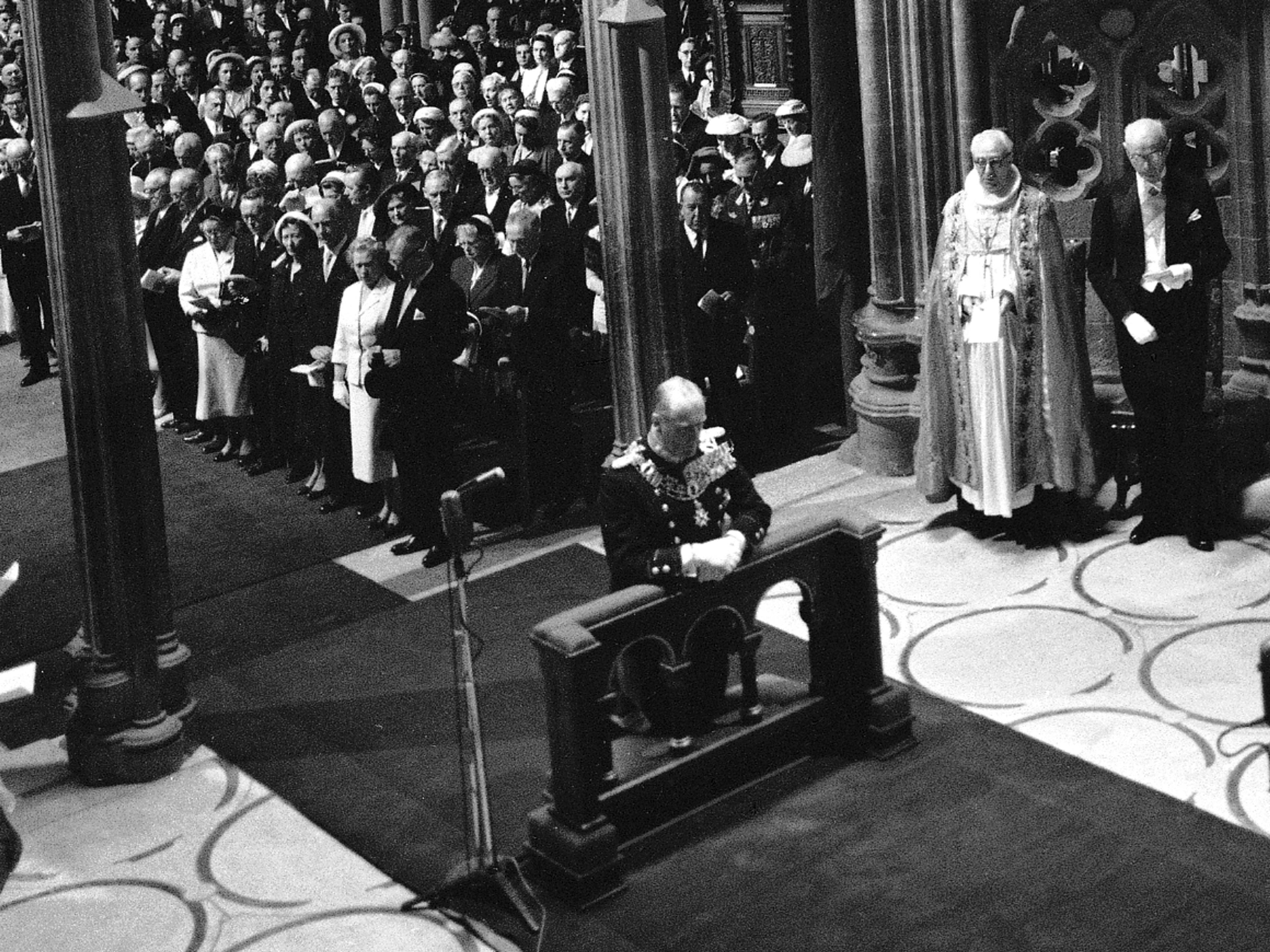
King Olav V had a profound knowledge of history and a deep respect for important traditions. He expressed a strong personal wish to be consecrated in Nidaros Cathedral, seeking God's blessing upon his reign.
In doing so, he laid the foundations for the continuation of an ancient tradition, one that was upheld by King Harald V and Queen Sonja on 23 June 1991.
Coronations in Norway Through the Ages
Norway's first coronation took place in 1163, when King Magnus Erlingsson was crowned in Bergen by Archbishop Eystein. Magnus was only a child, and his claim to the throne came through his mother. This went against the traditional principle that the right of succession passed from father to son. The young king's claim was therefore so weak that he needed the support of the Church to secure his position.
The Church, in turn, strengthened its own position by establishing itself as an authority on the legitimacy of kingship. It also secured important guarantees through the coronation oath, in which King Magnus swore allegiance to the Pope.
Few of Norway's medieval coronations took place in Nidaros Cathedral. The first five were held in Bergen, before King Haakon Magnusson was crowned in Oslo in 1299. When he died without a male heir in 1319, Norway gradually entered into unions with Sweden and Denmark through dynastic marriages.
Coronations during the Union with Denmark
From 1397, Norway, Sweden and Denmark were united under a single monarch in what became known as the Kalmar Union. Kings were crowned in each of the three countries in turn until the union of the three kingdoms came to an end in 1523. Three of these coronations took place in Trondheim during the 15th century, while the ceremonies were otherwise generally held in Oslo.
Following the introduction of absolute monarchy in 1660, no further coronations took place in Norway for as long as the union with Denmark lasted. Instead, a single ceremony was held in Copenhagen. Under absolute monarchy, the King wielded supreme authority as "the highest and most exalted head on earth". The ceremony was therefore transformed into a rite of anointing, with the King placing the crown on his own head.
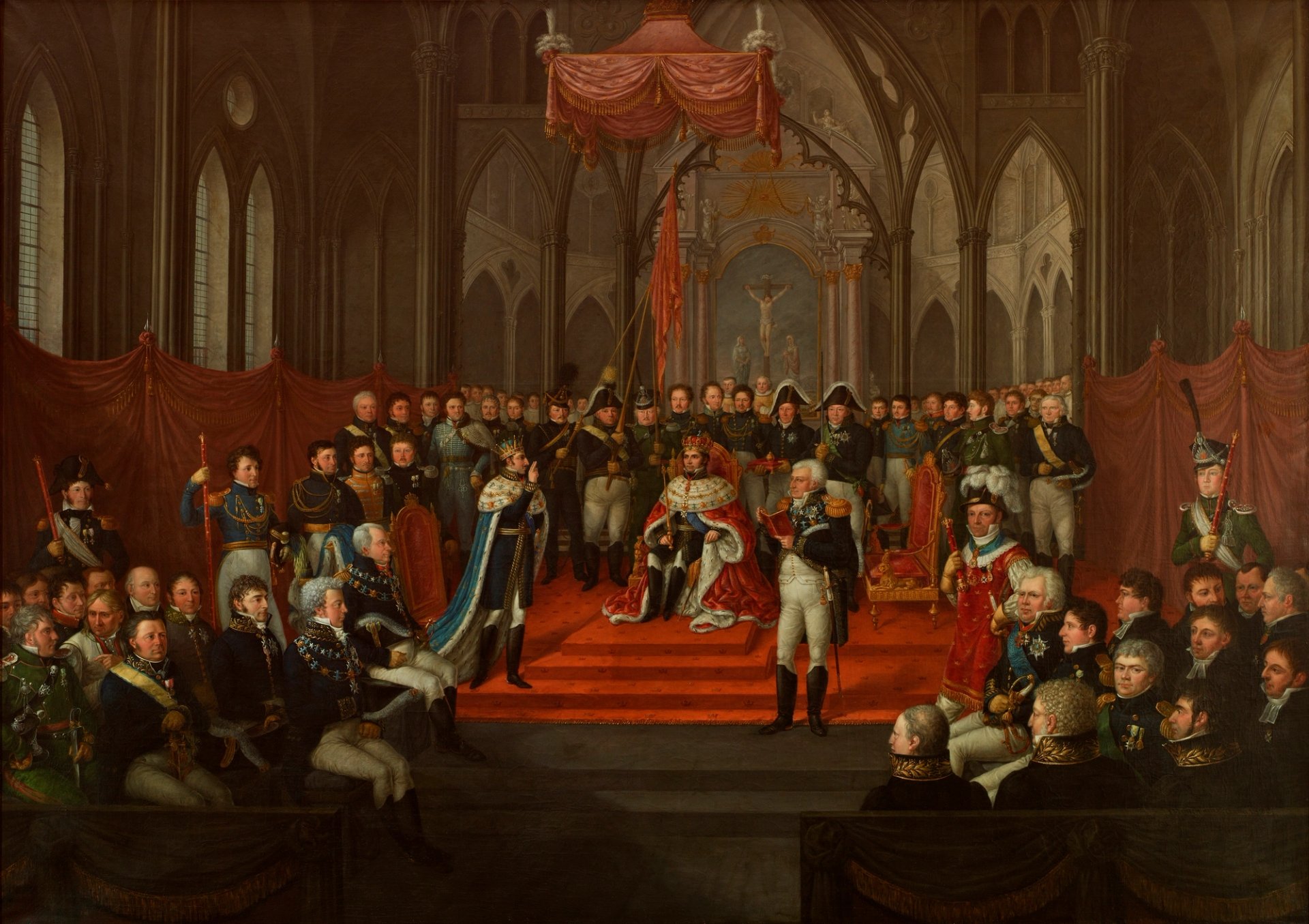
The Coronation of King Carl Johan in 1818
The next coronation to take place in Norway, and in Trondheim, was that of King Carl Johan in 1818. By then, Norway had regained its status as an independent state, and the King was crowned as a constitutional monarch, bound by the provisions of the Constitution.
Norway's old coronation regalia had been lost, and there was no established ceremonial tradition to follow. Everything had to be created anew for King Carl Johan's coronation, and the King himself paid for the crown and other items required for the ceremony.
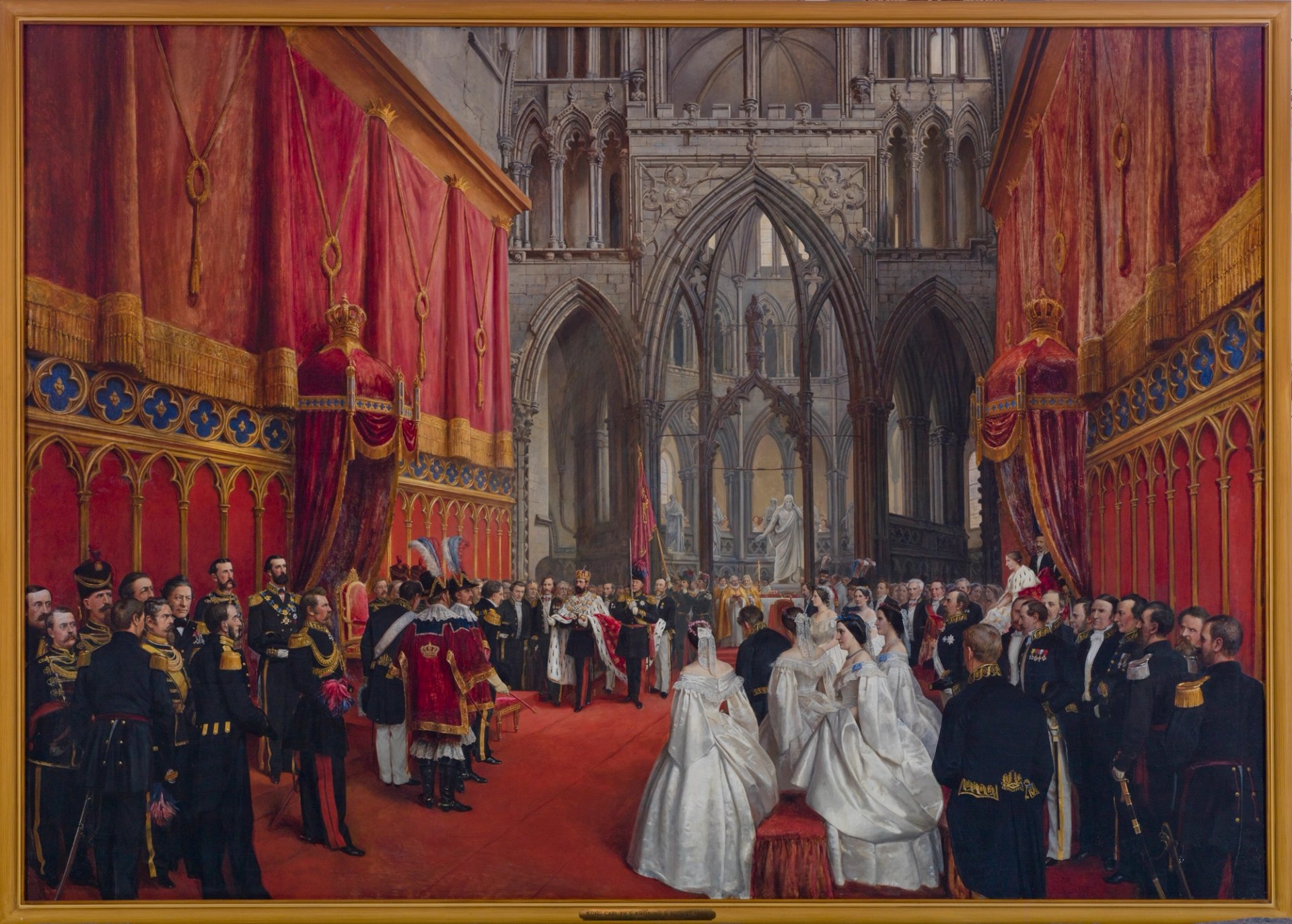
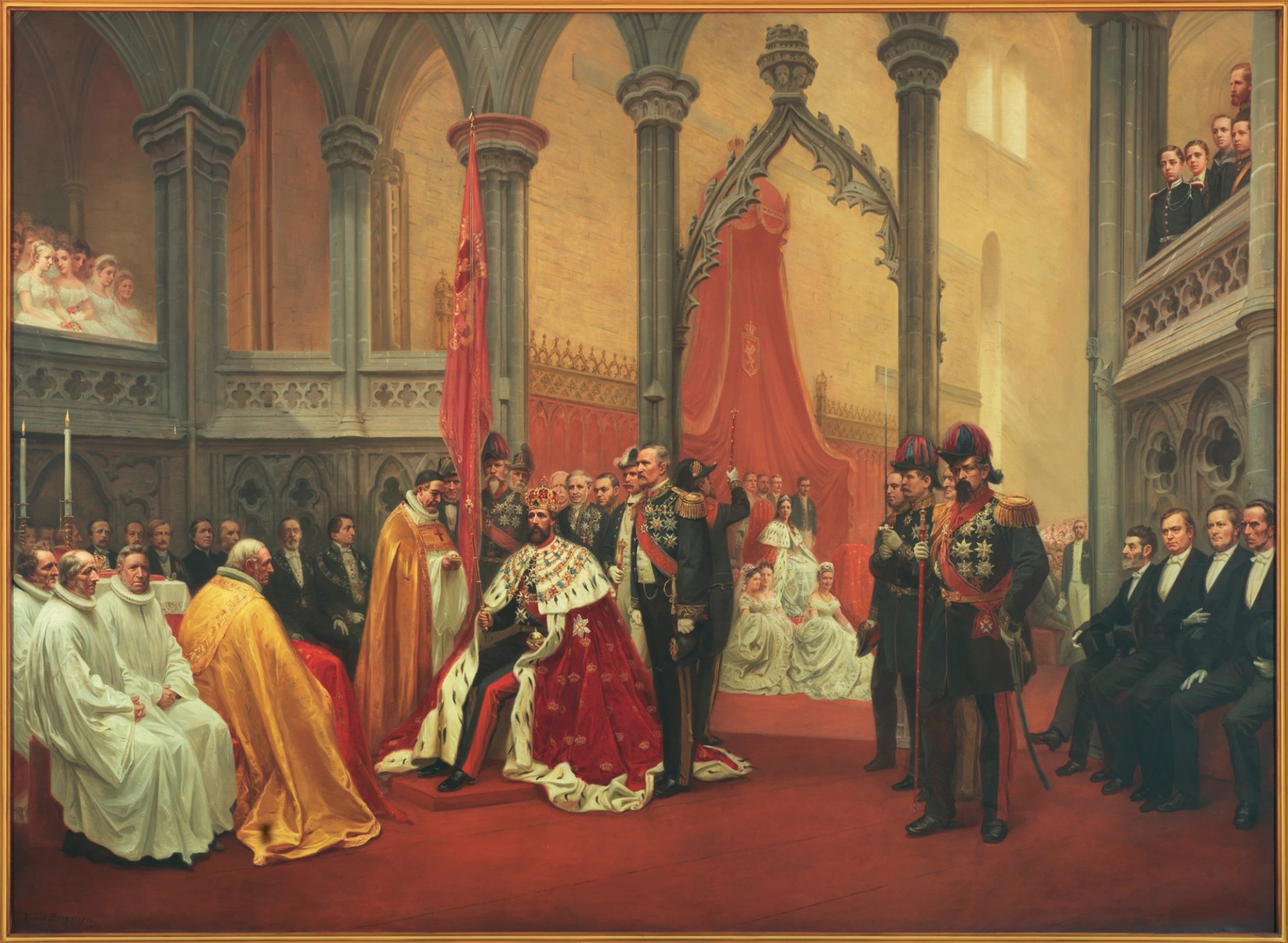
The ceremony established for King Carl Johan's coronation became the model for subsequent coronations.