Bygdø Royal Farm
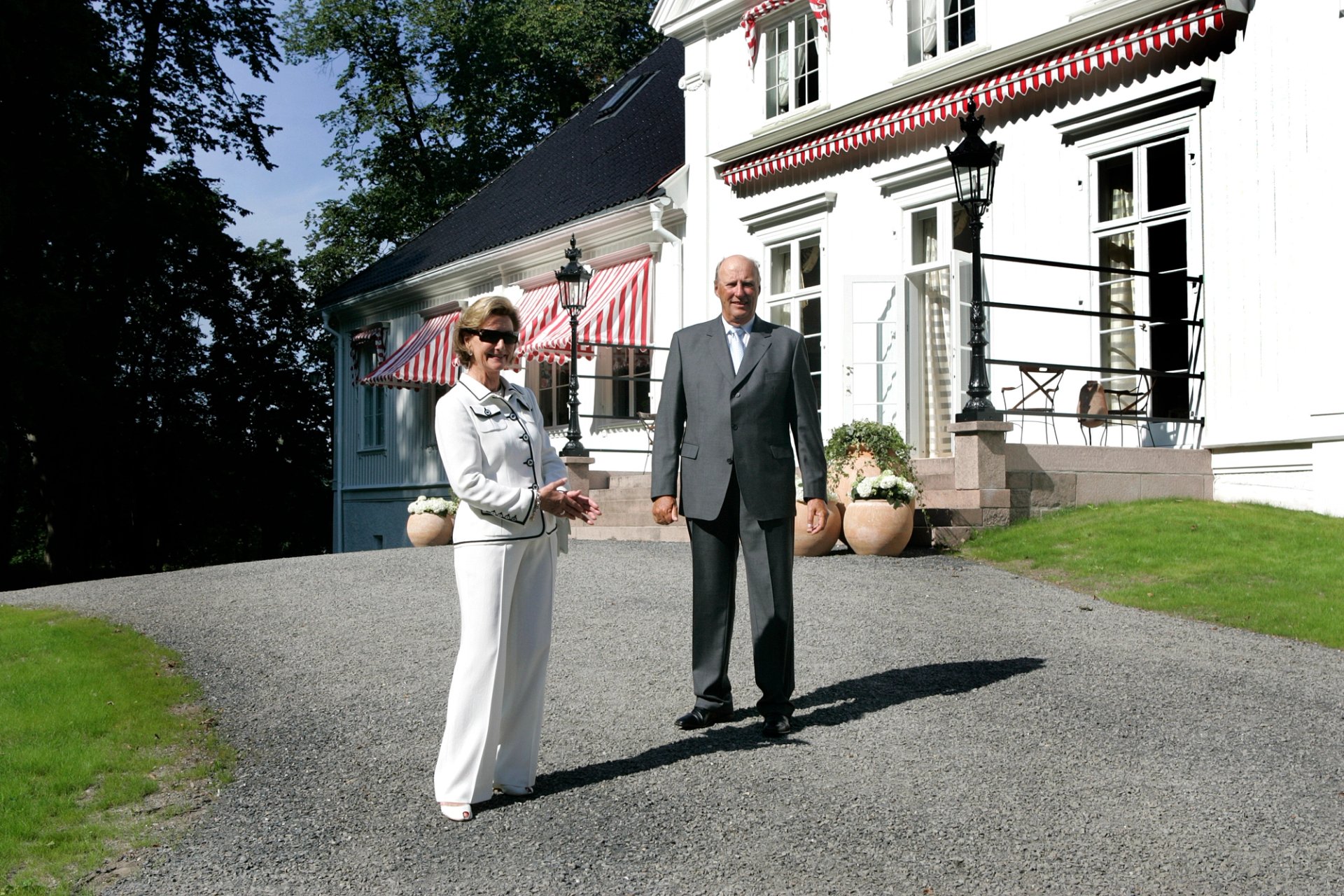
Bygdø Royal Farm is located on the Bygdøy peninsula in Oslo. It is the property in the country that has been in royal use for the longest period. The main house dates from 1733 and has been much used by the Royal Family in summer.

Bygdø Royal Estate is owned by the Norwegian state and placed at the disposal of His Majesty the King. King Haakon VII and Queen Maud used to spend the summer there, and King Olav V followed the custom until his death in 1991. For a period after King Olav's death, Bygdø was not in use, but from 2007 King Harald and Queen Sonja resumed the tradition of using Bygdø Royal Farm as their summer residence.
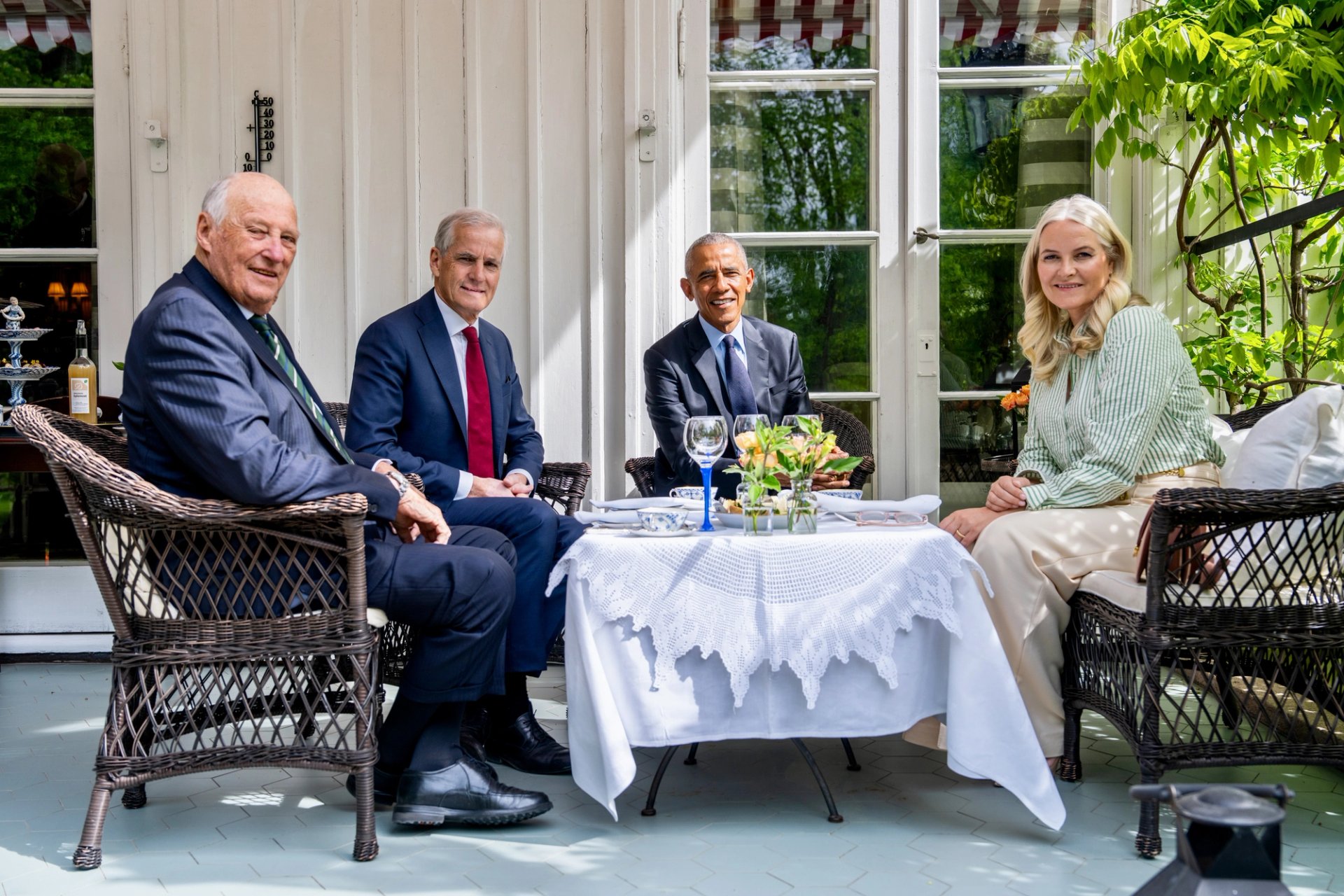
Here, the Royal Family can invite their guests into the house’s beautiful rooms and halls, or out into the well-kept park and gardens, which also provide vegetables, herbs, fruit and berries for the kitchens at the Royal Palace and the estate.
History
Bygdø Royal Farm occupies a very special place in Norwegian history. It has been owned or used by Norwegian monarchs almost continuously since 1305, when Haakon V Magnusson gave the property to his young Queen Eufemia. Thus for the last 700 years Bygdø's history has reflected that of the changing royal houses – first the Norwegian, then the Danish-Norwegian monarchs, then the Swedish-Norwegian and then once again the Norwegian Royal House since 1905.

The farm dates back to the Middle Ages, when it was the property of the monastery on the island of Hovedøya, in the inner Oslo Fjord. At the beginning of the 19th century the Royal Family began spending time there, and King Christian Frederik resided here during the few months of his reign in 1814. It was here that he presented his abdication on 10 October 1814.
In 1837 King Carl Johan bought Bygdø Royal Farm from the state. He had the French Baroque garden re-landscaped in the more natural English style, and enlarged the lake to its current size. The property remained in royal hands until 1863, when King Carl IV sold it back to the state. The Storting then placed it at the king’s disposal.
Summer residence
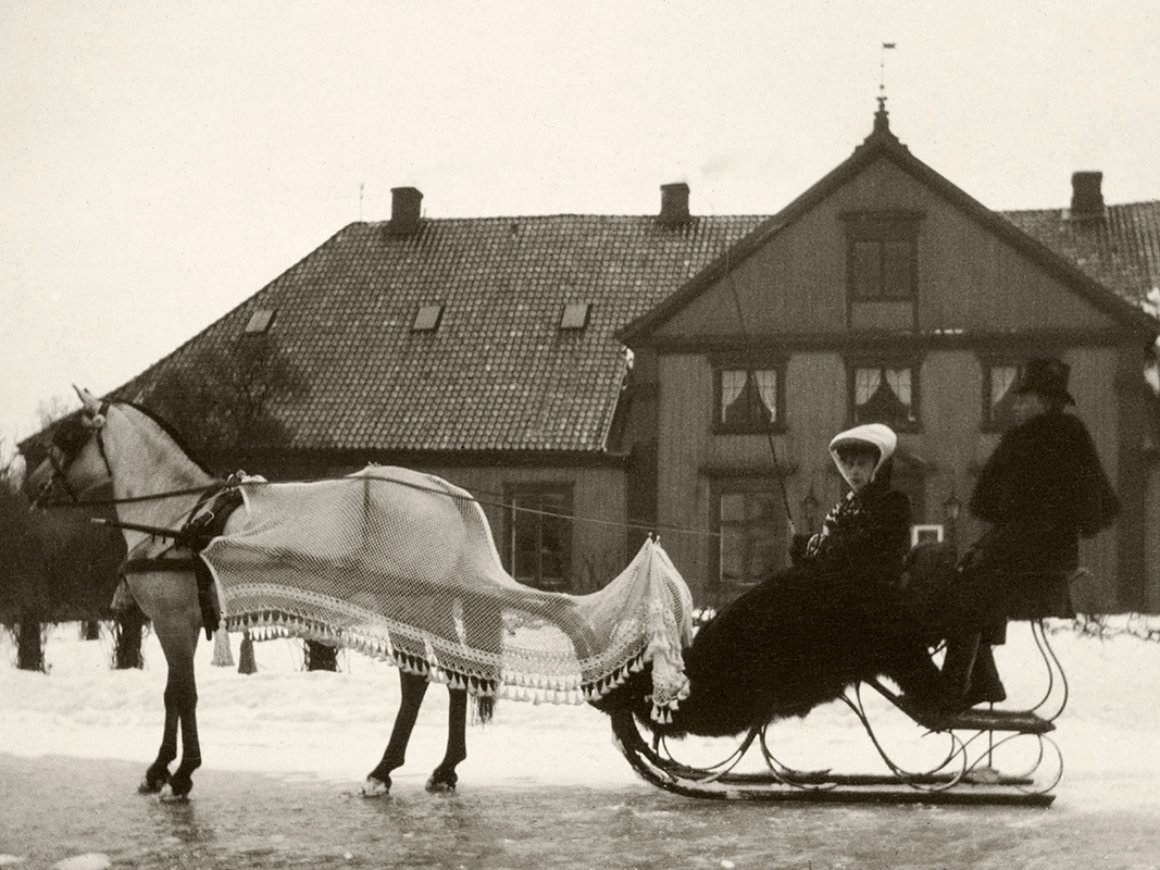
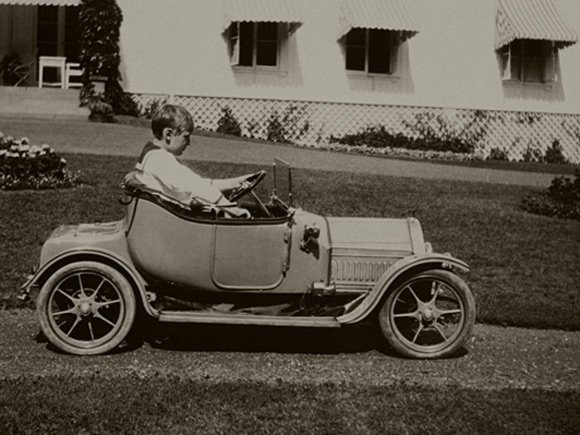
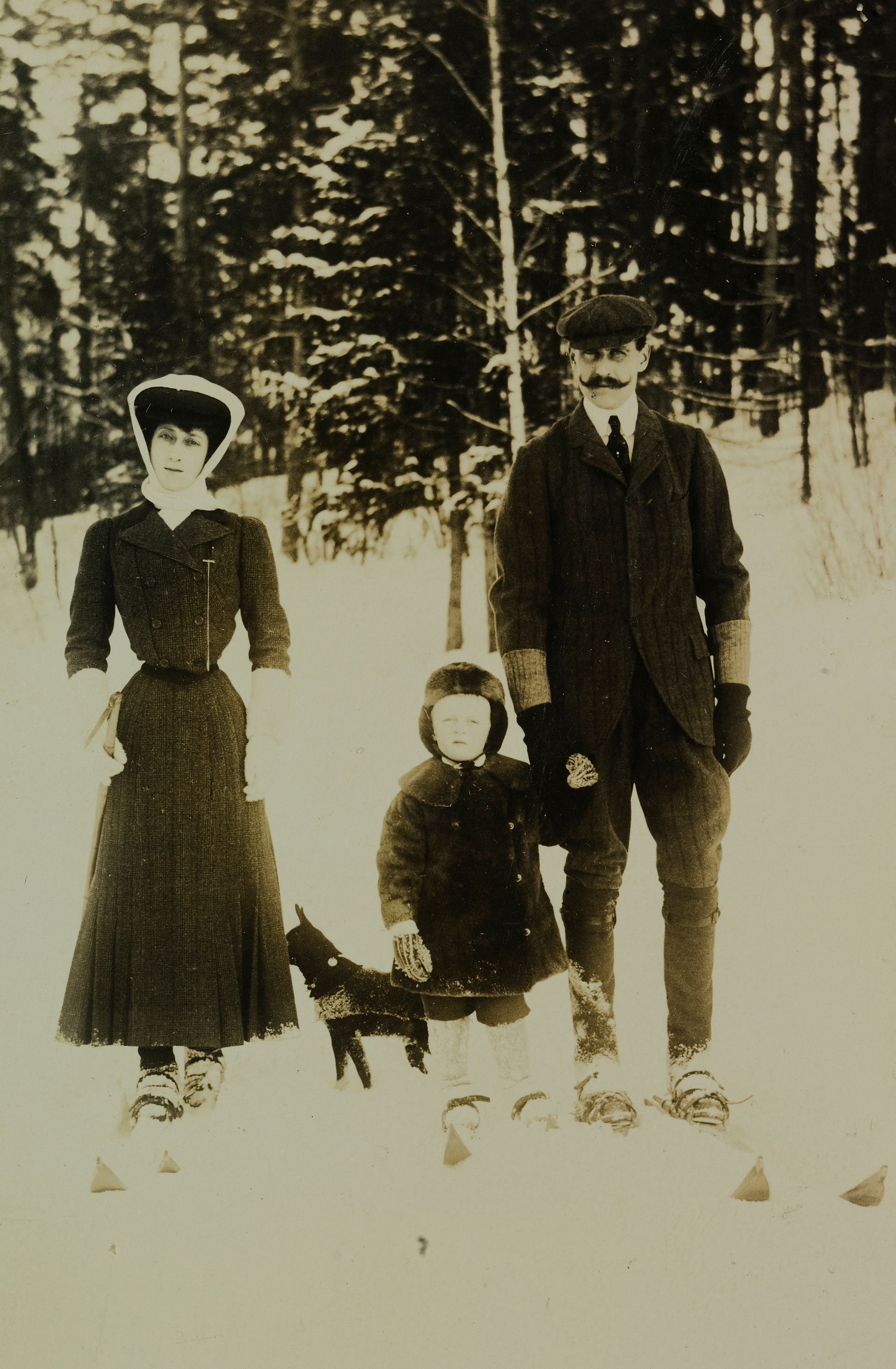
A new era in the history of the farm began in 1905, when King Haakon VII and Queen Maud began using the farm as their permanent summer residence. They enjoyed the rural setting, and the Queen was able to pursue her interest in gardening. King Olav continued to spend the summer there throughout his reign.
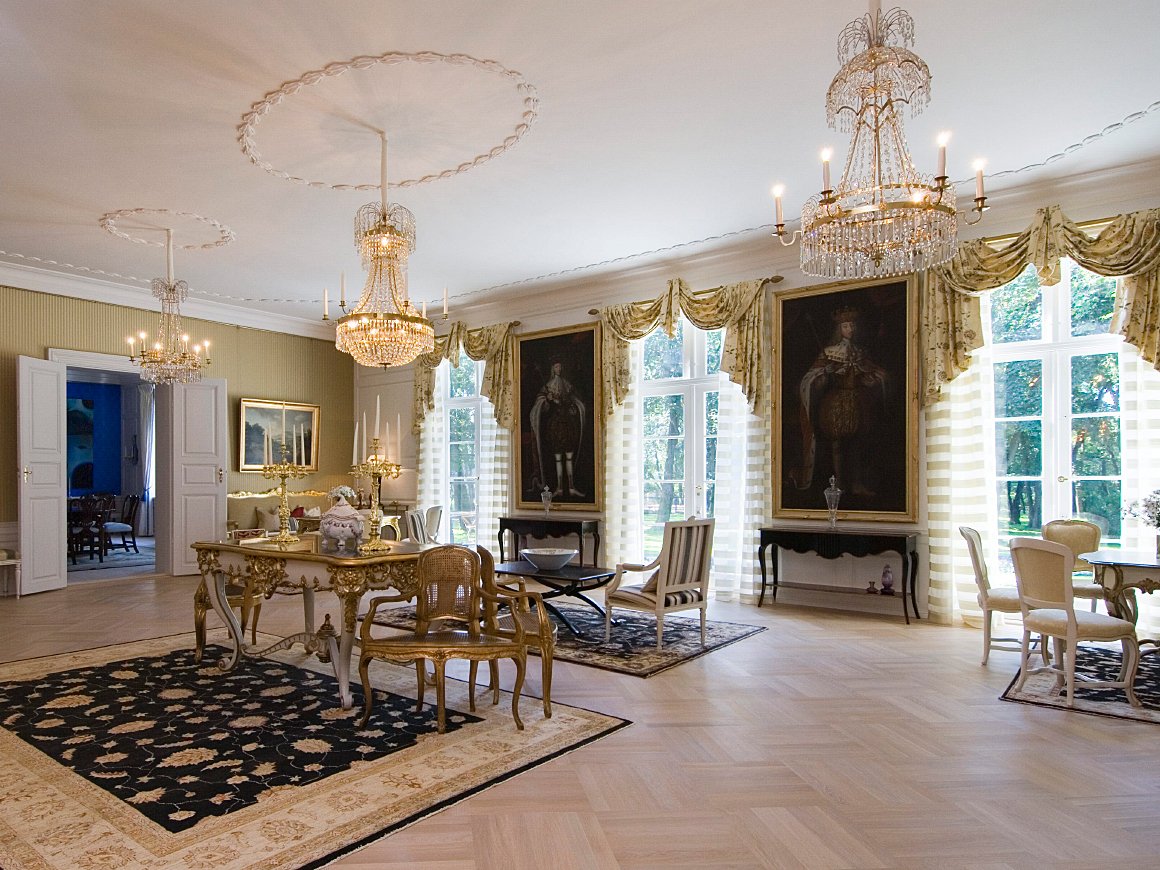
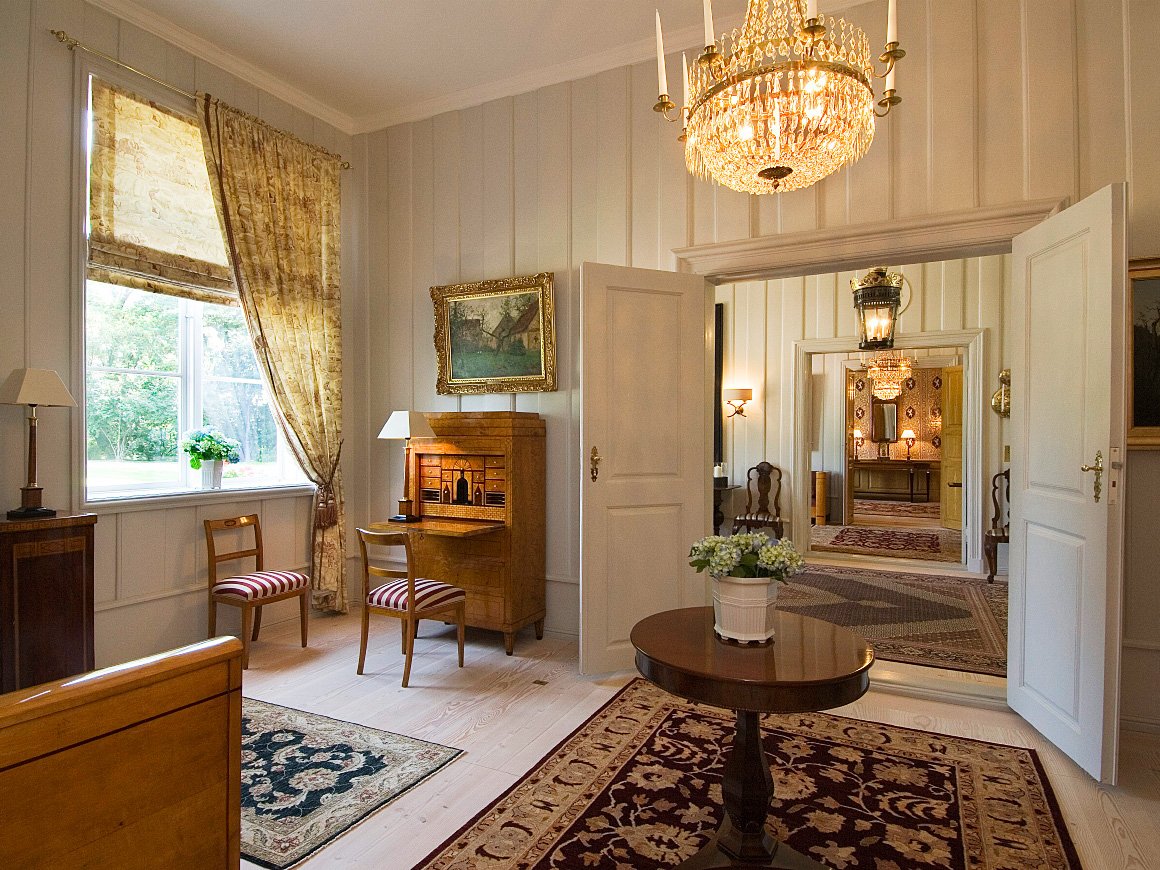
Rehabilitation of he main house with its interiors and the park was begun in 2003 and finished in summer 2007.
At the request of King Harald, the right of use of the actual farm and the surrounding property was transferred to the Norwegian Museum of Cultural History and the state on 1 January 2004.
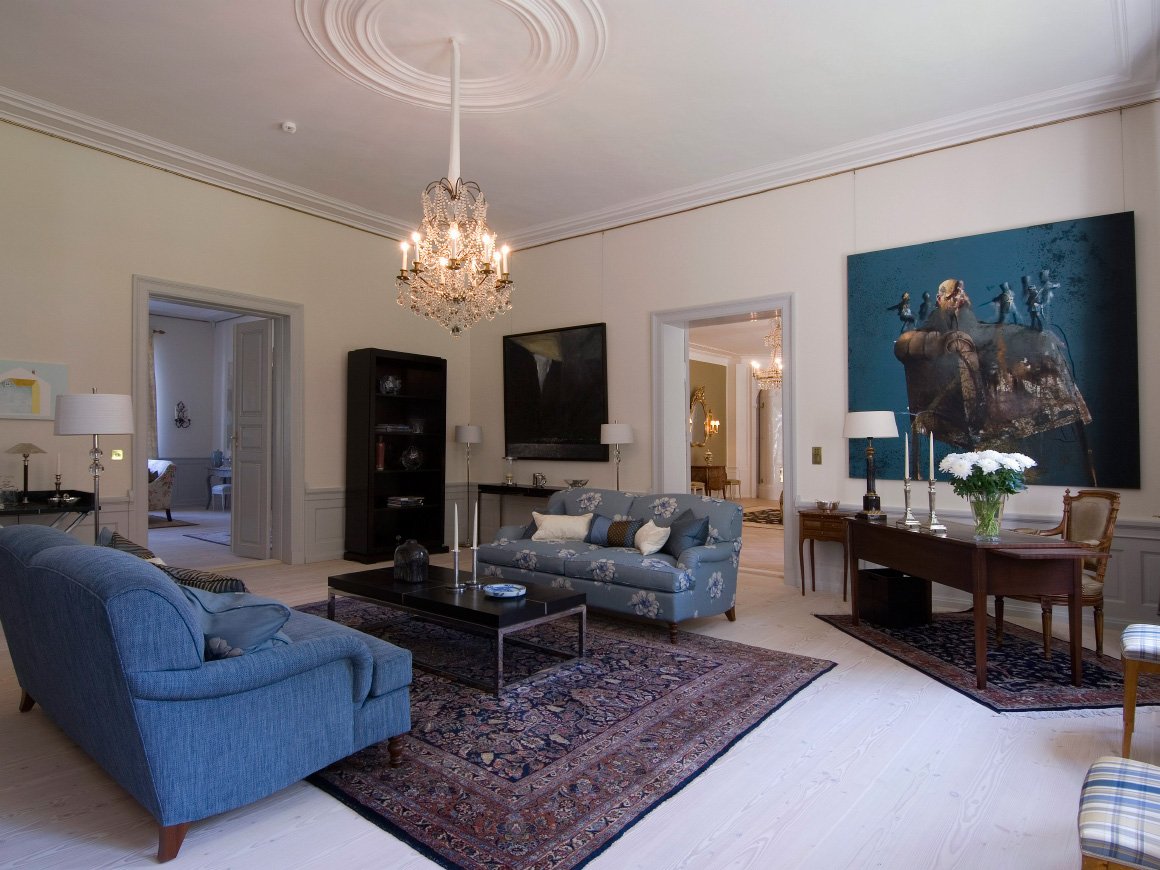
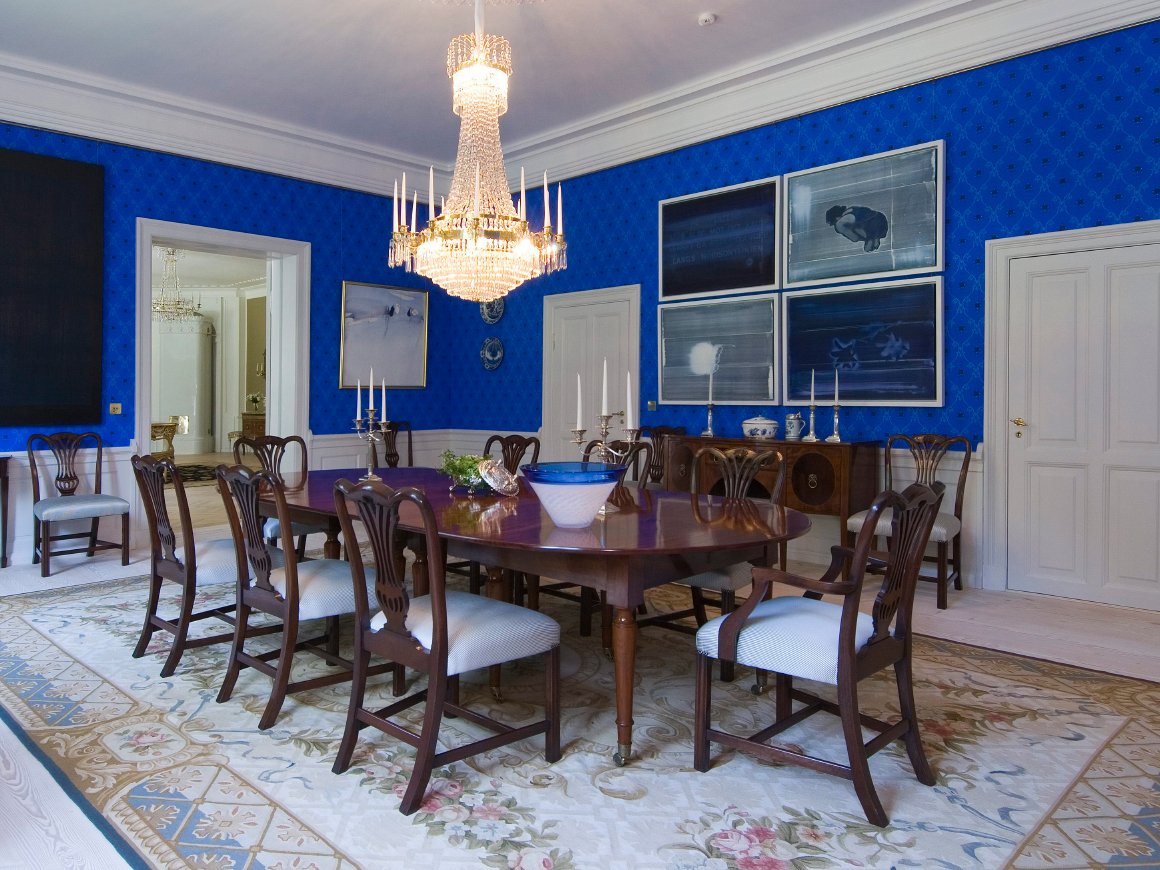
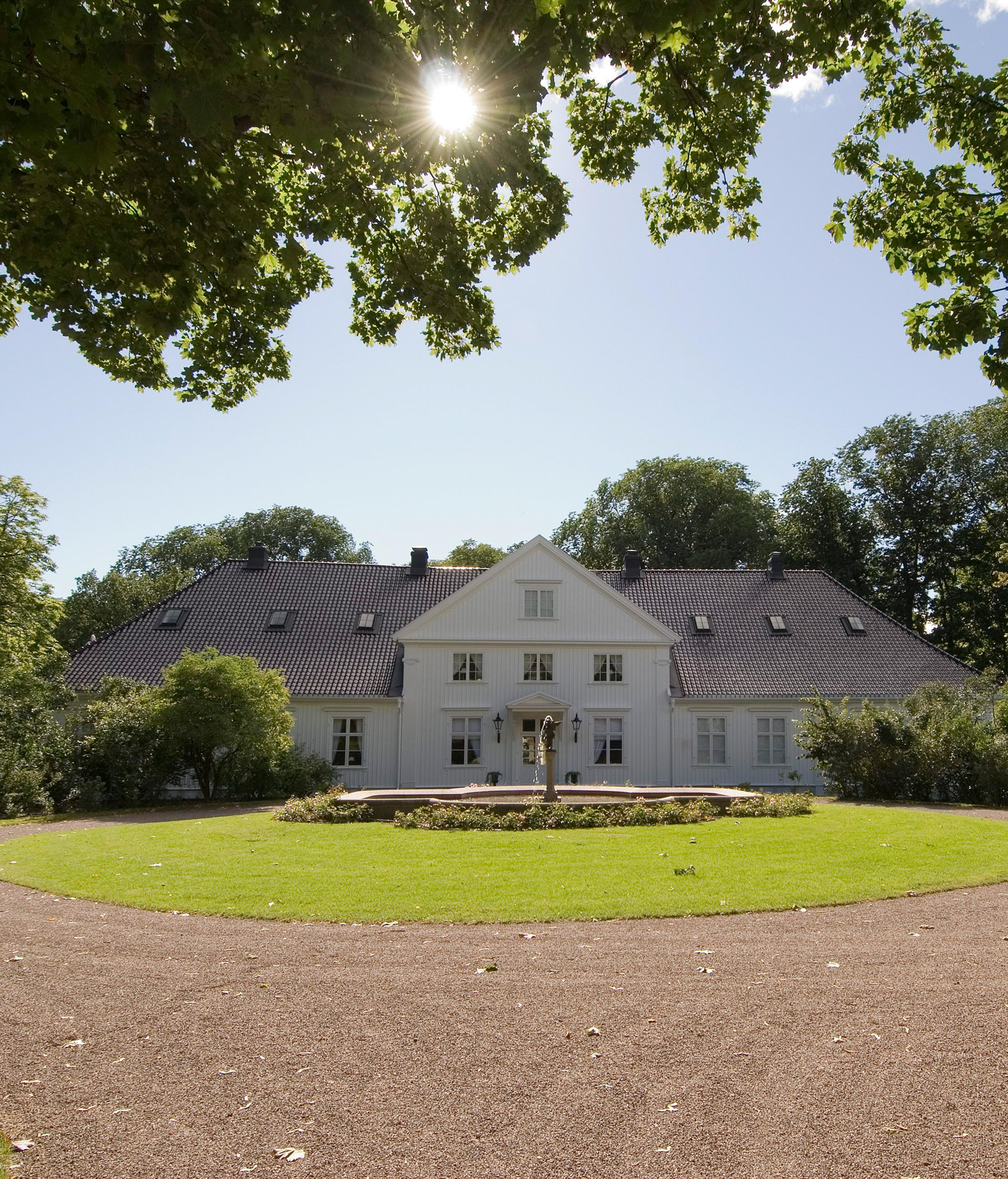
The architecture of Bygdø Royal Farm
Architecture
The present main building was erected in 1733 by Count Christian Rantzau, a Danish civil servant. He served as Governor-General of Norway from 1731 to 1739, and the building was intended as a summer residence. By 1734, his new estate stood completed, in the style of the period, as a symmetrical Baroque complex with the main building centrally positioned at the rear. A Baroque garden was also laid out in close proximity to the house.
The building is constructed of roughly hewn log timber and measures 44 by 15 metres.
The main building at Bygdø Royal Estate is one of the principal monuments to Norway’s tradition of panelled timber architecture. Despite various renovations, the exterior still bears the distinctive character of early eighteenth-century Baroque architecture. The principal interiors, however, largely reflect the period from 1750 through to 1810. The rooms also feature elements of modern craftsmanship and design.
Country Estate
The estate is one of Norway’s finest examples of the country estate tradition among the upper classes in the seventeenth and eighteenth centuries. Throughout Scandinavia at this time, the upper classes had their permanent winter residences in the towns, while country estates were built just outside the towns for use during the summer.
What characterises these country estates is the combination of a summer residence with active farming, providing for the owner’s needs in the town during the winter. This traditional combination was maintained at Bygdø Royal Estate from the early seventeenth century until King Olav died in 1991.
Although King Harald relinquished the King's right of use of the farmland, there is still a kitchen garden adjacent to the main building. It produces fruit, berries, vegetables and herbs for use in the kitchens both at the Royal Palace and at the Royal Farm.
